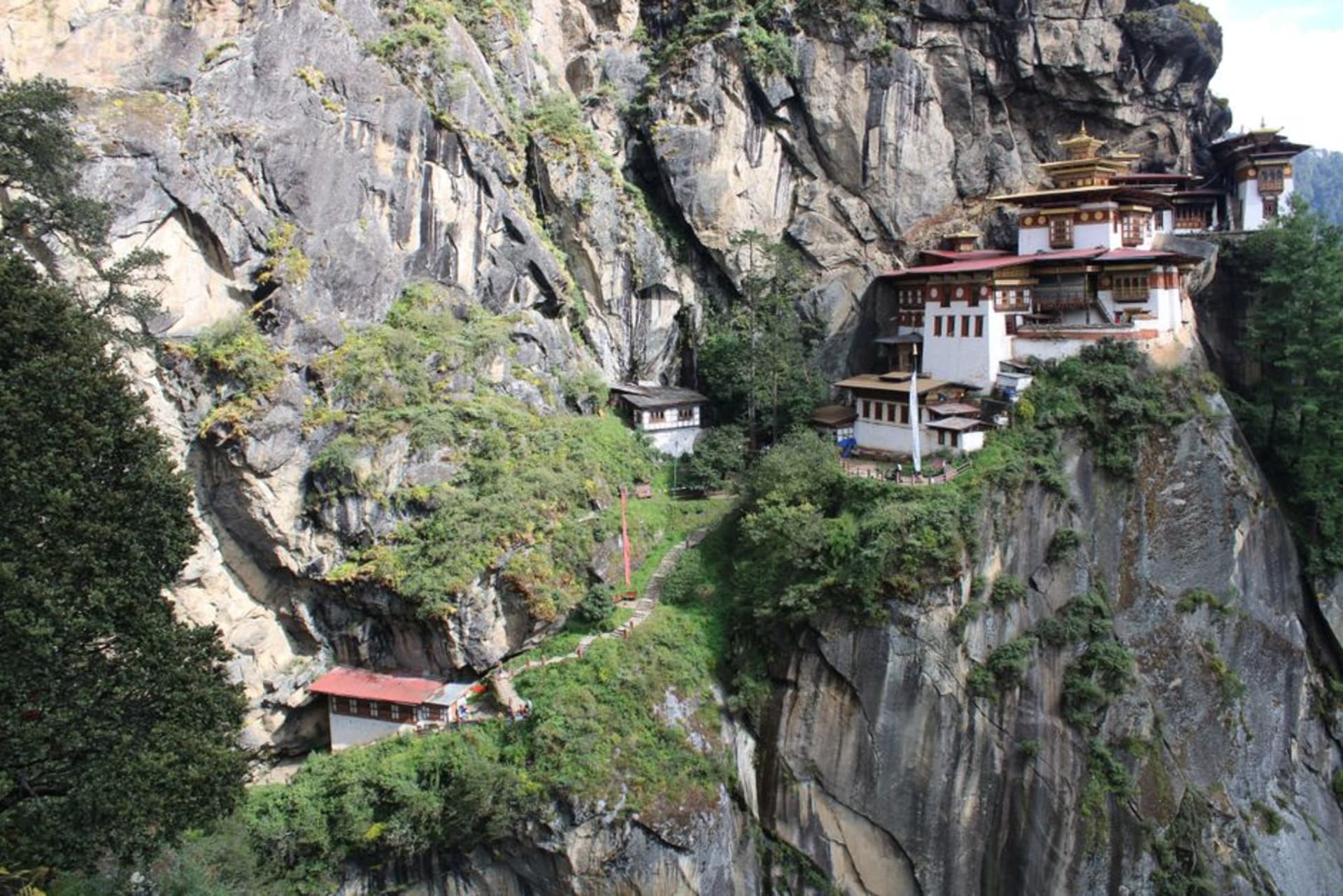
Taktsang Palphug Monastery (Tiger's Nest)
"I stopped counting switchbacks around minute forty and just started praying the fog would lift."
A monastery glued to a cliff 900 meters above Paro, reached only on foot, where legend and altitude both take your breath away.
I’d seen the photo of Tiger’s Nest a hundred times before I ever set foot in Bhutan — the white monastery stuck to the cliff like it had grown there — and I still wasn’t ready for it. Lia and I started the hike from the parking lot below Paro around seven in the morning, thinking we were being smart about beating the heat. We weren’t accounting for the altitude. The trail climbs through blue pine forest, prayer flags strung between the branches, and every time I thought we were close, the monastery just got smaller against the cliff face above us, taunting us from across the ravine.
The story behind the place is what got me through the last hour. Our guide, Sonam, told it to us at the halfway teahouse over butter tea I could barely drink: Guru Rinpoche flew here on the back of a tigress in the 8th century to subdue a demon that was terrorizing the valley, and he meditated in a cave on this exact cliff. That cave is still the heart of the monastery — everything else was built around it in 1692, commissioned by the fourth Druk Desi, Tenzin Rabgye. Standing there, staring up at a building that’s been clinging to rock for over three centuries, the tigress story stopped sounding like a myth and started feeling like the only explanation that made sense.
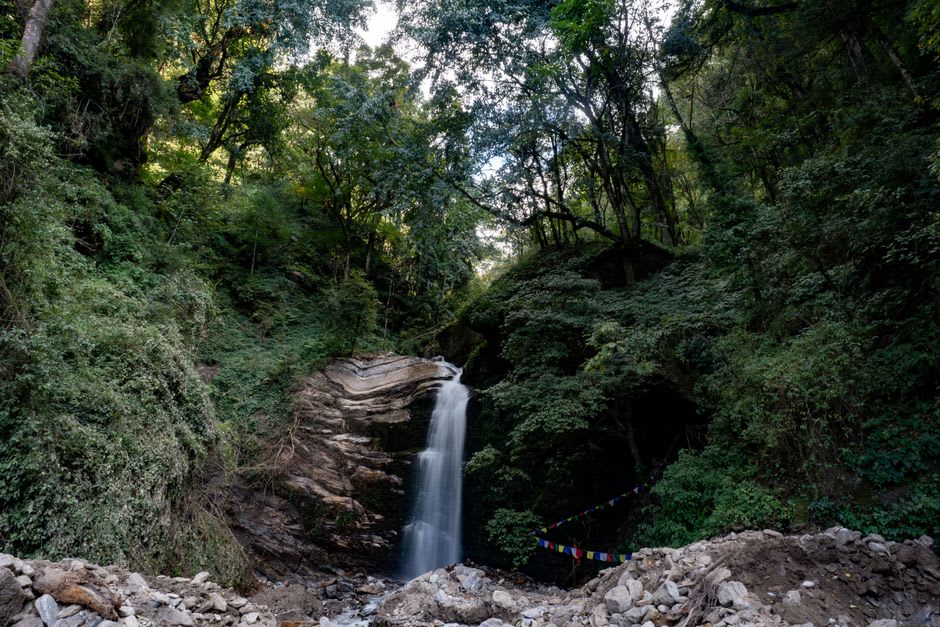
The last stretch is the part nobody warns you about properly — down into a gorge, past a waterfall, then back up a final set of stone steps to the entrance. My legs were done. But the moment you step through into the monastery courtyard, all of that evaporates. You have to leave your bag, your phone, your camera at the entrance, so I can’t show you what I saw inside — you’ll have to trust me on the cave itself, dark and low-ceilinged and smelling of butter lamps, and on the silence in there that felt older than anything I’ve experienced traveling. Lia squeezed my hand and neither of us said a word for a long time.
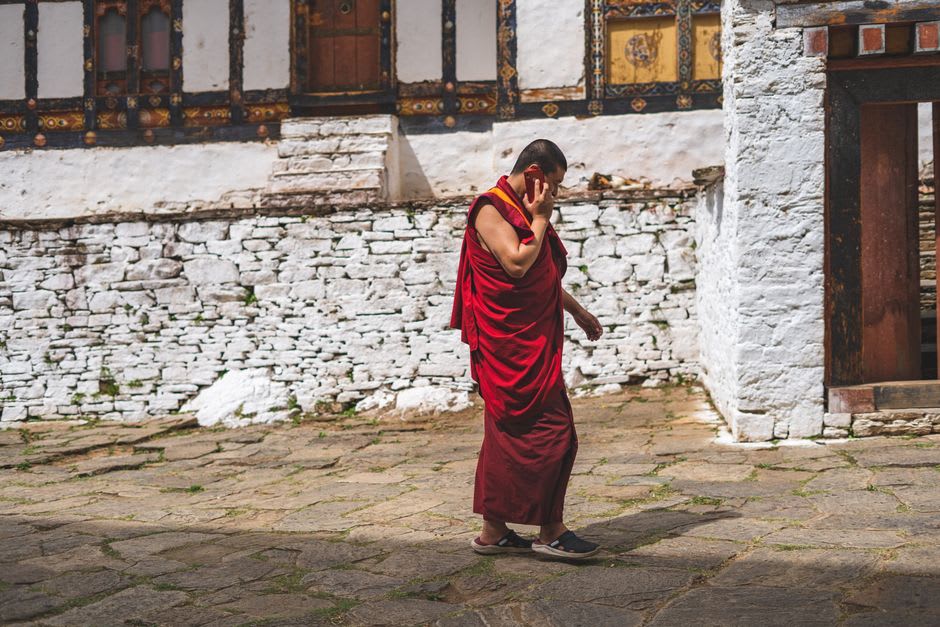
What struck me walking back down was how recent the monastery’s survival actually is — a fire tore through it in 1998 and gutted much of the interior, and what we walked through was largely rebuilt from that. Bhutan didn’t let it stay a ruin. Somewhere around three and a half hours round trip, my knees reminded me for days that this was not a casual stroll, but I’d do the whole thing again tomorrow.
When to go: aim for spring (March-May) or autumn (September-November) — the skies were clear both mornings we tried, and the hiking temperatures sat in that sweet spot where you’re not freezing at the start or melting by the top.
Keep exploring
More from Bhutan
 bhutan
 Trashigang
At the far eastern edge of the kingdom, a trading town above a river gorge where Bhutan runs out of road and the people who live beyond it are unlike any others in the country.
Explore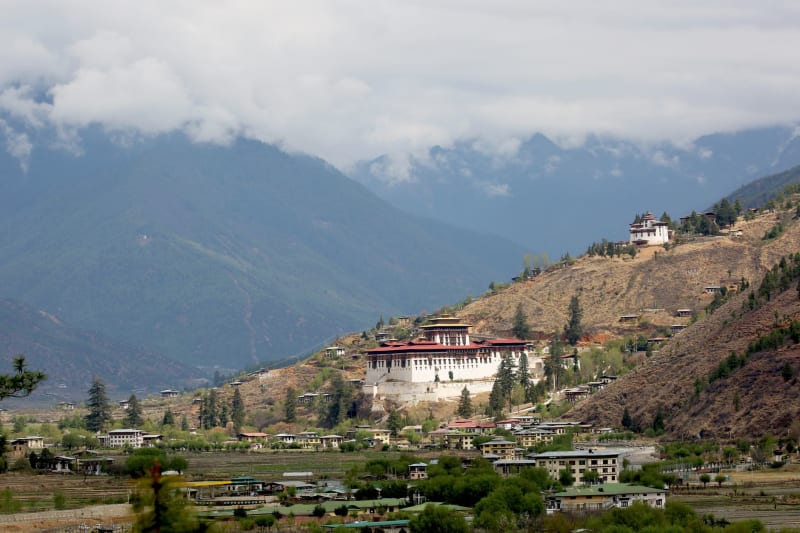 bhutan
 Trongsa
The fortress that once controlled all movement between eastern and western Bhutan — a dzong so strategically placed that whoever held it held the kingdom.
Explore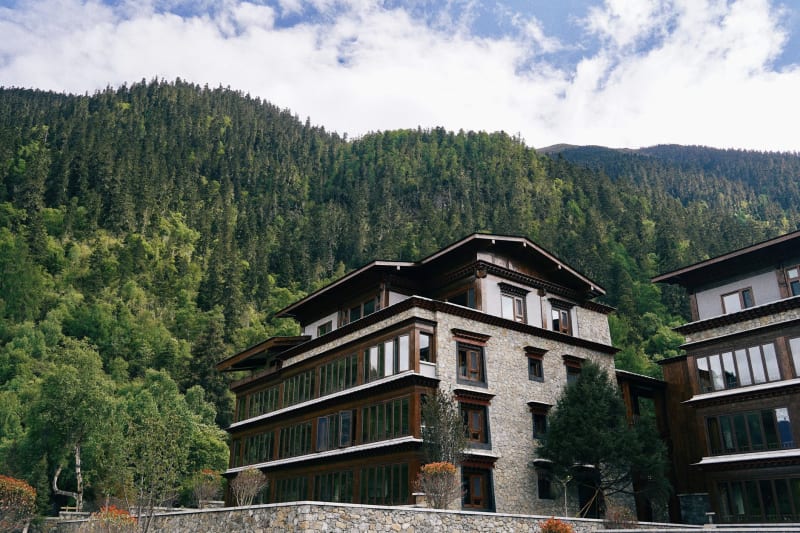 bhutan
 Bumthang
Bhutan's spiritual heartland: four high valleys thick with ancient temples, buckwheat fields, and the particular stillness of a place where the sacred is not something you visit but something you breathe.
Explore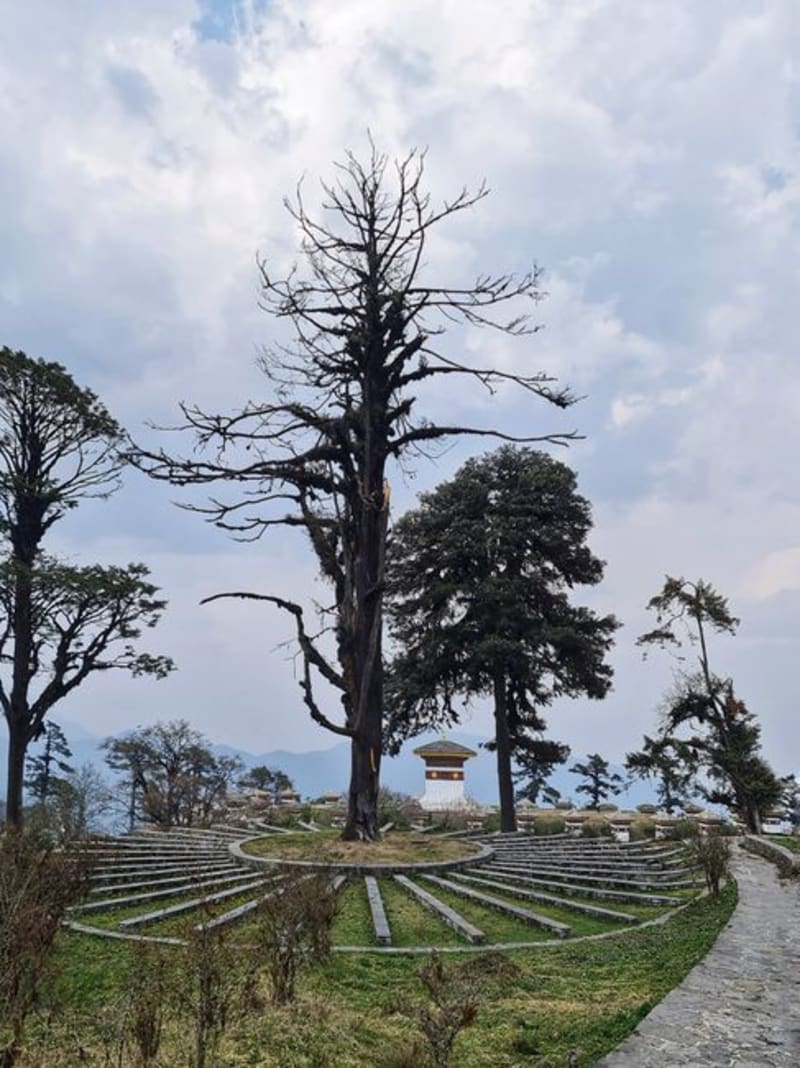 bhutan
 Chele La Pass
Bhutan's highest motorable pass, where prayer flags snap in the wind above the clouds and Jomolhari waits for a clear sky.
Explore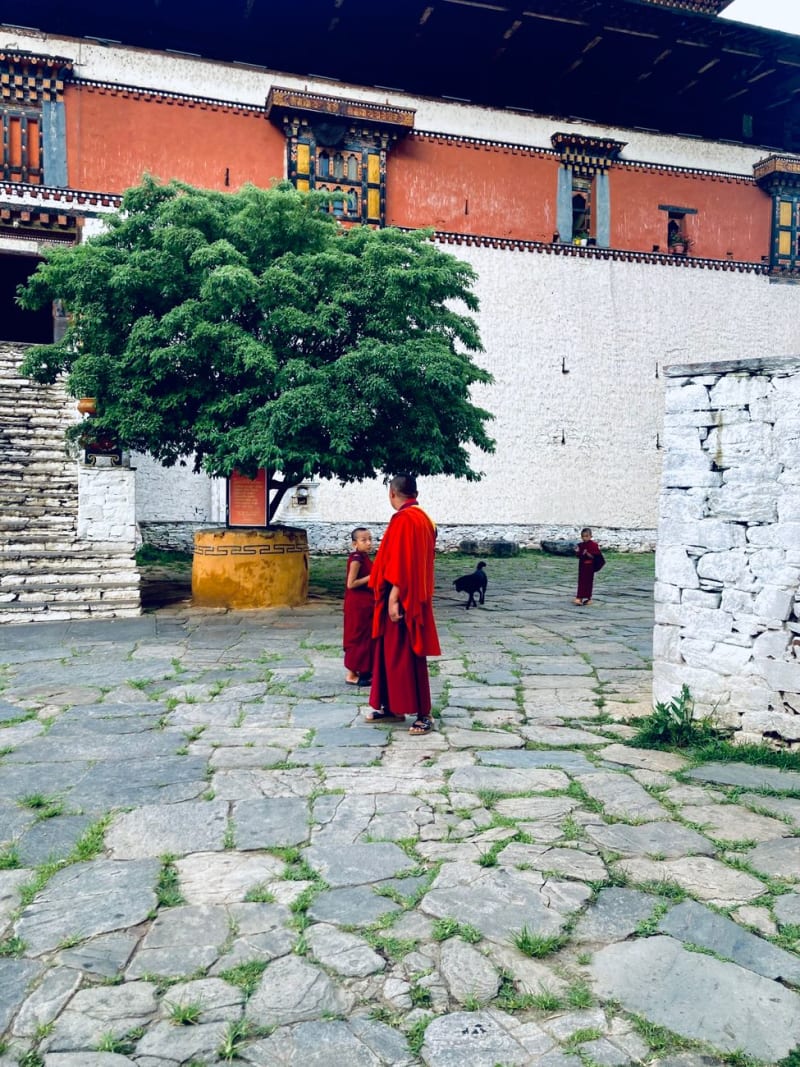 bhutan
 Dochula Pass
A 3,100-metre mountain pass on the road from Thimphu to Punakha, crowned with 108 memorial chortens and, on a clear morning, a wall of snow Himalayas.
Explore bhutan
 Gasa
A restored dzong at the end of a two-day walk from Punakha, natural hot springs at the base of Himalayan peaks, and the silence that comes from being somewhere genuinely hard to reach.
Explore