Asia
Bhutan
"The only country that made me feel like a guest, not a tourist."
A kingdom that caps its annual visitors, charges you a daily fee just to be there, and somehow makes you feel the cost was worth every cent.

I arrived in Paro on a morning when the clouds were sitting low in the valley and the runway felt like it was carved directly into the mountain. The pilot banked so sharply on descent that I could see pine trees through the window at eye level. That landing is famous — only a handful of certified pilots in the world can do it — and it tells you something about Bhutan before you’ve even set foot on the ground: nothing here is ordinary, and the country intends to keep it that way.
Bhutan’s Sustainable Development Fee — currently around 100 USD per day for most nationalities — gets framed in guidebooks as a barrier, which misses the point entirely. What it actually buys is the absence of the budget-traveler infrastructure that tends to hollow out destinations. There are no hostels in Thimphu, no tuk-tuks, no touts outside temples. When I walked through the market in Paro town, a man selling dried cheese from a basket looked at me with mild curiosity rather than calculation. I ate ema datshi — chilli peppers stewed in yak cheese, the national dish — in a family kitchen where the grandmother kept refilling my bowl without asking. The food is aggressively spiced and completely unlike any approximation I’ve encountered elsewhere. Ema datshi is not a side dish; it is the point.
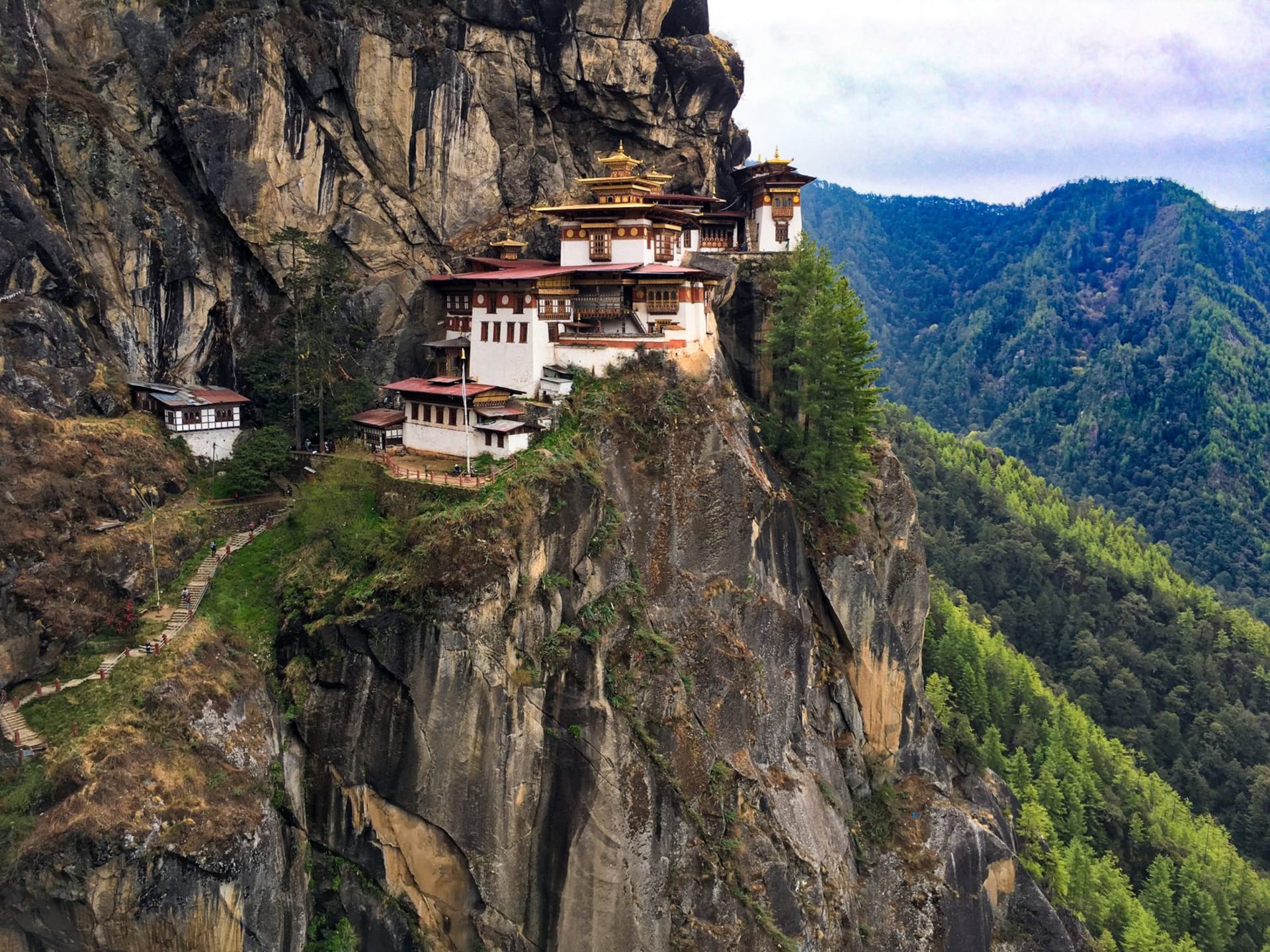
The Tiger’s Nest, Taktsang Monastery, is the image you’ve seen — white buildings clinging to a sheer cliff 900 meters above the valley floor. I went at five in the morning to beat both the crowds and the heat. The trail winds through prayer flags and rhododendron forest, and the monastery itself, when you finally reach it, feels less like a tourist attraction than like somewhere that genuinely does not need your presence to justify its existence. I found that oddly moving.
When to go: March through May for rhododendrons in bloom and clear skies — the spring light in the Paro valley is extraordinary. October and November are equally beautiful, with crisp air and views all the way to the Himalayan peaks. Avoid June through August; the monsoon makes the hiking trails muddy and the mountain views disappear. December and January are cold but uncrowded, and the festival calendar — particularly the Paro Tsechu in spring — rewards timing your trip around it.
What most guides get wrong: They treat the daily fee as the story. It isn’t. The real story is what Bhutan decided to protect and why. The country measures GDP in Gross National Happiness — which sounds like a marketing slogan until you watch how people actually interact with their landscapes, their monasteries, their neighbors. The pace is not slow because Bhutan hasn’t caught up. It’s slow because the country made a choice. That distinction matters.
Explore
Places in Bhutan
 bhutan
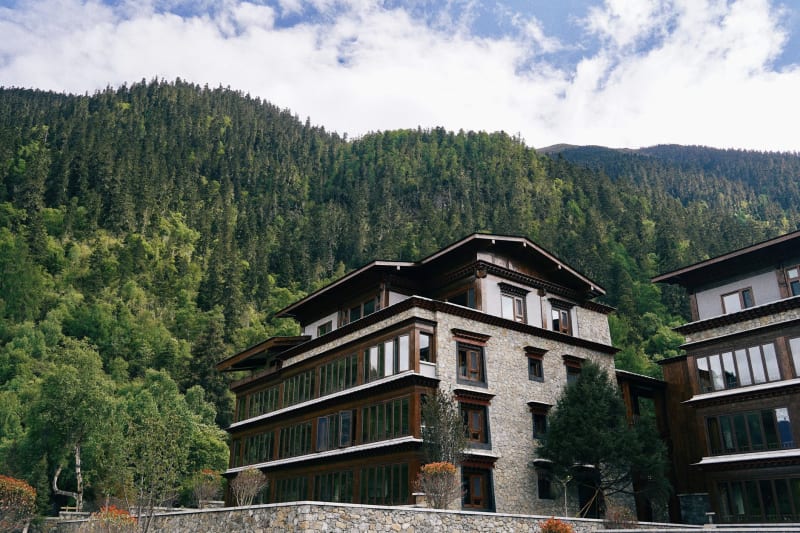
 Bumthang
Bhutan's spiritual heartland: four high valleys thick with ancient temples, buckwheat fields, and the particular stillness of a place where the sacred is not something you visit but something you breathe.
Explore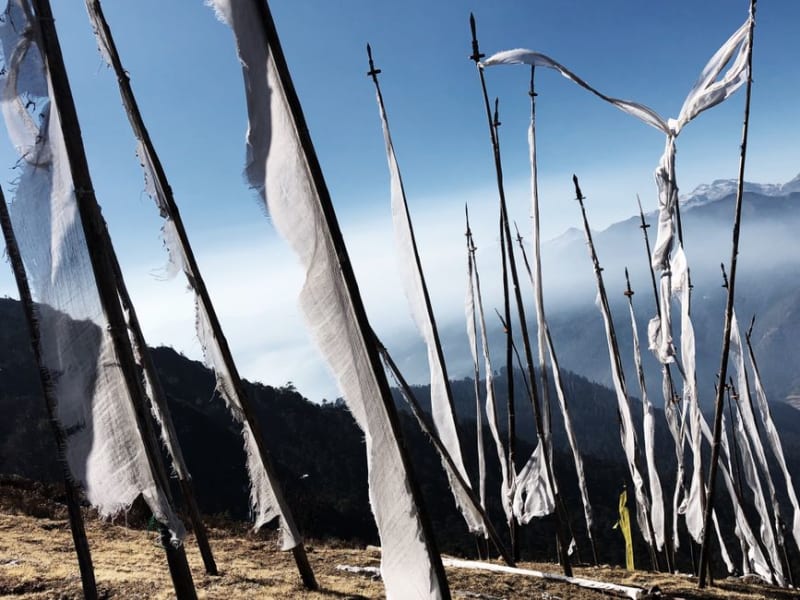 bhutan
 Chele La Pass
Bhutan's highest motorable pass, where prayer flags snap in the wind above the clouds and Jomolhari waits for a clear sky.
Explore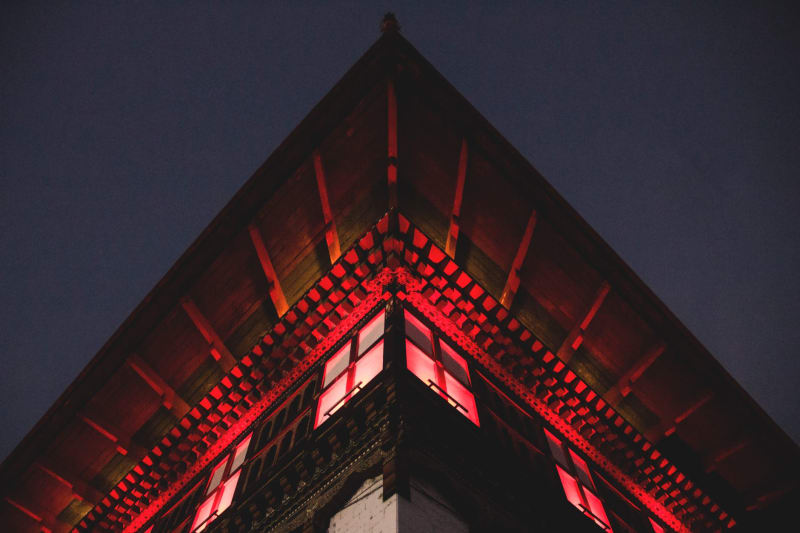 bhutan
 Dochula Pass
A 3,100-metre mountain pass on the road from Thimphu to Punakha, crowned with 108 memorial chortens and, on a clear morning, a wall of snow Himalayas.
Explore bhutan
 Gasa
A restored dzong at the end of a two-day walk from Punakha, natural hot springs at the base of Himalayan peaks, and the silence that comes from being somewhere genuinely hard to reach.
Explore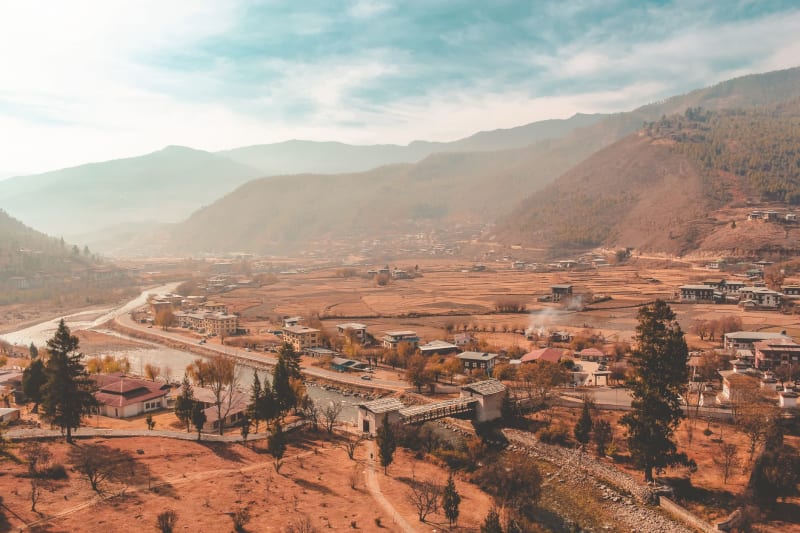 bhutan
 Haa Valley
One of Bhutan's most remote and least-visited valleys, sealed from the outside world until 2002, where twin medieval temples face each other across an empty field.
Explore bhutan
 Lhuentse
The ancestral seat of Bhutan's royal family, a white dzong perched impossibly above a northern gorge, and the weavers who make the finest textiles in the kingdom.
Explore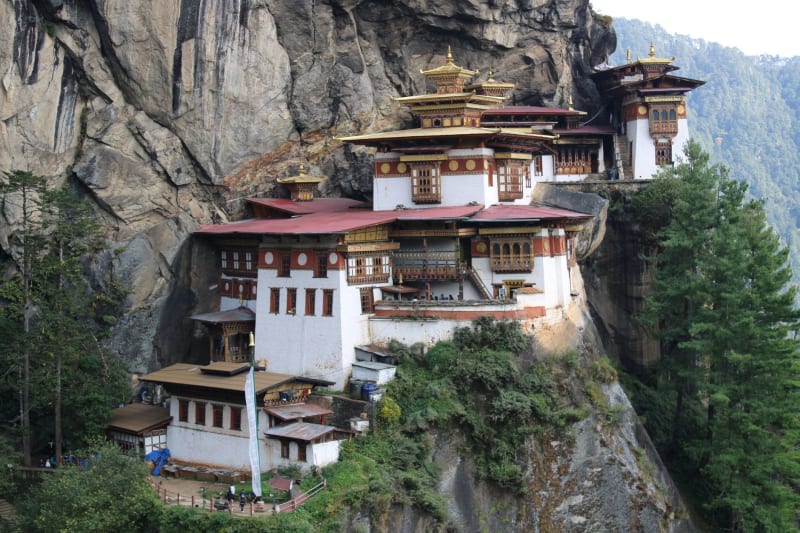 bhutan
 Paro
The valley where you land sideways between pine-covered mountains and where the kingdom's most sacred monastery hangs from a cliff face.
Explore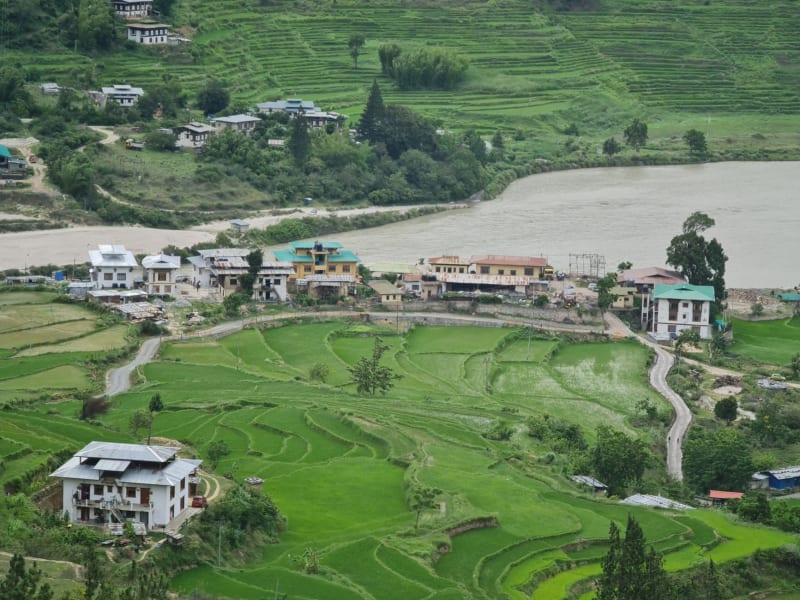 bhutan
 Phobjikha Valley
A glacial bowl valley where black-necked cranes fly in from Tibet each winter and the whole country seems to hold its breath waiting for them.
Explore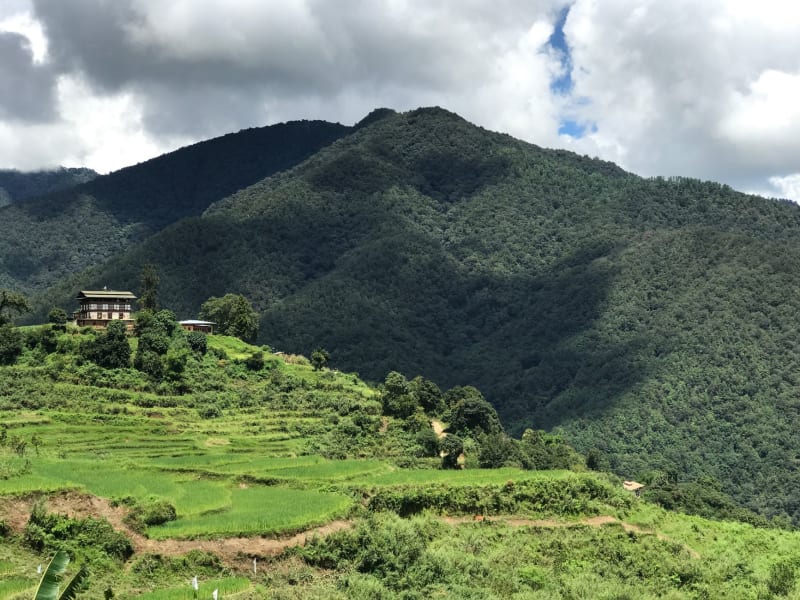 bhutan
 Punakha
Bhutan's former winter capital sits where two rivers meet, its ancient dzong built on the tongue of land between them like a ship run aground in paradise.
Explore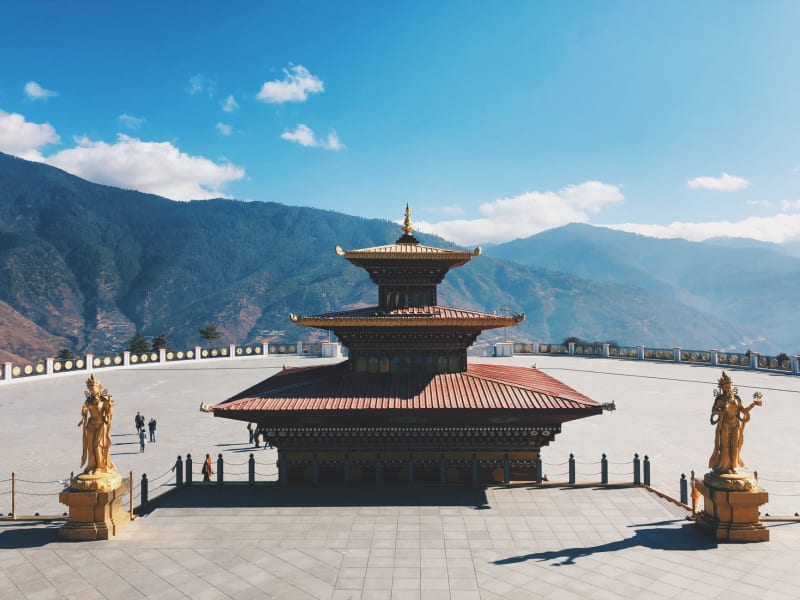 bhutan
 Thimphu
A capital city without a single traffic light, where a policeman in a white glove booth choreographs intersections like a slow dance.
Explore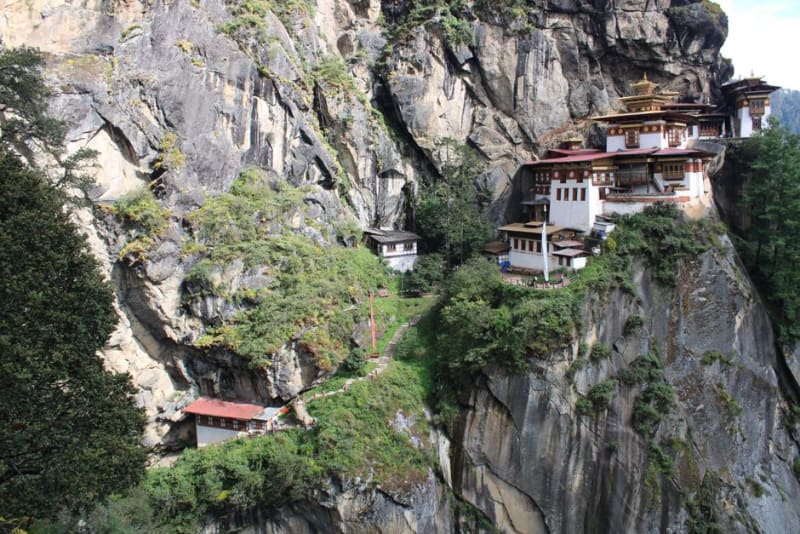 bhutan
 Taktsang Palphug Monastery (Tiger's Nest)
A monastery glued to a cliff 900 meters above Paro, reached only on foot, where legend and altitude both take your breath away.
Explore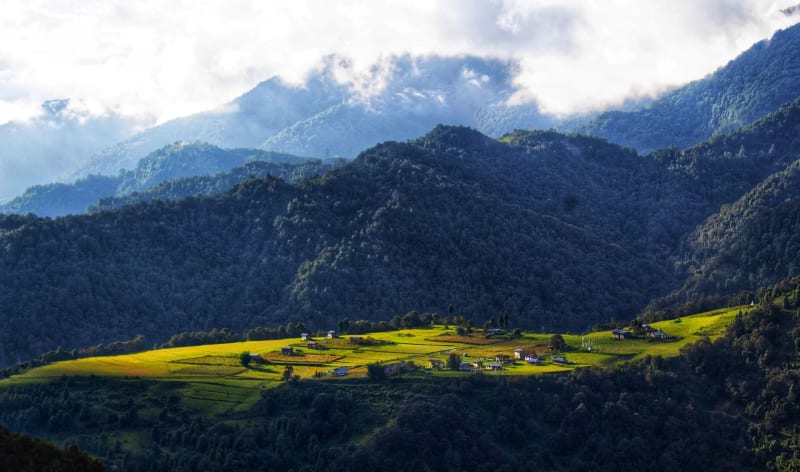 bhutan
 Trashigang
At the far eastern edge of the kingdom, a trading town above a river gorge where Bhutan runs out of road and the people who live beyond it are unlike any others in the country.
Explore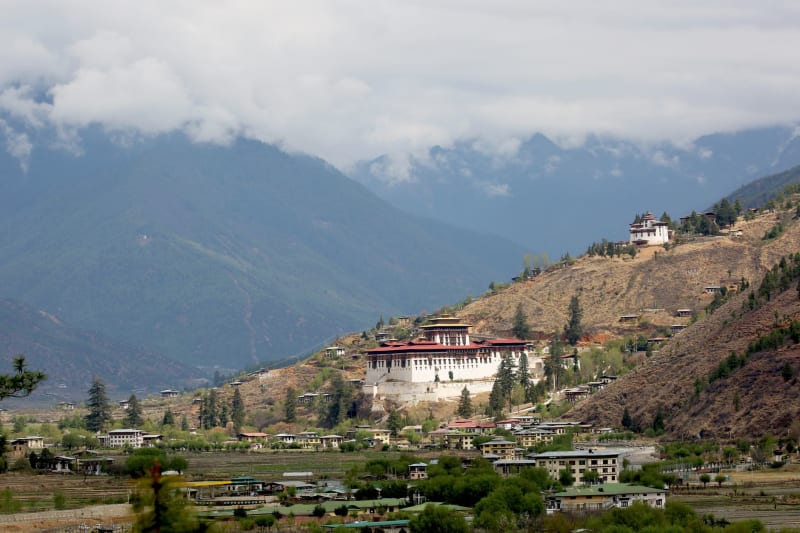 bhutan
 Trongsa
The fortress that once controlled all movement between eastern and western Bhutan — a dzong so strategically placed that whoever held it held the kingdom.
Explore