
Ubud
"In Ubud, the gamelan starts before you wake up. By the time you've had coffee, the whole day already feels ceremonial."
Bali's cultural core, where rice paddies press in from every direction and ceremonies happen on a calendar you will never fully decode.

The guesthouse owner told me that ceremonies happen every three days, then corrected himself — every two days, actually, or maybe every five, depending on the Balinese calendar, which runs concurrently with the Hindu lunar calendar and the Gregorian one, meaning any given week might hold a dozen overlapping occasions for offerings, processions, and blessings. I understood none of this when I arrived, jet-lagged and squinting through the afternoon haze. The streets of central Ubud were dense with traffic, warung smells, and the sound of someone practising gamelan somewhere just out of sight. It felt overwhelming. By morning, it felt essential.
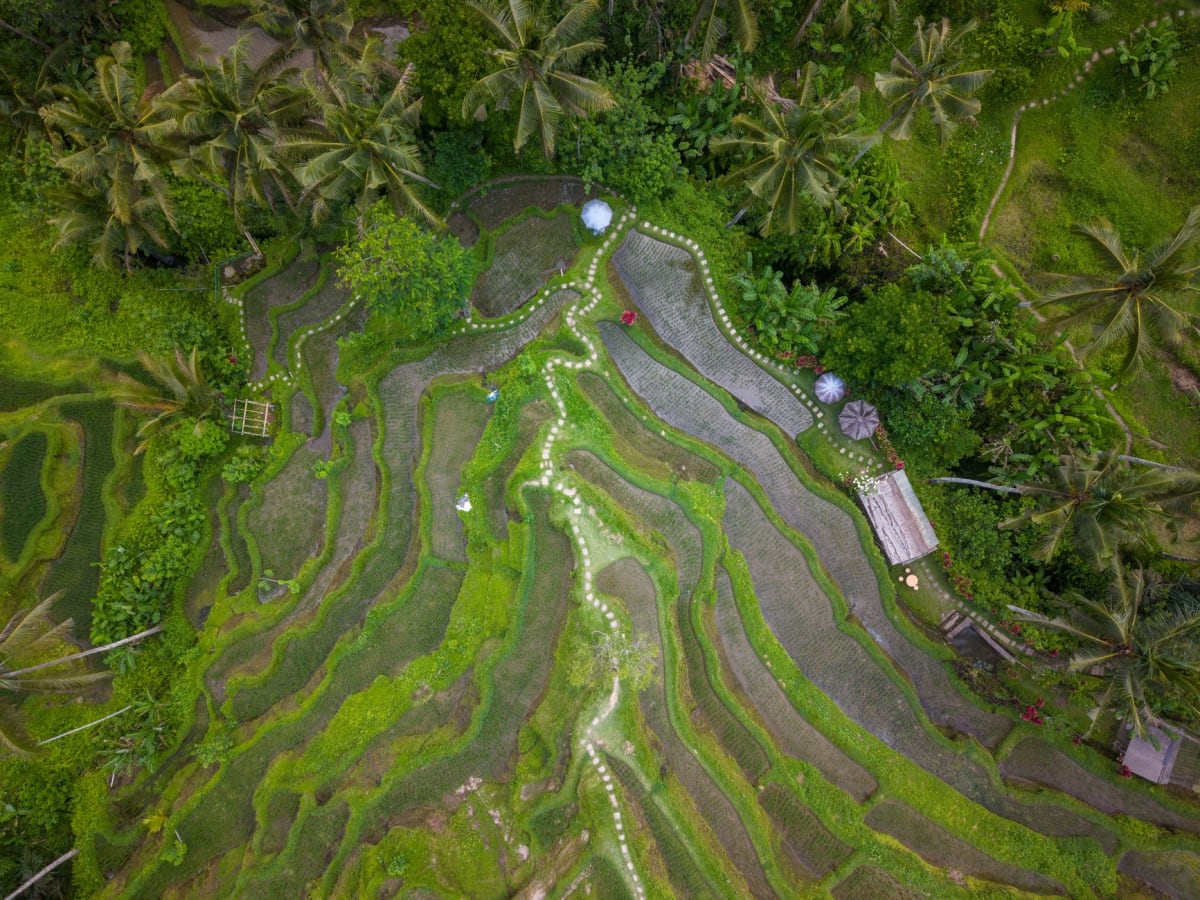
Ubud sits in the highland interior of Bali, roughly an hour’s drive from the coast depending on where the traffic decides to be catastrophic. The town itself is a congested collection of art galleries, cooking schools, and restaurants running along Jalan Monkey Forest and Jalan Hanoman, but this is not where Ubud actually lives. Ubud lives in the rice paddies that press in from every direction, in the hamlet lanes that twist out of the main streets and suddenly open onto terraces dropping away toward river gorges thick with bamboo. Walk fifteen minutes from the central market in any direction and the urban noise dissipates into birdsong and the sound of water moving through irrigation channels the colour of dark jade.

The food pulled me deeper than I expected. Nasi campur from a small warung on Jalan Dewi Sita — rice surrounded by small portions of tempeh, a slick of sambal, lawar made from green beans and shredded coconut — cost less than a cup of coffee and tasted like a small masterpiece of controlled heat and balanced flavour. I went back every morning for four days because I could not identify everything I was eating and was not ready to stop trying. The owner, a woman running the whole operation from a kitchen visible from the eating area, noticed my confusion and started bringing extra dishes without charging me for them, explaining each in a mixture of Balinese, Indonesian, and patient mime. I never did identify the dark, slightly bitter sauce that came on the side of the grilled fish, and I have been thinking about it since.
The Tegalalang rice terraces, north of town, are on every Instagram account and yes, they are that beautiful, but the version that matters is not the one with the tourist viewing platforms. Go before seven in the morning when the only people on the paths are farmers with tools on their shoulders and the mist is still caught in the lower levels. The subak irrigation network — a UNESCO-recognized system managed by water temple priests — has kept these landscapes alive for a thousand years. The farming is not picturesque by accident. It is picturesque because it is sacred.
The market in the morning — the one cooking school groups line up to photograph at seven AM — is worth waking early for, though not for the photographing. Watch the women from surrounding villages arrive with baskets of offerings: frangipani flowers, palm leaf structures folded into intricate geometries, coconut-shell bowls piled with fruit. These are not made for tourists. They are being delivered to the temples. The market, at its core, is a procurement operation for the divine, and you happen to be witnessing it on the way to buy a papaya.
When to go: May, June, and September offer Ubud at its most pleasant — dry season weather without the July and August crowds. The Ubud Writers and Readers Festival in October brings a particular energy worth planning around. Avoid January and February during the wet season; the terraces flood, the paths become muddy, and the ceremonies continue regardless, which is its own kind of beautiful but harder to navigate on foot.
Keep exploring
More from Bali
 bali
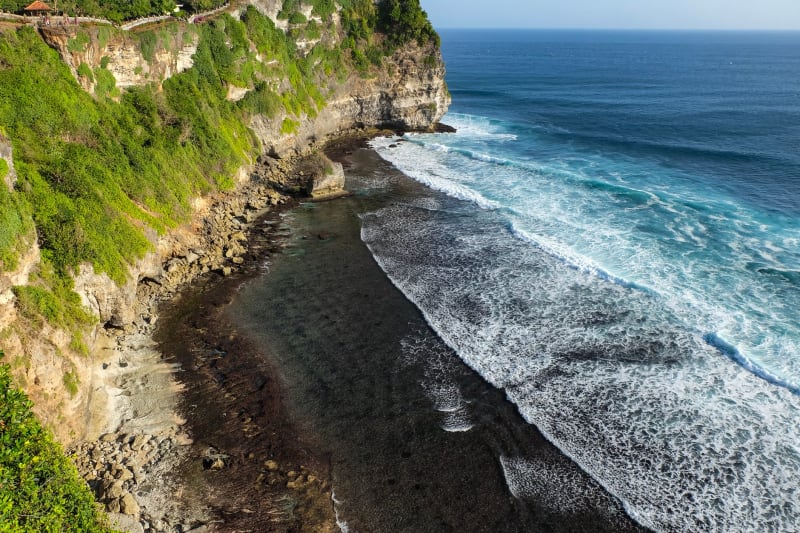
bali Uluwatu
A clifftop temple at the southern tip of Bali where the Indian Ocean appears below you all at once and the surf breaks are the best on the island.
Explore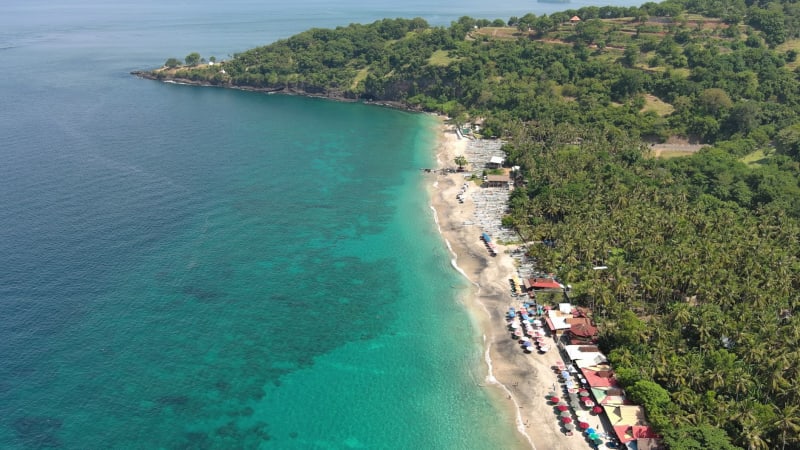 bali
bali Amed
A string of fishing villages on Bali's northeast coast where the sea is impossibly clear, the sand is black, and the WWII shipwreck is just offshore.
Explore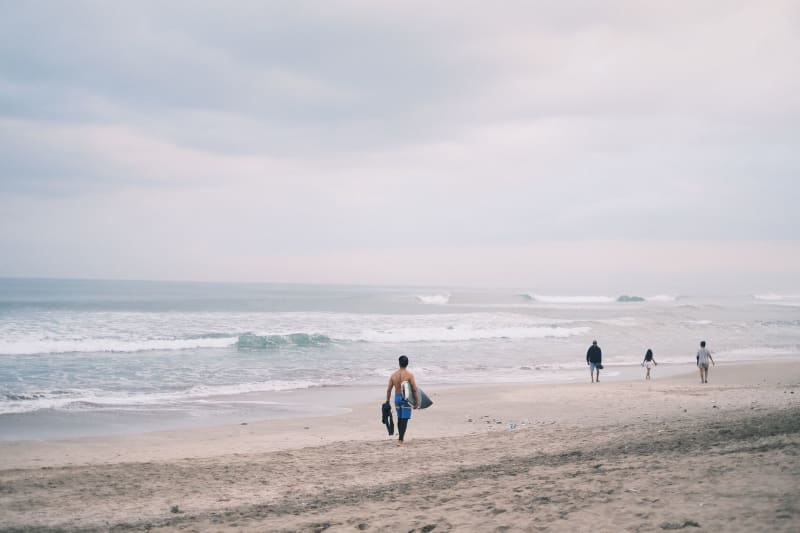 bali
bali Canggu
A surf village that became a digital nomad hub before anyone agreed that was what was happening — rice paddies and laptop cafés in the same eyeline.
Explore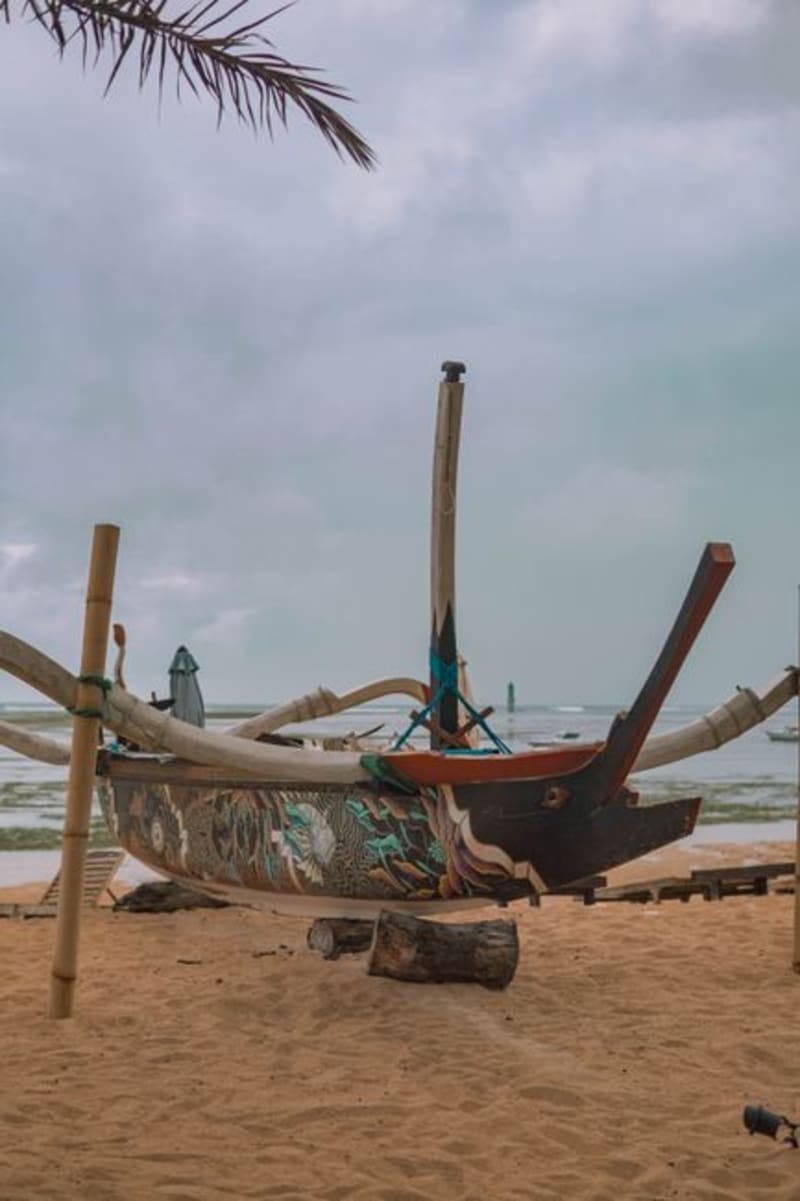 bali
bali Lovina
A string of black-sand fishing villages on Bali's quiet north coast, where outrigger boats slip out at dawn to find wild dolphins.
Explore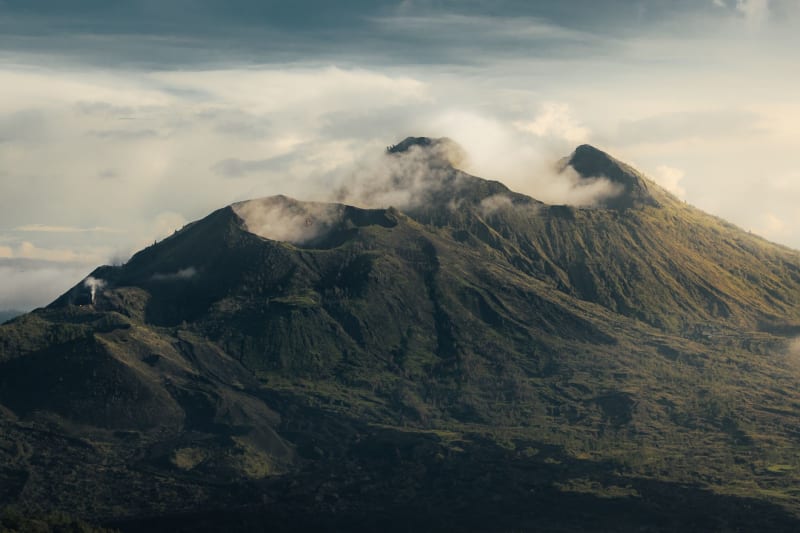 bali
bali Mount Batur
An active volcano rising from a vast ancient caldera in Bali's highlands — the sunrise trek is genuinely hard and genuinely worth it.
Explore bali
bali Munduk
A cool clove-scented mountain village in Bali's north, where Dutch colonial bungalows look out over coffee terraces, twin crater lakes and a string of jungle waterfalls.
Explore