Asia
Bali
"The only place I've watched a sunrise and felt like the island was watching back."
An island where the rice terraces are still farmed by hand and every ceremony is an invitation you didn't know you had.

I arrived in Ubud at dusk, jet-lagged and disoriented, and a procession blocked the road — women in white lace carrying offerings on their heads, gamelan music vibrating through the taxi window, incense smoke drifting between the warung stalls. No one moved the car because no one questioned that the ceremony had the right of way. That was my first lesson: Bali does not accommodate your schedule.
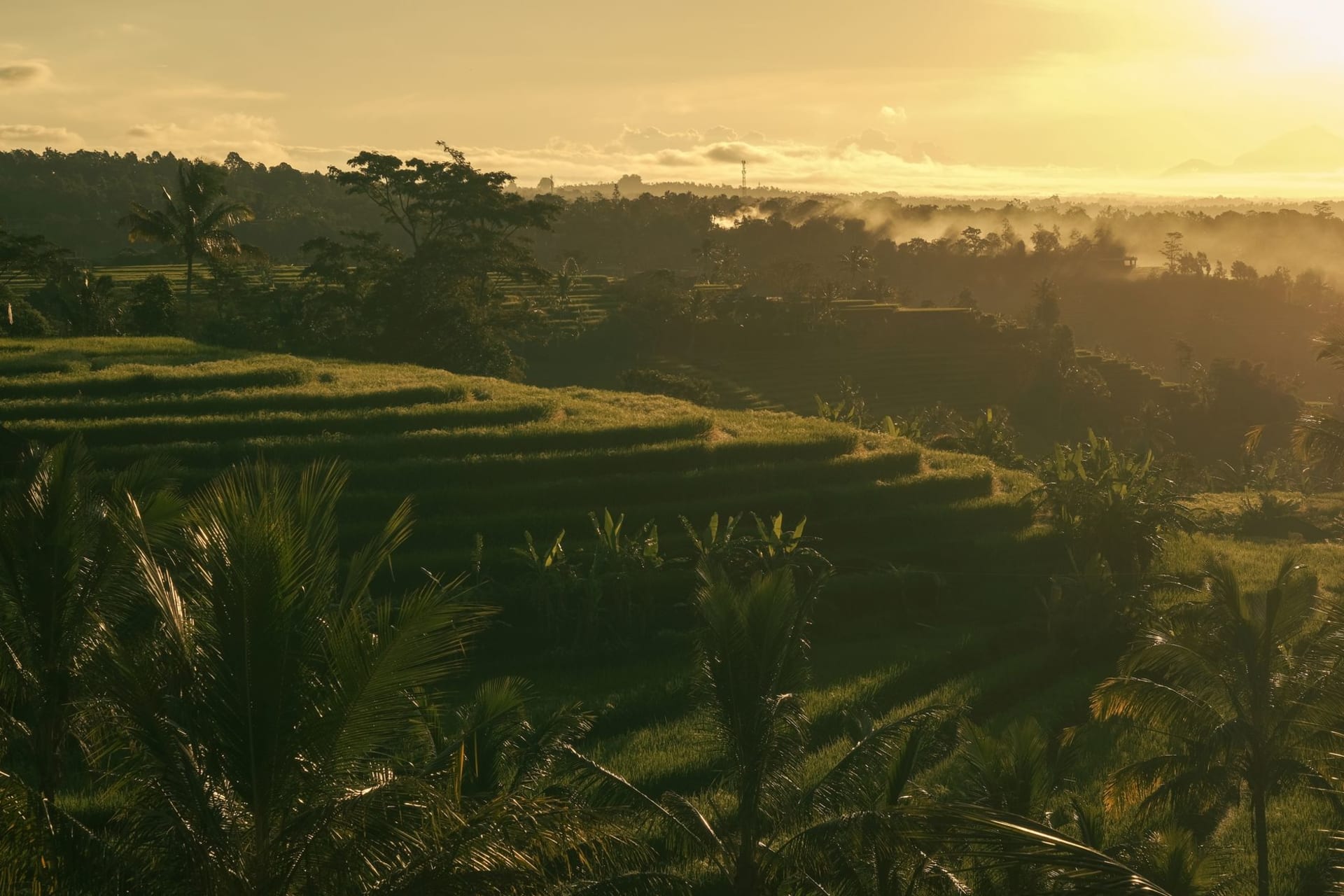
The terraced rice fields of Tegalalang are on every Instagram account, and yes, they are real and they are that beautiful, but the version that matters is not the one with the tourist viewing platforms. Rent a scooter before dawn and follow the narrow paths out of Ubud toward Kintamani or down to Tirta Gangga in the east. The subak irrigation system — a UNESCO-recognized water temple network managed by village priests — has kept these landscapes alive for a thousand years. Each terrace connects to a spiritual hierarchy that determines exactly when water flows and who receives it. The farming is not picturesque by accident; it is picturesque because it is sacred.
The food is the other thing the postcard version misses. Babi guling — spit-roasted suckling pig seasoned with turmeric, galangal, and a spice paste that takes hours to prepare — is technically everywhere but honest only in a few places. Warung Ibu Oka in Ubud is the famous one, justifiably. But the real education is in nasi campur: a plate assembled by whoever is cooking that day, rice in the center surrounded by whatever is ready, and the quality tells you everything about where you are eating. A good nasi campur in a family warung in Sidemen costs less than a coffee in Canggu and contains more flavor than anything you will eat in Seminyak.
When to go: April to October is the dry season and the reliable choice — warm, low humidity, clear skies over Mount Agung. July and August are peak crowd months. May, June, and September hit the same weather with far fewer people. Avoid the wet season (November to March) unless you specifically want empty temples and half-price villas during a monsoon.
What most guides get wrong: They treat Bali as a beach destination with a spiritual side trip. It is the opposite. The coast — especially Kuta, Seminyak, and the Bukit — is fine but not what makes Bali worth crossing a continent to reach. The island earns its reputation in the highlands: in the rice paddies at six in the morning, in the temple ceremonies that happen whether tourists show up or not, in the silence of a forest outside a village that has been practicing the same rituals since before Europe had cathedrals. Go for that first, and treat the beach as the thing you do when your legs give out.
Explore
Places in Bali
 bali
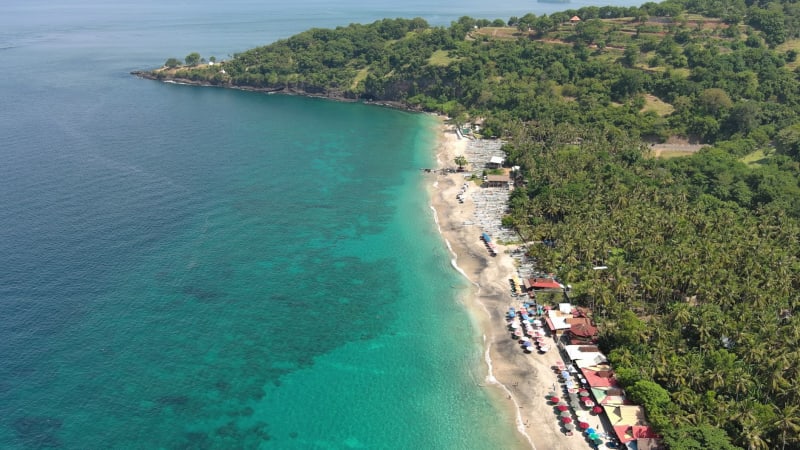
bali Amed
A string of fishing villages on Bali's northeast coast where the sea is impossibly clear, the sand is black, and the WWII shipwreck is just offshore.
Explore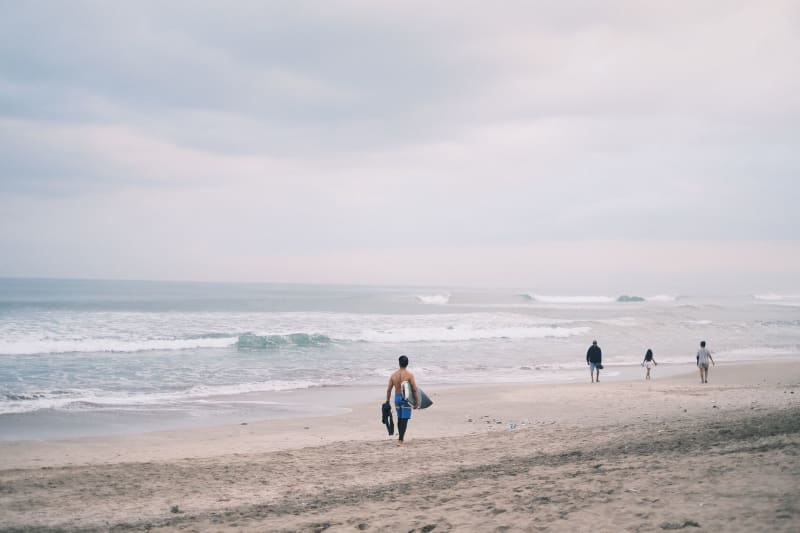 bali
bali Canggu
A surf village that became a digital nomad hub before anyone agreed that was what was happening — rice paddies and laptop cafés in the same eyeline.
Explore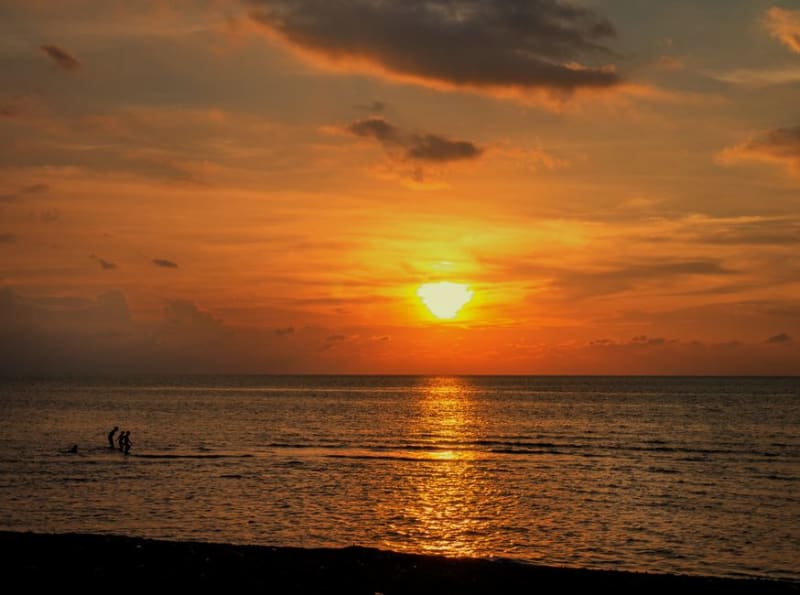 bali
bali Lovina
A string of black-sand fishing villages on Bali's quiet north coast, where outrigger boats slip out at dawn to find wild dolphins.
Explore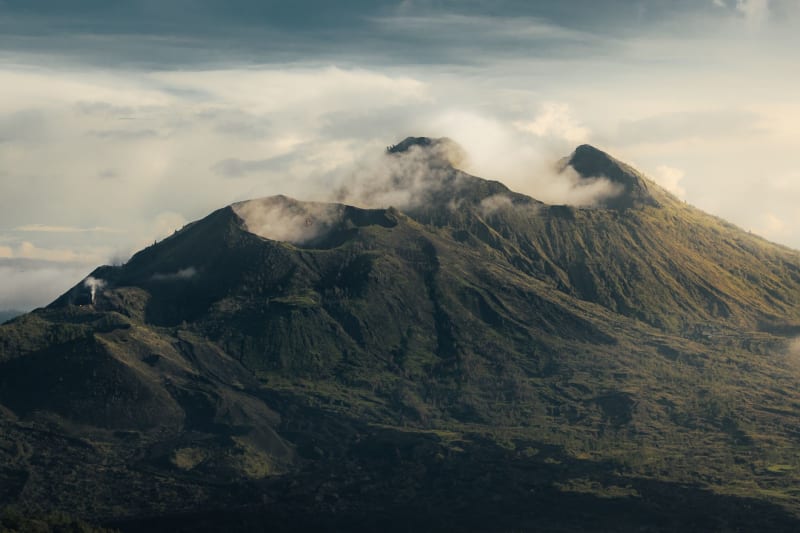 bali
bali Mount Batur
An active volcano rising from a vast ancient caldera in Bali's highlands — the sunrise trek is genuinely hard and genuinely worth it.
Explore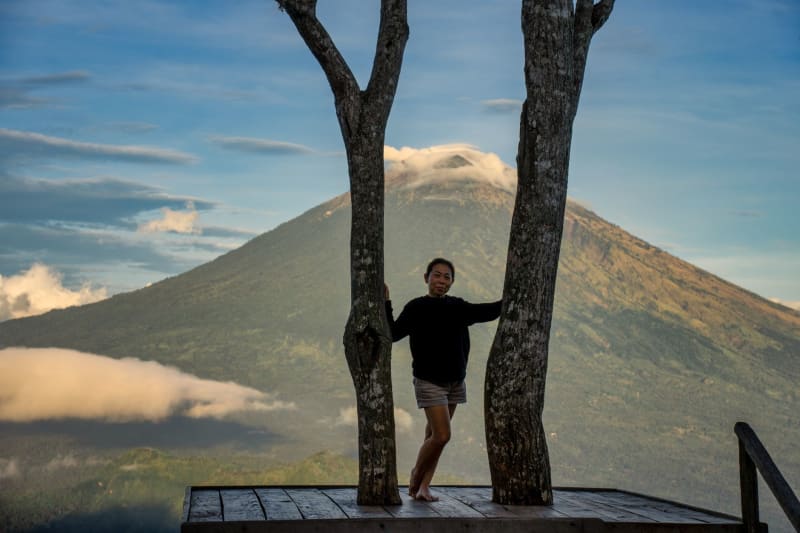 bali
bali Munduk
A cool clove-scented mountain village in Bali's north, where Dutch colonial bungalows look out over coffee terraces, twin crater lakes and a string of jungle waterfalls.
Explore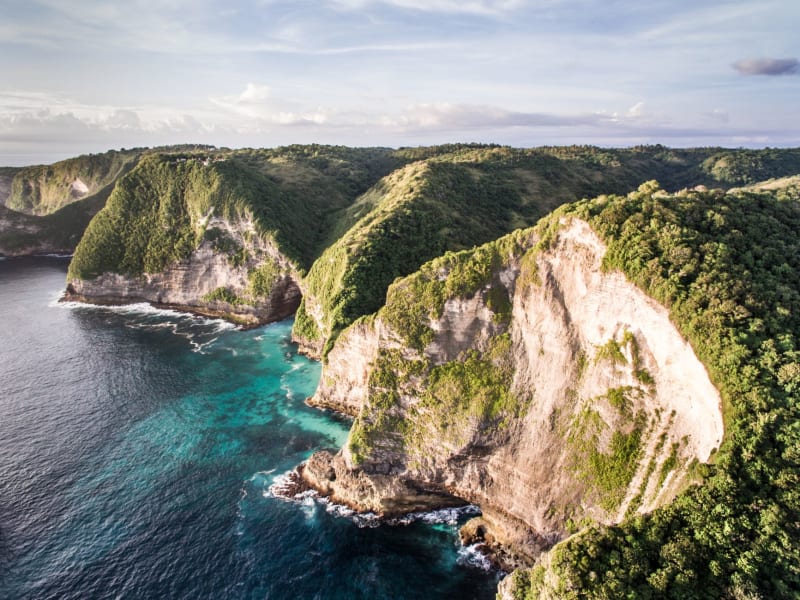 bali
bali Nusa Penida
The wild island southeast of Bali with cliffs that drop straight into turquoise nothing and roads that remind you this place was not built for tourists.
Explore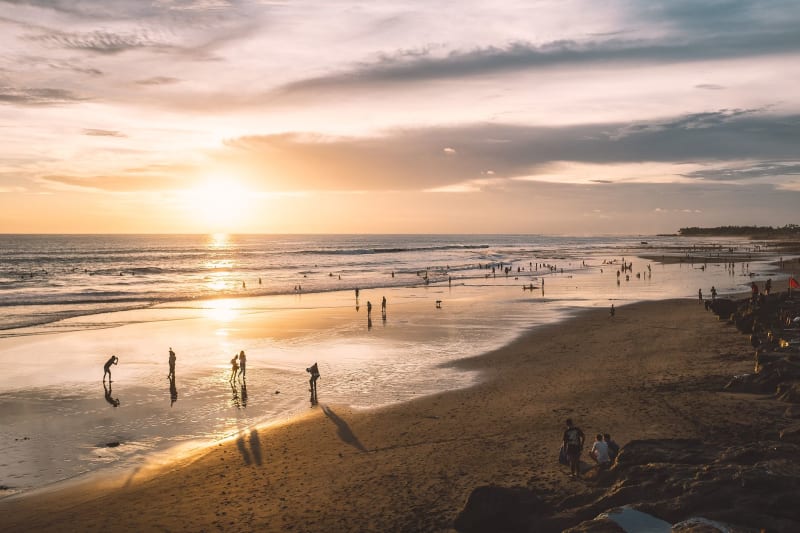 bali
bali Seminyak
Bali's most polished beach strip, where the sunsets are genuinely spectacular and the restaurants have decided not to apologise for being good.
Explore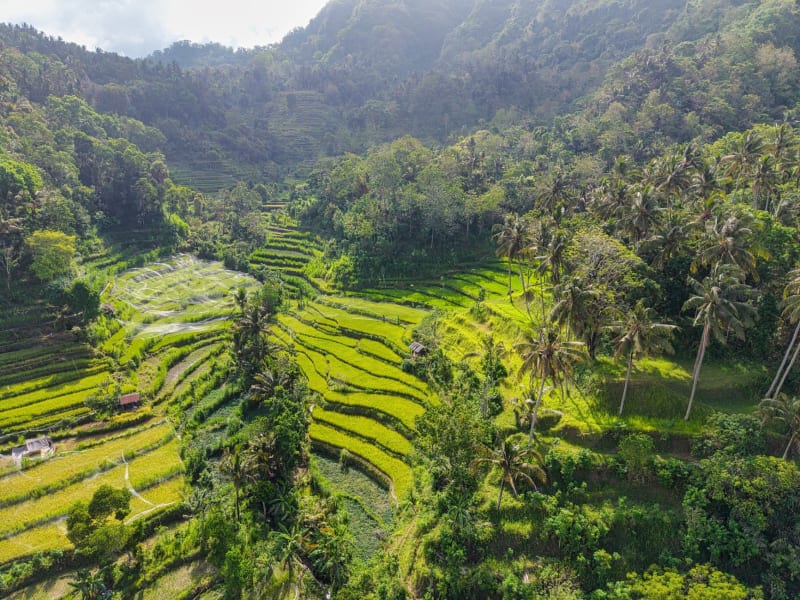 bali
bali Sidemen
A hidden valley in east Bali that most visitors drive past — rice terraces worked by hand, a weaving tradition older than the tourism industry, and Agung when the clouds allow.
Explore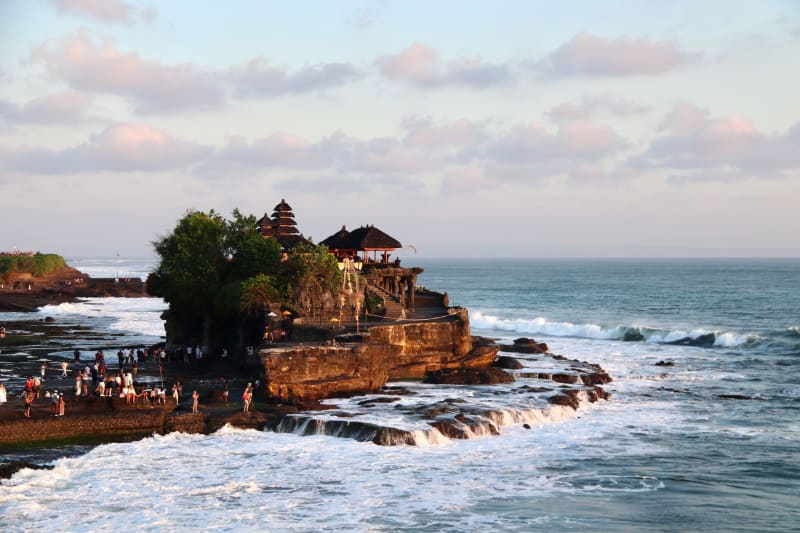 bali
bali Tanah Lot
The sea temple on a black rock at the edge of the Indian Ocean — arrived at the wrong time by every tourist and the right time by the priests.
Explore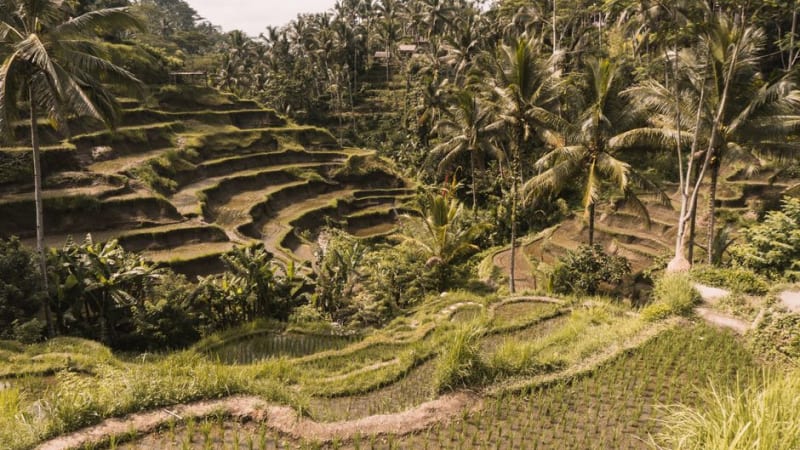 bali
bali Tegalalang Rice Terrace
Emerald paddies cascading down a river valley north of Ubud, carved by a nine-century-old cooperative irrigation system.
Explore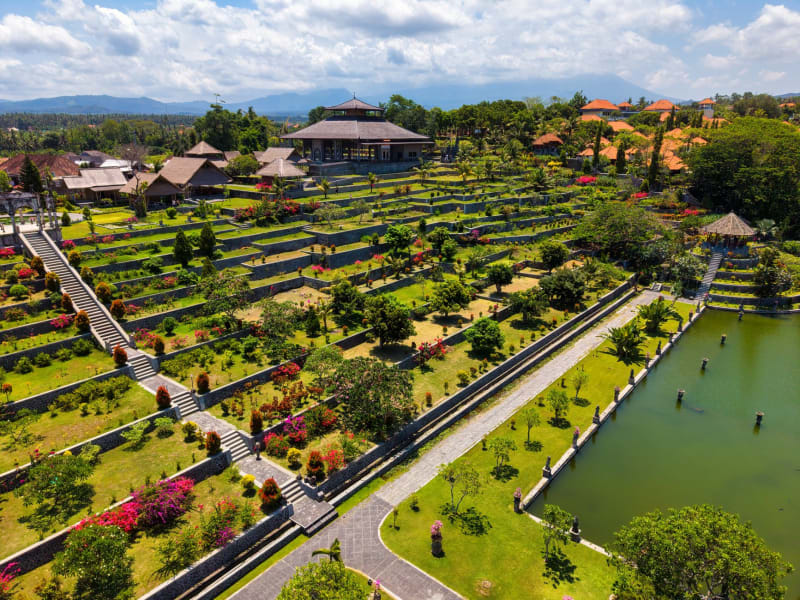 bali
bali Tirta Gangga
A royal water palace and rice terrace landscape in east Bali that feels like the island distilled into a single, unhurried afternoon.
Explore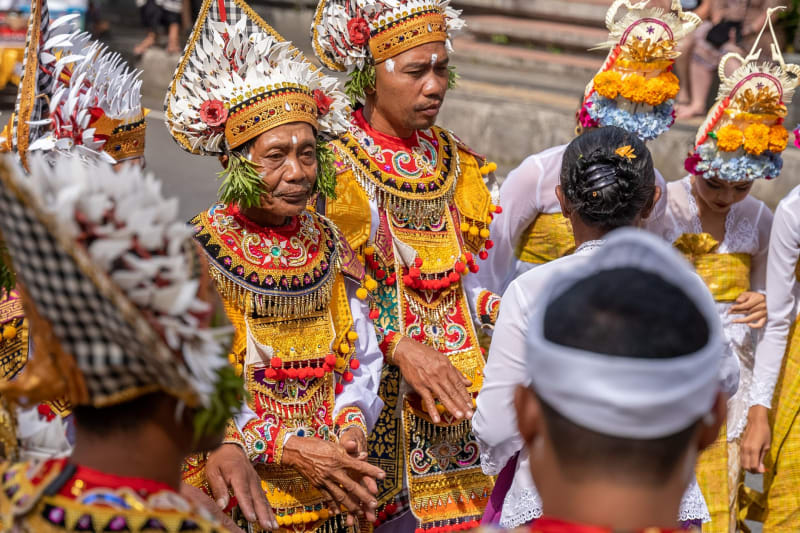 bali
bali Ubud
Bali's cultural core, where rice paddies press in from every direction and ceremonies happen on a calendar you will never fully decode.
Explore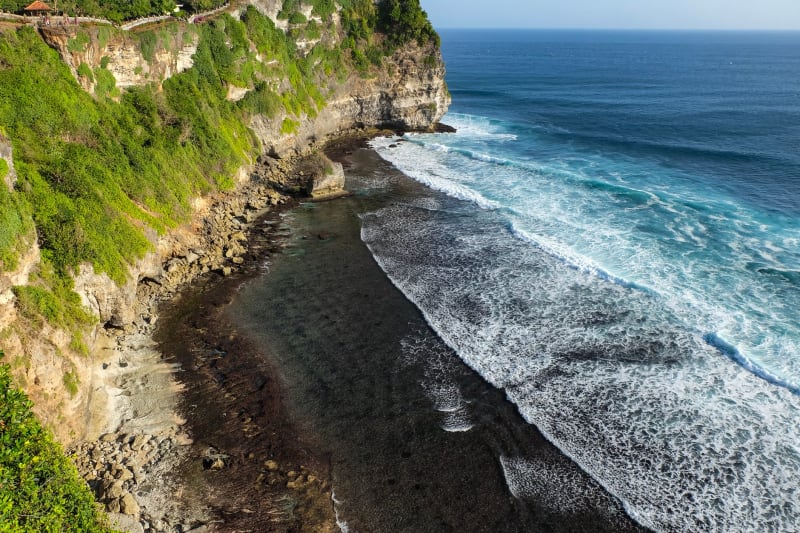 bali
bali Uluwatu
A clifftop temple at the southern tip of Bali where the Indian Ocean appears below you all at once and the surf breaks are the best on the island.
Explore