A walled Mallorcan town where Roman ruins, medieval gates, and a wetland reserve sit quietly behind the resort strip's noise.
We almost skipped Alcúdia. Everything we’d read online made it sound like just another Mallorcan resort strip, all sunburned tourists and beach bars, and honestly the drive in past Platja d’Alcúdia’s hotel blocks did nothing to change my mind. But then we crossed into the old town through Porta de Sant Sebastià, and the noise just dropped away. Lia grabbed my arm and said “wait, this is real,” and I got it immediately: behind the modern strip is a genuinely walled town, fortifications built in the 14th century after King Jaume II refounded the place, still standing in full loops around the old quarter. We ended up parking the car and not touching it again for two days.
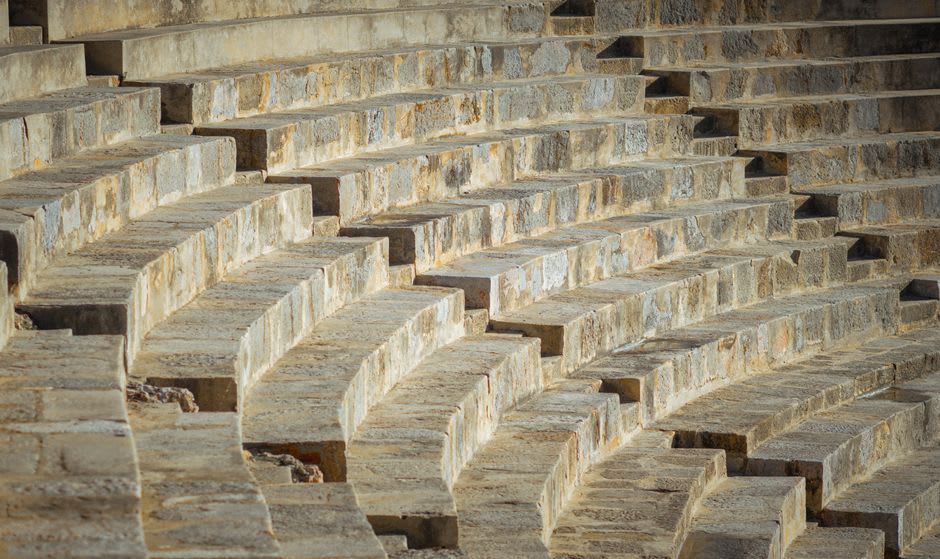
Our first proper afternoon we walked the ramparts near the harbor gate, Porta del Moll, at that low golden hour when the stone goes amber. I’d read that Alcúdia sits on top of the Roman city of Pollentia, founded around 70 BC, and I’ll admit I expected some fenced-off plaque and not much else. I was wrong. The excavated forum and amphitheater just outside the walls are properly there to wander, and standing in that half-circle of stone seats with almost nobody else around, I could picture actual crowds two thousand years ago in the exact spot where I was eating a pastry Lia had bought that morning.
The old town itself is the kind of place that rewards having nowhere to be. We got lost, on purpose, in the cobbled streets around the Gothic church of Sant Jaume, ducking into a tiny bar for cold cava and jamón that we ate standing at a barrel table because every seat was taken. Lia kept stopping to photograph the flower pots on the balconies, which I teased her about until I found myself doing the same thing twenty minutes later. It’s a strange, good contrast: this dense, ancient, walled core, and then a five-minute drive south into the full modern resort energy of the beach strip, like two different towns sharing a name.
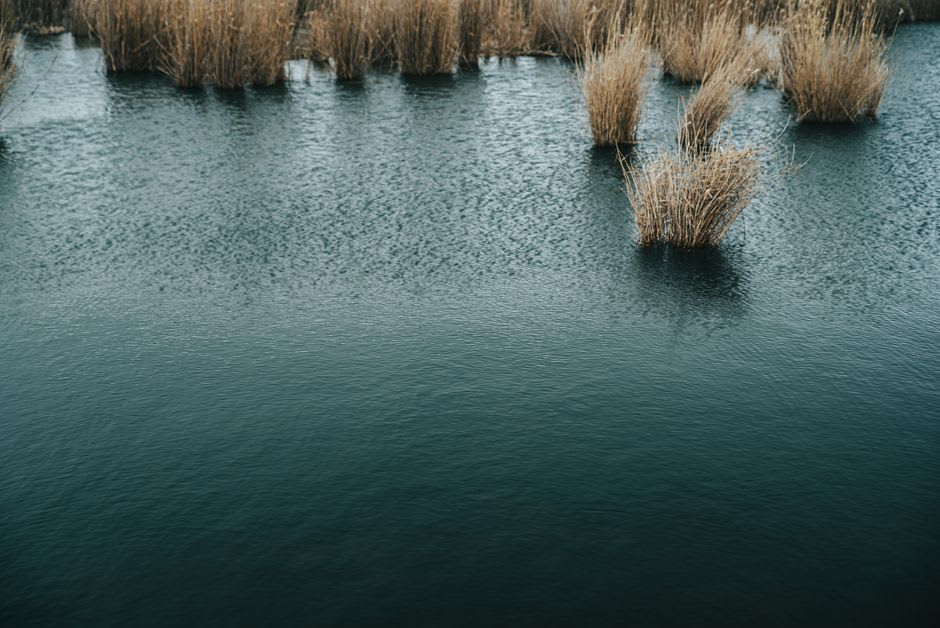
On our last morning we drove out to S’Albufera, Mallorca’s largest protected wetland since 1988, mostly because Lia is the kind of person who packs binoculars on every trip whether or not birds are the plan. We saw herons, and something Lia insisted was a purple swamphen and I still doubt was actually purple, and I understood then why Alcúdia’s harbor bay mattered historically for trade and salt production long before anyone was selling sangria on the beachfront. Standing at the edge of that reed-lined water with the old town’s silhouette behind us, walls and wetland and Roman stone all within walking distance of each other, it felt like the whole layered history of the place clicked into place at once.
When to go: We’d point you toward May, June, or September, when the beaches are warm without the crush of July crowds and the old town streets are still walkable at midday. If birdwatching at S’Albufera is part of the plan, spring is when the wetland is at its liveliest.
Keep exploring
More from Balearic Islands
 balearic-islands
 Cala Macarella
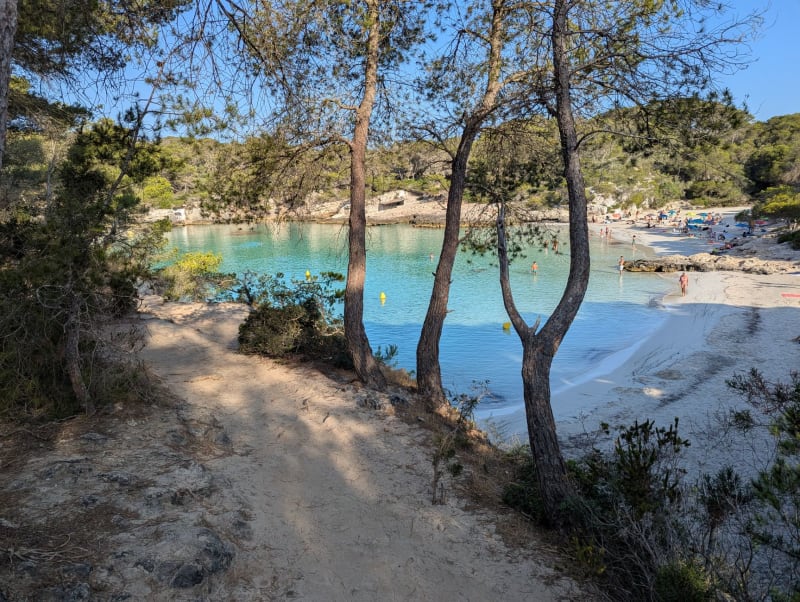
The cove on Menorca's south coast that all the photographs don't quite prepare you for — turquoise, limestone, pine, and no road that can drive you there directly.
Explore balearic-islands
 Cap de Formentor
Mallorca's sharpest edge — a lighthouse road that hangs between mountain and open sea at the very tip of the island.
Explore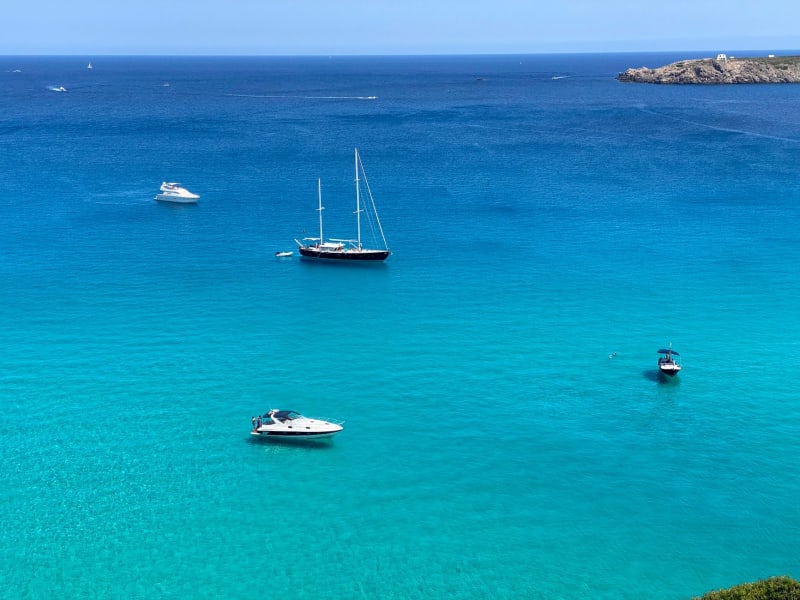 balearic-islands
 Ciutadella de Menorca
Menorca's medieval old capital on the western tip, where the harbor smells of fish and festival horses still gallop through narrow streets each June.
Explore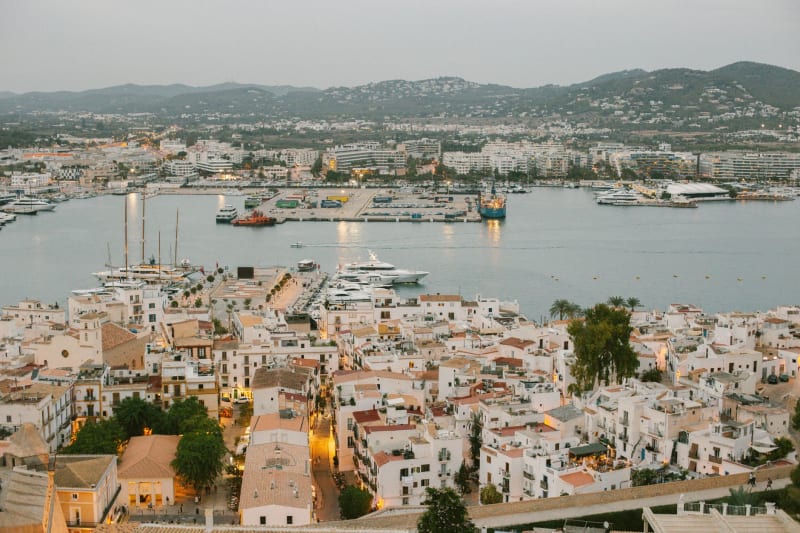 balearic-islands
 Dalt Vila
Ibiza's UNESCO-listed hilltop walled city, built over two millennia of conquests, and still improbably quiet once you pass through the gate.
Explore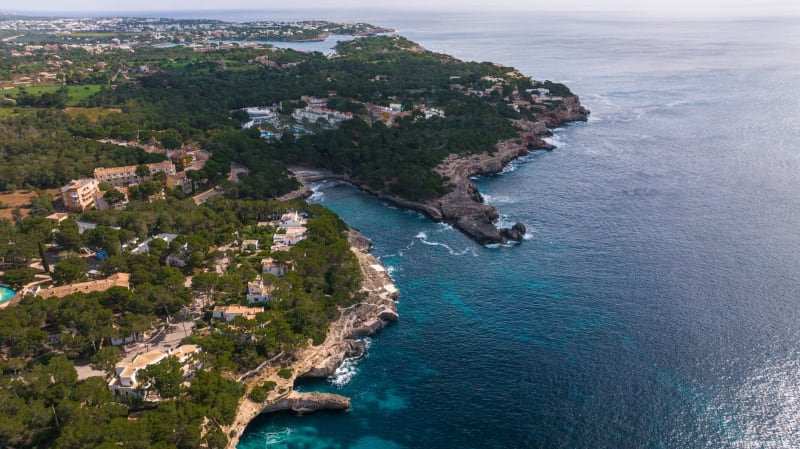 balearic-islands
 Deià
A stone village plastered to a Tramuntana cliff where Robert Graves lived for forty years — and you can still understand exactly why he stayed.
Explore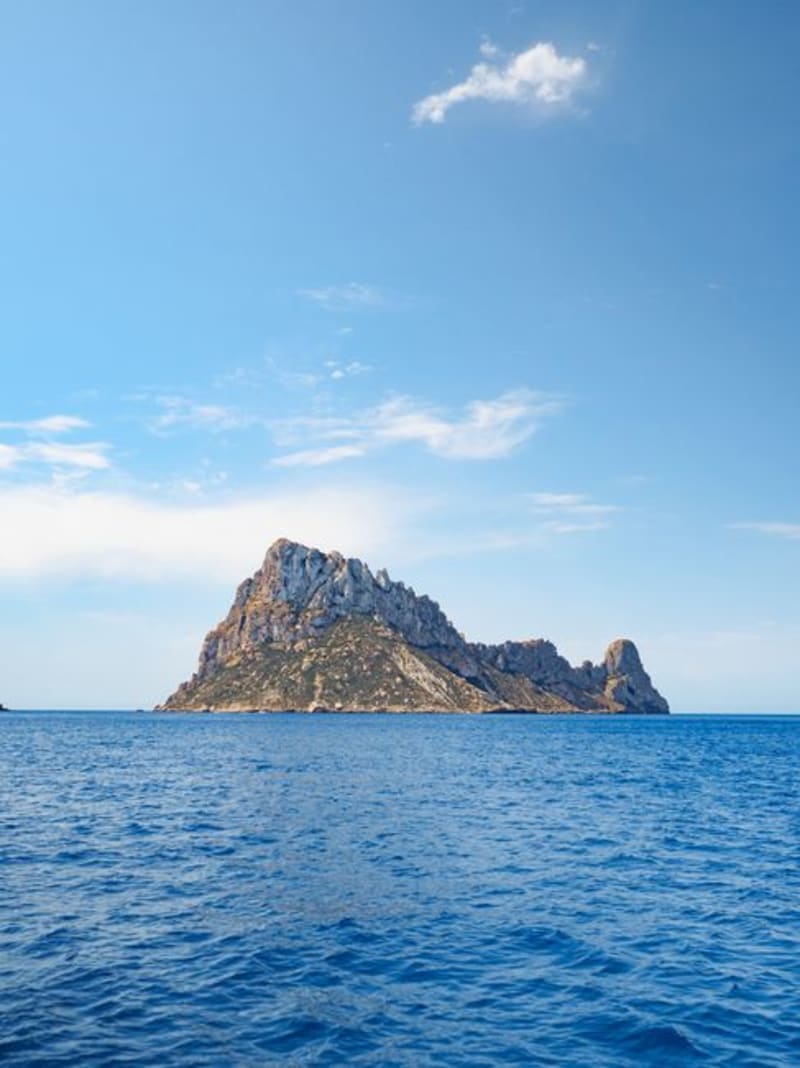 balearic-islands
 Es Vedrà
A 382-meter limestone islet off Ibiza wrapped in myth, falcons, and feral goats, best watched from Cala d'Hort as the sun drops behind it.
Explore