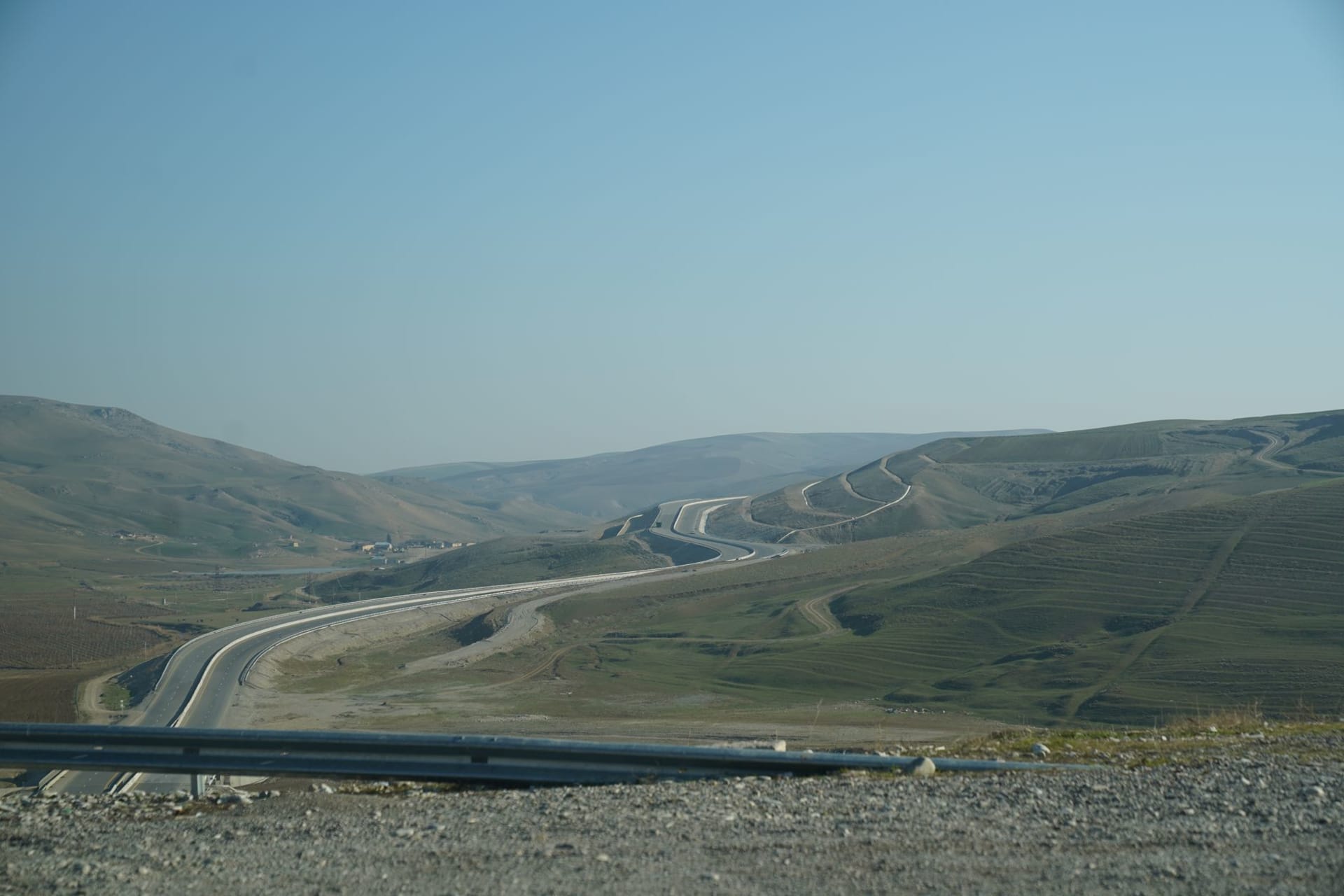
Lankaran
"South Azerbaijan feels like a different country — warmer, wetter, the food entirely its own thing."
A subtropical port city on the Caspian near the Iranian border where tea grows on hillsides, Talysh cooking rewrites what you thought Azerbaijani food was, and the air smells of citrus and damp earth.

Lankaran doesn’t fit the image of Azerbaijan that accumulates in Baku — the oil-money architecture, the wind-stripped steppe, the arid Caucasus foothills. It’s subtropical here. The Talysh mountains catch the moisture coming off the Caspian, and the result is a narrow coastal strip where tea grows on terraced hillsides, citrus trees crowd garden walls, and the air in late spring has a density to it, a green-scented weight, that makes you feel you’ve crossed an invisible frontier. Which, in a way, you have.
The Talysh Table
The Talysh people have lived in this corner of the South Caucasus for millennia, and their food is distinct enough from mainstream Azerbaijani cuisine that ordering by pointing at what other tables have is the only reliable strategy in the local restaurants around the bazaar. Lülyə kebab exists here, yes, but so does lavaşana, a sour plum leather used as a souring agent in stews; and kükü, an herb-dense egg dish related to Persian kuku sabzi; and a local rice preparation with a crust so thick and golden it arrives at the table standing on its own.
I had the best fish I ate in Azerbaijan here: kutum, a Caspian species, grilled over charcoal with nothing more than lemon and dried herbs. The smell reached me before the plate did. Lia, who doesn’t eat much meat, was happier in Lankaran than anywhere else on the trip — the herb-forward cooking suited her.
Into Hirkan
The Hirkan National Park begins almost immediately south of town, climbing through one of the world’s few remaining patches of temperate rainforest. The Hyrcanian forests — stretching from here into northern Iran — are a UNESCO site, ancient enough to have survived the last Ice Age. Which means you’re walking among tree species that predate the glaciers: Persian ironwood, Caucasian persimmon, velvet maple.
The trails are not heavily managed. I hired a local guide through the park office — a lean man in his fifties who walked with the efficient economy of someone who had been doing it for decades — and we spent four hours in the forest. The canopy was thick enough to reduce the midday light to something ambient and diffuse. The smell was loam and moss and the faint sweetness of old wood. We saw nothing dramatic — no leopards, which theoretically exist here — but the scale of the trees made drama feel beside the point.
Border Town Rhythms
Lankaran sits close enough to the Iranian border that the influence is ambient: the food, the carpet patterns, the Talysh language itself (related to Persian), the way Friday afternoon closes the bazaar with a quiet that feels deliberate. The town center along the Caspian is pleasant in the way of secondary cities that have escaped renovation — old Russian colonial buildings painted in faded greens and yellows, a lighthouse that marks nothing anymore, fishermen who work the shore at dawn with nets and a practiced indifference to tourists.
I walked the esplanade at dusk and watched the Caspian go orange and then dark. A man was selling pomegranate juice from a cart. I bought a cup and stood there finishing it while the lights came on across the water, and felt I was somewhere that hadn’t been made legible for people like me, which is usually where I most want to be.
When to go: April through June for the green season and mild heat. October for autumn colors in Hirkan. July and August are hot and humid on the coast; the national park is still worth it but bring water. Avoid January and February — the Talysh mountains can get significant snow and road access into the park becomes unreliable.
Keep exploring
More from Azerbaijan
 azerbaijan
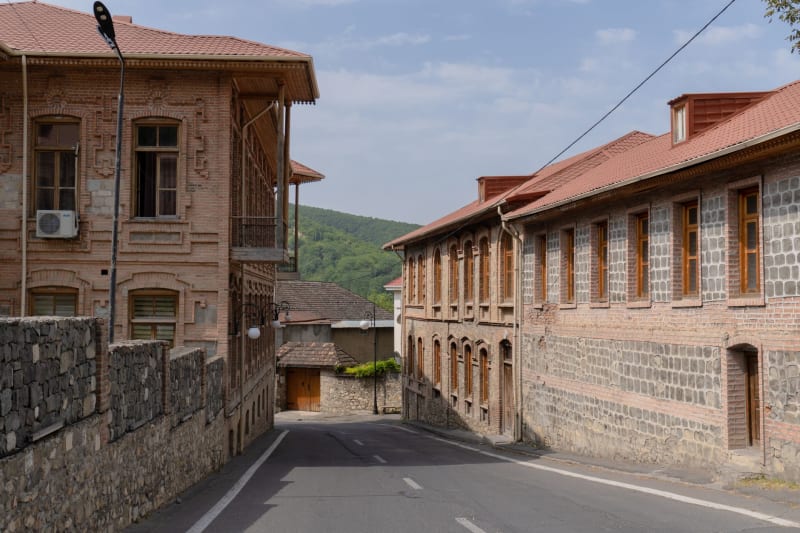
 Nakhchivan
Azerbaijan's landlocked exclave — bordered by Armenia, Iran, and Turkey but cut off from the mainland — contains some of the Caucasus's most ancient monuments and a distinctly self-reliant character shaped by decades of blockade.
Explore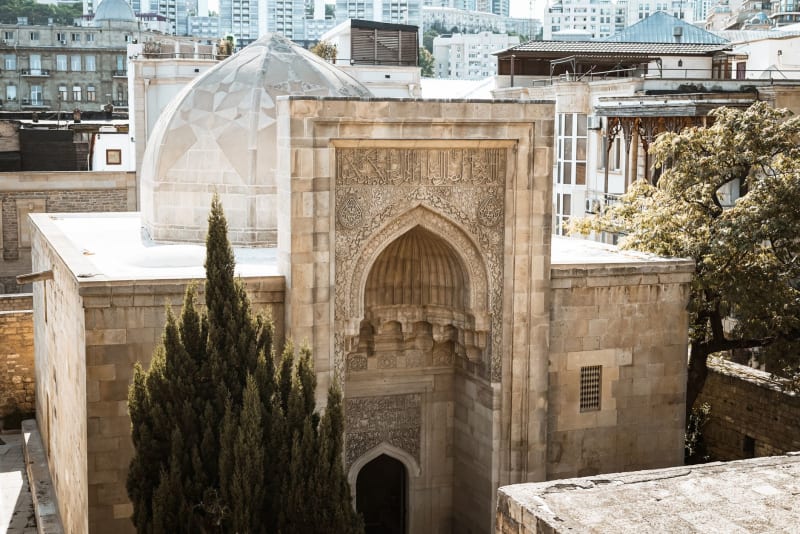 azerbaijan
 Quba
A carpet-weaving mountain town in northern Azerbaijan famous for its apple orchards, the extraordinary Jewish village across the river, and trails pushing toward the high Caucasus.
Explore azerbaijan
 Shamakhi
An ancient Silk Road capital perched on earthquake-prone hillsides in Azerbaijan's emerging wine country, where vineyards planted with the indigenous Madrasa grape surround one of the Caucasus's oldest surviving mosques.
Explore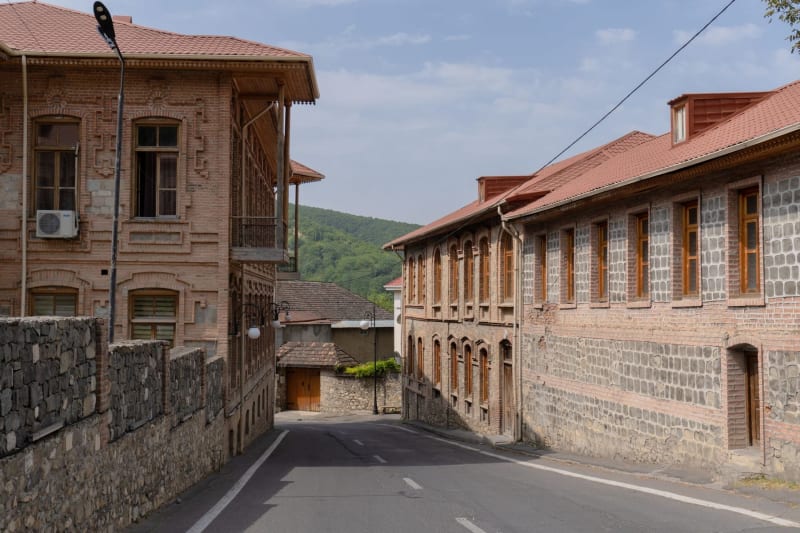 azerbaijan
 Sheki
A Silk Road gem in the Caucasus foothills, famous for its Khan's Palace of intricate shebeke stained glass.
Explore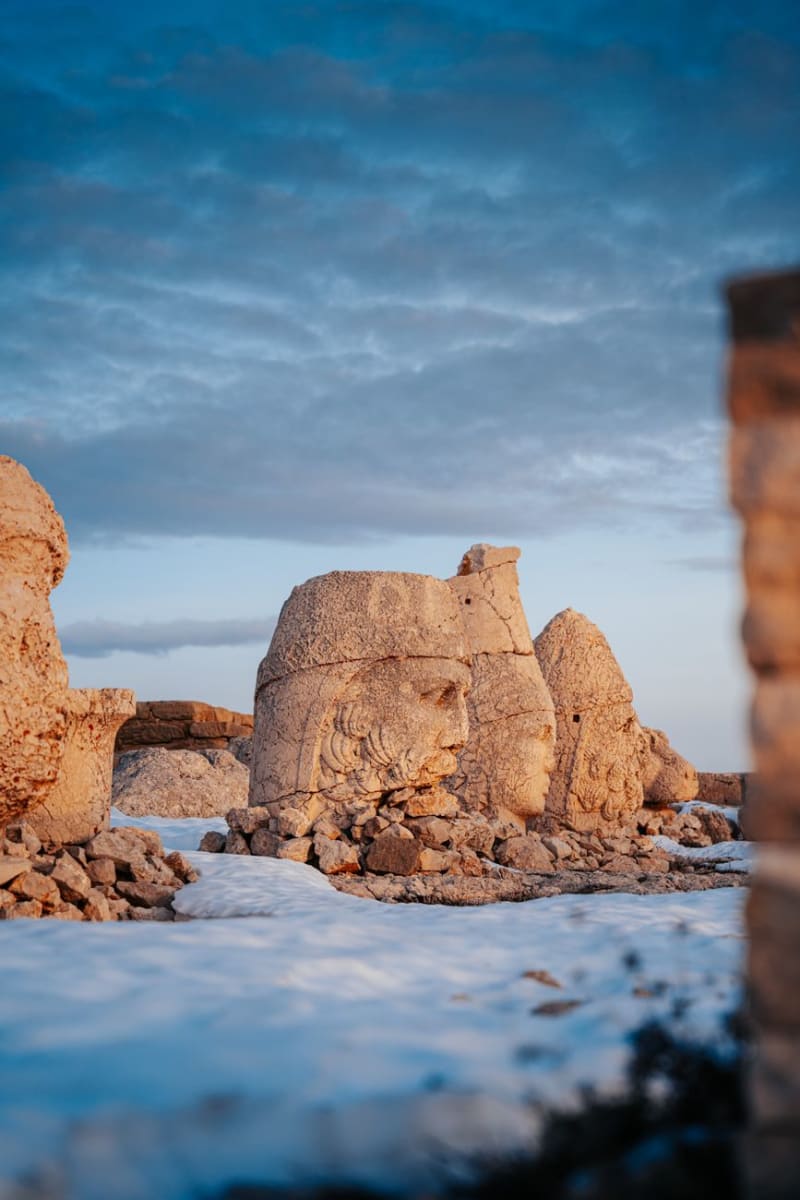 azerbaijan
 Yanar Dag
A hillside on the Absheron peninsula where natural gas has kept a wall of flame burning out of the bare earth for as long as anyone can remember.
Explore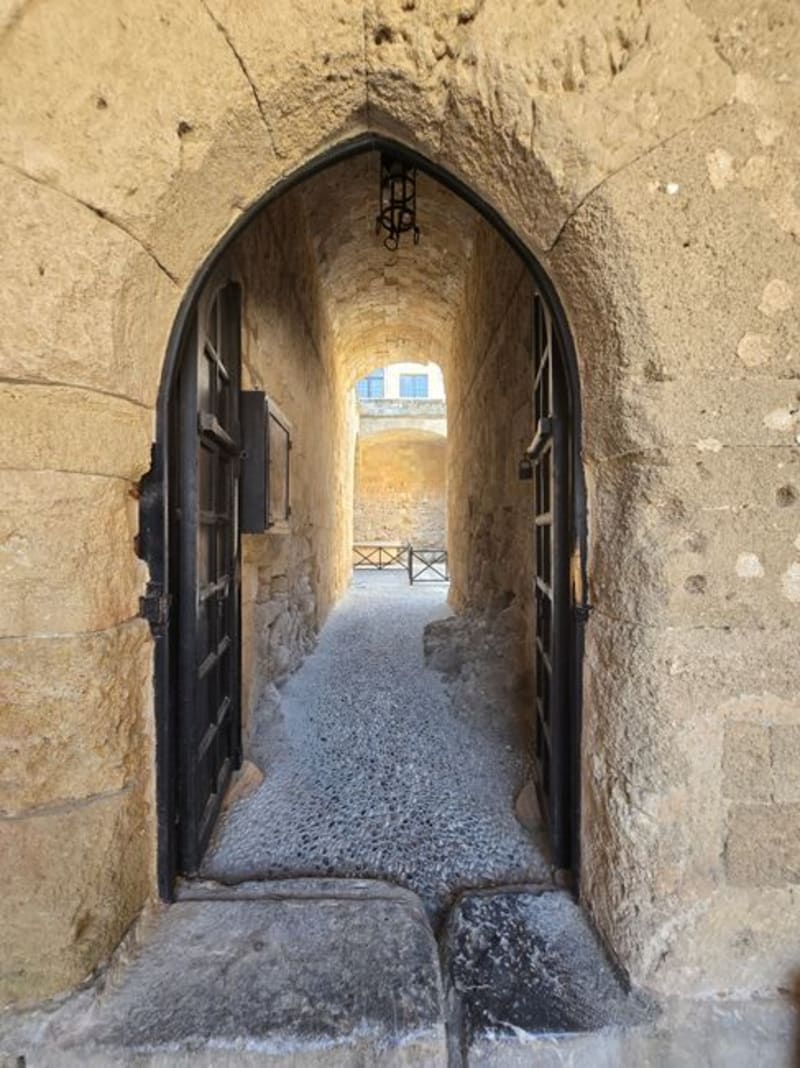 azerbaijan
 Ateshgah Fire Temple (Surakhani)
A pentagonal fire-worship temple outside Baku where traders once prayed beside flames that burned straight out of the earth.
Explore