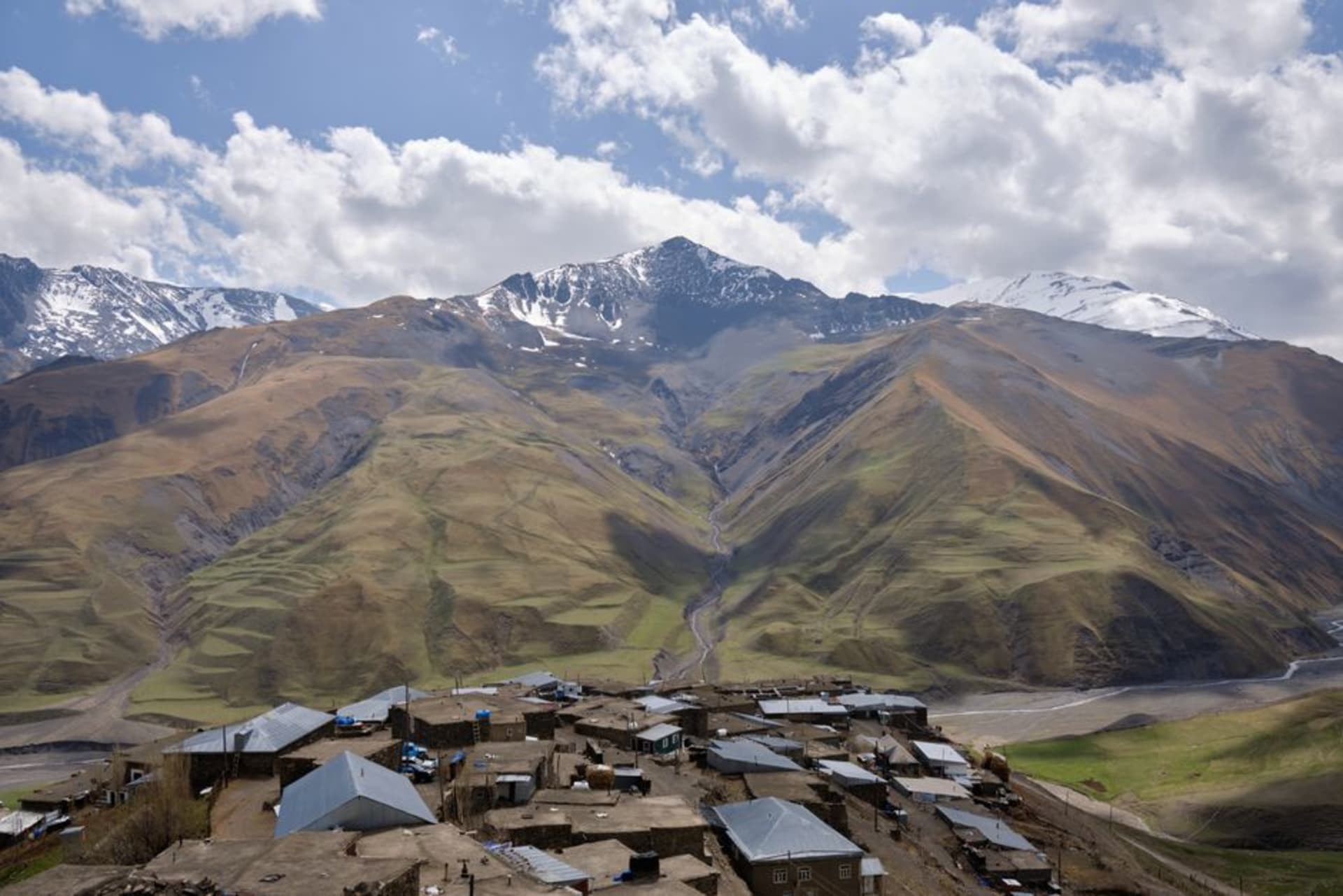
Khinalug (Xinaliq)
"Some places don't feel remote. Khinalug feels like the edge of the map, and I mean that as the highest compliment I can give."
A stone village clinging to the Caucasus at 2,300 meters, where a language spoken by no one else on earth still fills the streets.
Lia and I had been warned about the road before we’d even left Quba. “Two hours, maybe three, depending on the river crossings,” our driver said, gripping the wheel of his battered old Lada like it owed him money. The unpaved track climbs and switchbacks for nearly an hour longer than the distance suggests, clinging to cliff edges with nothing but a shepherd’s instinct keeping the wheels on gravel. I white-knuckled the door handle more than once. But when the village finally appeared above us, a cluster of flat-roofed stone houses stacked one on top of another like a hive built into the mountainside, I stopped caring about the drive entirely. This is, by most counts, one of the highest continuously inhabited villages in Europe, and you feel every meter of that altitude the second you step out of the car and your lungs ask you to slow down.
What struck me most wasn’t the elevation, though — it was the sound of the place. Wandering the narrow lanes between houses, I kept catching fragments of conversation in a language I couldn’t place at all, not a word of it echoing anything I’d heard elsewhere in the Caucasus. I later learned this is Khinalug, a language isolate spoken by only a few thousand people in this one village and nowhere else on the planet, unrelated to Azeri, Georgian, or any of the neighboring Caucasian tongues. It went unwritten until the Soviet era gave it an alphabet. Standing in the village square listening to two old men argue good-naturedly over the price of a lamb, I had the strange, humbling feeling of eavesdropping on something that exists in exactly one place in the entire world.
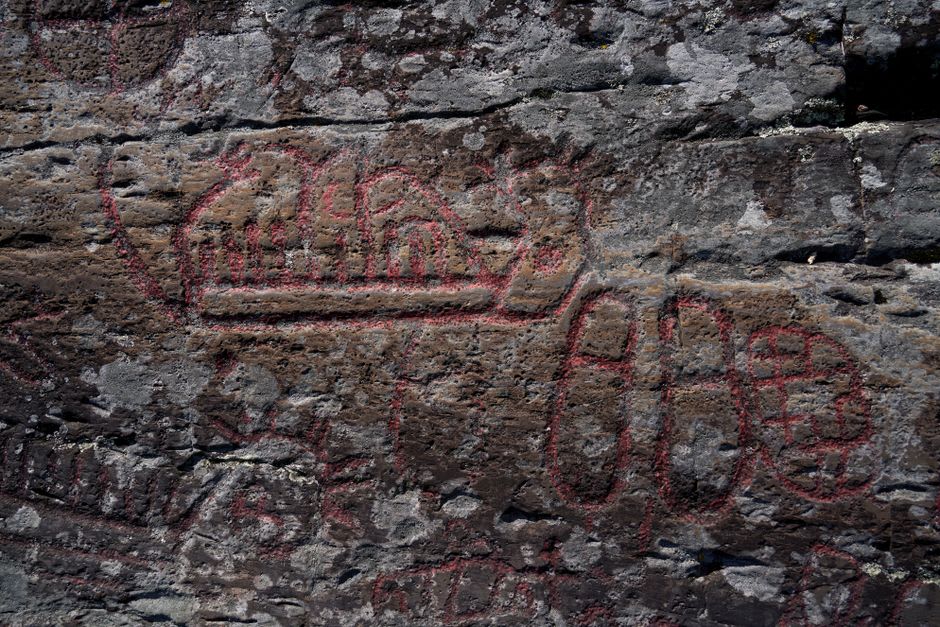
We spent an afternoon hiking up past the last houses toward the petroglyphs carved into the rock above the village, guided loosely by a teenage boy who’d offered to show us the way for a few manat. He pointed out figures scratched into the stone that archaeologists believe are thousands of years old, evidence that people have lived on this exact patch of mountainside for over five millennia, long before Khinalug sat at the crossroads of trans-Caucasus trade and shepherd migration routes. Lia crouched by one of the panels for a long time, tracing the outline of what might have been a goat, while I just tried to wrap my head around the timescale — five thousand years of people choosing, again and again, to build their lives at this altitude, in this cold, speaking this one language that belongs to nowhere else.
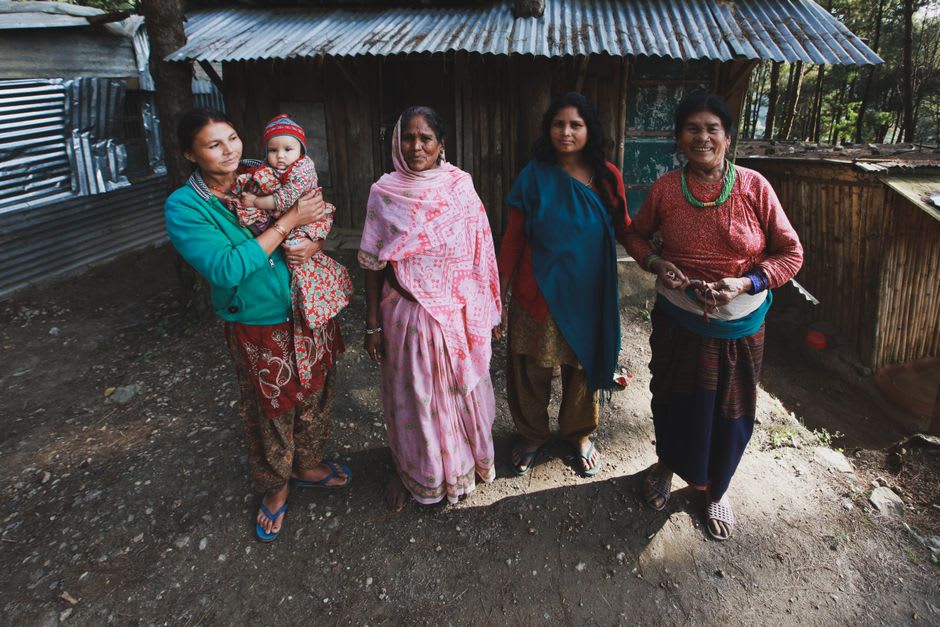
That evening a family took us in for dinner, a thick mutton stew and flatbread baked that morning, served in a room warmed by a squat iron stove because even in summer the nights up there bite. The grandmother spoke no Azeri, only Khinalug, and her granddaughter translated for us with the patient amusement of someone used to bridging two worlds. I remember thinking that this village made Azerbaijan’s tentative UNESCO list back in 2015, and it seemed both obviously deserved and slightly beside the point — the kind of place that doesn’t need a plaque to convince you it’s extraordinary.
When to go: The road from Quba is only reliably passable between June and September, once the snow has cleared; outside that window Khinalug can be cut off from the lowlands entirely, so plan around the season, not just the itinerary.
Keep exploring
More from Azerbaijan
 azerbaijan
 Lahij Village
A medieval cobblestone village in the Caucasus where coppersmiths still work by hand using ancient techniques.
Explore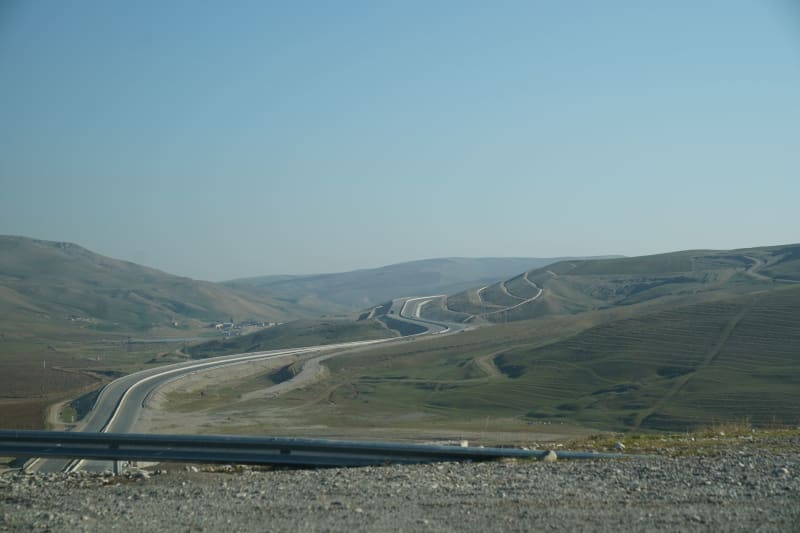 azerbaijan
 Lankaran
A subtropical port city on the Caspian near the Iranian border where tea grows on hillsides, Talysh cooking rewrites what you thought Azerbaijani food was, and the air smells of citrus and damp earth.
Explore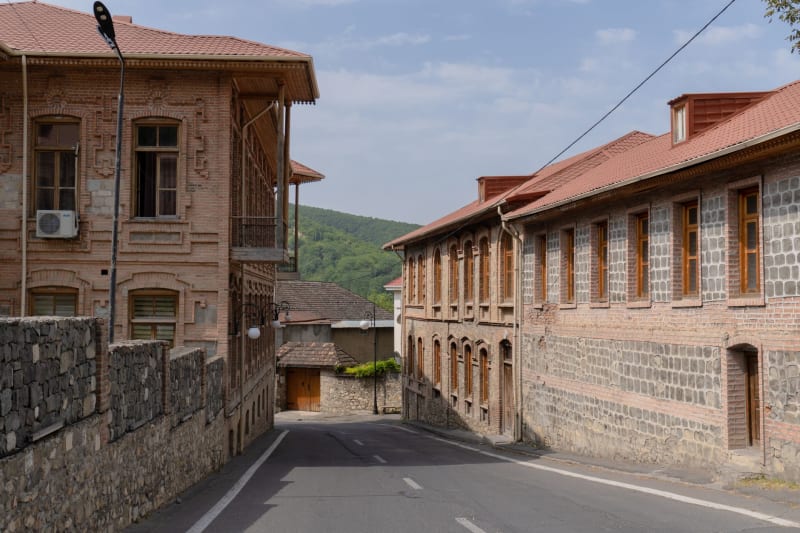 azerbaijan
 Nakhchivan
Azerbaijan's landlocked exclave — bordered by Armenia, Iran, and Turkey but cut off from the mainland — contains some of the Caucasus's most ancient monuments and a distinctly self-reliant character shaped by decades of blockade.
Explore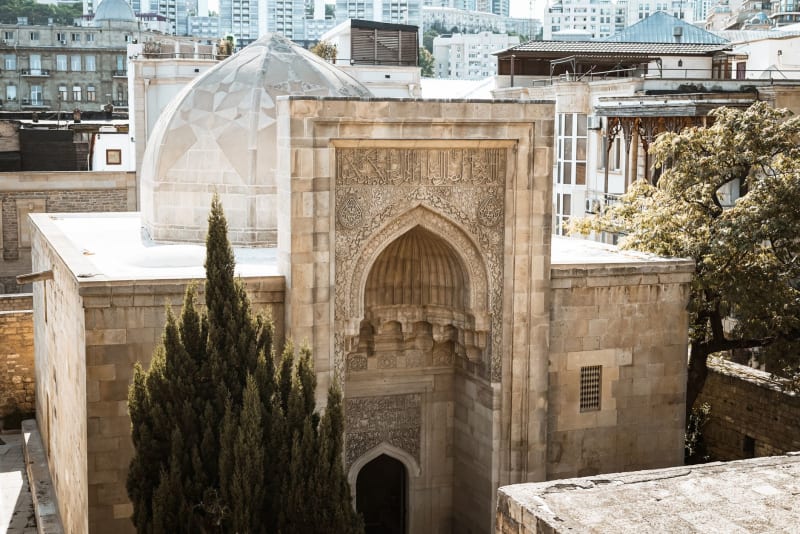 azerbaijan
 Quba
A carpet-weaving mountain town in northern Azerbaijan famous for its apple orchards, the extraordinary Jewish village across the river, and trails pushing toward the high Caucasus.
Explore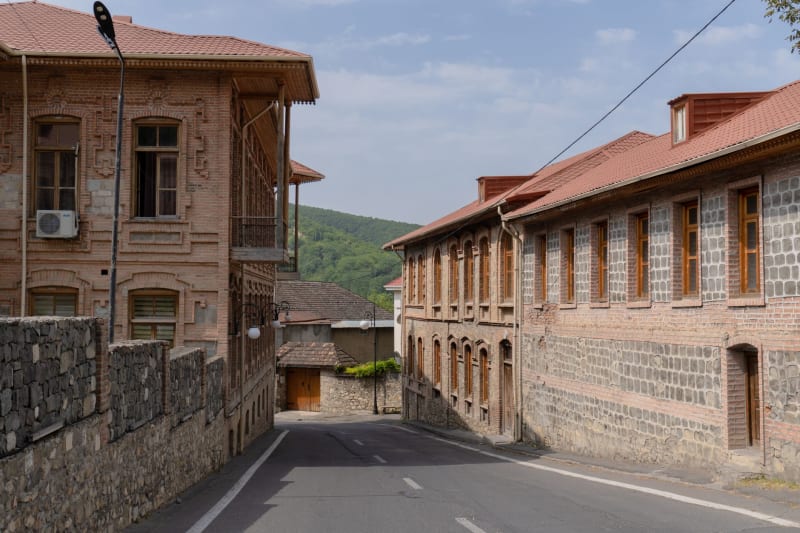 azerbaijan
 Shamakhi
An ancient Silk Road capital perched on earthquake-prone hillsides in Azerbaijan's emerging wine country, where vineyards planted with the indigenous Madrasa grape surround one of the Caucasus's oldest surviving mosques.
Explore azerbaijan
 Sheki
A Silk Road gem in the Caucasus foothills, famous for its Khan's Palace of intricate shebeke stained glass.
Explore