
Toconao
"The stone here is white and it rings when you knock on it. The village sounds like it's made of bells."
A whitestone Atacameño village where a green quebrada cuts through the desert and the colonial bell tower glows amber at sunset.

Toconao sits thirty-eight kilometers south of San Pedro de Atacama and most people blow past it on the way to Laguna Chaxa. This is a mistake. The village, home to about five hundred Atacameño people, is built almost entirely from a pale volcanic stone called liparite — white and slightly honeycombed, slightly warm to the touch, mined from the quebrada just east of town. Walking through the village feels like walking through a material that was cut yesterday. Everything gleams with a quiet, mineral brightness that is different from any other town I have been in.
The church on the main plaza — the Iglesia de San Lucas, built in 1750 with the characteristic liparite walls and a detached bell tower — is the most beautiful colonial building I encountered in the entire Atacama region. Not because it is grand; it is not. But the white stone against the blue sky has a quality that makes you understand why people built churches in hard places. The proportions are exact. The light at four in the afternoon turns the walls almost amber. I sat in the shade of the tower for an hour and watched the square empty and fill, and a dog moved from sun to shade as the afternoon shifted.

The quebrada — Quebrada de Jerez — is the village’s other secret. A short walk east of the main plaza, the land drops suddenly into a narrow canyon where a stream runs year-round, and the banks of this stream are dense with fruit trees. Pomegranate, quince, pear, fig — trees that exist here because of careful irrigation systems that predate the Spanish by centuries, the water channeled from Andean snowmelt through a network of acequias that the community still maintains. The contrast between the lush, shadowed canyon and the bleached desert above it is startling enough to stop you walking. You stand at the rim and look down at green as though you are seeing a color for the first time.
I bought a small bag of dried figs from a woman at a table near the quebrada entrance. They were intensely sweet, wrinkled, with that specific fig flavor that has both honey and something darker underneath. I ate them sitting by the stream with my feet in the water, which was cold in the specific way that Andean snowmelt is cold — not merely cold but crystalline, aggressive, the kind of cold that makes your feet ache and then go numb and then feel alive in a way that seems disproportionate to a few minutes of wading.

The village has a small artisan market near the church where local weavers sell textiles in earthy Atacameño patterns — rust and black and a dusty burgundy that comes from local plant dyes. The prices are honest and the work is genuine. I bought a small piece of woven wool that I still use as a table runner. Every time I look at it I can hear the water in the quebrada, moving fast and cold through the fruit trees.
When to go: Year-round. The quebrada stream flows most reliably from October through April. The fruit trees are best in autumn, March through May, when the harvest is in and the air smells of ripe pomegranate. Avoid the midday heat — morning or late afternoon is ideal, when the liparite walls do their best work with the light.
Keep exploring
More from Atacama Desert
 atacama-desert
Valle de la Luna
A valley of salt and rock so lunar in atmosphere that NASA once sent geologists here to train for Mars missions.
Explore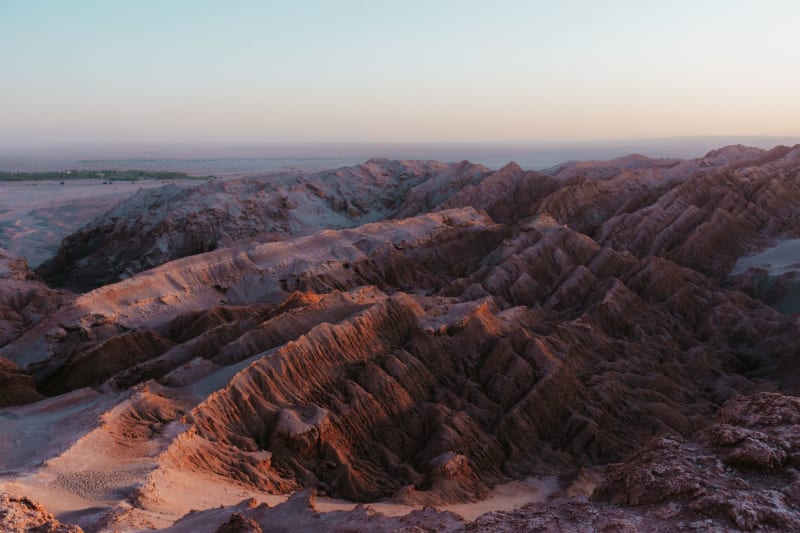 atacama-desert
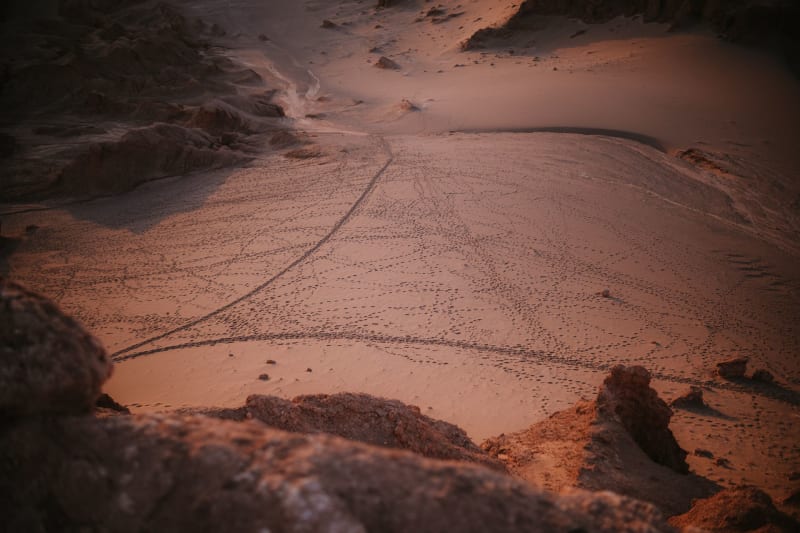
Valle de la Muerte
A valley of blood-red dunes and volcanic rock where the afternoon heat is medieval and the sandboarding is unexpectedly real.
Explore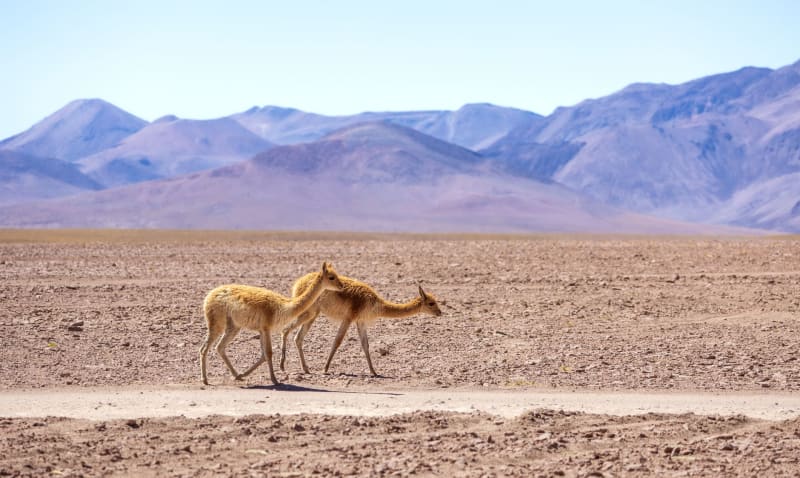 atacama-desert
Chiu Chiu
An oasis village on the Loa River where Chile's oldest surviving church stands in a square that time has politely misplaced.
Explore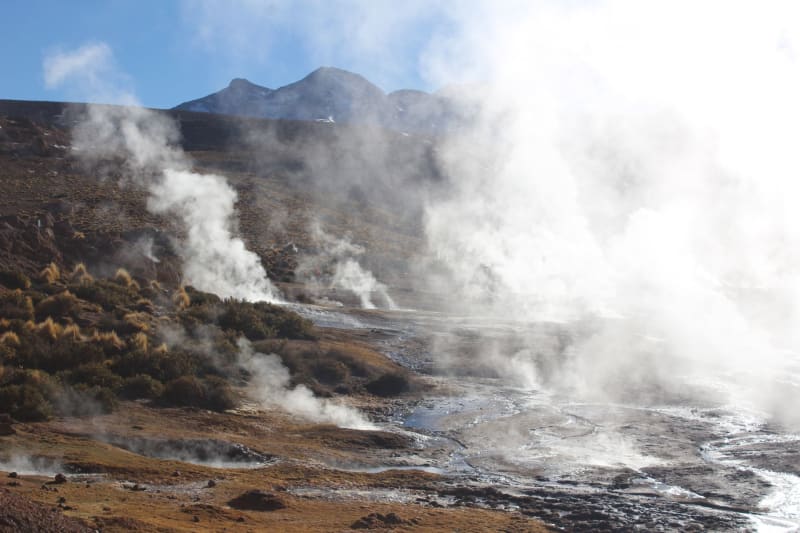 atacama-desert
El Tatio Geysers
The world's highest geyser field at 4,300 meters, erupting before dawn into an arctic darkness that feels genuinely supernatural.
Explore atacama-desert
Laguna Cejar
A sinkhole lagoon in the salt flats where you float like a cork and watch Licancabur turn pink at dusk.
Explore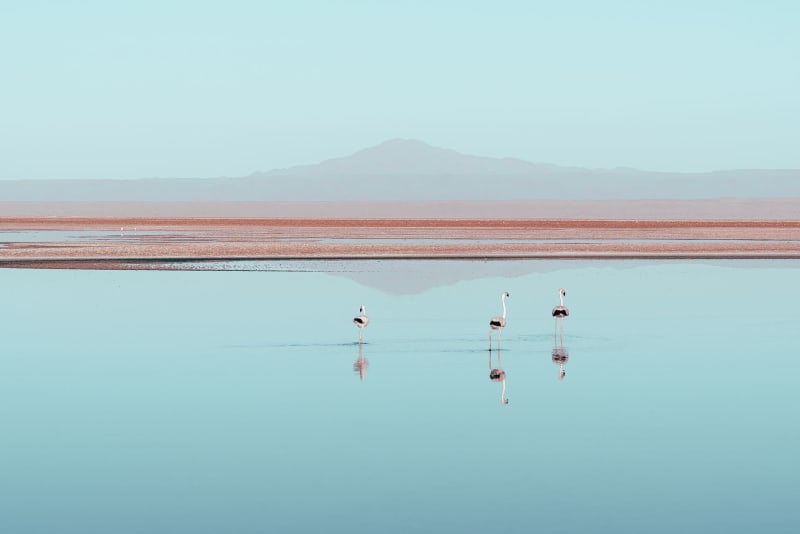 atacama-desert
Laguna Chaxa
A shallow flamingo lagoon at the heart of the Salar de Atacama where the birds stand in their own reflections like something from a fever dream.
Explore