Luarca
"Lia said Luarca looked like someone had scrubbed a whole town with a toothbrush, and honestly, that's the best description I've heard."
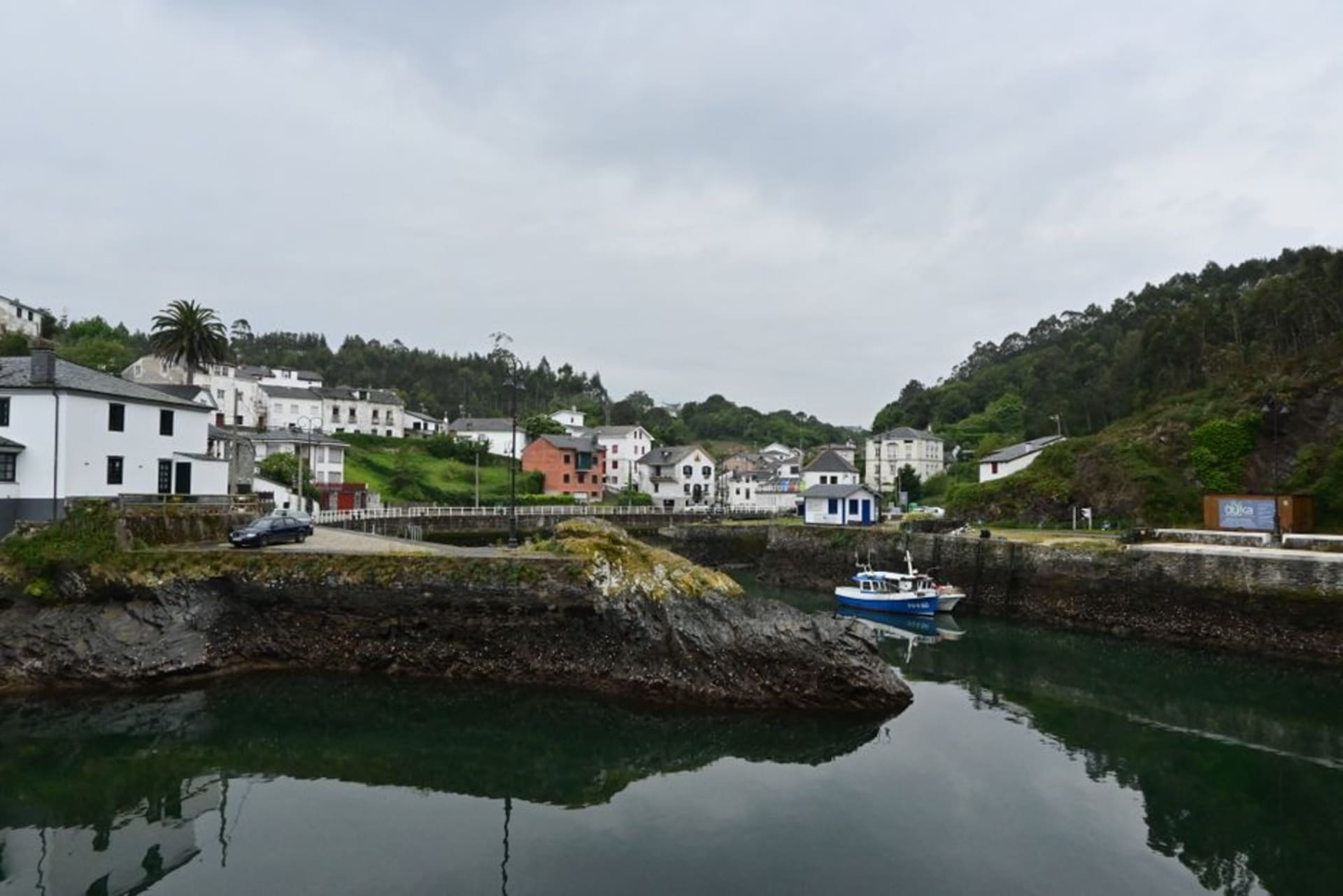
A whitewashed fishing town wrapped around a river mouth, where a hilltop cemetery watches over the boats coming home.

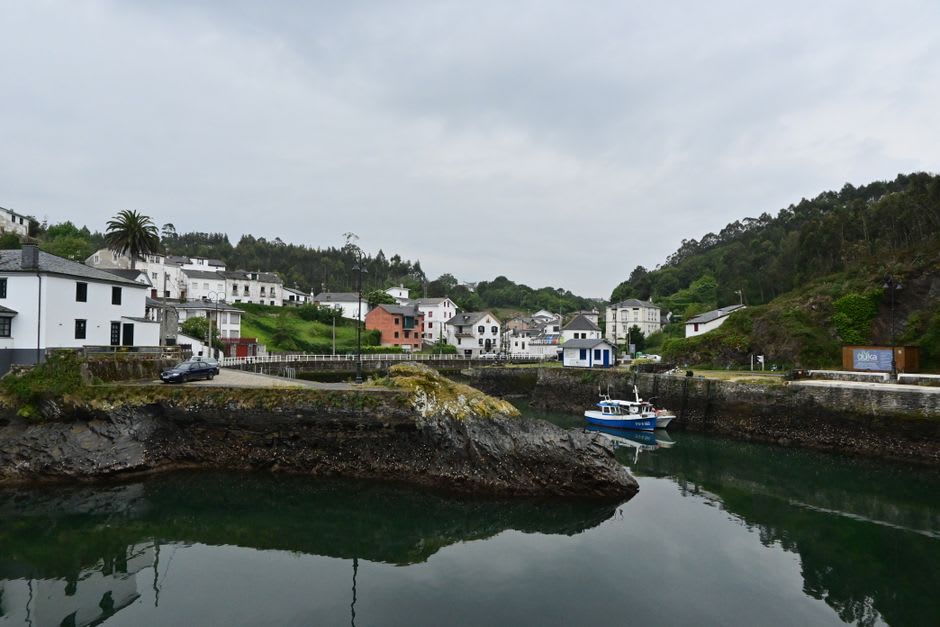
Everyone calls Luarca the “Pueblo Blanco” of the Cantabrian coast, and the first time I saw it from the road coming down from the hills, I understood why in about two seconds — the whole town is stacked white and cream around a river that loops back on itself before reaching the sea, so from above it looks almost like an island. I’d been driving the coastal N-634 for days by that point, half-numb to green hills and gray water, and Luarca still made me pull over just to look.
The harbor is the heart of it. Small fishing boats, real working ones, not the decorative kind you get in prettier tourist ports, tie up along the river with their nets still drying, and the smell of the catch mixes with woodsmoke from the houses climbing the hillside. We got there in the late afternoon and watched a couple of boats come in, gulls going crazy overhead, an old guy in waders sorting the catch into crates while barely looking up. I bought a cone of fried anchovies from a stall by the bridge and ate it walking, which is not a sophisticated way to experience a place but it’s the one I remember best.
What surprised me was the cemetery. It sits on a headland above the town, right where you’d expect a lighthouse, and the effect is strange and moving at once — rows of white tombs and mausoleums facing straight out to the Cantabrian Sea, like the dead are still keeping watch for the boats. I’m not usually one to linger in cemeteries on a trip, but this one, with the wind coming hard off the water and gravestones for fishermen lost at sea mixed in with ordinary family plots, held me longer than I expected. Lia found the grave of Severo Ochoa, the Nobel laureate born here, tucked in among them, which felt fitting for a town proud enough to name its main street after him.

We stayed the night in a small pensión above the harbor and I remember waking up to the sound of boat engines starting before dawn, then falling back asleep to it, which is a good sign for a fishing town — it means the fishing is still real, not just decoration for visitors like me.
When to go: Late spring through early autumn gives you the best odds of clear skies for the cemetery views and the harbor light in the evening; try to time your visit for late afternoon when the boats come in.
Keep exploring
More from Asturias
 asturias
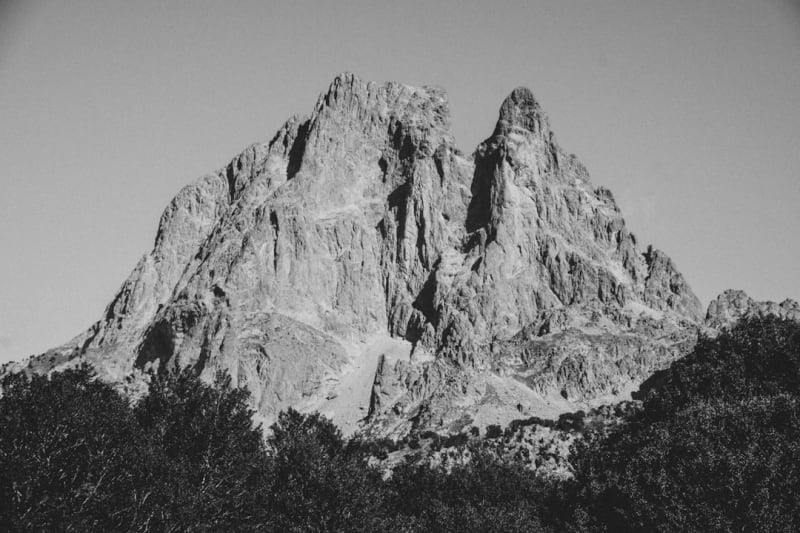
Naranjo de Bulnes
A vertical limestone spire in the heart of the Picos de Europa that took me two failed attempts and one lucky clear morning to actually see.
Explore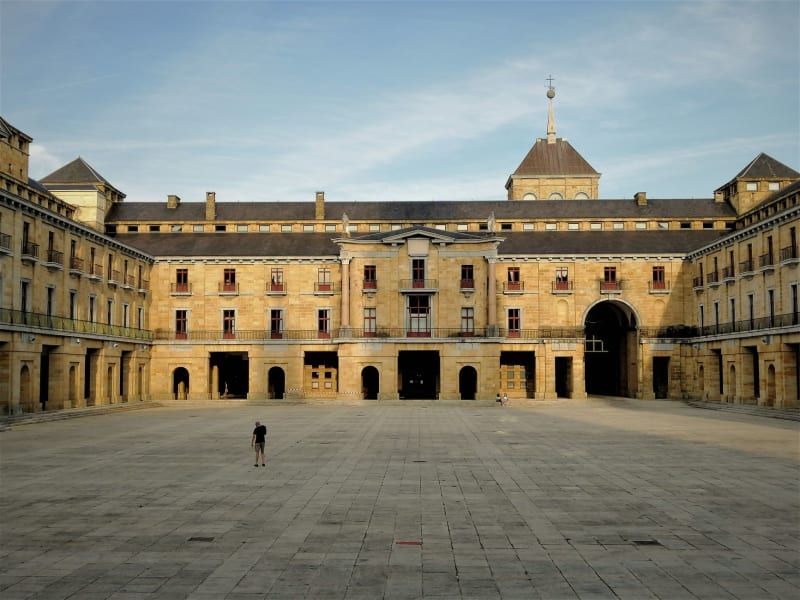 asturias
Oviedo
Asturias's quiet capital where pre-Romanesque churches stand between cider bars and the best cheese counters in northern Spain.
Explore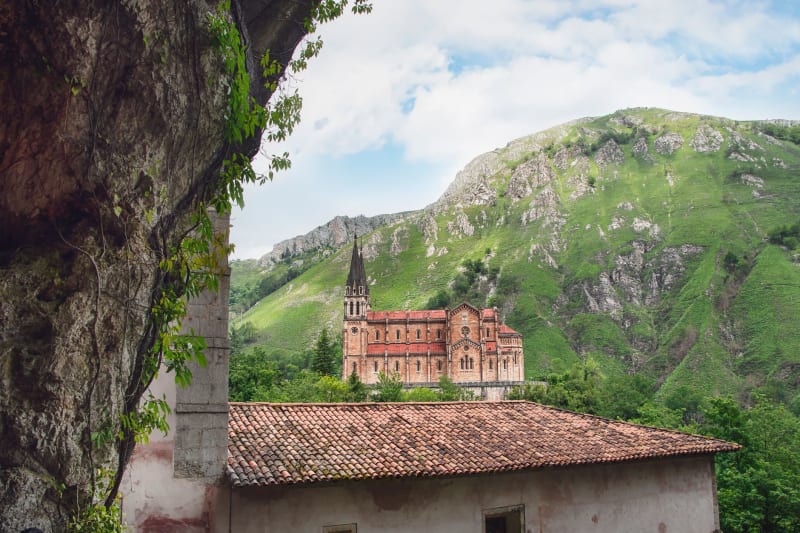 asturias
Picos de Europa
Limestone peaks so vertical they seem structurally impossible, sheltering gorges, brown bears, and a silence that makes cities feel like the aberration.
Explore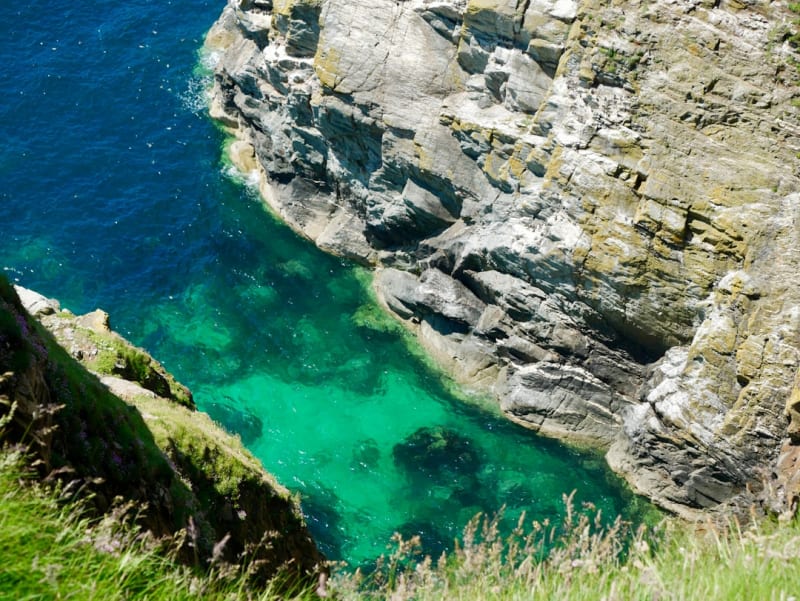 asturias
Playa del Silencio
A cove beach hemmed in by cliffs and sea stacks near Cudillero, quiet enough to earn its name even in high season.
Explore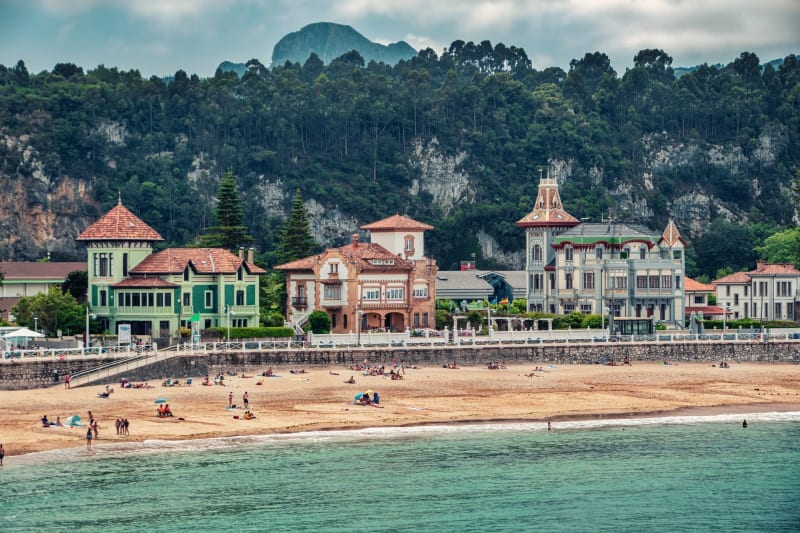 asturias
Ribadesella
A coastal town split by a river estuary, famous for cave paintings twenty thousand years old and a kayak race that turns the river briefly insane every August.
Explore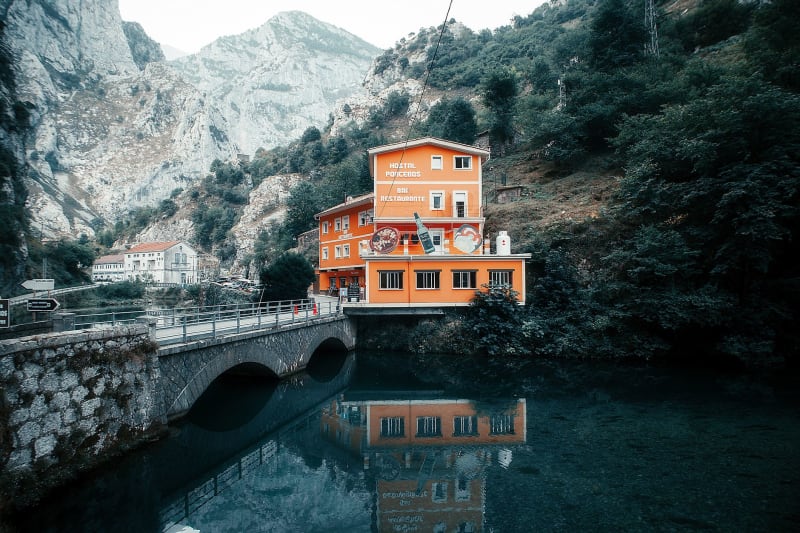 asturias
Somiedo Natural Park
One of the last wild corners of Western Europe — glacial lakes, brown bears, and stone huts used by herders whose families have worked these mountains for centuries.
Explore