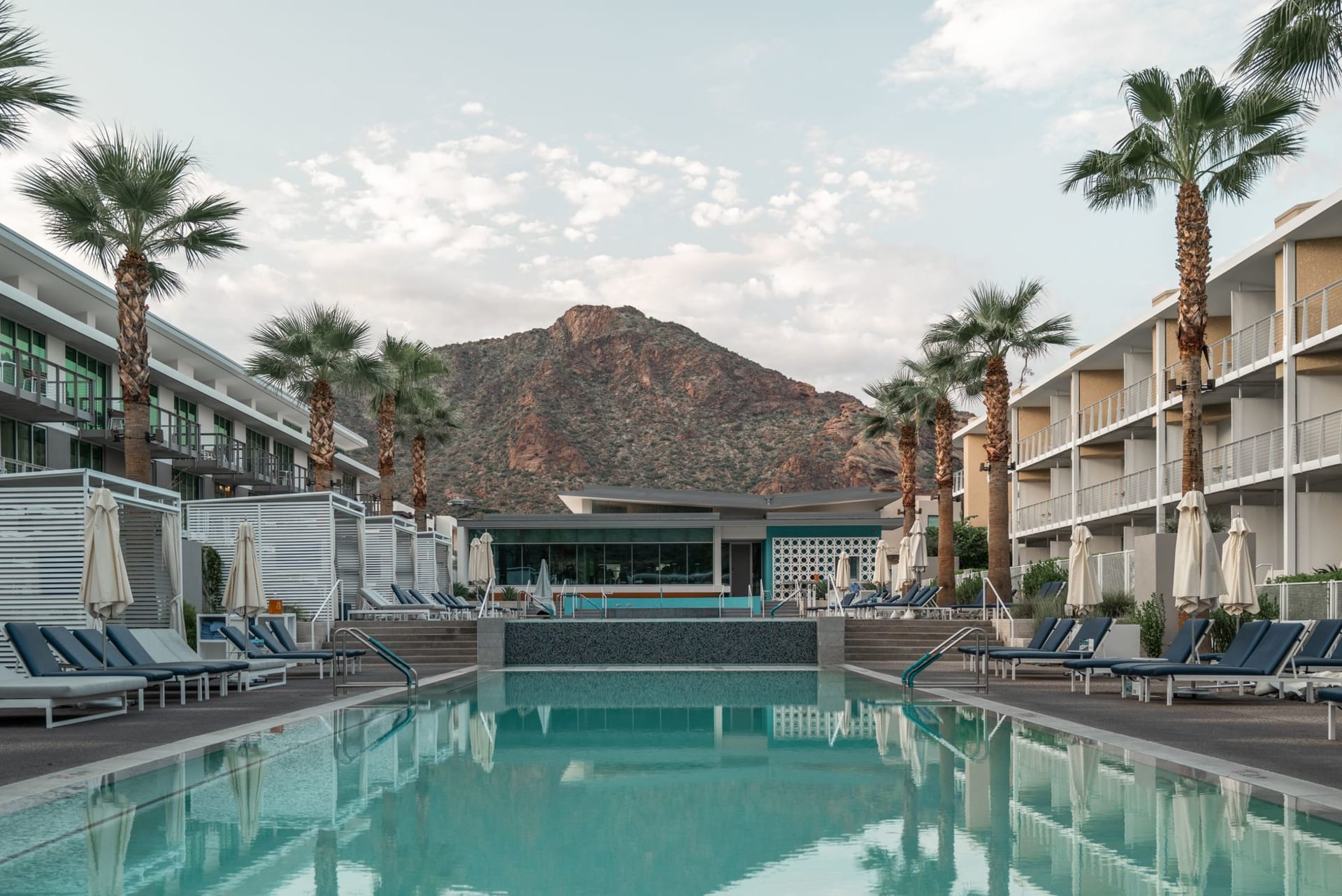
Scottsdale
"Taliesin West made me understand something about how architecture can be an argument."
Frank Lloyd Wright's desert laboratory, a serious restaurant scene, and the best gallery district in the Southwest — in that order.

I came to Scottsdale with lowered expectations and left with something closer to respect. The city’s reputation — golf resorts, bachelorette parties on Scottsdale Road, the kind of upscale sprawl that makes American cities look interchangeable — is not entirely wrong, but it sits on top of something more interesting that you have to go looking for. The desert here is the Sonoran, and the Sonoran doesn’t make concessions; the resorts and golf courses are oases imposed on a landscape that was, and remains, indifferent to the imposition.
Taliesin West, Frank Lloyd Wright’s desert compound in the foothills of the McDowell Mountains, is where I started on my first visit, and it changed the order of everything that came after. Wright built the winter home and studio here starting in 1937, using desert masonry — volcanic rock and sand from the site mixed into concrete — in a series of low horizontal forms that echo the profile of the mountains behind them. The structures sprawl across the desert in a way that feels less like architecture imposed on landscape and more like landscape organized into architecture, the distinction becoming unclear as you move between the drafting studios and the garden rooms and the open-air theater. I went on a guided tour led by a current Taliesin apprentice — yes, the apprentice program Wright started in 1932 still exists — who explained the structural logic of the angled rooflines and the desert-rubble walls with the slightly evangelical confidence of someone who has drunk deeply from the source.

Old Town Scottsdale, in the city’s southwestern corner near the Tempe border, is the part of the city that predates the resort era — a compact grid of streets where the architecture still gestures toward the territorial Southwest and the galleries outnumber the chain restaurants. The arts district here is the largest in the state, with over 125 galleries concentrated in a walkable area, and the quality range is exactly what you’d expect from that kind of concentration: some serious work alongside plenty of decorative Southwestern kitsch, but the ratio tips toward the serious if you know where to walk. The Scottsdale Museum of Contemporary Art holds genuinely ambitious exhibitions in a building that was converted from a theater with enough humility to let the art command the space.
The restaurant scene has grown into something that I think the rest of the country underestimates. The “farm-to-desert” ethos — a phrase that sounds like marketing until you realize that the Sonoran Desert has its own remarkable edible ecosystem — drives menus at places like Quiessence at the Farm, a dinner-only restaurant on an urban farm in south Scottsdale where the vegetables are grown behind the kitchen and the menu changes based on what’s ready. I had a salad there of desert herbs and roasted beets with a dressing made from prickly pear that tasted like nothing I’d had before — delicate and slightly floral and entirely of the place. FnB in Old Town, a wine and food bar that’s been anchoring the local dining scene for over a decade, sources almost everything from Arizona and pairs it with natural wines that hold their own against anything I’ve had in larger cities.

The desert preserves are where Scottsdale redeems any complaints about its suburban scale. The McDowell Sonoran Preserve covers 36,000 acres of undeveloped desert directly adjacent to the city, and hiking trails run from neighborhood trailheads into landscape that looks exactly as it did before the subdivisions arrived: saguaro, cholla, brittlebush, the occasional coyote crossing the trail at a pace that suggests it owns the place, which it does. The Gateway Loop Trail is the most popular, but push a few kilometers further north on the Tom’s Thumb Trail and the city falls away completely.
When to go: October through April, without question. Winter in Scottsdale is mild and perfect — the resort scene peaks here between January and March, when northern escapees fill the hotels, so if you want availability and lower prices, November and early December hit the sweet spot. Summer in Scottsdale is genuinely brutal — 45°C days, no relief at night, and the kind of heat that makes every errand feel punitive.
Keep exploring
More from Arizona
 arizona
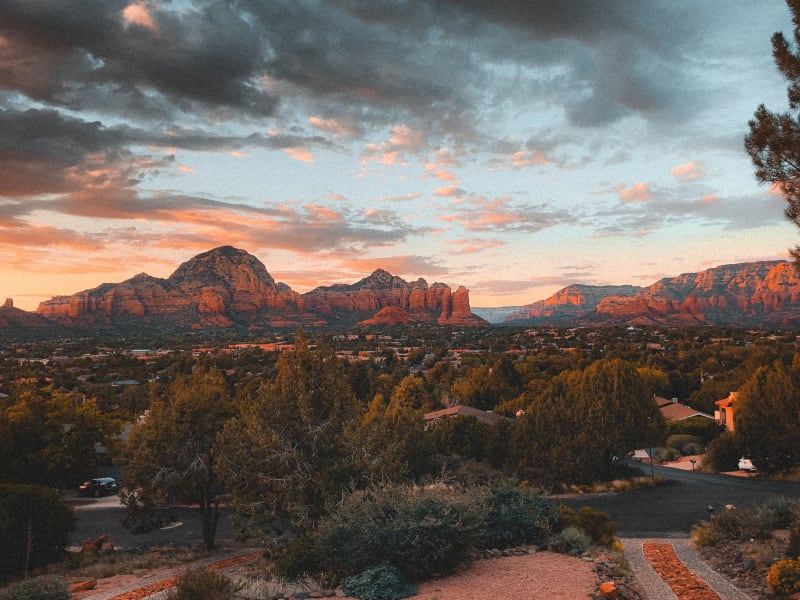
Sedona
Red rock formations so theatrically lit they look painted — and a hiking trail around every corner that earns its reputation.
Explore arizona
Tucson
A border city with the best Sonoran food north of Hermosillo and saguaros standing guard over everything like green sentinels.
Explore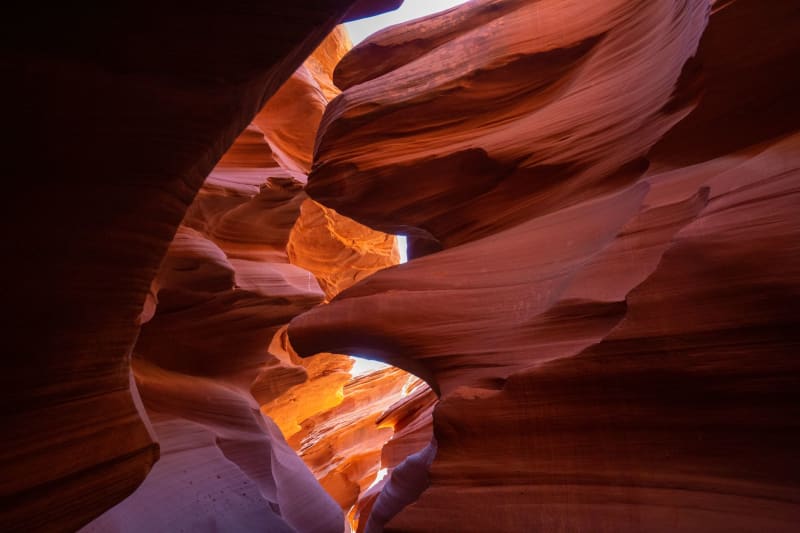 arizona
Antelope Canyon
A slot canyon carved by flash floods into shapes that defy geology — the light beams are real, and they arrive on their own schedule.
Explore arizona
Bisbee
A copper-mining town that reinvented itself as an artist enclave and never quite lost the grit that makes it interesting.
Explore arizona
Chiricahua National Monument
A hidden range of volcanic rock pinnacles in southeastern Arizona where Cochise once made his stand, and where we hiked in near-total silence.
Explore arizona
Flagstaff
A mile-high mountain town under ponderosa pines where Route 66 nostalgia, serious astronomy, and craft beer coexist without effort.
Explore