A former coal-mining town at the mouth of the Bow Valley that has quietly become the Rockies' most livable base camp, twenty minutes from Banff without Banff's crowds.
I ended up staying in Canmore rather than Banff almost by accident — every hotel in Banff proper was booked for a conference — and it turned out to be the better decision anyway. Canmore sits just outside the national park boundary at the mouth of the Bow Valley, which technically makes it a “normal” town rather than a park townsite, and that distinction matters more than you’d think. There are grocery stores here that aren’t built for tourists, a genuine local brewery scene, and a Main Street that still functions as a place residents actually run errands rather than a corridor of identical fudge shops.
What struck me first was the Three Sisters, the trio of jagged peaks that loom directly over town — Faith, Charity, and Hope — close enough that they dominate every east-facing window and turn even a walk to the grocery store into something scenic. Canmore was a coal town until the mine closed in 1979, and you can still find old mining infrastructure scattered through Quarry Lake Park and the Canmore Nordic Centre, which hosted the 1988 Winter Olympics cross-country and biathlon events and is now one of the best free trail networks in the Rockies, open to hikers in summer and groomed for skiing in winter.
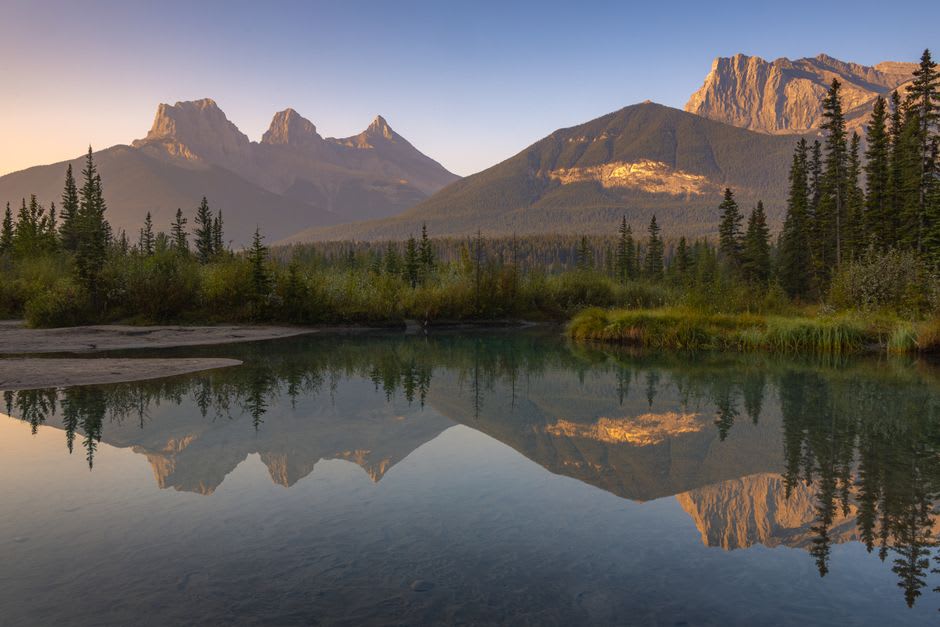
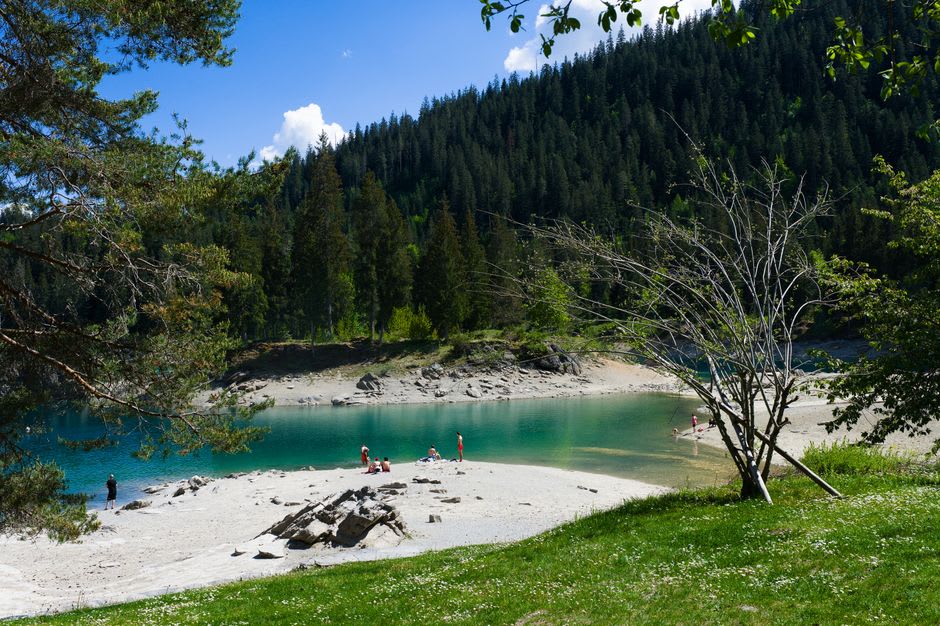
I spent an afternoon on the Grassi Lakes trail, a short but steep hike up to two glacially-fed turquoise pools named for Lawrence Grassi, an Italian immigrant miner who built much of the original trail network by hand in his off hours in the 1920s out of what seems to have been pure love of the mountains. The lakes themselves are small and almost absurdly clear, cold enough that nobody swims for long, but the view back down the valley from the upper lake, with Ha Ling Peak rising directly opposite, is one of the better payoffs-per-kilometre I found anywhere in Alberta.
Canmore in the evening has a specific rhythm — climbers and trail runners coming off the mountains, patio beers at one of the local breweries, then everyone in bed early because everyone here is training for something the next morning. It’s a town built around people who use the mountains rather than photograph them from a bus window, and that energy is contagious even for a visitor just passing through.
When to go: June through September for hiking access to Grassi Lakes and the Nordic Centre trails. December through March for cross-country skiing, which is genuinely excellent here and far less crowded than the alpine resorts nearby.
Keep exploring
More from Alberta
 alberta
 Cypress Hills
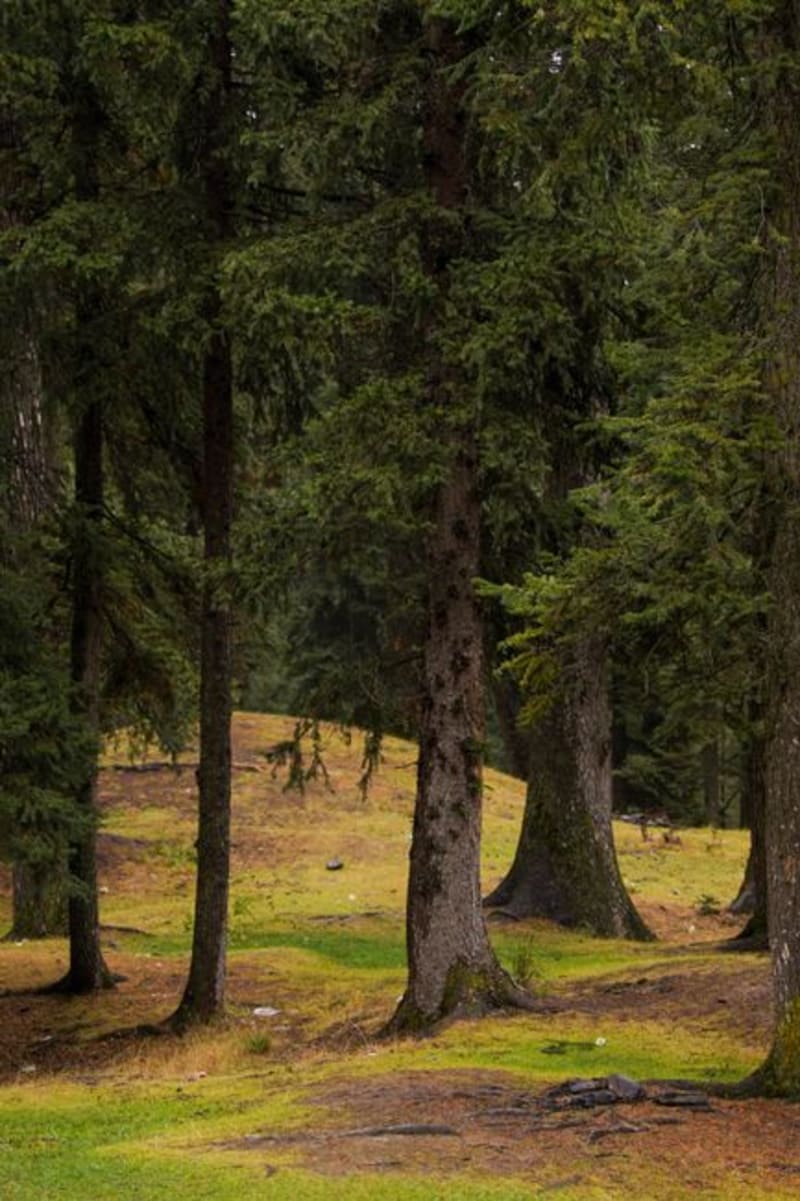
A forested plateau rising eight hundred metres above the surrounding prairie on the Alberta-Saskatchewan border, cool and pine-scented in a province otherwise defined by open sky.
Explore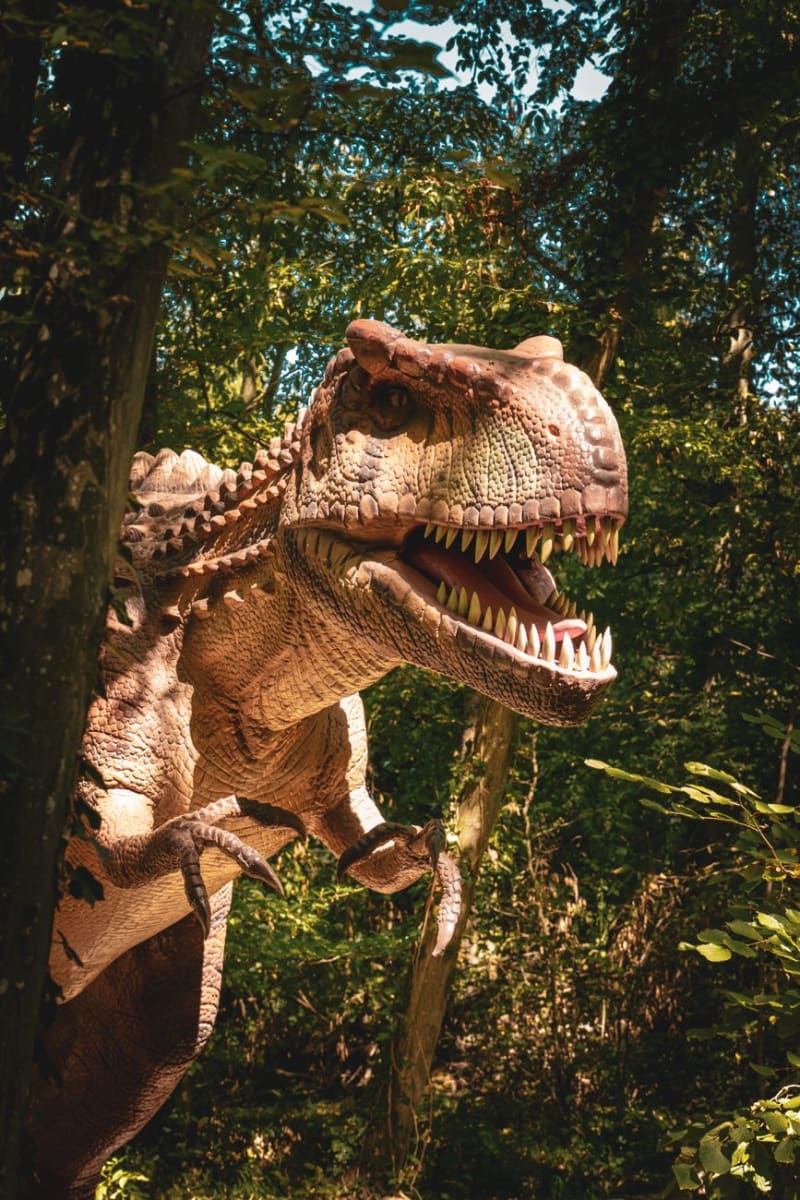 alberta
 Dinosaur Provincial Park
A UNESCO badlands where the prairie suddenly drops away into a moonscape of eroded hoodoos that has yielded more dinosaur species than almost anywhere on Earth.
Explore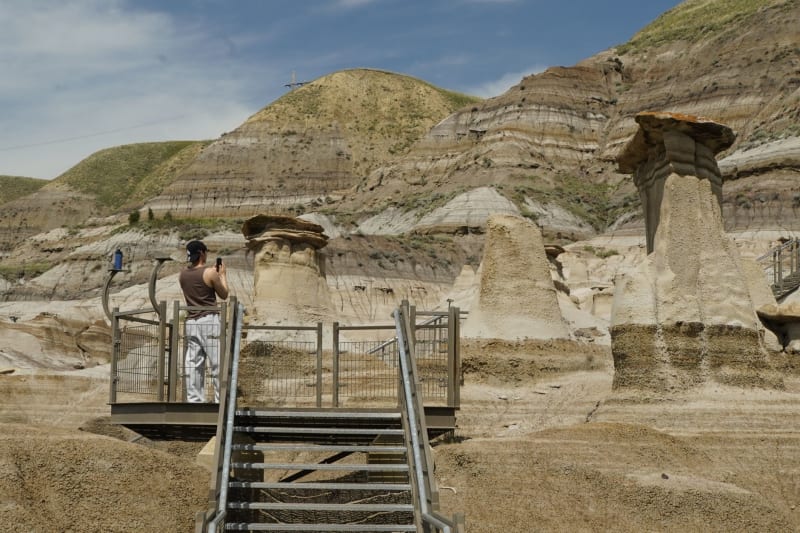 alberta
 Drumheller
A badlands valley carved into the Alberta prairies where dinosaur bones still erode out of the hoodoos and the landscape looks genuinely prehistoric.
Explore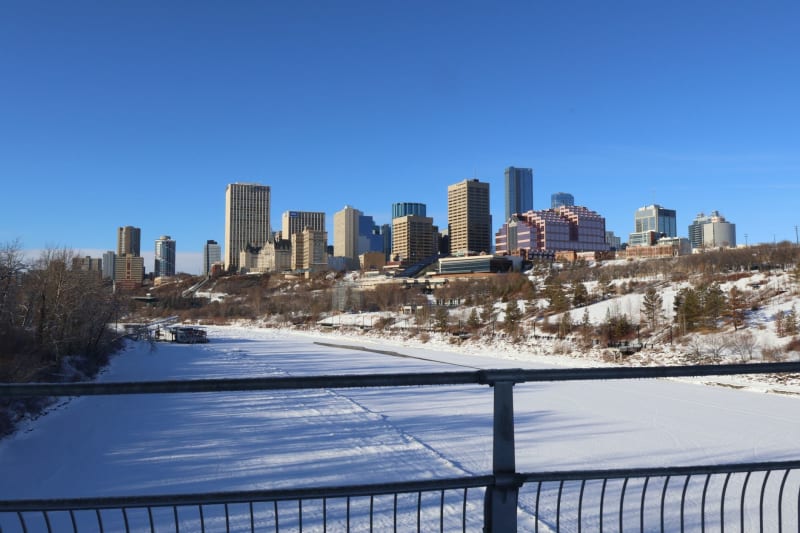 alberta
 Edmonton
Alberta's capital sits in the river valley where the prairies and the boreal forest meet, a northern city that does arts and food with more intensity than it gets credit for.
Explore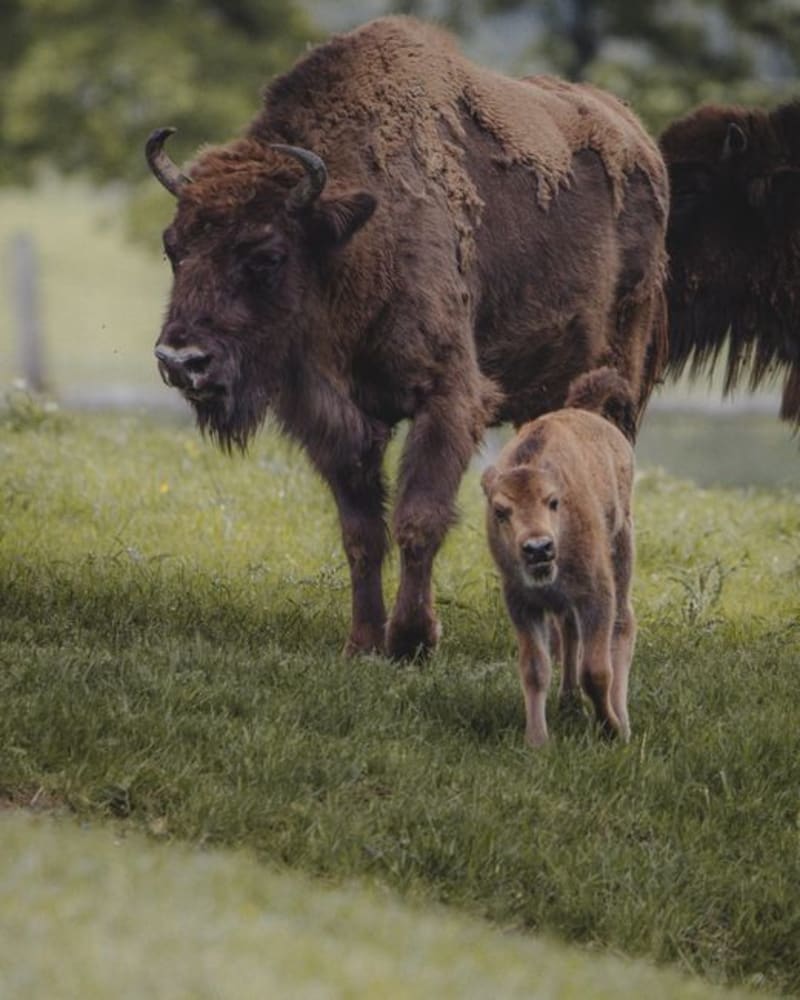 alberta
 Elk Island National Park
A small, fenced island of aspen parkland east of Edmonton that quietly holds more free-roaming bison than almost anywhere else on the continent.
Explore alberta
 Frank Slide
The site of Canada's deadliest rockslide, where a chunk of Turtle Mountain broke off in 1903 and buried part of a mining town under eighty million tonnes of limestone in under two minutes.
Explore