Assos
"Aristotle taught here for three years, looking at the same sea I was looking at, presumably also distracted by it."
A basalt harbor village beneath a cliff-top Temple of Athena where Aristotle once ran a school, close enough to the Greek island of Lesbos to watch its lights come on at dusk.
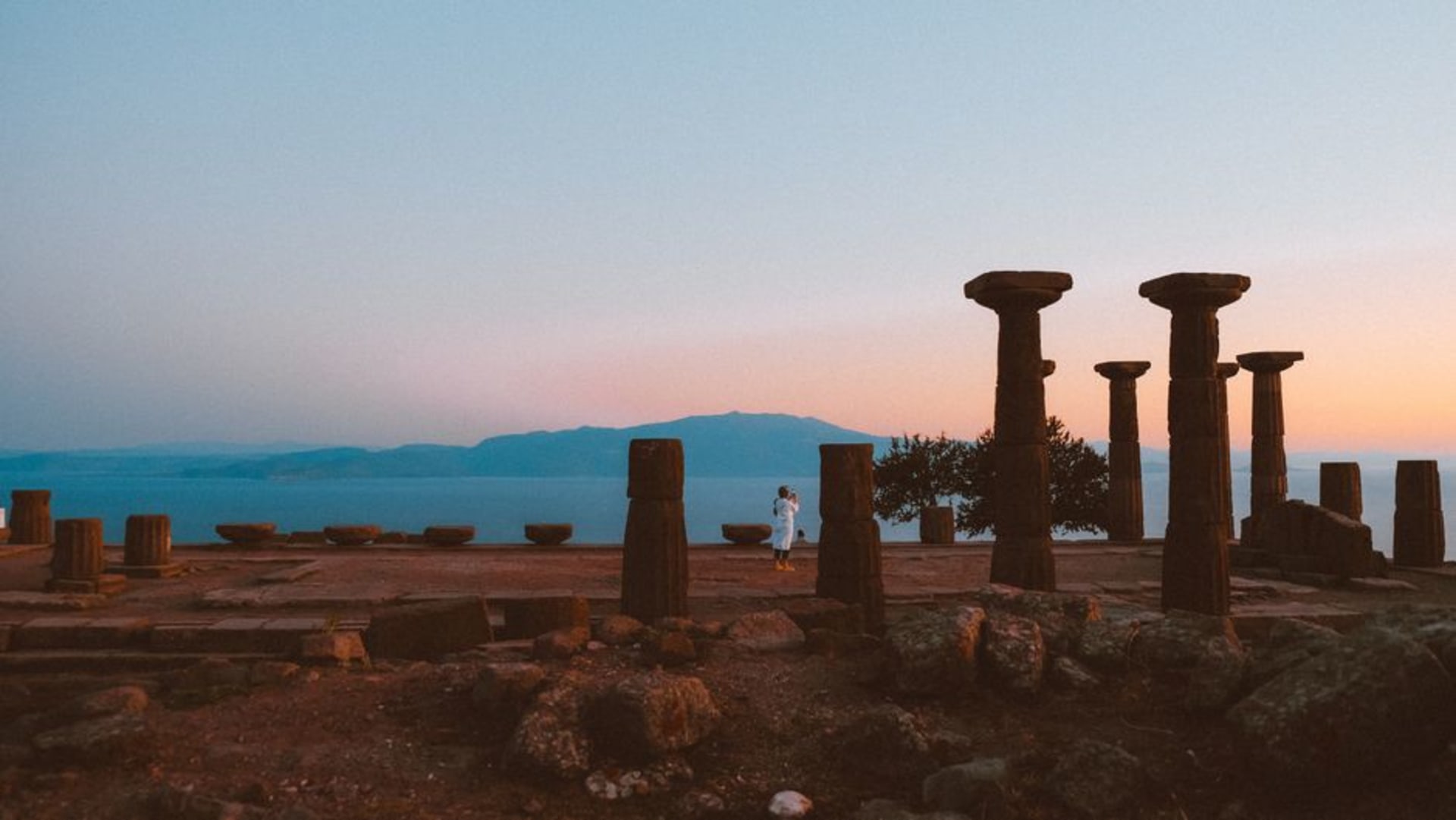
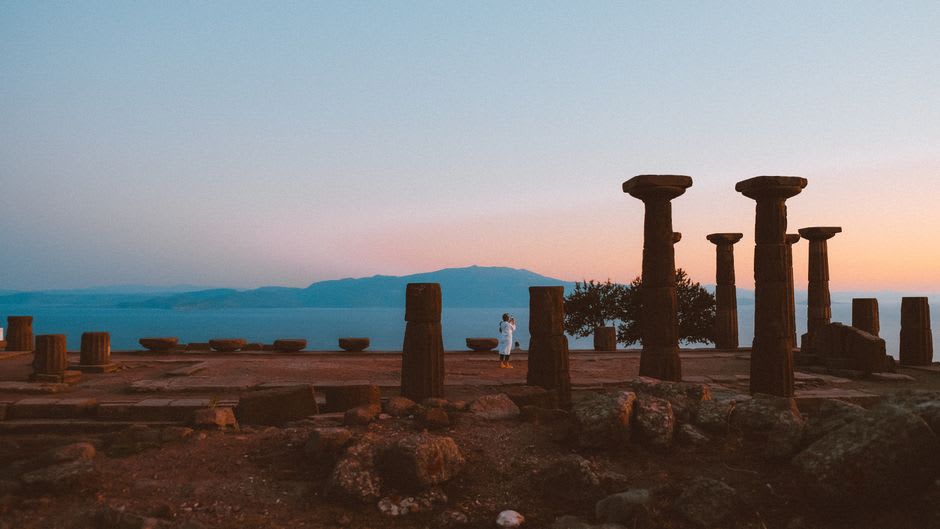
The Temple of Athena at Assos sits on a basalt outcrop three hundred meters above the sea, and the six restored Doric columns that remain are almost beside the point once you turn around and look at the view they were built to command. The Greek island of Lesbos is close enough across the water to see individual hillsides, and on the clear evening I visited, the sun went down directly behind it, turning the strait into a sheet of hammered copper. I understand now why this particular outcrop, out of an entire mountainous coastline, got chosen for a temple. Some views simply insist on being worshipped from.
Aristotle came here in 347 BC, after Plato’s death, and spent three years running a school of philosophy and natural science under the patronage of a local ruler named Hermias, whose niece he eventually married. He wrote some of his biological observations here, reportedly examining marine life in the harbor below — a detail I found myself thinking about while eating grilled octopus at a harborside table that evening, wondering if I was looking at descendants of his research subjects. The ancient city walls, some of the best-preserved in Anatolia, still ring the hillside below the temple in courses of dark, precisely fitted stone.
The harbor itself, a steep switchback drive below the ruins, is a tiny cluster of stone buildings converted into boutique hotels and fish restaurants, built directly into the old Ottoman-era customs houses. I stayed one night in a room that had clearly once been a fisherman’s storage space, with walls over a meter thick that kept the room cool even in July. In the morning I swam off the small rocky beach beside the harbor, the water cold and startlingly clear, with the temple columns visible on the cliff above as I floated on my back.
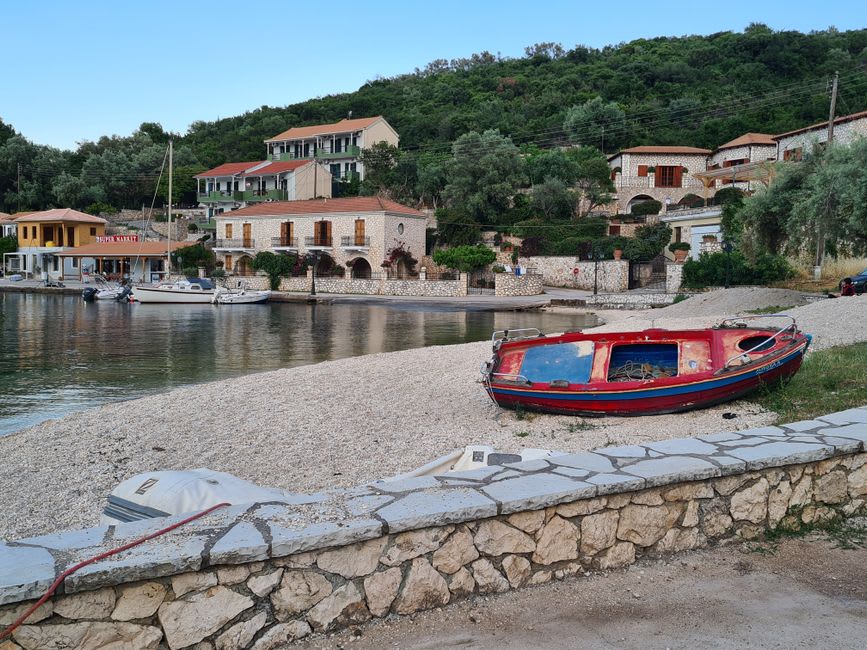
The village above the harbor, called Behramkale, is built almost entirely from the same dark volcanic stone as the temple, with a thirteenth-century Ottoman mosque and bridge that use recycled ancient columns as structural elements — a casualness about repurposing antiquity that I have come to recognize as characteristic of this coast. Old men play backgammon in the shade of an enormous plane tree in the square, apparently unbothered by the fact that they are sitting inside a UNESCO-worthy archaeological landscape.
When to go: Late spring and early autumn give the clearest views across to Lesbos and comfortable temperatures for the climb to the temple. The harbor gets pleasantly quiet outside July and August.
Keep exploring
More from Aegean Coast
 aegean-coast-turkey
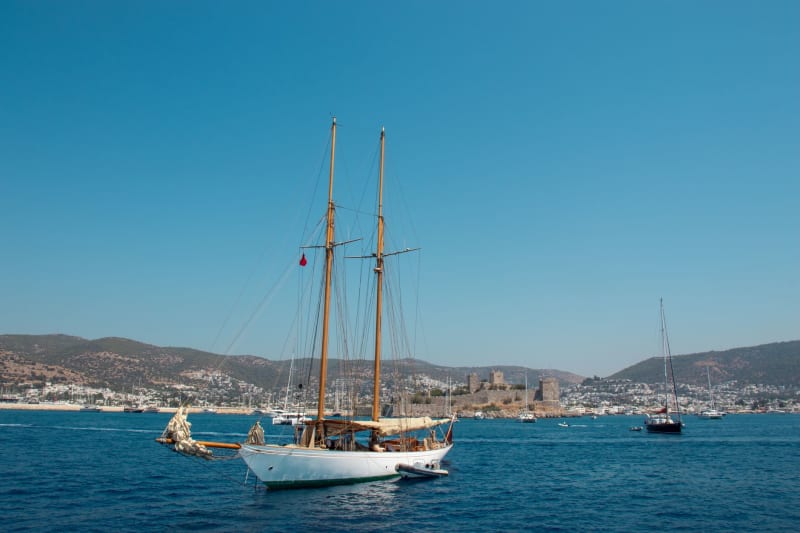
 Bodrum
A harbor city where a Byzantine castle and gulet-builders' workshops coexist cheerfully with one of Turkey's most relentless nightlife scenes.
Explore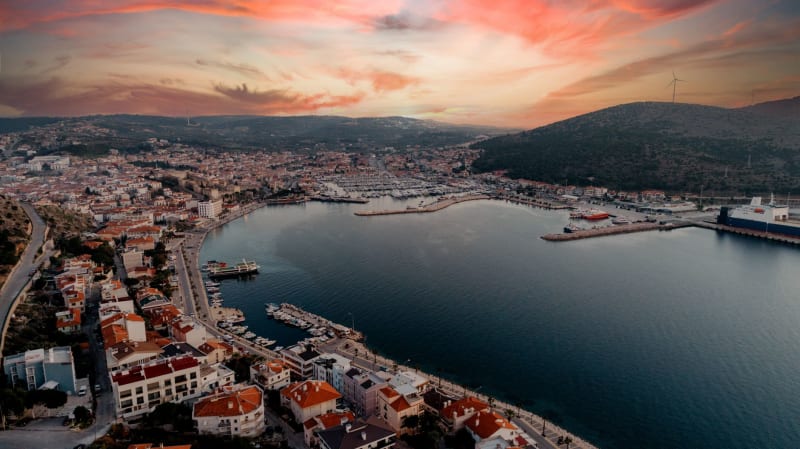 aegean-coast-turkey
 Çeşme
A whitewashed Aegean peninsula where a Genoese fortress faces Chios and the seafood meyhanes are stubbornly, unapologetically local.
Explore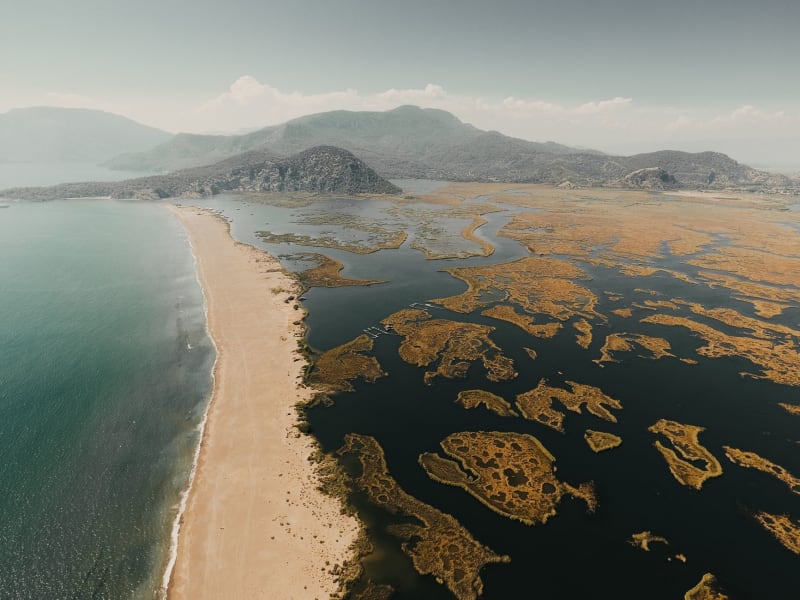 aegean-coast-turkey
 Dalyan
A river delta where Lycian rock tombs glow in the cliff face above the reeds and loggerhead turtles still nest on the long curved beach below.
Explore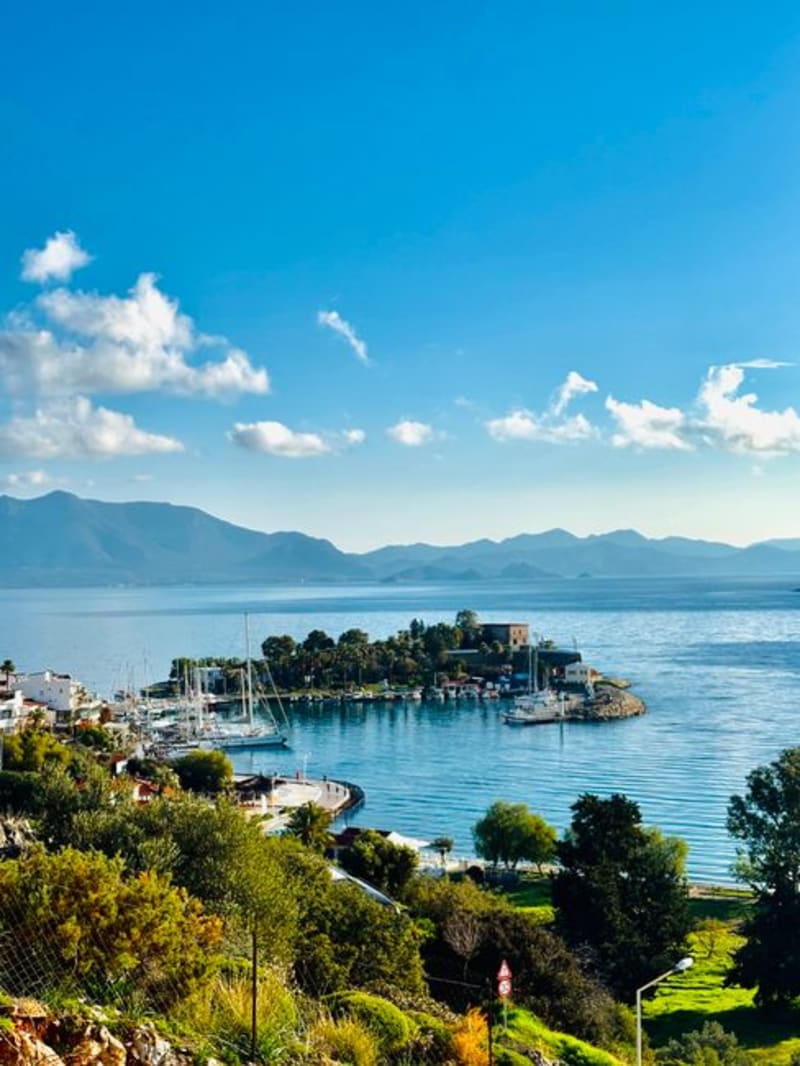 aegean-coast-turkey
 Datça
A slim peninsula town of almond orchards and thyme-covered hills, dangling between two seas at the point where the Aegean and Mediterranean argue over which one gets to claim the coastline.
Explore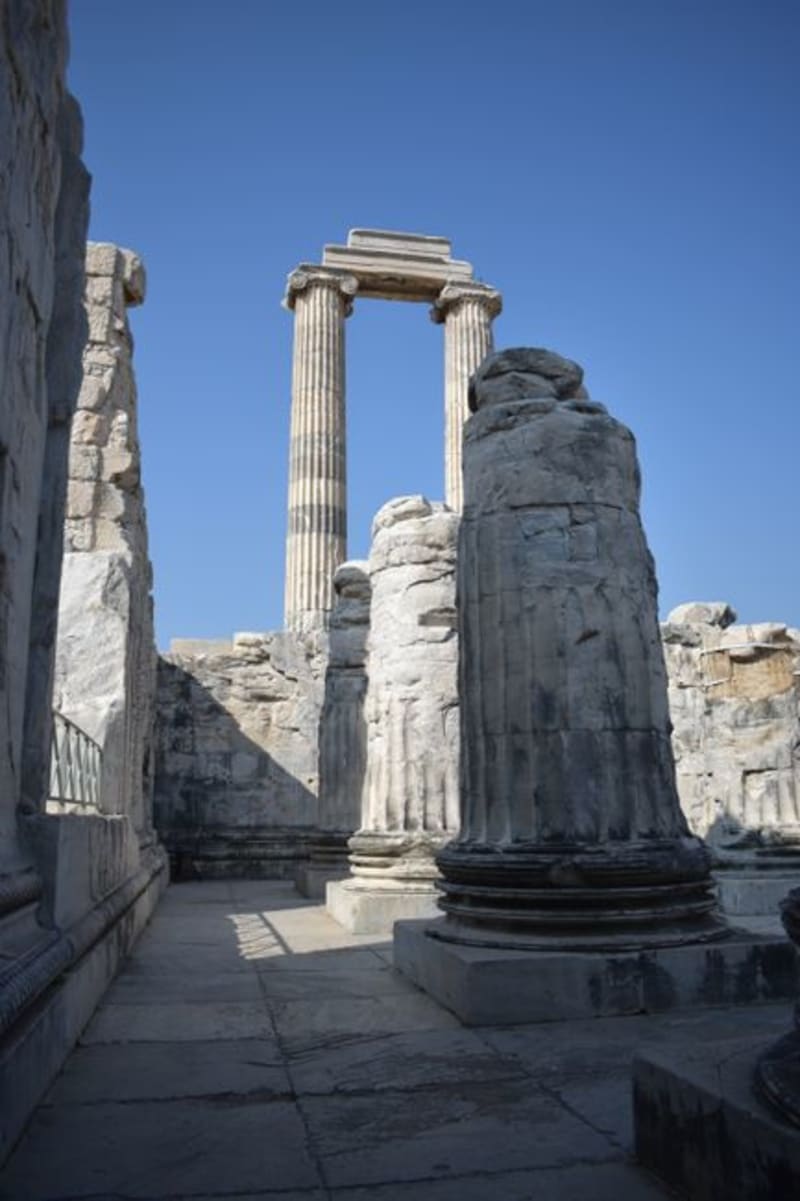 aegean-coast-turkey
 Didyma
A colossal oracle temple to Apollo that never got finished being built, its unfinished drums stacked exactly where the masons left them twenty-three centuries ago.
Explore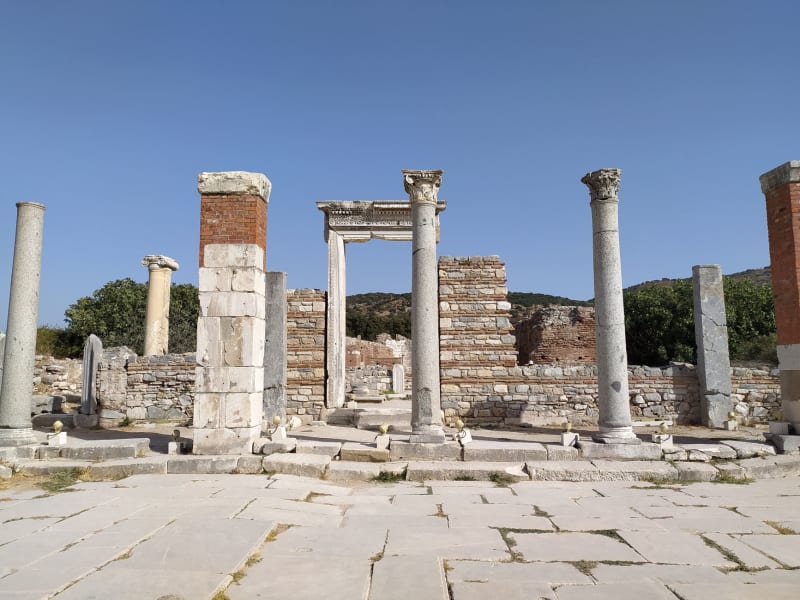 aegean-coast-turkey
 Ephesus
The most intact ancient city in the Mediterranean — where marble-paved streets and a library façade two thousand years old make time feel genuinely negotiable.
Explore