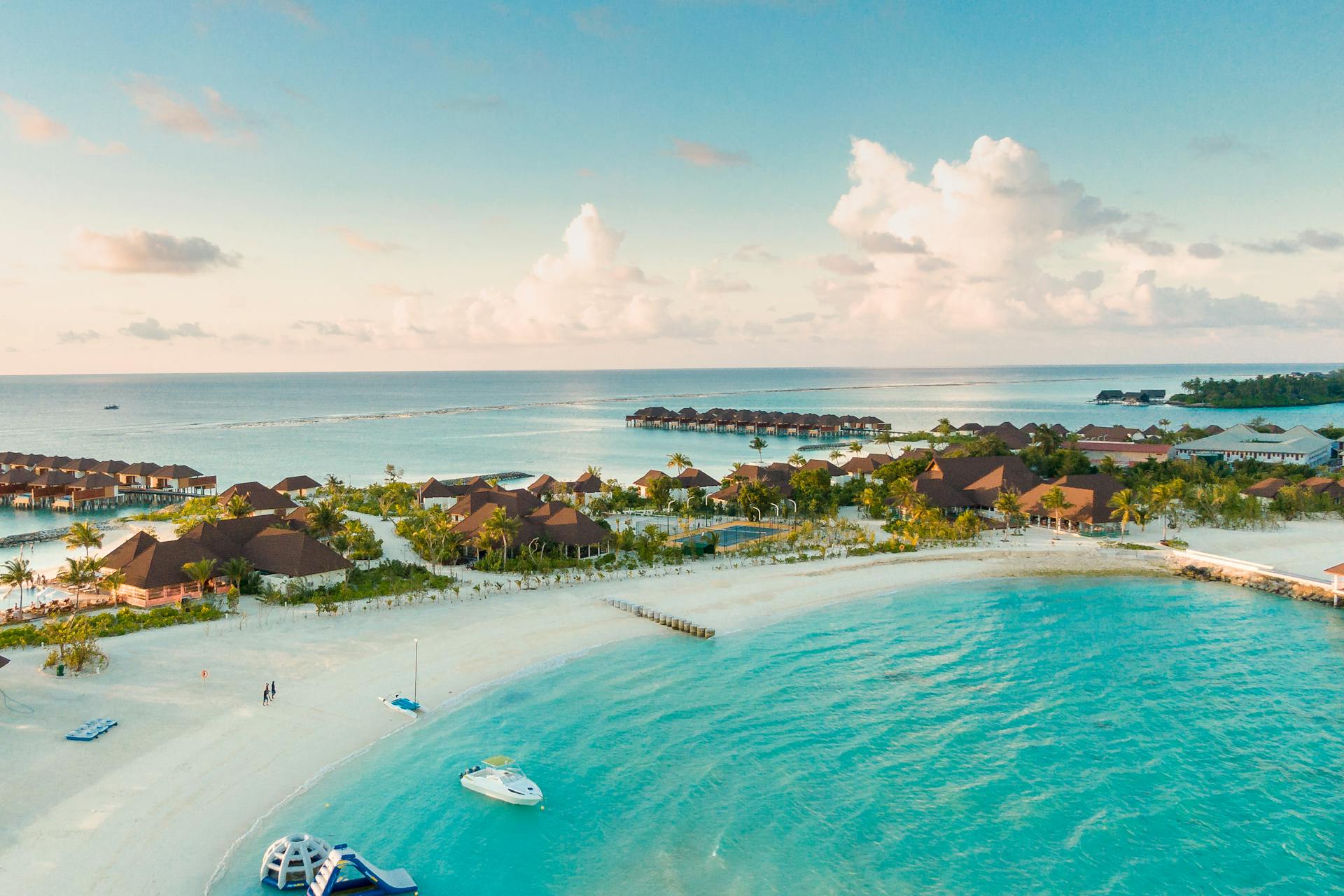
Palawan — The Last Frontier, Before It Isn't
The Cliché That Isn’t
Every travel publication has called Palawan “the last frontier” at some point in the last decade, and every year the phrase becomes slightly less accurate as more flights land in Puerto Princesa and more resorts sprout along the El Nido coast. But here is the thing: Palawan still earns the superlative. I have seen Halong Bay, the Thai islands, the Croatian coast, Raja Ampat. Palawan belongs in that conversation. The water is that blue. The limestone is that dramatic. And unlike most of those places, you can still find stretches of coastline where the only footprints on the beach are yours.
El Nido and the Bacuit Archipelago
El Nido is the gateway, and it has changed significantly from the backpacker village it was a decade ago. There are now proper hotels, restaurants with wine lists, and island-hopping tours that leave the beach in fleets. This is not necessarily bad — the infrastructure has improved without yet destroying the character — but the trick is knowing where to look beyond the standard Tour A and Tour B that every operator sells.
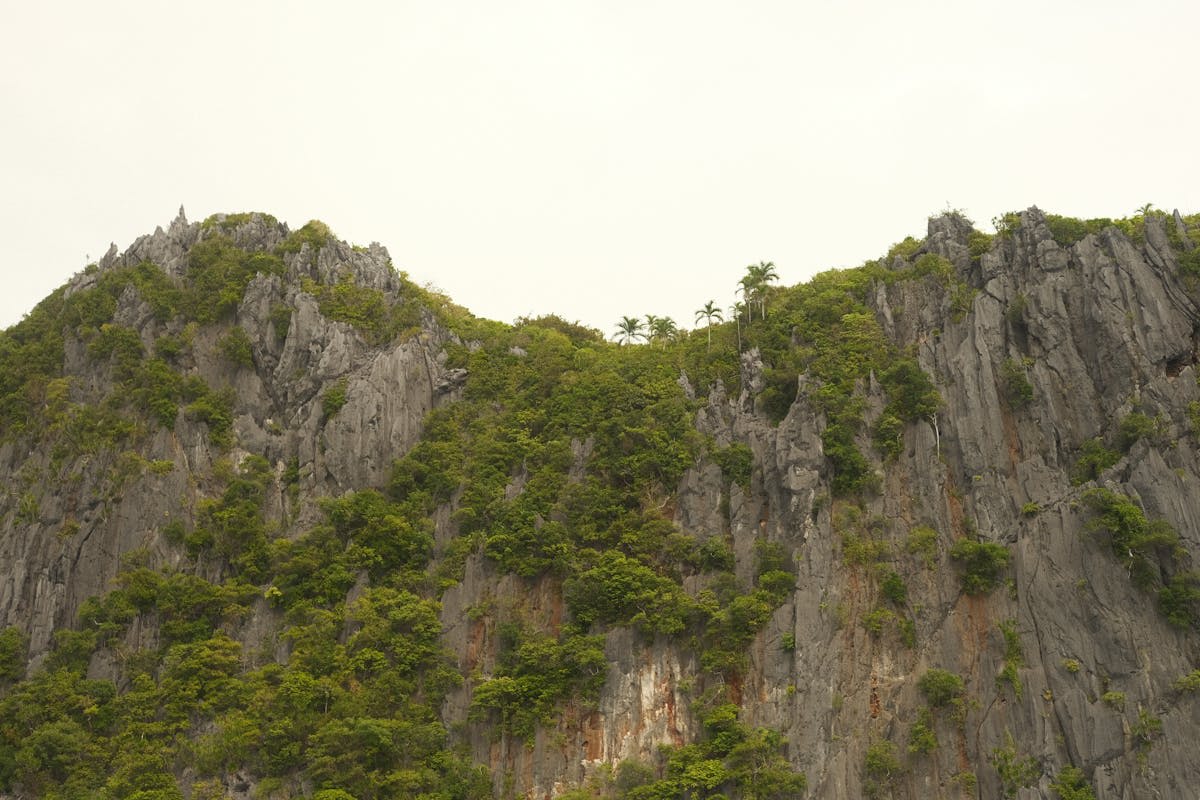
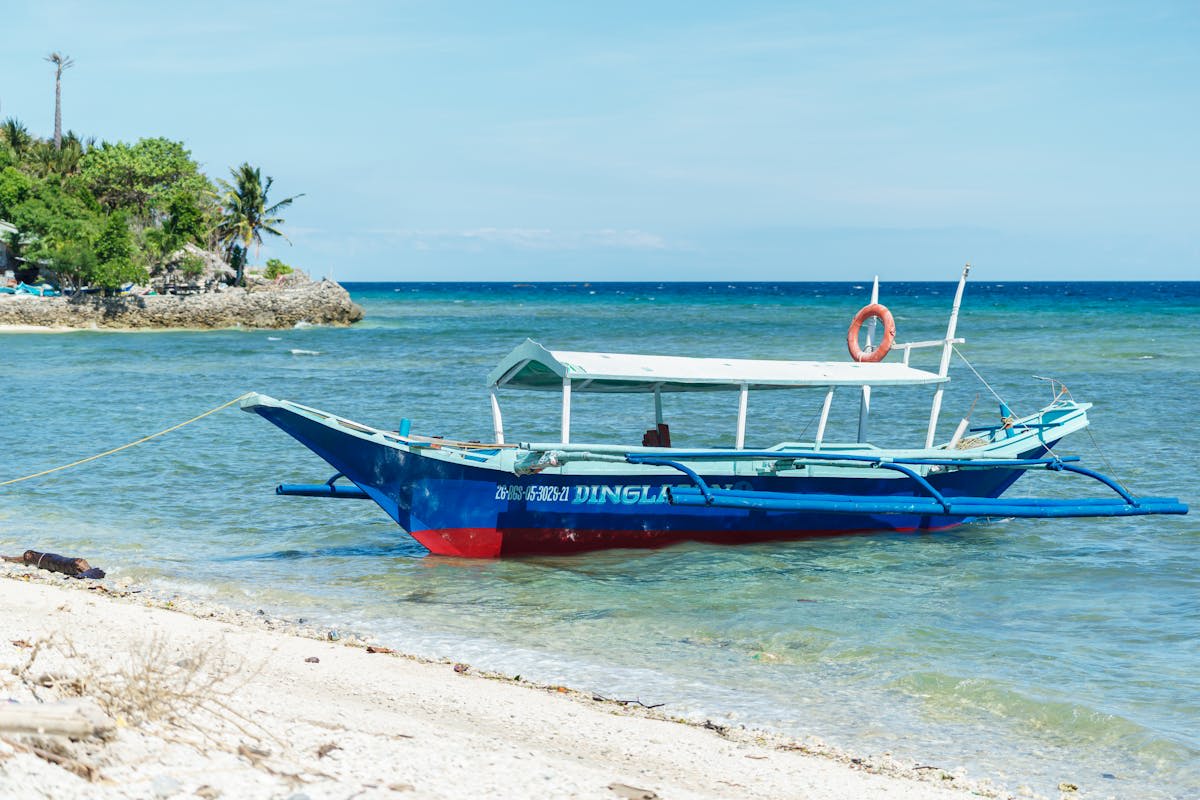
Tour A is the famous one — Big Lagoon, Small Lagoon, Secret Lagoon, Shimizu Island. It is genuinely spectacular. The Big Lagoon alone, where you kayak between karst walls into an emerald pool that opens beneath a cathedral of rock, justifies the trip. But it is also the most crowded. Go early. Better yet, hire a private bangka and ask the boatman to reverse the standard route — start where everyone finishes and you will have the lagoons nearly to yourself for the first two hours.
The less-visited islands are where Palawan reveals its true scale. Ask about Matinloc Shrine — a ruined chapel on a limestone cliff face, accessible by boat, with a hidden beach behind it that most tours skip. Or Tapiutan Island, where the snorkeling is better than anything on the standard tours and the beach is a crescent of white sand that appears at low tide like a gift.
The Underground River
Two hours south of El Nido, the Puerto Princesa Subterranean River is a UNESCO site and one of the Philippines’ headline attractions. You board a small boat and enter a cave system that stretches over eight kilometers into the limestone — the longest navigable underground river in Asia. Inside: cathedral-sized chambers, stalactites that have been growing for millions of years, the sound of water dripping in total darkness, and the occasional bat. It is not an adrenaline experience. It is a geological one. You emerge blinking into the sunlight feeling like you have been somewhere genuinely ancient.
The People
I have written about Palawan’s scenery because the scenery is extraordinary, but the thing that separates the Philippines from every other beautiful-island destination is the people. Filipino hospitality is not a service-industry performance. It is a cultural fact. Your bangka captain shares his lunch with you. The hotel receptionist draws you a map to her aunt’s restaurant because “the food is better there.” A family on the beach invites you to their cookout and refuses to let you contribute anything except your company.
On my last evening in El Nido, I was eating alone at a small beachfront restaurant when the family at the next table sent over a plate of grilled prawns and a San Miguel with a message relayed by the waiter: “They say you look lonely and nobody should eat alone in the Philippines.” I was not lonely. But I joined them, and we talked for three hours about fishing, basketball, the price of rice, and how many children they hoped their daughter would have. It was, by a considerable margin, the best meal of the trip.
The Clock
Palawan is changing. Each year brings more flights, more hotels, more visitors. This is not a tragedy — tourism brings income to communities that need it, and the Philippines manages the balance better than most. But the Palawan I visited will not be the Palawan available in ten years. The lagoons will still be blue. The limestone will still be dramatic. But the emptiness — that specific quality of being somewhere so beautiful and so quiet that the world shrinks to the size of your immediate experience — that has an expiration date. Go soon.
Travel with intention
Curated guides, quiet destinations, and stories worth reading — delivered when we have something worth sharing.
No spam. Unsubscribe anytime.