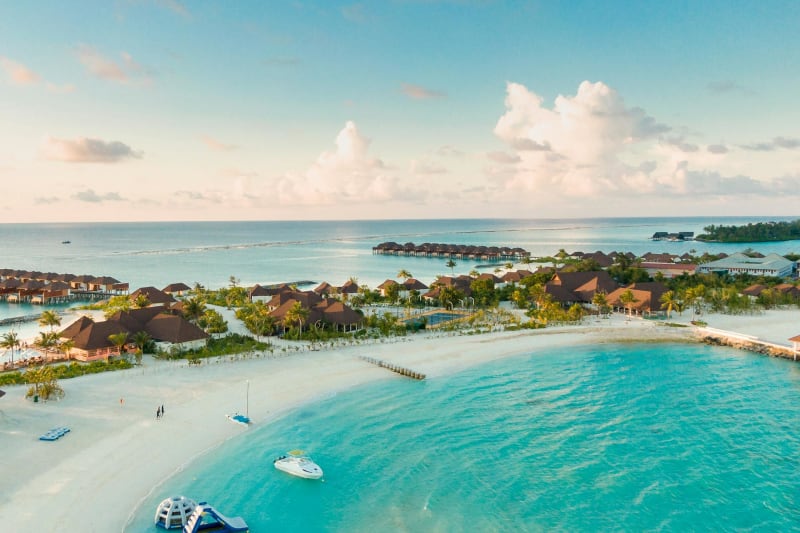
Palawan — The Last Frontier, Before It Isn't
Limestone lagoons, underground rivers, and the Filipino warmth that turns a beautiful trip into an unforgettable one.
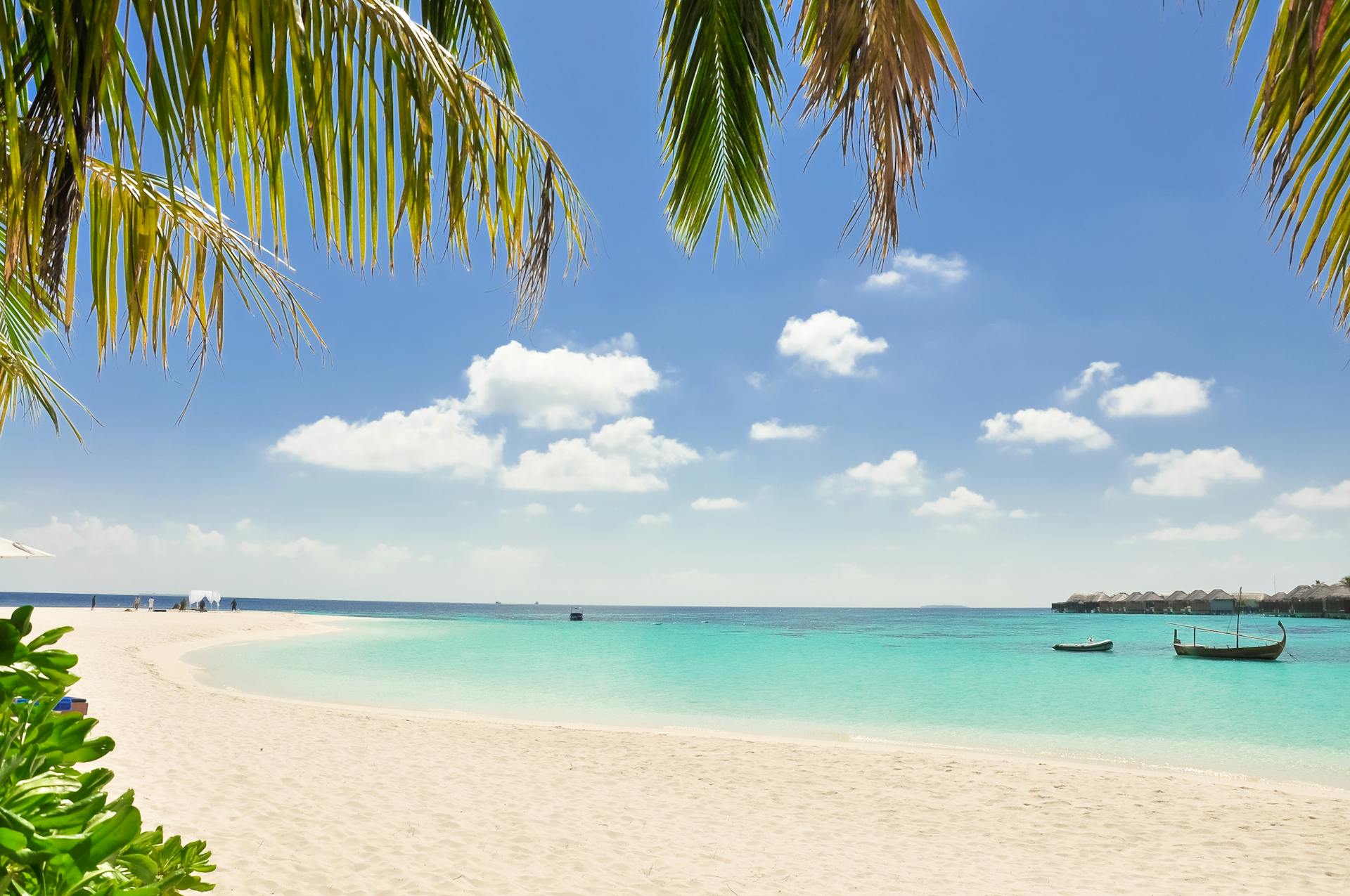
Asia
"The happiest country I have ever traveled in. It is not even close."
Seven thousand islands of impossible turquoise, fierce hospitality, and a joy of living that is genuinely contagious.
The Philippines does something to you that is hard to explain to people who have not been. You arrive expecting beautiful beaches — you get those, thousands of them, in a blue so vivid it looks artificial in photographs and somehow even more vivid in person. But the thing that rewires your experience is the people. Filipinos possess a warmth, a humor, and a generosity that is not performed for tourists. It is simply how they are. Strangers invite you to eat. Children wave from every tricycle. Your hotel receptionist becomes your friend, your friend becomes your guide, your guide invites you to a family birthday party. By the end of your first week, you have been adopted.
The geography is staggering. Palawan’s El Nido lagoons — limestone karsts rising from water so clear you can see the fish from thirty meters above in a boat. The Chocolate Hills of Bohol, a geological improbability that looks like a Dr. Seuss landscape. The rice terraces of Ifugao in northern Luzon, carved by hand two thousand years ago into mountainsides so steep they should not support agriculture. Siargao, the surfing island, where the wave breaks are world-class and the nightlife is a bonfire on the beach with a San Miguel in hand. Cebu, which manages to be both a modern city and a gateway to some of the finest diving in Southeast Asia.
The food has been underrated for too long. Filipino cuisine is a collision of Malay, Chinese, Spanish, and American influences that produces flavors nobody else has — the sour tang of sinigang, the vinegar punch of adobo, the crispy decadence of lechon, the street-side balut that is either an adventure or a hard no, depending on your constitution. Eat where the locals eat. It is always better and always cheaper.
When to go: November to May is dry season. January to March is ideal — post-typhoon season, before the Easter crowds, warm but not punishing. Avoid September and October unless you enjoy dramatic weather.
What most guides get wrong: They underestimate the logistics. The Philippines is an archipelago, and island-hopping requires patience with ferries, propeller planes, and flexible scheduling. Build buffer days into your itinerary. The reward for getting to the remote islands is extraordinary, but they are remote for a reason. Plan accordingly, and you will be fine.
Explore
 philippines
 Two-thousand-year-old rice terraces carved into mountainsides — the eighth wonder of the world, earned on foot.
Explore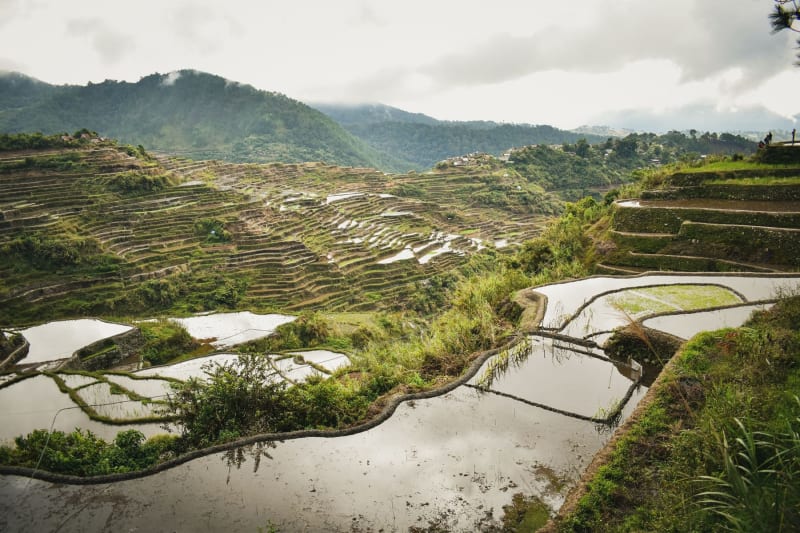 philippines
 An amphitheater of 2,000-year-old Ifugao rice terraces accessible only on foot from Banaue, with a village of no roads.
Explore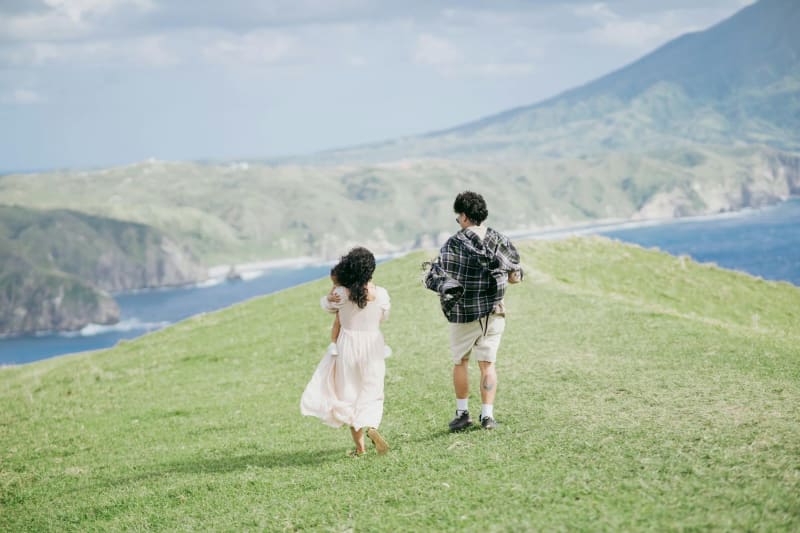 philippines
 Stone Ivatan houses cling to grass-rolled hills at the northernmost tip of the Philippines, near Taiwan.
Explore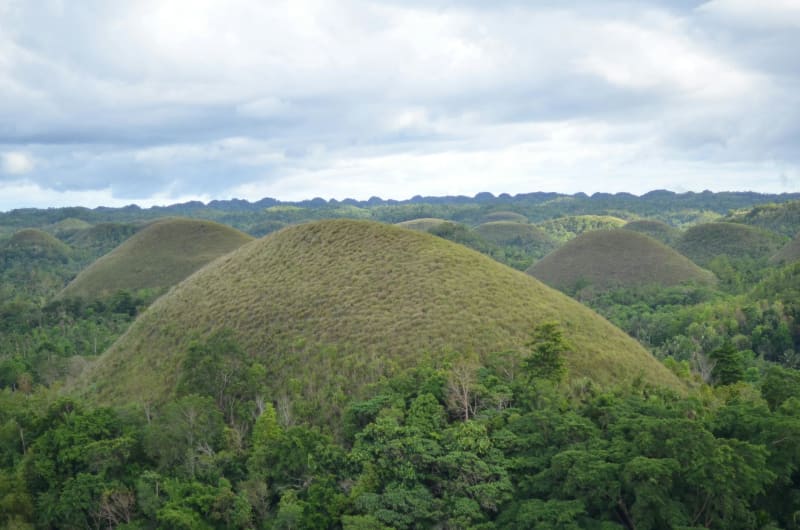 philippines
 The Chocolate Hills, the world's smallest primate, and a quieter Visayas island that delivers spectacle without the crowds.
Explore philippines
 White Beach, sunset sailing, and the island that came back from the brink to prove that paradise can be rescued.
Explore philippines
 Four kilometres of powder-white sand with neon sunsets that have made it the Philippines' most photographed shore.
Explore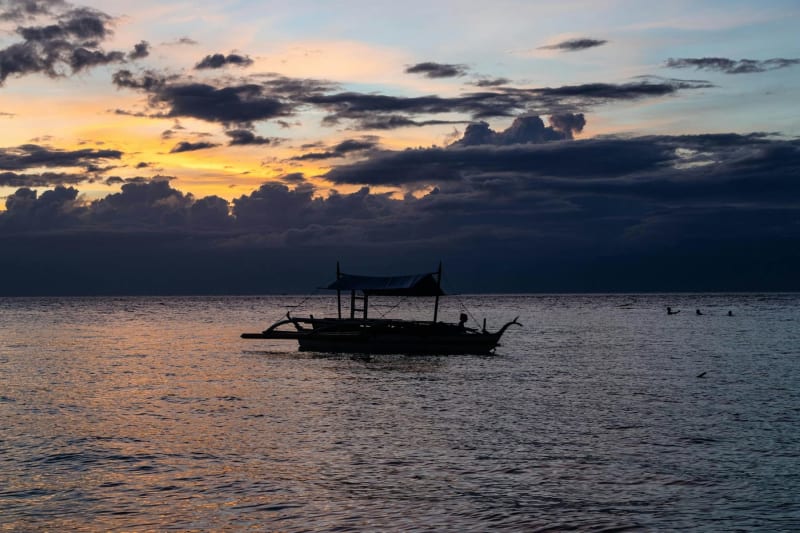 philippines
 Tiny island of four volcanoes, a sunken cemetery offshore, and sweet lanzones fruit in every market.
Explore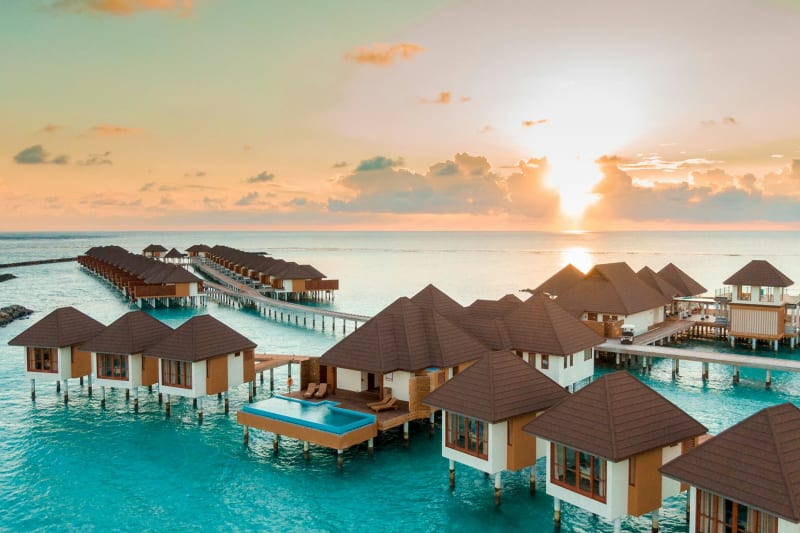 philippines
 A modern city, world-class diving, and whale sharks — the most versatile gateway to the Visayas.
Explore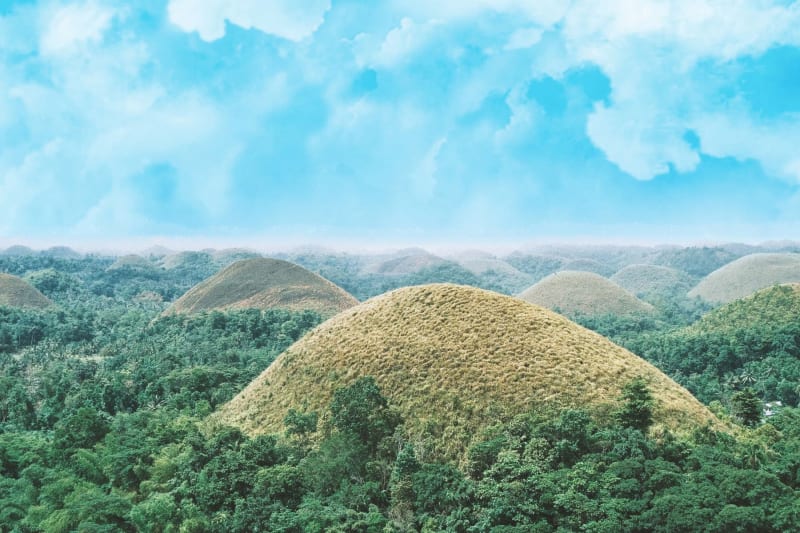 philippines
 Over a thousand perfectly conical grass mounds that turn brown in summer and give Bohol its signature view.
Explore philippines
 WWII shipwrecks, volcanic lakes, and the diving capital of the Philippines.
Explore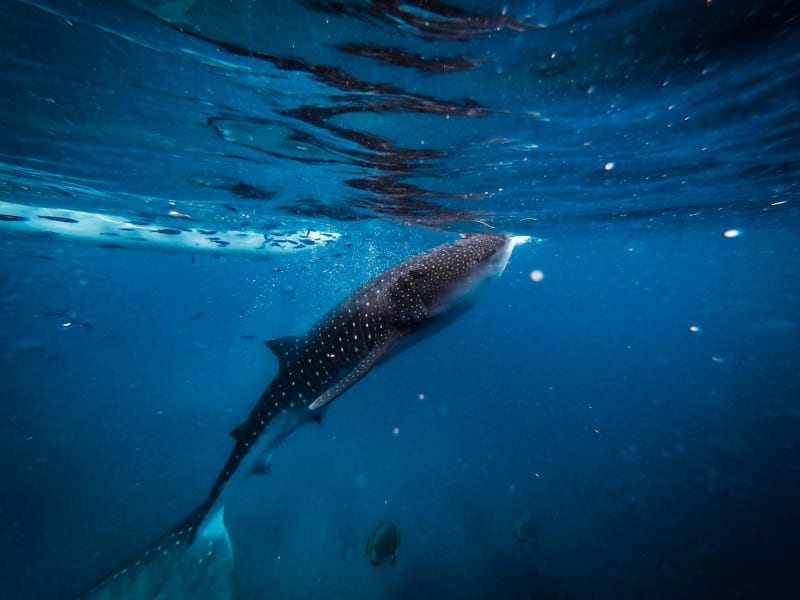 philippines
 The whale shark capital of the world, where gentle giants feed close to shore every dry season.
Explore philippines
 A laid-back university town, world-class diving at Apo Island, and the Visayas' most underrated gateway.
Explore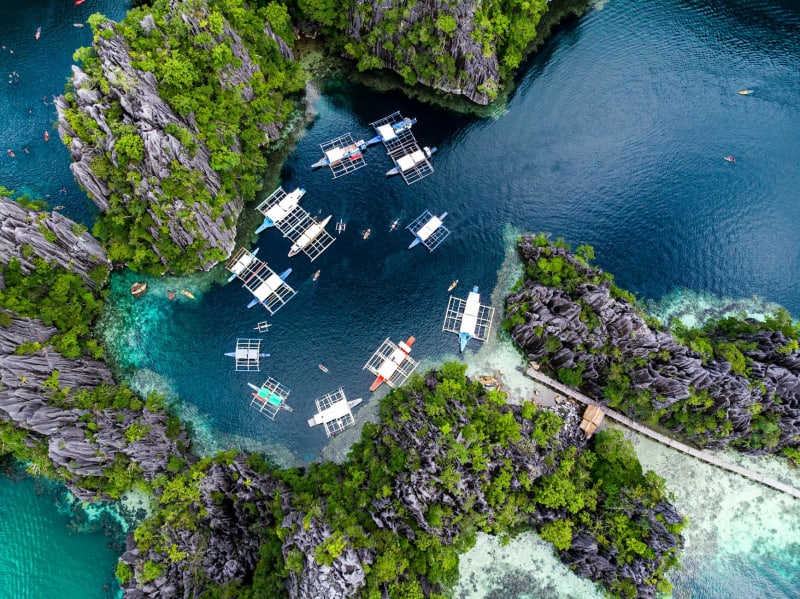 philippines
 Limestone cathedrals, secret lagoons, and the island-hopping that defines the Philippine experience.
Explore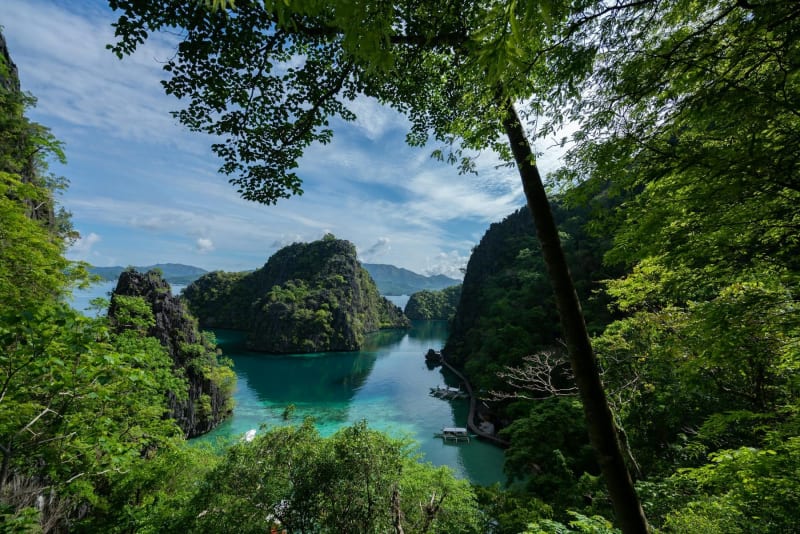 philippines
 The cleanest lake in Asia inside a karst lagoon on Coron Island, accessible through a fissure in the limestone cliff.
Explore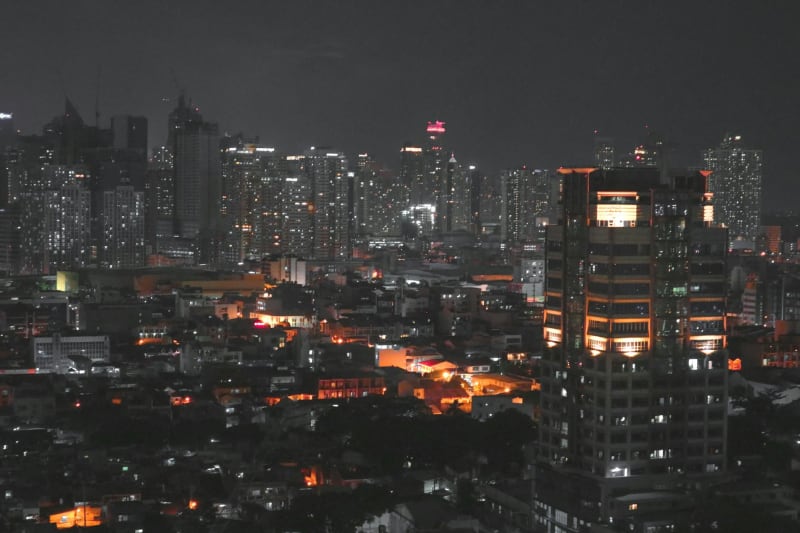 philippines
 A megacity of contradictions — colonial churches, neon-lit nightlife, and the best street food in Southeast Asia.
Explore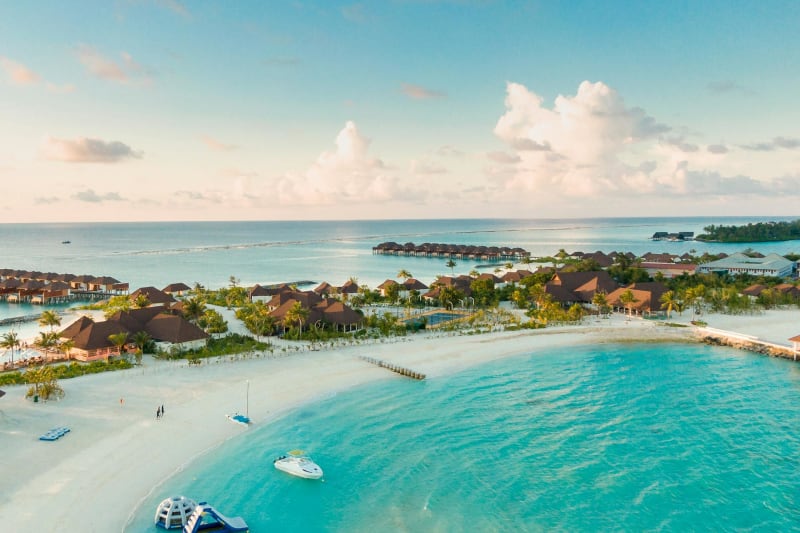 philippines
 Limestone lagoons, underground rivers, and the most beautiful island-hopping in Southeast Asia.
Explore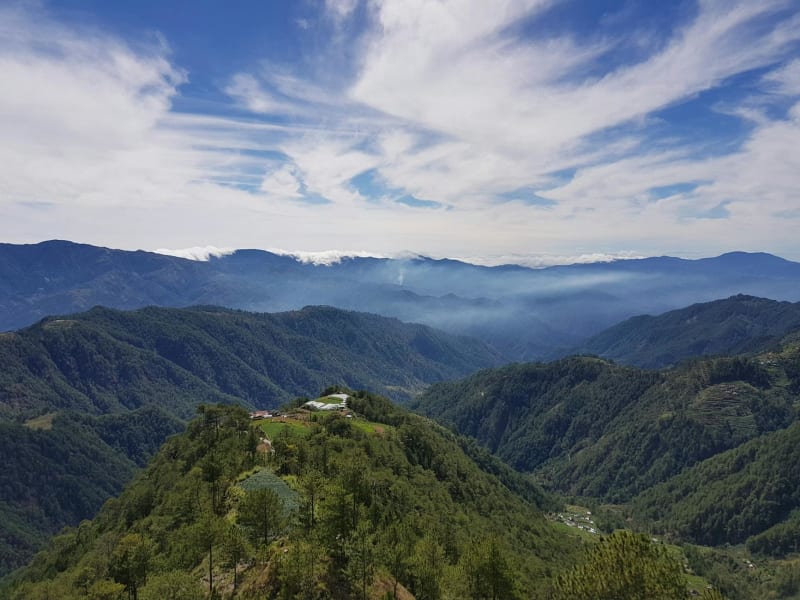 philippines
 Cloud-wrapped mountain town where Igorot coffins hang from cliff faces and caves glow with stalactites.
Explore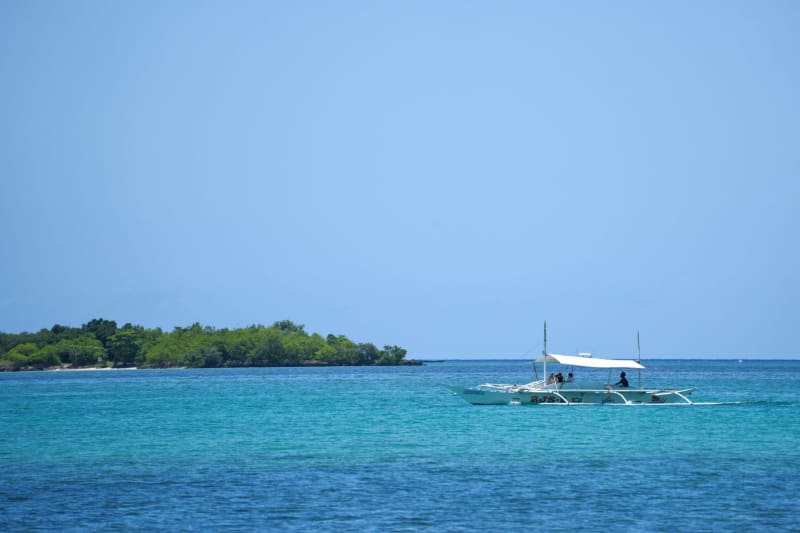 philippines
 A raw island of cathedral-sized limestone caves, jungle waterfalls, and almost no tourist infrastructure.
Explore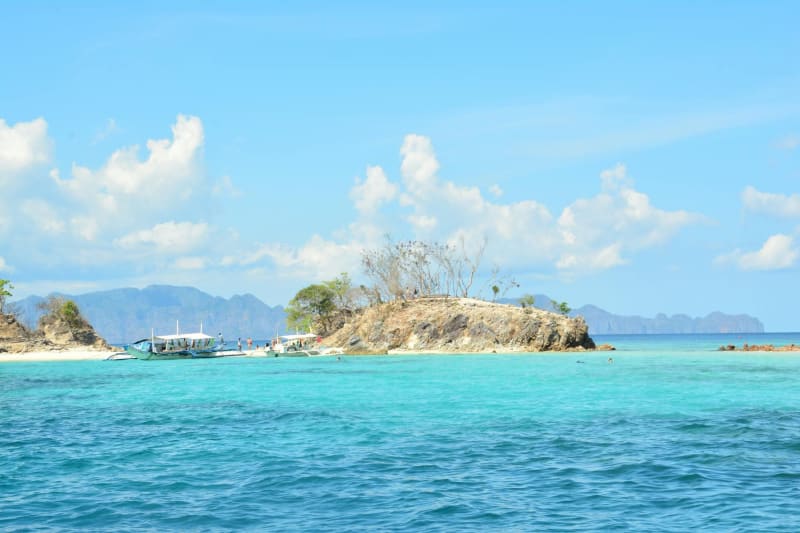 philippines
 A cluster of limestone islands north of Coron with Japanese WWII shipwrecks sitting in shallow warm water for divers.
Explore philippines
 Cloud 9, coconut palms, and an island surf culture that is still more bonfire than nightclub.
Explore philippines
 A Spanish colonial town in the far north of Luzon where cobblestone streets, horse carriages, and 18th-century merchant houses survived everything that should have erased them.
ExploreFrom the journal
Free download
A curated PDF itinerary with honest picks, real restaurants, and the details that matter — the kind you'd actually print and bring.
Download the guide