The Alentejo Coast — Portugal's Last Quiet Secret
Why I Stopped Going to the Algarve
I have nothing against the Algarve. It is beautiful. The grottos are spectacular, the golf courses are immaculate, and if you want a reliable beach holiday with good infrastructure, it delivers. But it has been found. Thoroughly, completely found. The Algarve today feels like the south of France did fifteen years ago — still gorgeous, but no longer yours.
The Alentejo coast is something else entirely. Drive an hour south of Lisbon and the landscape opens into rolling plains dotted with cork oaks and olive groves. Keep going until the land ends at cliffs so dramatic they make the Algarve’s postcard coves look tame. The beaches here are vast, wind-sculpted, and on most days, nearly empty. This is not a place that has been undiscovered — the Portuguese have always known about it. It is a place that has, until recently, resisted development. That resistance is its greatest asset.
The Drive From Lisbon
Leave Lisbon early. Take the A2 south and exit toward Alcácer do Sal, a small town on the Sado estuary that most people blow past. Stop here. Have a coffee on the riverbank. Watch the storks nesting on the church towers — there are dozens of them, enormous, improbable. This is where the Alentejo announces itself: slower pace, wider sky, the sense that nobody is in any particular hurry.
From Alcácer, cut west toward the coast. The roads narrow. The signage becomes optimistic rather than precise. This is fine. You are not lost; you are in the Alentejo.
Where to Stay
São Lourenço do Barrocal is the property that put this region on the design-hotel map. It is a converted 19th-century agricultural estate outside Monsaraz — white walls, stone floors, an infinity pool overlooking the plains, and a restaurant that sources almost everything from the surrounding farm. It is not cheap. It is worth it. The rooms have a restraint that feels distinctly Portuguese: nothing unnecessary, everything considered.
Closer to the coast, Craveiral Farmhouse near Aljezur offers something different — a collection of renovated farmhouses scattered across a working estate. The vibe is more rustic, more communal. There is a wood-fired hot tub. The restaurant serves whatever came in that morning. I stayed four nights and ate grilled sea bass three times without complaint.
For something smaller, look at Herdade da Matinha near Cercal do Alentejo. It is a family-run farm stay with a handful of rooms, an honesty bar, and the kind of silence that takes a full day to adjust to.
The Beaches
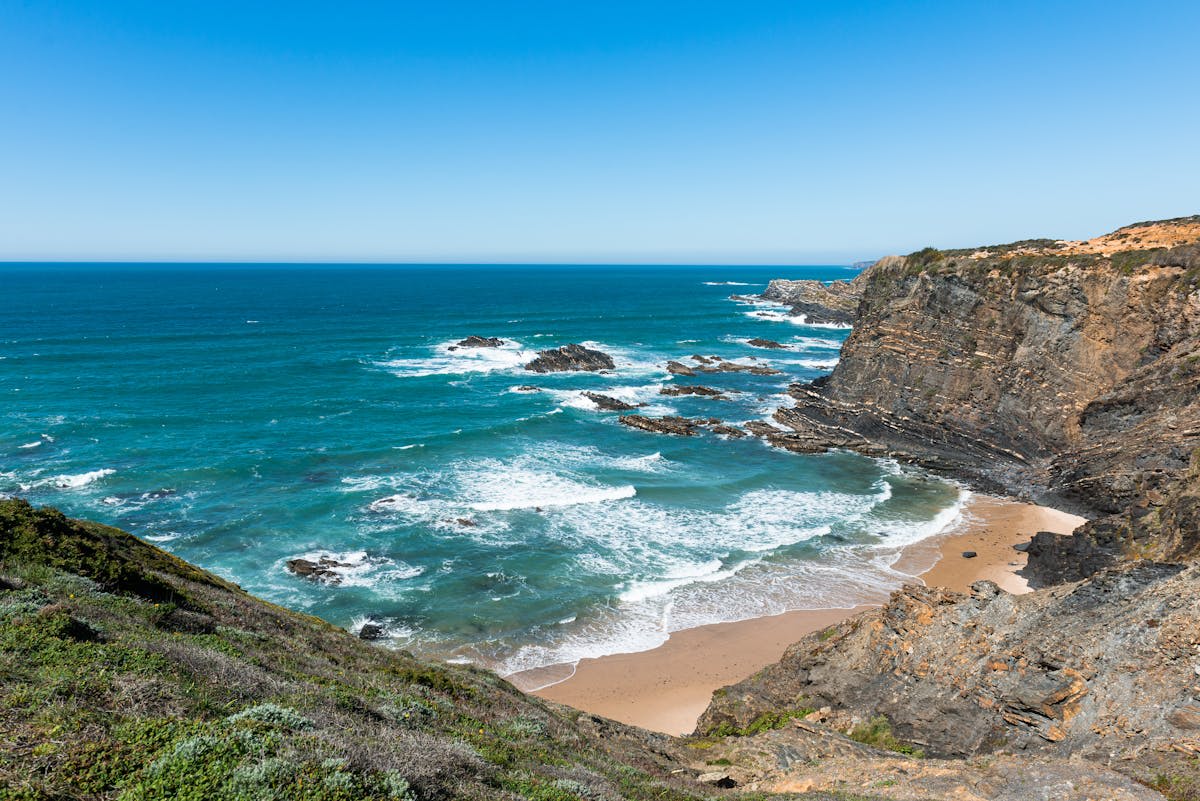
The Alentejo coast is part of the Vicentina Natural Park, which means it is protected from the resort development that consumed the Algarve. The beaches are reached by dirt roads and short walks through scrubland. Bring water. Bring a windbreak.
Praia do Malhão is my favorite — a long, wide crescent backed by dunes, with waves strong enough to surf and a total absence of beach bars or sunbed concessions. You park in a sandy lot, walk ten minutes, and find yourself on a beach that could seat a thousand people but rarely holds more than thirty.
Praia da Samoqueira, near Porto Covo, is smaller and more sheltered. There is a single restaurant on the cliff above where you eat grilled sardines and drink vinho verde and stare at the Atlantic until your thoughts slow to an acceptable speed.
Praia dos Alteirinhos, near Zambujeira do Mar, requires a steep descent down wooden stairs cut into the cliff. At the bottom: a perfect cove, rust-red cliffs, transparent water. Go at low tide.
Where to Eat and Drink
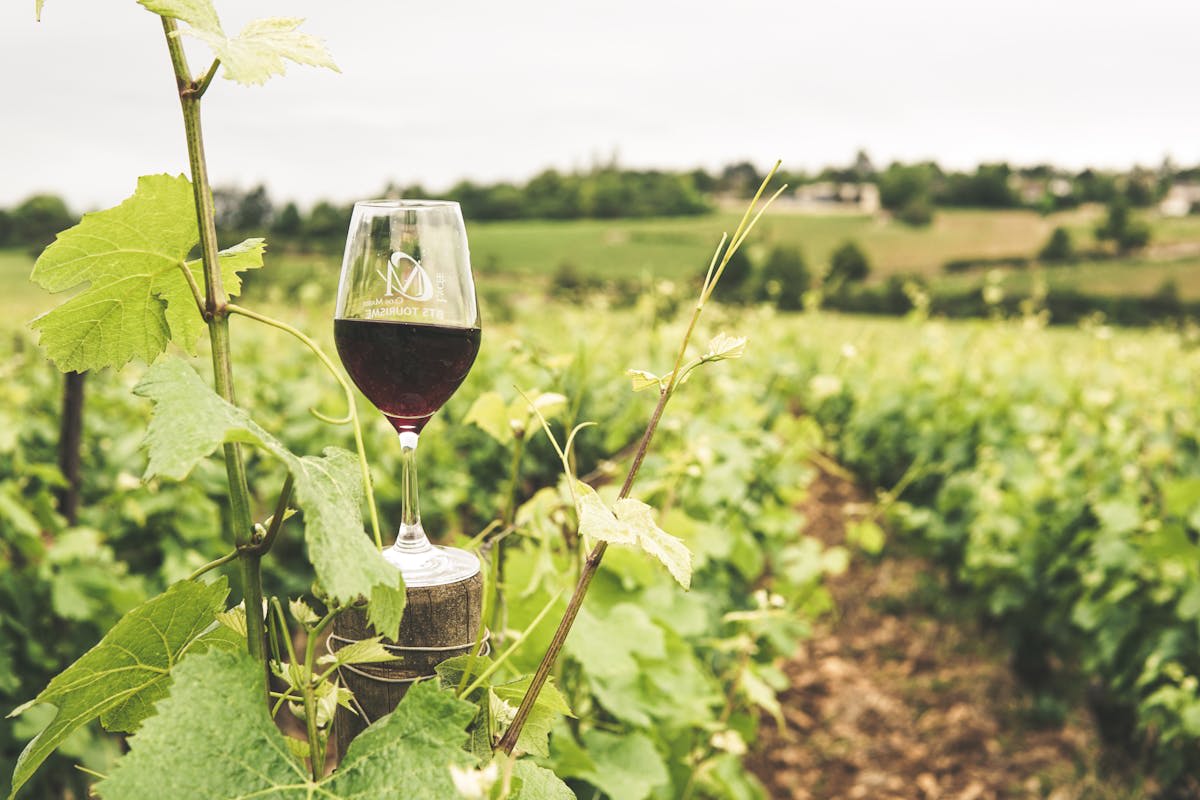
The Alentejo is wine country — specifically, it produces some of Portugal’s most interesting reds. Full-bodied, earthy, built for the local cuisine of slow-braised pork, migas (bread crumb dishes), and açorda (a bread-based soup with garlic and cilantro that sounds humble and tastes extraordinary). Visit Herdade do Esporão near Reguengos de Monsaraz for a tasting and lunch — the estate is vast, the wines are excellent, and the restaurant treats the region’s peasant cuisine with the seriousness it deserves.
In Porto Covo, eat at O Marquês for the freshest fish on the coast — whole sea bream grilled over charcoal, served with nothing but boiled potatoes and a drizzle of olive oil. In Zambujeira do Mar, O Sacas does the same thing, possibly even better, at a plastic table overlooking the ocean.
The Light and the Emptiness
What stays with me about the Alentejo is the quality of the light. In the late afternoon, the coast turns gold in a way that is almost aggressive — the cliffs glow, the water darkens to cobalt, and the whole landscape looks like it was painted by someone who understood that beauty does not require complexity. The Alentejo is not trying to impress you. It is simply there, vast and quiet and wild, waiting for you to slow down enough to notice.
Go before the rest of Europe figures this out. The clock is ticking.
Voyagez avec intention
Guides sélectionnés, destinations paisibles et récits qui valent la peine d'être lus — envoyés quand nous avons quelque chose qui mérite d'être partagé.
Pas de spam. Désabonnement à tout moment.