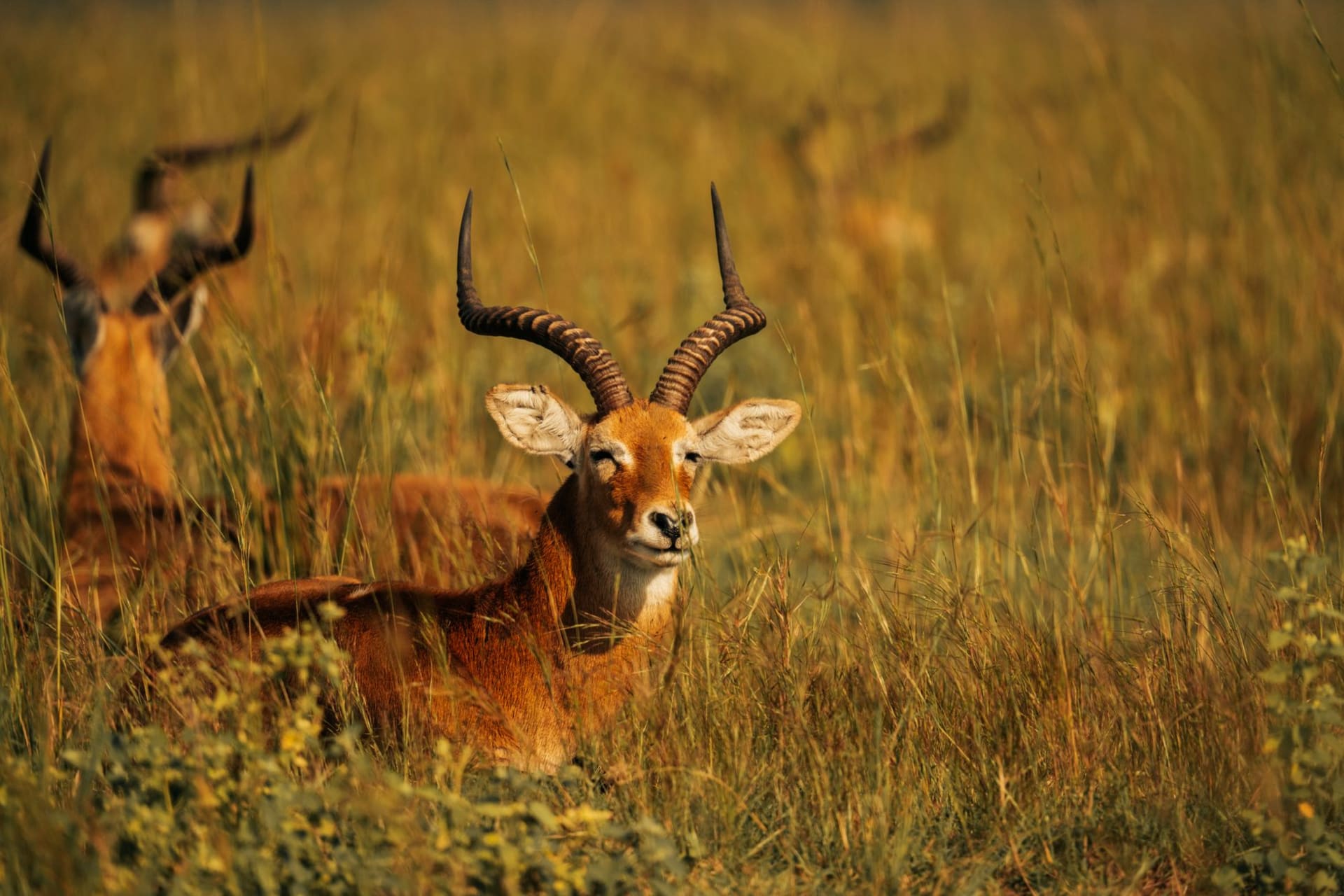
Kafue National Park
"The guide turned off the engine and we sat for twenty minutes in the kind of silence that has weight."
Kafue National Park is 22,400 square kilometers of bush, river, and floodplain — larger than Wales, larger than El Salvador, roughly the size of somewhere you would normally need a connecting flight to cross. Zambia has been calling it an undiscovered gem for decades, and it remains genuinely undiscovered in the sense that matters: you will not see another vehicle unless you arrange to.
I came to Kafue partly because it was inconvenient to get to, which is usually a reasonable heuristic for quality.
The North: Busanga Plains
The northern section of the park contains the Busanga Plains, a vast seasonal floodplain that drains slowly through the dry season to reveal short-grass wetlands that attract lions, cheetahs, red lechwe antelopes, and enormous flocks of wading birds. The plains are flat enough that you can see three kilometers in any direction, which means you can also see the weather arriving — afternoon thunderclouds building from nothing to towering drama in the time it takes to drink a coffee.
The lion prides on the Busanga are well-documented by the local guides, who know the coalition territories and the females’ habits with the precision of people who spend every day watching the same animals in the same place. This intimacy shows. The viewing here felt different from the camera-click encounters elsewhere — contextual, earned, continuous rather than episodic.
The South: Kafue River
The southern sector centers on the Kafue River and its tributaries, and the landscape shifts from open plains to mixed woodland and riverine forest. The fishing here is serious — tiger fish, bream, vundu catfish that grow to a size that tests the credibility of anyone describing them afterward. A camp on the river in June, the air dry and cold at dawn, a steaming cup of something hot while the camp wakes up around the sound of kingfishers: this is what I mean when I fail to explain what Africa does to a particular kind of person.
African wild dogs are regularly sighted in Kafue in numbers that make it one of the better parks on the continent for the species. They move fast and the sightings require some luck, but the guides track their movements daily and the odds are meaningfully better here than most places.
The Question of Access
Kafue’s size and remoteness mean logistics matter. Flying in — there are small airstrips scattered through the park — is expensive but saves the truly punishing road journey from Lusaka. The road exists in the technical sense, but “road” is doing substantial work in that sentence during the shoulder seasons. I drove in from the south in July and would not recommend it to anyone who places value on their vehicle’s suspension or their own patience.
But the remoteness is the product. At the Busanga camp I stayed at, I was one of four guests. Four guests in 22,000 square kilometers of national park. The guide pointed out the arithmetic unprompted, with visible satisfaction.
When to go: June to October for dry season access. The Busanga Plains are only accessible roughly July to October, once the floodwaters recede. November to May, most of the park is inaccessible and camps close. August combines good game viewing with slightly less punishing heat than September and October.