Bangweulu Wetlands
"The shoebill turned its head slowly and looked at me with the expression of something that predates mammals."
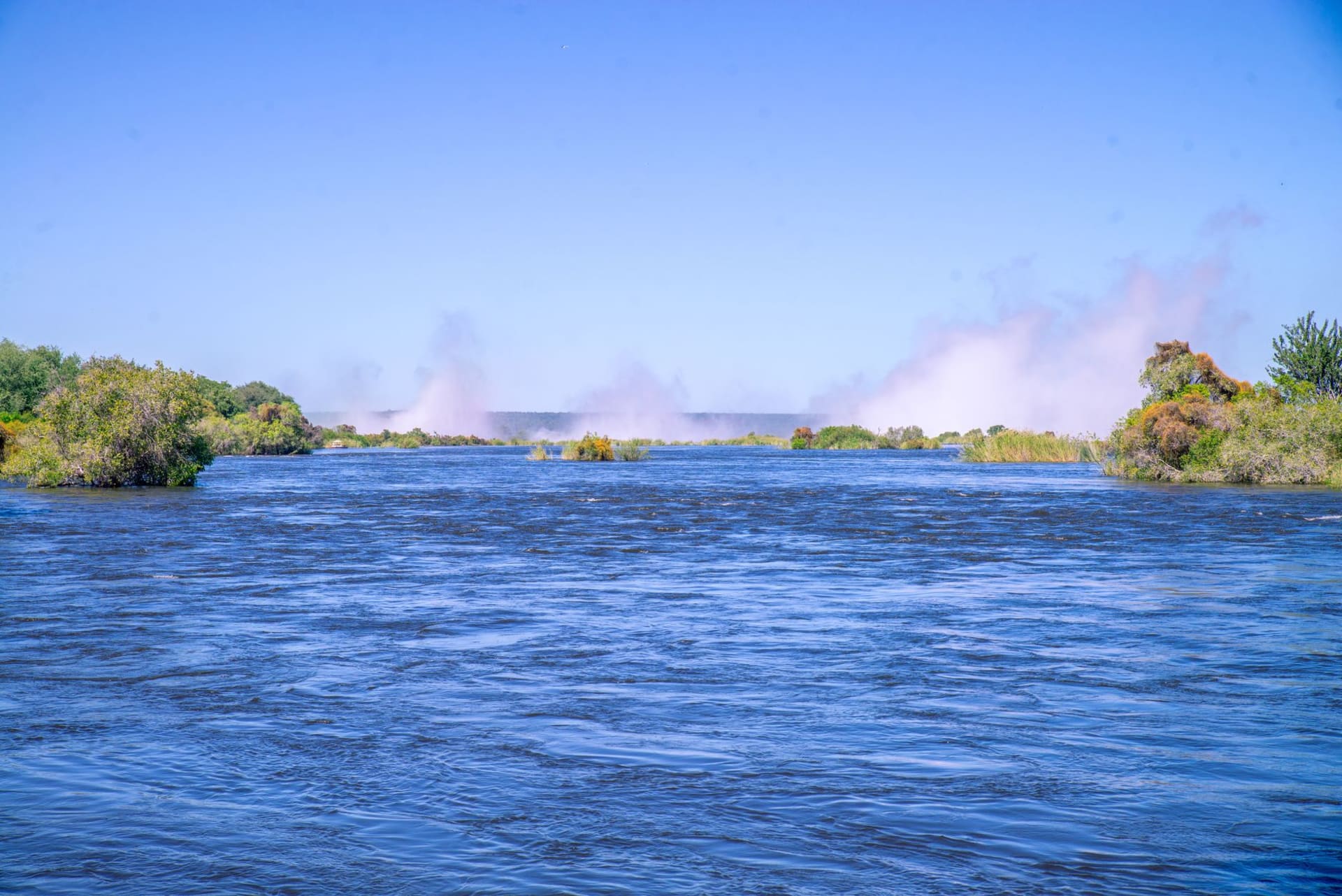
The Bangweulu Wetlands are, by any reasonable measure, enormous. The lake and its surrounding swamps and floodplains cover an area larger than Switzerland, a flat, water-saturated world in northern Zambia where the distinction between land and water operates on a seasonal timetable that the resident animals understand better than any map. At peak flood the wetlands are navigable only by dugout canoe; in the dry season, vast grass plains emerge from the receding water, black lechwe antelopes moving across them in herds that can reach twenty thousand animals.
I went primarily for the shoebill.
The Shoebill
Balaeniceps rex — the whale-headed stork. The name is almost underselling it. The shoebill is about 1.2 meters tall with a wingspan approaching 2.5 meters, and its bill is roughly the size and shape of a Dutch clog: wide, hooked at the tip, utterly improbable from every angle. It stands motionless in the shallows for hours at a time, waiting for lungfish to surface, and then strikes with a speed that is genuinely shocking for an animal that otherwise appears to have opted out of urgency as a lifestyle.
The guides at Bangweulu know the shoebill territories. They pole the dugout canoes through papyrus channels that feel impossibly narrow — the papyrus closing over the bow, the water black and still beneath us — and then the papyrus opens and there is a shoebill, three meters away, not remotely alarmed by our presence, regarding us with what I can only describe as the considered assessment of something that has been here longer than we have.
The Black Lechwe and the Grass Plains
The black lechwe antelope is endemic to the Bangweulu basin — it exists nowhere else. At the peak dry season, the herds that gather on the emerging grass plains are one of the great wildlife spectacles in Africa, and one of the least visited. The lechwe are dark red-brown, the males darker still with their curved horns, and they move with a splashing, bounding gait through the shallow water that covers much of their habitat.
The community-run nature of the wetlands management here is worth understanding. The local Bemba and Ushi communities share in wildlife revenues and have strong conservation incentives; poaching has dropped substantially since the community conservancy model was introduced. The guides are all from surrounding villages and carry an encyclopedic knowledge of the wetlands that comes from having grown up adjacent to them.
The Logistics of Getting Very Far North
Bangweulu is remote even by Zambian standards. The nearest town of any size is Samfya on the lake’s western shore, reached by long road from Lusaka or by bush plane to Wasa airstrip near Kasanka. From Kasanka you can continue to Bangweulu — many visitors pair the two, timing arrival for bat season and then driving north.
The camps here are simple to the point of austerity: bucket showers, lantern light, no electricity past nine. The food is good in the way that camp food is always good — simple, fresh, eaten hungry after a long morning on the water.
When to go: The shoebill is present year-round but most reliably spotted in the dry season (May to October) when water levels drop and the birds concentrate in the remaining channels. Black lechwe herds peak in October to November as the floodplains dry out. The wet season (November to April) offers birds but requires canoe-only access and significant flexibility.