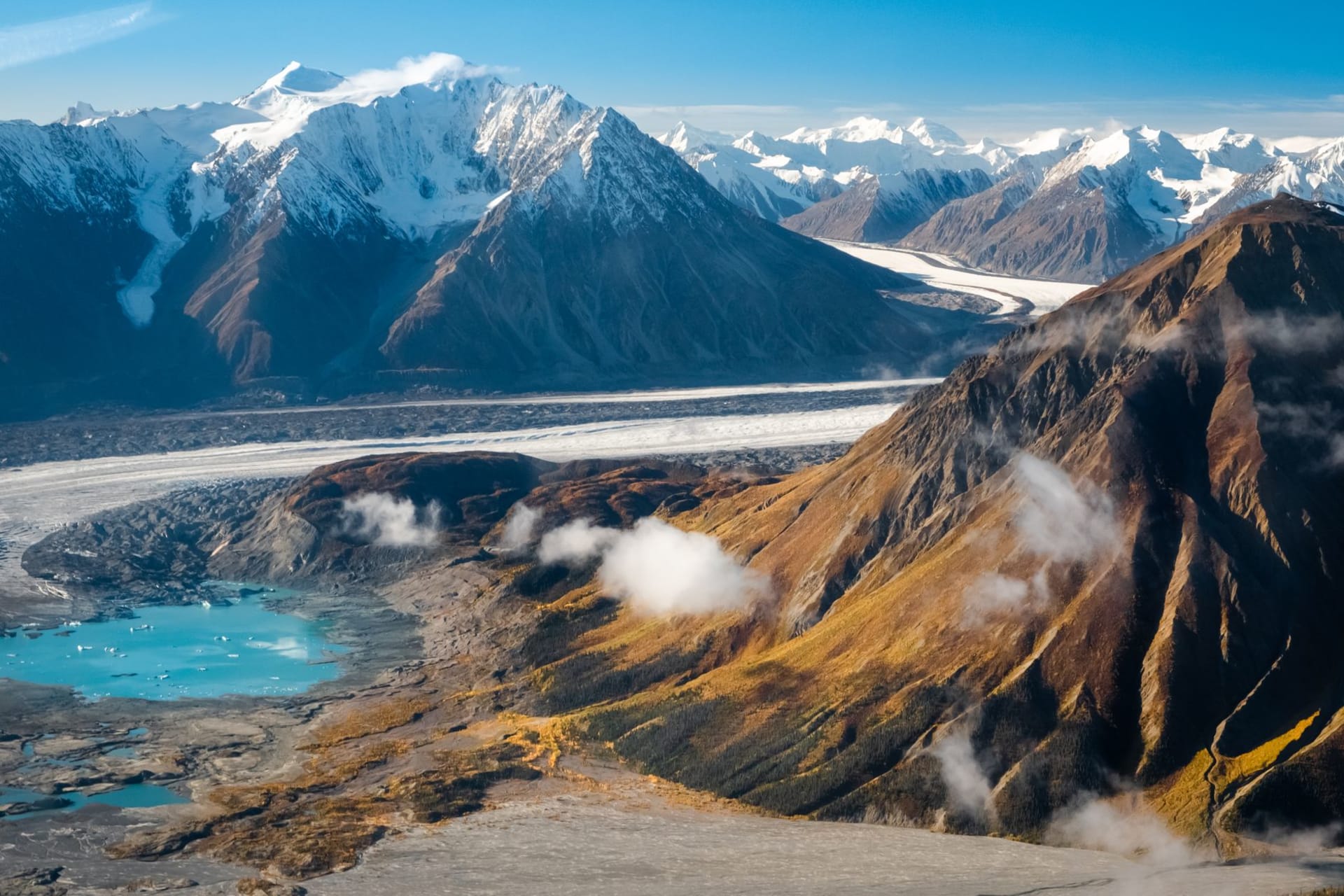
Herschel Island (Qikiqtaruk)
"The pilot pointed at a smudge of land in the Arctic Ocean and said that was the whole of it."
Herschel Island sits in the Beaufort Sea off the very top of the Yukon, the only part of the territory that actually touches the ocean. To the Inuvialuit it is Qikiqtaruk, which simply means “it is an island,” and people have lived and hunted here for centuries. It is not a place you stumble into. Getting there meant a small plane up to the Arctic coast and then a boat across cold, grey water, and I spent most of that crossing wondering what I had talked myself into.
What I’d talked myself into turned out to be one of the strangest and most affecting places I have been. The island is low and treeless, a hump of tundra ringed by gravel spits, and it carries an outsized amount of human history for somewhere so small and so far from everything.
The Ghosts of Pauline Cove
In the 1890s, American whalers discovered that Pauline Cove on the island’s southeast side was a rare safe harbour in the western Arctic, and within a few years it became a wild, improbable boomtown — hundreds of men overwintering, trading, drinking, and dying out here at the edge of the map. The bowhead whales were nearly wiped out, the boom collapsed, and what’s left is a cluster of weathered wooden buildings still standing on the permafrost.
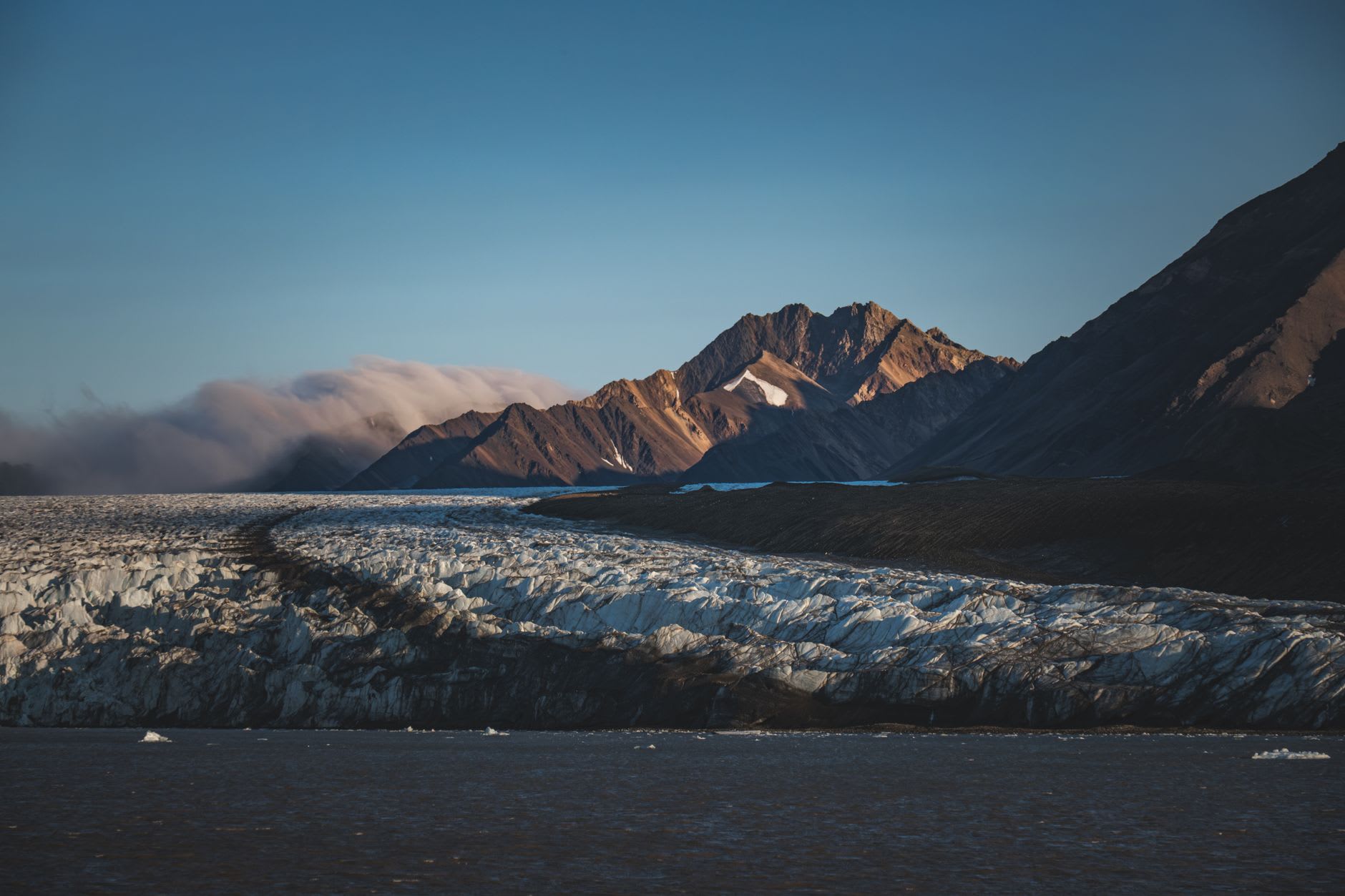
I walked through the old community house and the mission, floorboards complaining underfoot, and read the names of men buried in the little cemetery — sailors from Hawaii, from San Francisco, from places that could not be more unlike this one. A ranger who works the island in summer told us the permafrost is thawing now and the graves are slowly being disturbed by the ground itself. The whole island, she said, is eroding into the sea a little more each year.
Tundra, Bears, and Birds
Beyond the cove the island is pure western Arctic tundra — a carpet of moss, lichen, and tiny ferocious wildflowers that flatten themselves against the wind. We hiked inland under a sky that simply would not get dark, the summer sun grinding along the horizon at midnight. There are muskoxen on the island, and caribou cross over the sea ice in season, and the rangers carry rifles for the polar bears, which are not a theoretical concern up here.
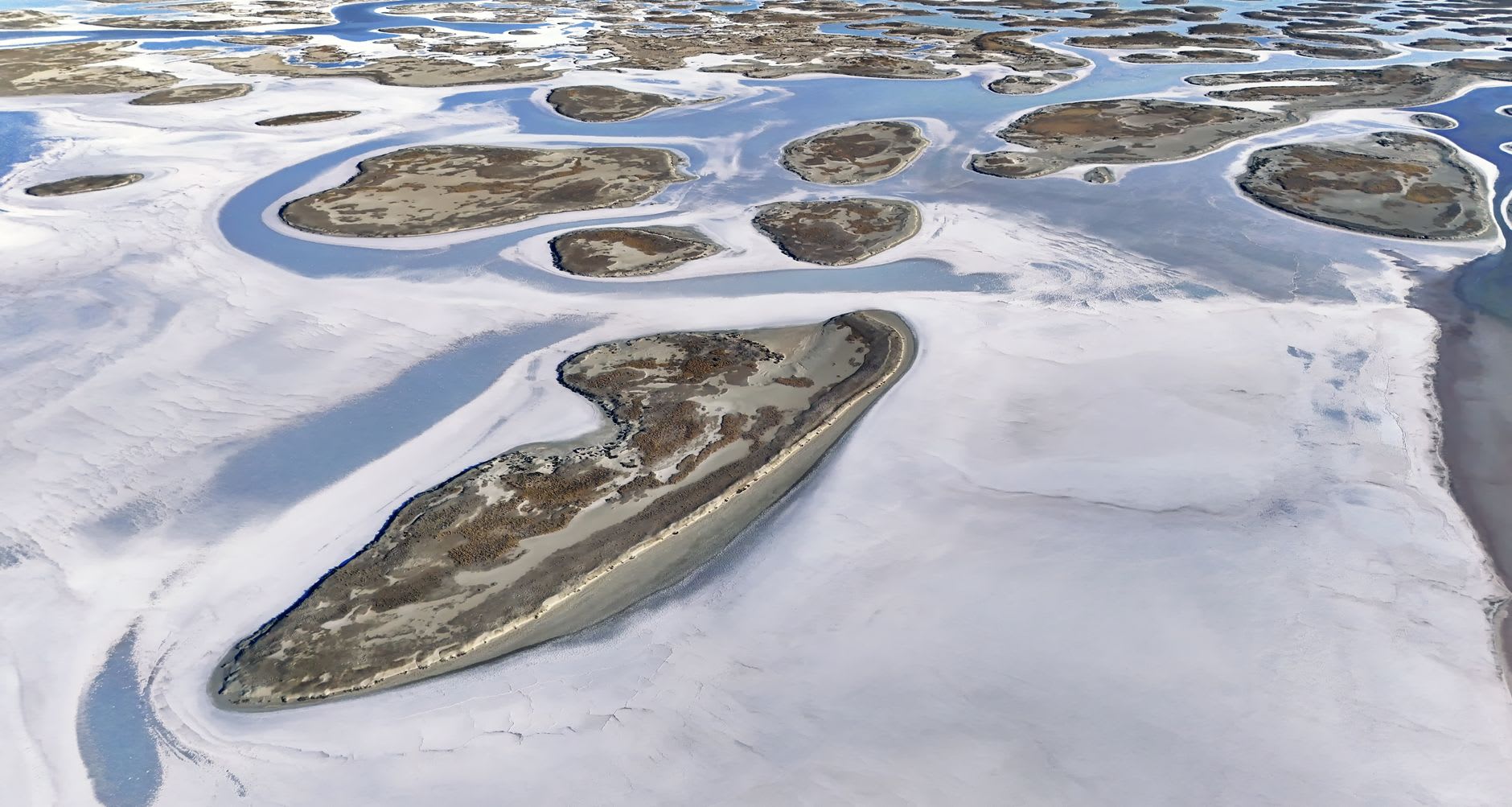
Lia spotted a snowy owl on a driftwood log and froze, and we both stood watching it for a long time until it decided we were boring and lifted off without apparent effort. The birdlife here is staggering in the brief summer — this is breeding ground for species that fly in from three continents.
How You Actually Get Here
There is no scheduled service. You reach Herschel by charter flight and boat from Inuvik in the Northwest Territories, usually as part of an organized trip, and you go in the narrow window — roughly July to early September — when the sea ice has cleared enough to land. It is expensive, weather-dependent, and entirely worth it. Bring far more warm clothing than seems plausible for summer; the wind off the pack ice does not care what the calendar says.
When to go: July and August are the only realistic months, when the ice is out, the birds are nesting, and the tundra briefly blooms. Even then, dress for a cold that comes straight off the Arctic Ocean.