Kashgar
"The bread here has been baking in the same clay ovens for longer than France has existed as an idea."
The Old City at Dawn
I arrived in Kashgar on an overnight train from Urumqi and walked straight from the station into the old town before I’d eaten or slept. That was the right move. The earthen alleyways of the old quarter—what remains of them after decades of demolition and “preservation”—catch the early light at a particular angle that makes the mud-brick walls glow like amber. Donkey carts were already moving through lanes barely wide enough for them, their drivers shouting a short syllable I couldn’t parse. The bread bakers had their tandoor ovens going, and the smell of sesame and char was thick enough to count as breakfast.
Kashgar sits at the meeting point of routes that once connected China to Persia, India, and Rome. You feel that layering in the faces—Uyghur, Kyrgyz, Tajik, Han, the odd Russian trader—and in the food, which belongs to no single cuisine. I ate laghman, the hand-pulled noodles dressed in tomato and lamb, every single morning, adjusting which stall I used based on how aggressively they stretched the dough.
Sunday Bazaar
The Sunday livestock market on the eastern edge of town is one of those places that makes you recalibrate what the word “market” means. By seven in the morning there were several thousand sheep, a few hundred cattle, and a crowd of Kyrgyz herders in felt kalpak hats doing deals by gripping each other’s hands inside a shared sleeve. I couldn’t follow the negotiations but the body language was universal: the seller turns away, the buyer shrugs, somebody relents.
The main bazaar—the covered one, daily—is less dramatic but more useful for understanding how the city actually functions. Stalls sell bolts of ikat silk alongside phone cases, dried mulberries next to automotive parts. A man was repairing a leather saddle with a bone needle. Another was grinding spices with a hand-crank mill, the turmeric dust settling on everything within a meter radius, including me.
Id Kah Mosque and the Square
The yellow-tiled facade of Id Kah Mosque anchors the main square in a way that feels less like tourism and more like civic fact. Friday prayers overflow into the square itself, and even on ordinary days the plaza has the low hum of a place that matters to people beyond its function as a photo backdrop. I sat on the steps of a tea house across the square for a long afternoon, drinking black tea with rock sugar, watching the foot traffic and trying to sketch the minaret badly.
The lanes immediately behind the mosque contain the hat makers, the coppersmith quarter, and several tiny restaurants serving polo—the rice-and-lamb pilaf that is both festive food and everyday sustenance here. The polo at the place with no sign, third alley right of the mosque’s north gate, was the best thing I ate in Xinjiang.
Getting Out into the Countryside
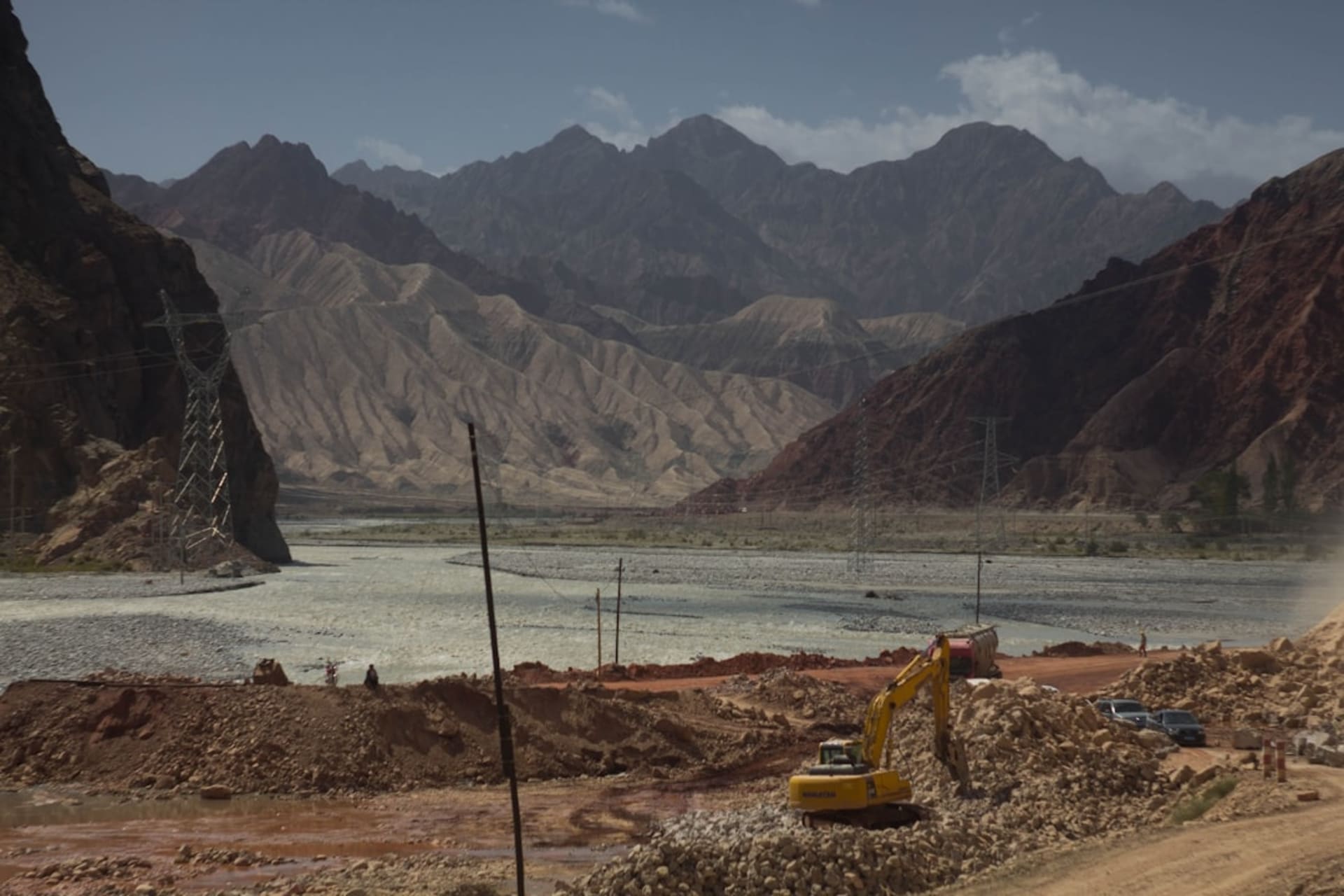
The Pamir Highway begins its climb south of Kashgar, and even a day trip toward Opal or Upal rewards the effort. The landscape changes within forty minutes: the city’s sprawl gives way to poplars along irrigation channels, then dry foothills the color of terracotta. Village apricot orchards appear in spring like pale explosions against the brown hills. I hired a car and driver for a day and we reached an elevation where the air tasted like altitude before turning back.
When to go: Late April through early June for mild temperatures and apricot blossom season. September is cooler and the Sunday bazaar draws harvest-season sellers. Avoid July–August, when heat in the basin is punishing and tourist numbers peak. The livestock market runs year-round but is most active before Eid al-Adha.