Iloilo City
"The batchoy arrived in a bowl too large for the table and I ate every drop of it without speaking — which is, I think, the intended effect."
La Paz Batchoy and the Breakfast Argument
The argument over where to eat the best La Paz Batchoy in Iloilo is conducted with the seriousness Lyonnais people reserve for debates about quenelles. The dish — a noodle soup of pork offal, shrimp, crushed chicharon, a raw egg cracked in at the table, and a broth that has been simmering, according to various accounts, since the 1930s — originated in the La Paz market and remains most purely itself in the original stalls there. I ate at Ted’s Old Timer La Paz Batchoy near the market on my first morning. The broth was dark, rich, and faintly liver-sweet, the noodles thin and soft, the pork belly slices yielding. A vendor added the egg for me and stirred it into the heat.
I also ate at Netong’s in the market proper. The disagreement between Ted’s and Netong’s loyalists is real and irresolvable, which is precisely the right condition for a local food debate.
Iloilo’s food culture extends well beyond batchoy. KBL — kadios, baboy, langka, a stew of pigeon peas, pork, and jackfruit in a sour tamarind-adjacent broth — is the kind of dish that requires an explanation and rewards one. Pancit molo, the dumpling soup from Molo district, fills doughy pouches with ground pork and shrimp in a clear chicken broth that is simultaneously humble and technical.
The Heritage Belt
Iloilo punches above its size in architecture. The city developed significant wealth during the nineteenth-century sugar economy, and the ilustrado families who profited built accordingly. The heritage zone along Calle Real and the Jaro district contains:
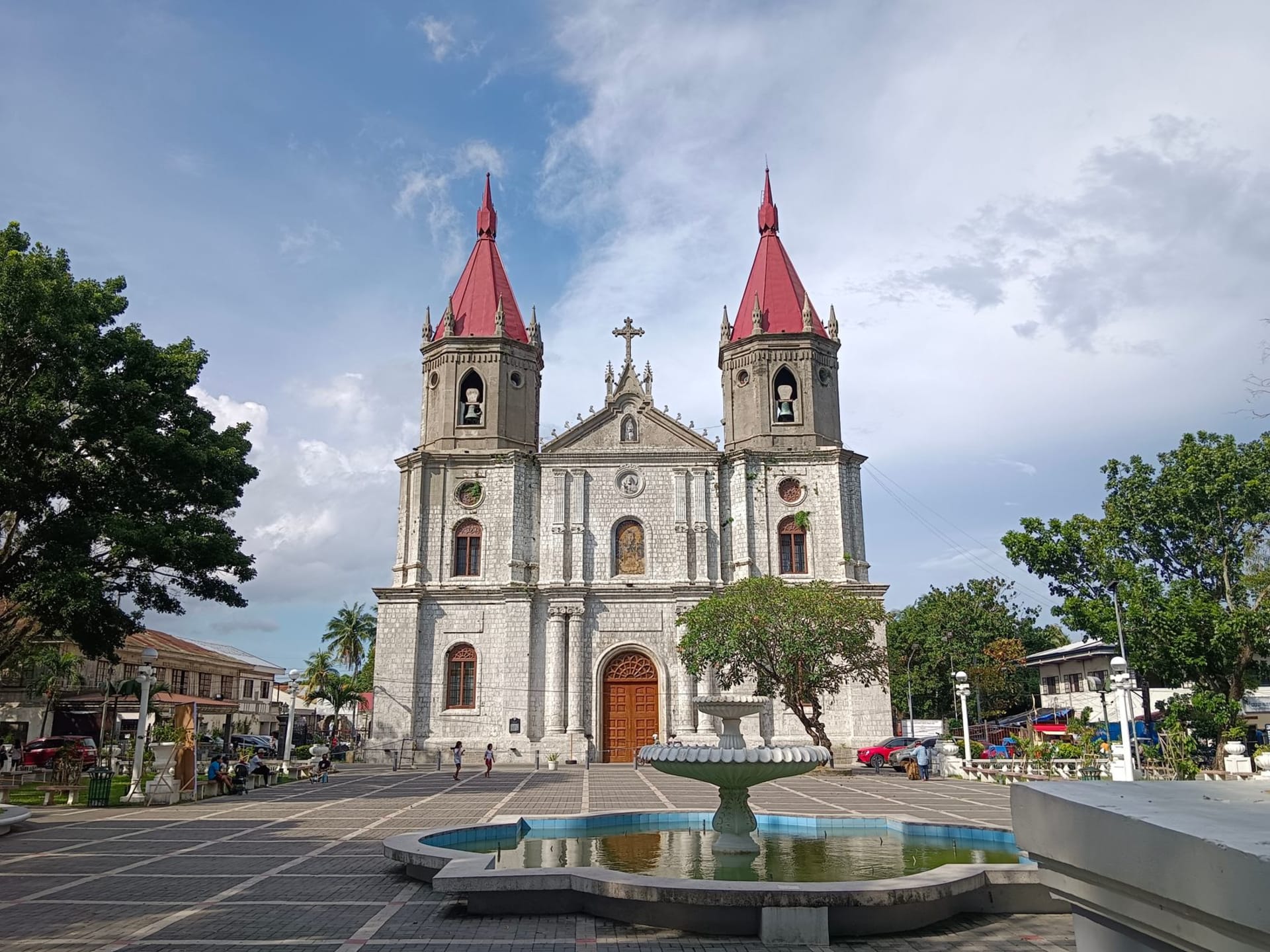
The Jaro Cathedral, whose towering twin belfry stands separately from the main church, has been the seat of Marian devotion since 1863. Molo Church, built in 1831, is known as a “feminist church” — it was administered and staffed by women during the Spanish period, a singularity documented in its all-female saint iconography. The Molo Plaza in front of it has the calm, celadon quality of provincial Spanish squares.
The ancestral houses of Calle Real — now largely repurposed as restaurants, inns, and offices — have the high ceilings and capiz-shell windows of Filipino-Spanish bahay na bato architecture. The wood is dark and old. The light through capiz is amber and diffuse. I walked the length of Calle Real twice, which takes about forty minutes if you resist stopping at every doorway.
Diversion Road After Dark
Iloilo’s food and bar street, Diversion Road, arrives after dark. The strip runs through the city’s commercial districts and is dense with open-air restaurants, craft beer spots, and neon. I ate inasal — Bacolod-style charcoal-grilled chicken, basted with calamansi and achuete — at Mang Inasal’s original location, sitting at a communal table with office workers on a Wednesday evening. The smell of charcoal and citrus from the grills penetrated everything in a pleasant way.
The Mango Detour to Guimaras
The ferry to Guimaras Island leaves from the wharf near SM City and takes fifteen minutes. Guimaras produces what the Philippines broadly considers to be the country’s sweetest mangoes — a specific cultivar, the Carabao mango, grown on small family farms across the island. I bought a kilo at the pier market from a woman who let me taste two before deciding. They were the color of egg yolk, nearly fiberless, and so sweet they tasted like they’d been reduced. I ate three on the ferry back.
When to go: November through May is dry, with the Dinagyang Festival in late January bringing elaborate street dancing and kolossal pageantry that draws visitors from across the country. Avoid June through October for the wettest months, though Iloilo’s heritage architecture and food scene reward visits year-round.