Shelburne
"We spent an hour just wandering between buildings at the Shelburne Museum before Lia pointed out we hadn't even reached the actual steamboat yet."
A Lake Champlain town where a 45-acre museum campus of relocated barns and a beached steamboat holds one of America's great folk-art collections.

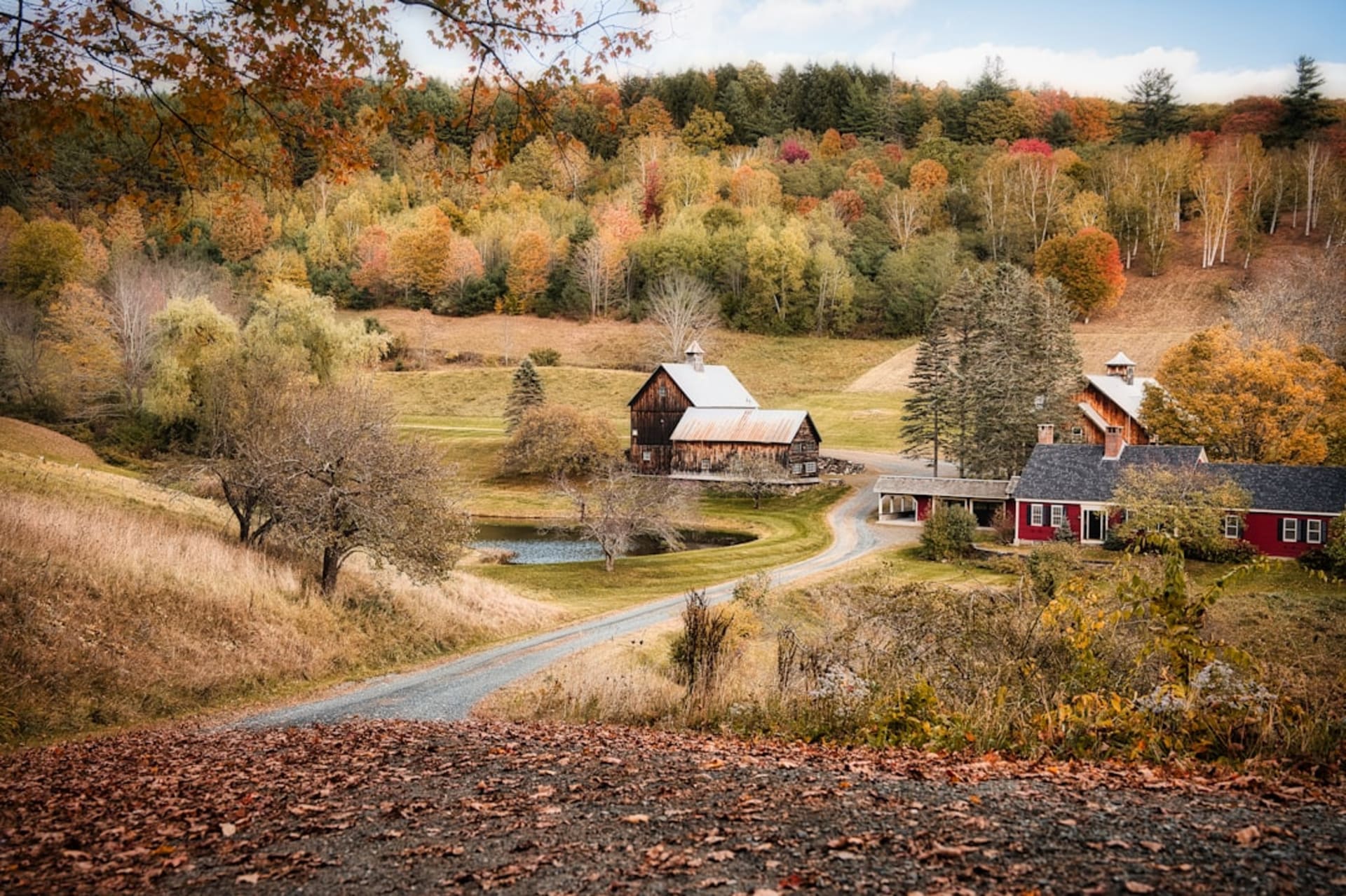
I didn’t expect a museum to require a map with a walking route, but Shelburne handed us one at the entrance and I understood why about ten minutes later. This isn’t one building — it’s 45 acres and something like 39 structures, most of them historic buildings that were physically moved here from around New England: a lighthouse, a jail, a round barn, a one-room schoolhouse, all resettled on this campus outside Burlington like some very earnest architectural refugee camp. You cross a covered bridge to get between exhibits. It’s genuinely disorienting in the best way.
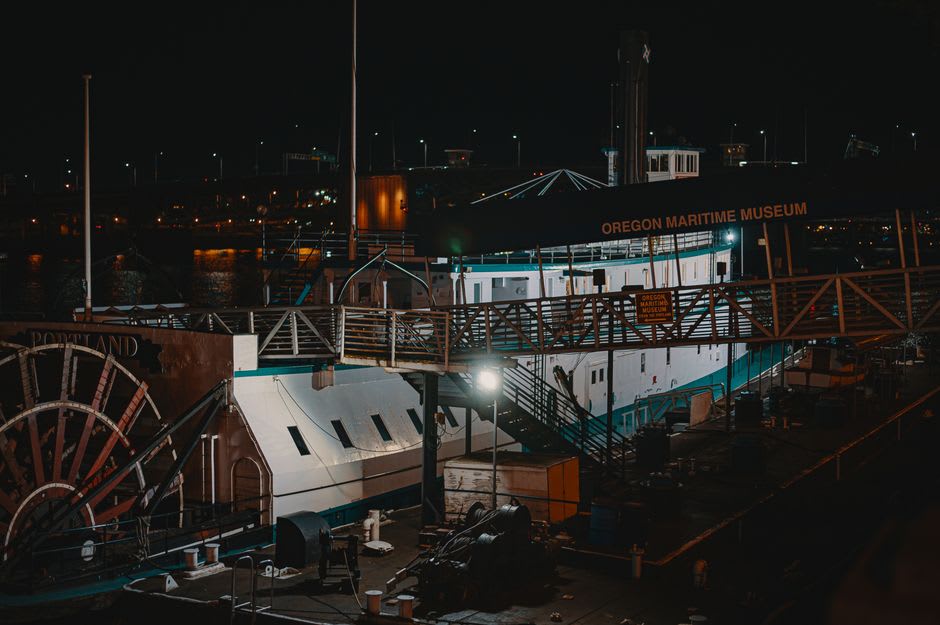
The centerpiece, for me, was the Ticonderoga, a 220-foot sidewheel steamboat that used to cruise Lake Champlain and now sits permanently dry-docked in the middle of a field, hauled two miles overland on rails and rollers back in the 1950s. Standing next to it, completely landlocked, grass growing where the water should be, felt like walking into someone’s fever dream. Lia kept asking how they possibly moved something that size without a crane in sight in the old photos on display, and honestly, neither of us fully believed the answer.
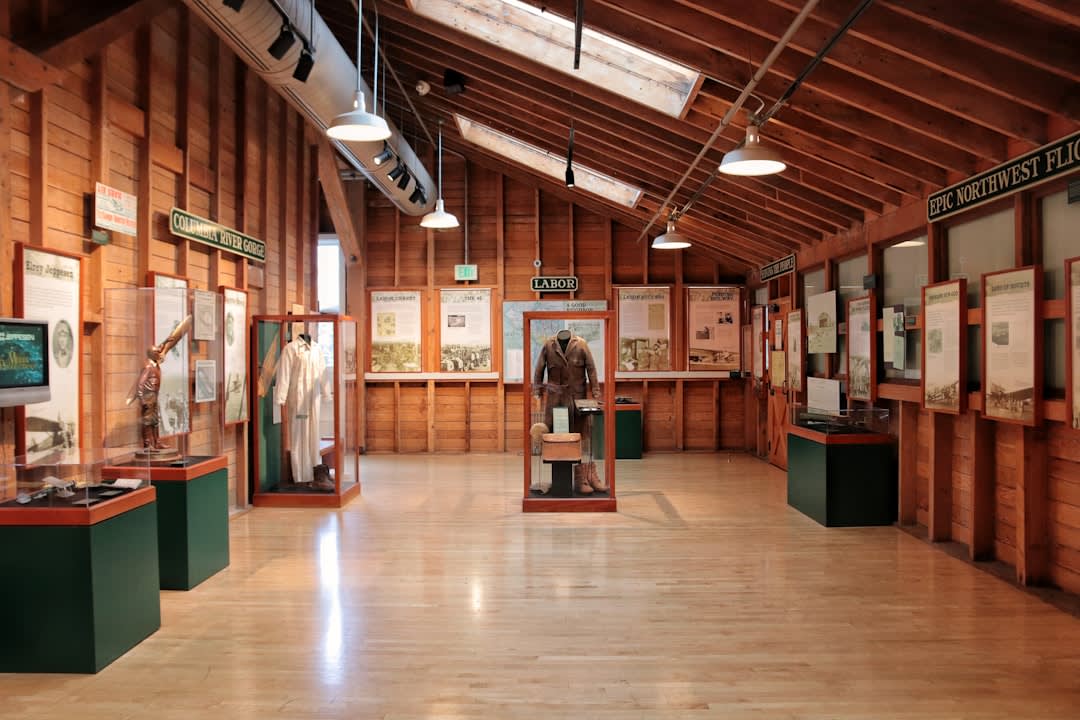
Beyond the spectacle of the buildings themselves, the collection inside is what earns Shelburne its reputation — quilts, weathervanes, carousel figures, decoys, an entire barn dedicated to horse-drawn carriages, alongside a surprisingly serious art building with Monets and Degas hung a short walk from a folk-art carving of a rooster. It’s the kind of place that resists a tidy category, which I think is exactly the point. Electra Havemeyer Webb, the woman who built this whole collection starting in the 1940s, seems to have simply saved whatever moved her, high art and homemade craft treated with the same respect.
We stopped for lunch afterward in the actual town of Shelburne, small and unhurried, with Lake Champlain visible down most of the side streets if you know where to look. It’s easy to treat Shelburne as a day trip out of Burlington and nothing more, and plenty of people do exactly that, but I’d have happily given it a second morning. We left with sore feet and a stubborn craving to find out more about round barns, which is not a sentence I expected to write.
When to go: The museum runs a full outdoor season from mid-May through late October, and a clear September day, before the fall crowds peak, gave us space to actually linger at each building.
Keep exploring
More from Vermont
 vermont
Smugglers' Notch
A narrow, boulder-choked mountain pass below Vermont's highest peak, where the road squeezes between cliffs and closes all winter.
Explore vermont
Stowe
A ski town that somehow avoided becoming a theme park of itself — Mount Mansfield looms over a Main Street that still has an actual hardware store next to the fondue place.
Explore vermont
Woodstock
The village the Rockefellers preserved — so impeccably that it sometimes feels like a stage set, until you walk far enough to find the sheep.
Explore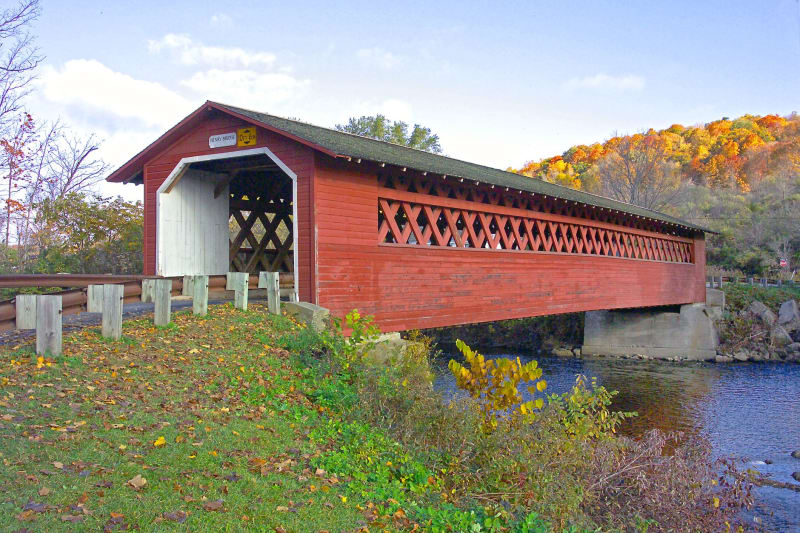 vermont
Bennington
Southwest Vermont's working town anchored by a 306-foot obelisk, a Robert Frost grave, and a pottery tradition that outlasted any reasonable expectation.
Explore vermont
Brandon
A Champlain Valley town whose brick-and-clapboard Main Street survived intact enough to feel like walking straight into the 1800s.
Explore vermont
Brattleboro
The southern gateway to Vermont and its most unguarded city — part college town, part artists' colony, part town that never got the memo about being anywhere near as charming as it is.
Explore