Pentecost Island
"The vine went taut, his body swung horizontal, and his hair brushed the earth. The crowd made a single sound."
The Naghol land dive on Pentecost Island is one of those things you hear about and mentally file under “interesting story” until you actually watch it happen, at which point it becomes something considerably harder to categorize. Men and boys — the youngest around seven or eight — climb towers of raw timber up to thirty meters high, tie vines around their ankles, and jump headfirst. The vines are cut to length so that the diver’s shoulders, and ideally his hair, brush the earth at the lowest point of the arc. This is not metaphorical contact. It is actual contact, designed to be actual contact, and its accuracy is a measure of the vine-cutter’s skill.
The Ceremony
The Naghol happens throughout April and May in villages on the southern part of the island. The tower is built fresh each year from living wood, which means it flexes slightly under the weight of the divers and under the wind — this flexibility is intentional, part of the engineering. I stood at the base and looked up at the structure: no nails, no bolts, all lashed with vines that the builders test constantly throughout the day.
Divers climb and jump in sequence from lowest to highest platforms. The jumps from the lower platforms are done by younger boys and are genuinely terrifying even from a safe distance. The jumps from the top — by men who have done this for years — are nearly silent in their approach and then suddenly, completely, in motion. The crowd stands quietly while each man falls and cheers once the vine goes taut.
The ceremony is tied to the yam harvest. The belief is that the impact of the diver’s shoulders on the earth encourages the soil and ensures fertility for the coming growing season. This is not a tourist show that happens to have cultural origins. It is an active ceremony that happens to be observable by tourists, which is a different thing entirely, and the distinction is felt.
The Island Beyond the Dive
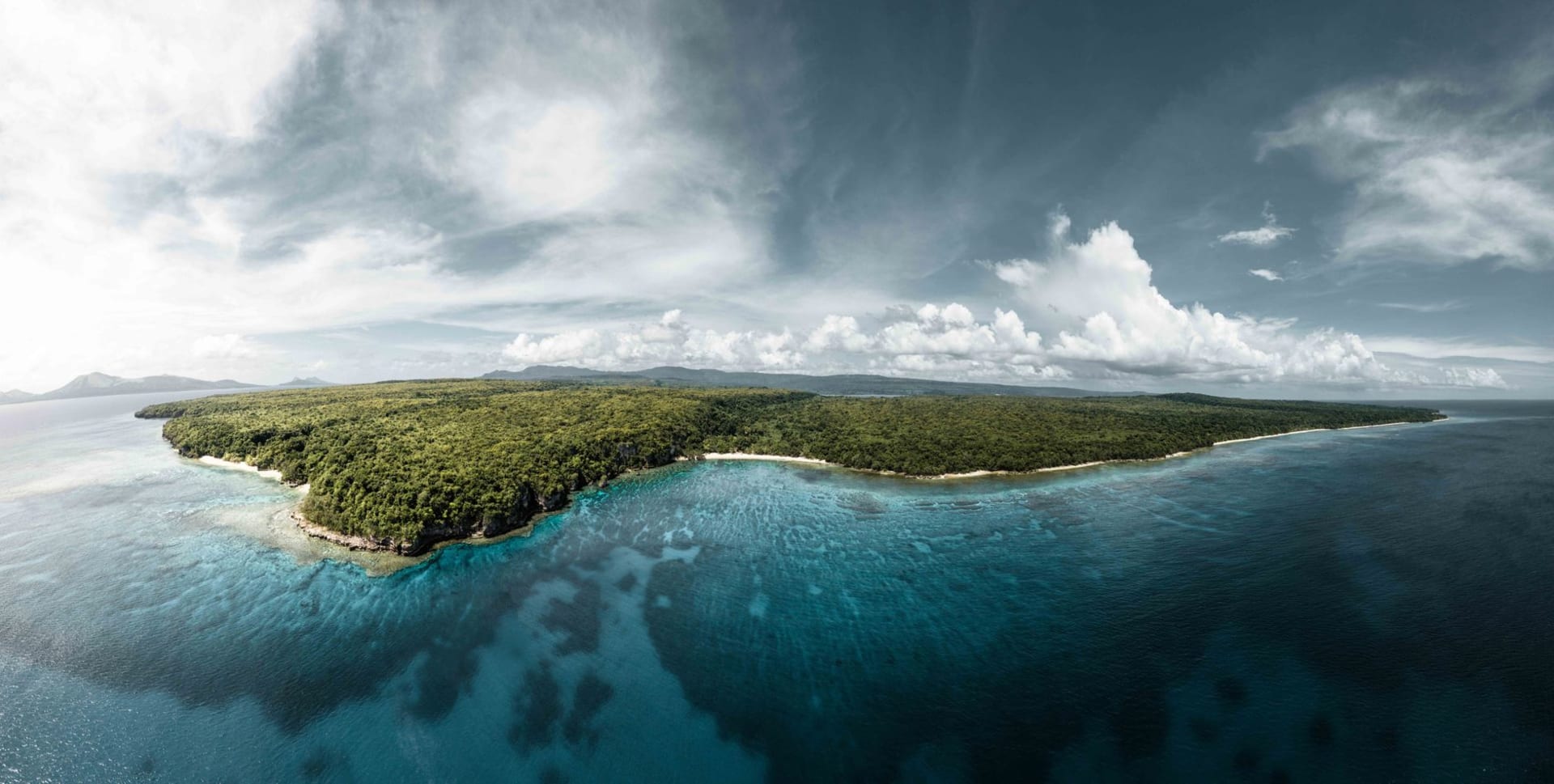
Outside of Naghol season, Pentecost is a long, narrow island of high ridges and sharp valleys covered in dense jungle. The interior villages maintain some of the strongest kastom traditions in Vanuatu — men’s houses, traditional rank systems, ceremonial dress that appears without prior announcement and disappears the same way. Lia and I spent two days hiking between villages on the island’s south with a guide, walking through gardens of giant taro and past nakamals where men sat in the shade at ten in the morning with the quiet authority of people who have never felt the need to hurry.
Lonorore and the North
The north of the island is more accessible — there is a small airstrip at Lonorore — and has a gentler landscape of coastal paths and fishing villages where women sell woven mats and baskets of fruit outside their houses. The snorkeling off the east coast is underrated: clear water, good coral, and very few other people.
Getting There
Pentecost is served by Air Vanuatu from Port Vila and Santo. Accommodation is almost entirely village guesthouses — basic beds, shared bathrooms, food cooked by the family. This is not a hardship; the food is excellent. For Naghol season, you need to book months ahead and coordinate transport with your guesthouse or a Port Vila operator, as the ceremony schedule shifts with the yam calendar.
When to go: April and May for Naghol — but check the exact schedule before booking flights, as ceremony dates depend on the agricultural calendar and change year to year. The dry season (May through October) is the most comfortable for hiking the interior villages.