Pacific
Vanuatu
"I walked to the edge of a volcano and felt absolutely no fear — only awe."
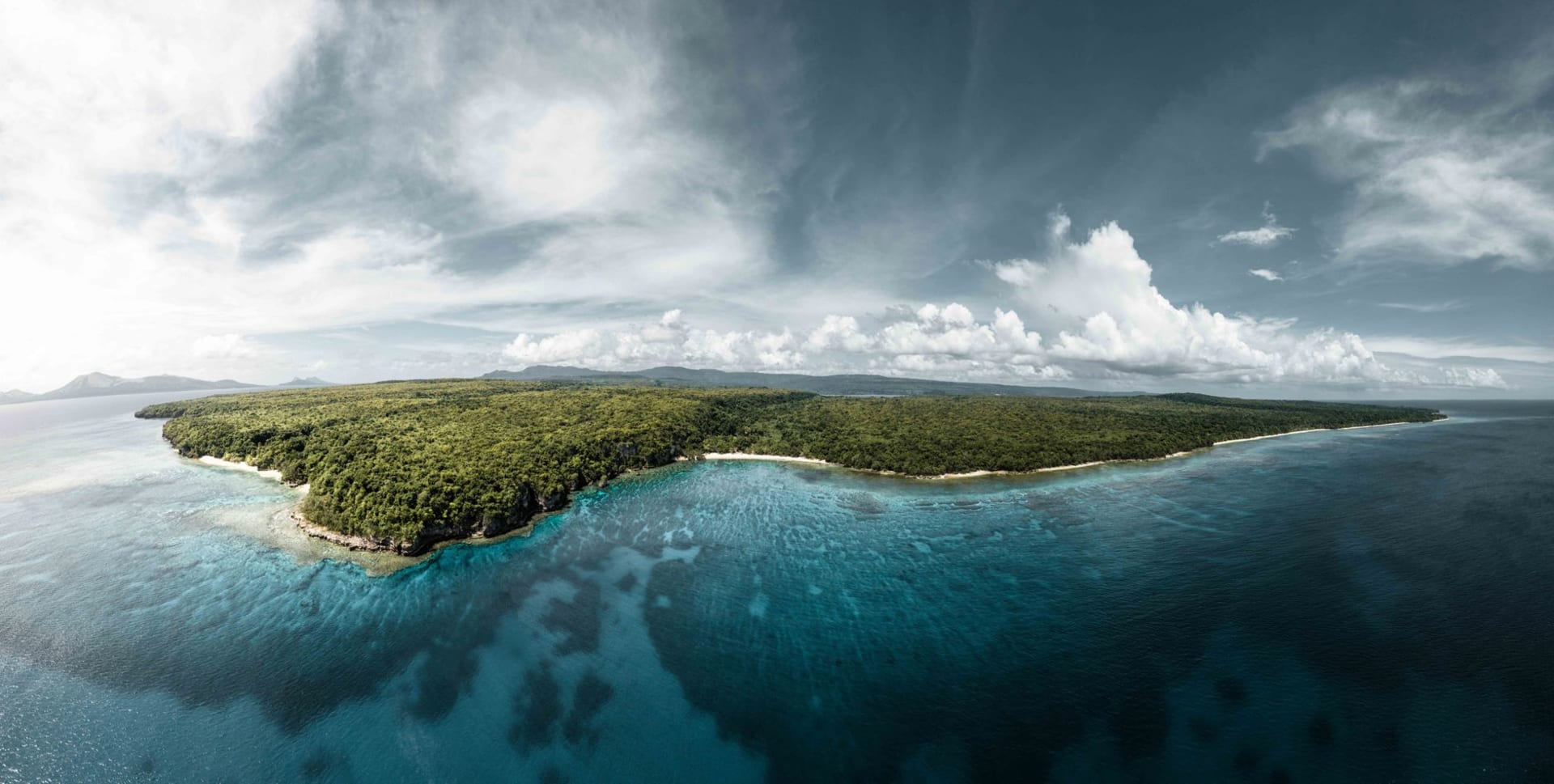
The plane banked hard over water so blue it looked painted, then dropped toward a runway that appeared to end in the sea. Port Vila from the air is a collection of rust-colored rooftops tucked between hills so violently green they almost hurt to look at. My first thought was that the brochures, for once, had undersold it. My second thought, stepping off the plane into air that smelled of frangipani and ocean salt, was that I had no idea what Vanuatu actually was — and that this was going to work in my favor.
Most people who come to Vanuatu fly to Tanna, and most people who fly to Tanna come for Yasur. The volcano is one of the most accessible active volcanoes on earth — a forty-minute drive on a dirt road through villages of thatched huts and children waving from doorways, then a short hike up a slope of black ash to a rim where the earth is literally boiling beneath you. We arrived at dusk, the light going amber and then red over the Pacific, and stood at the edge while Yasur threw rocks into the sky and roared like something you had no word for. The ash fell on our shoulders. Nobody flinched. Around us, local guides chatted calmly in Bislama, the creole that knits together this country of eighty-three islands and over a hundred languages. I have seen a lot of volcanic activity in my life. Nothing prepared me for the casual enormity of Yasur.
But Tanna is more than the volcano. The John Frum cargo cult villages in the island’s interior are one of the stranger and more profound encounters I have had anywhere — communities who have built an entire theology around the expectation of American abundance, raising bamboo flag poles each Friday and marching in formation. It sounds absurd described from the outside. Inside the village, sitting with the elders at dusk as the drumming started, it felt like being let in on something very old and very human. The kastom villages near Yakel are different again — people living with minimal outside contact, traditional dress, traditional structures — and somehow the experience felt less like a zoo and more like a conversation, because the guides from the community have calibrated it that way.
The food in Vanuatu is not what you come for, but the laplap — a dense baked pudding of grated root vegetable wrapped in leaves and cooked underground — is genuinely good, especially the version made with coconut milk and fresh fish. Port Vila’s waterfront market at 6 a.m., when the fishing boats come in and the stalls sell still-warm bread rolls alongside piles of taro and island spinach, is worth setting an alarm for.
When to go: May through October is the dry season and the most comfortable time to visit — cooler temperatures, clear skies, calm seas. Avoid December through March, which is cyclone season; Vanuatu has been hit hard by major storms in recent years. July and August are peak, but Vanuatu is remote enough that “peak” remains a relative term.
What most guides get wrong: They position Vanuatu as a resort destination with a volcano day trip attached. It is almost the inverse. The real depth is in Tanna’s interior, in the kastom villages, in the slow pace of island transport between the smaller islands like Aneityum or Erromango where tourism is thin and the landscape is entirely for you. The resorts are fine. But flying to Vanuatu and spending your days at a beach bar in Port Vila is roughly equivalent to going to Japan and eating at the hotel restaurant.