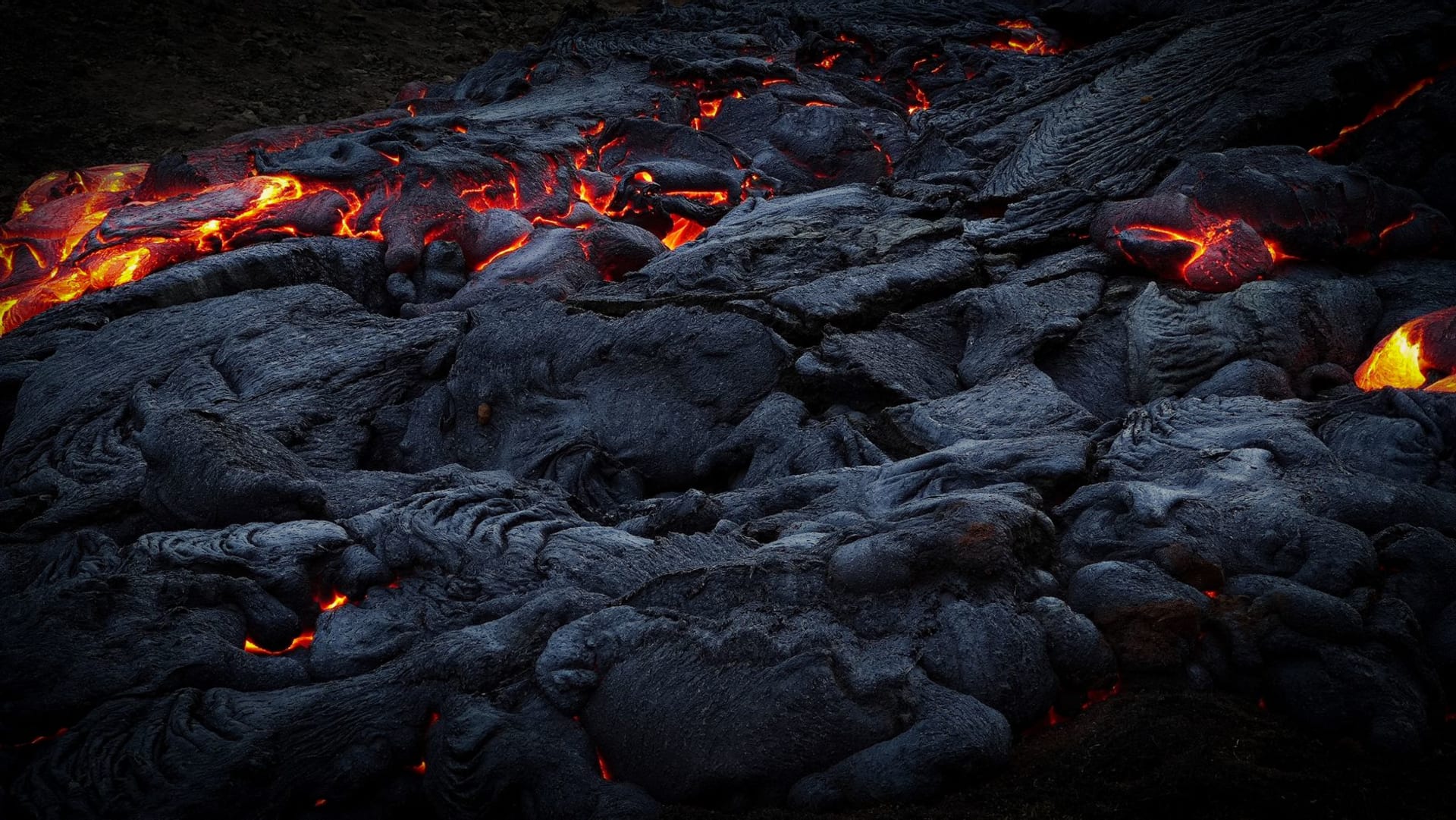
Ambrym
"The soil was black. The sand was black. The forest came right to the edge and stopped."
A black volcanic island with two active calderas and a reputation for sorcery that the landscape does absolutely nothing to disprove.

There is a particular quality to arriving somewhere that has been described to you as genuinely eerie. You either find the description overwrought or you discover it was accurate. Ambrym falls into the second category. The island is dark — literally dark, because it is made almost entirely of volcanic basalt and black ash — and it has two active volcanoes, Marum and Benbow, whose calderas glow at night from the interior plateau. The ni-Vanuatu people here have a long tradition of sorcery, and after two days on the island I was no longer inclined to be skeptical about that.
The Ash Plain
The central plateau of Ambrym is a high moonscape of compacted ash stretching between the two calderas, called the ash plain. Getting there requires a guide, a full day of hiking, and the willingness to walk through sulfurous gas clouds that appear without warning. The guides wear scarves over their faces and hand you one without ceremony. The ground is grey and gives slightly underfoot like packed snow. The sound is a low, constant hiss that you feel before you hear.
I reached the rim of Marum caldera in the early afternoon and looked down into a lava lake the color of living metal. The smell of sulfur was absolute. The heat at the rim was enough to dry my shirt in minutes. I stayed for an hour and felt throughout like I was observing something that had not requested my presence.
Art and Kastom
Away from the volcanoes, Ambrym has a culture of sand drawing — geometric patterns traced in a single unbroken line into the sand — that UNESCO has recognized as intangible heritage. I watched a man named Thomas draw a pattern called a “malmal” in the village where I stayed: a continuous tracery of diamonds and spirals that took about four minutes to complete without lifting his finger. When he was done it looked impossibly complex. When he erased it and began again on a different pattern, the same unhesitating fluency. These are not decorative. They are a form of communication and record-keeping with specific cultural meanings.
The island is also known for its carved slit drums — tam-tams — some reaching three meters in height, with faces carved into them that range from abstractly geometric to deeply unsettling. They are played at ceremonies and their sound carries across the ash plain.
The Black Beaches
Ambrym’s coastline is all black sand, which should be dramatic and is, but it also changes the texture of light in unexpected ways. Late afternoon on the beach at Craig Cove, the black sand holds the heat of the day long after the sun drops below the treeline, and the contrast between the dark shore and the pale aquamarine water is more striking than any white-sand beach I’ve seen. I sat on the warm sand after dark and watched a distant caldera pulse orange through the trees. Ambrym does not let you forget what it is made of.
Logistics
Ambrym is served by small planes from Port Vila (via Efate) and from Santo. Most visitors stay in simple guesthouses in the coastal villages of Craig Cove or Ranon. The plateau trek to the calderas requires a hired guide — both for safety and because the paths are not marked in any way a stranger could follow. Budget two days minimum for the volcano hike and a day for the coastal culture. There is no tourist infrastructure to speak of, which means you are entirely dependent on the hospitality of the villages, which turns out to be considerable.
When to go: June through September gives the clearest conditions on the plateau and the best views into the calderas. Rain can fill the ash plain with mud that makes the approach dangerous. Avoid cyclone months (January through March) entirely — the plateau becomes impassable.
Keep exploring
More from Vanuatu
 vanuatu
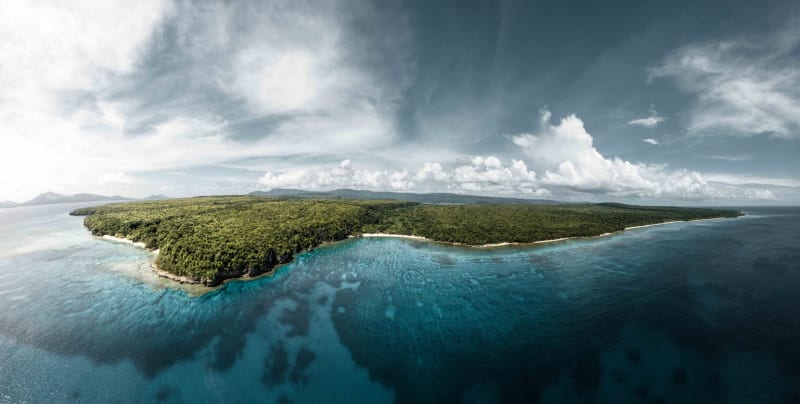
 Banks Islands
The remote northern fringe of Vanuatu where the volcanic peaks of Gaua and Vanua Lava rise from an ocean that sees very few visitors and seems content with the arrangement.
Explore vanuatu
 Champagne Beach
A crescent of white sand on Espiritu Santo where volcanic bubbles fizz at your ankles like the ocean itself is celebrating.
Explore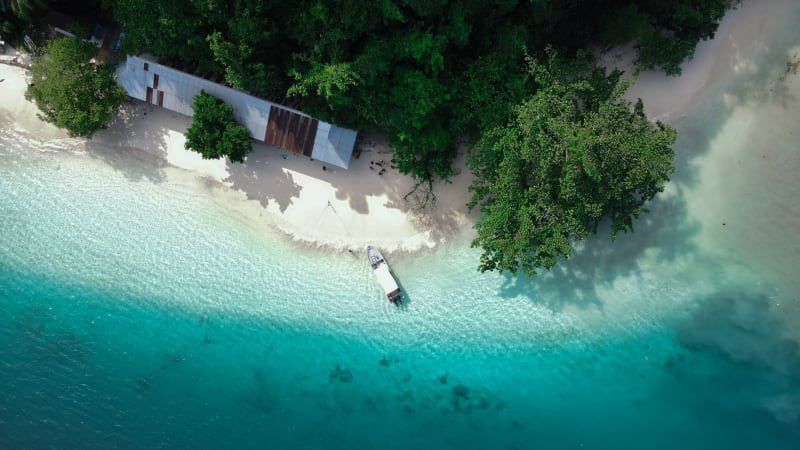 vanuatu
 Efate Island
The island that wraps around Port Vila's harbor offers an entire circuit of village life, blue holes, and untouched coast once you leave the capital behind.
Explore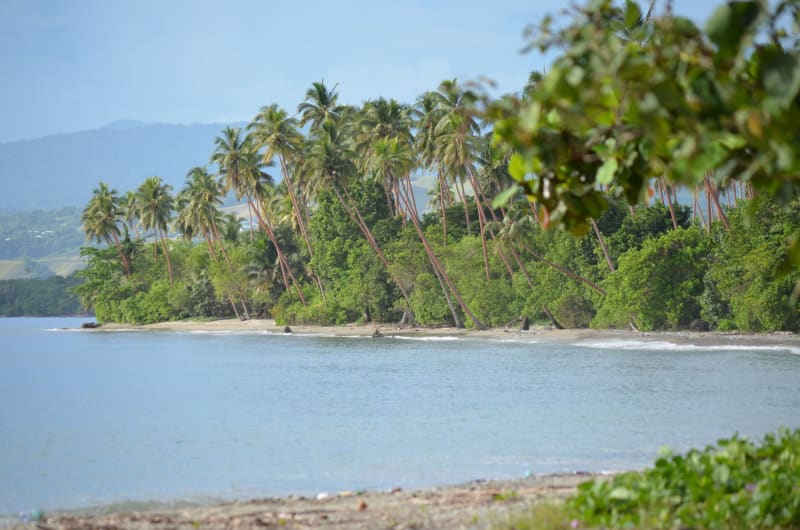 vanuatu
 Espiritu Santo
Vanuatu's largest island balances WWII wreckage rusting on the seabed with beaches so white and water so blue they look technically impossible.
Explore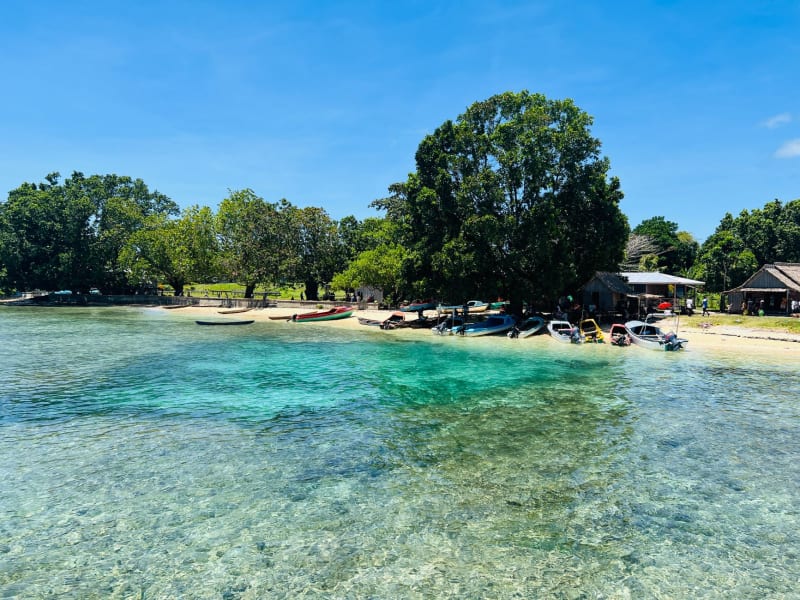 vanuatu
 Luganville
A WWII boomtown that never quite boomed again, sitting on the edge of some of the best wreck diving in the Pacific with a comfortable, unperformed ease.
Explore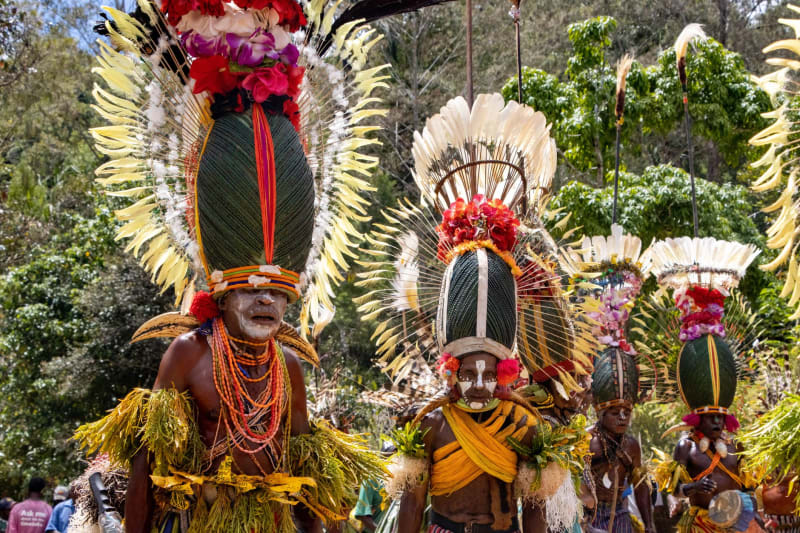 vanuatu
 Malekula
Vanuatu's second-largest island holds more languages and cultural traditions per square kilometer than almost anywhere else on earth, most of them still quietly functioning.
Explore