
Asia
Uzbekistan
"I came for the tiles and left bewildered by the bread."
Where the Silk Road's most extravagant tile work survives intact, and every teahouse smells of green tea and lamb fat by eight in the morning.

I arrived in Tashkent at two in the morning after a connecting flight through Istanbul, and the first thing I saw leaving the airport was a statue of Tamerlane lit in cold white against a black sky. That sets the register for this entire country — grand, slightly theatrical, and deeply serious about its own history. Uzbekistan is not a place that asks for your approval. It simply exists, enormous and ornate, on the map between the civilizations that built the world.
Samarkand is the reason most people come, and it more than justifies the trip. The Registan — three madrasas arranged around a central square, their facades covered in geometric tilework of such painstaking complexity that you spend the first hour just standing there — is one of the genuinely astonishing human constructions I have seen in twenty years of travel. But Samarkand is not only the Registan. The Shah-i-Zinda necropolis, a corridor of mausoleums running up a hillside in intensifying shades of cobalt and turquoise, hit me harder. No crowds, no audio guide, just a long lane of dead from the ninth through fifteenth centuries, each tomb more elaborate than the last. I walked it twice. Bukhara is the other essential city — more lived-in than Samarkand, its old town still inhabited in a way that feels organic rather than staged, with bread sellers and chai khonas tucked in between monuments that are eight hundred years old.
The food is not what I expected. I thought I was coming to a country of rice and lamb. Which is true — plov, the national dish, is essentially both of those things cooked slowly together in a massive kazan with carrots, chickpeas, and patience — but the bread changed everything. Uzbek non, the round flat loaves stamped in the center and baked in a clay tandoor, pulled warm from the wall and eaten immediately, is one of the best things I have put in my mouth anywhere. There is a market in Samarkand, the Siob Bazaar, where the bread sellers start at dawn and the loaves are gone by noon. I was there at seven and still nearly missed out.
When to go: April through June is ideal — mild temperatures before the summer heat, and spring light does extraordinary things to the tilework. September and October work well too. July and August are brutal in the lowland cities, temperatures pushing past 40°C with little shade in the old town squares.
What most guides get wrong: They present Uzbekistan as a museum. It is not. Samarkand and Bukhara are living cities with traffic and noise and restaurants where locals are not looking at you. The UNESCO-ification of the monuments is real, but step two blocks in any direction and you are in ordinary Central Asian urban life, which is its own education. Also: Khiva gets overlooked because it is the farthest from Tashkent. Do not skip it. The walled old city of Itchan Kala is the most intact medieval urban center I have walked through anywhere, and it was quiet when I was there in a way that Samarkand can no longer claim.
Explore
Places in Uzbekistan
 uzbekistan
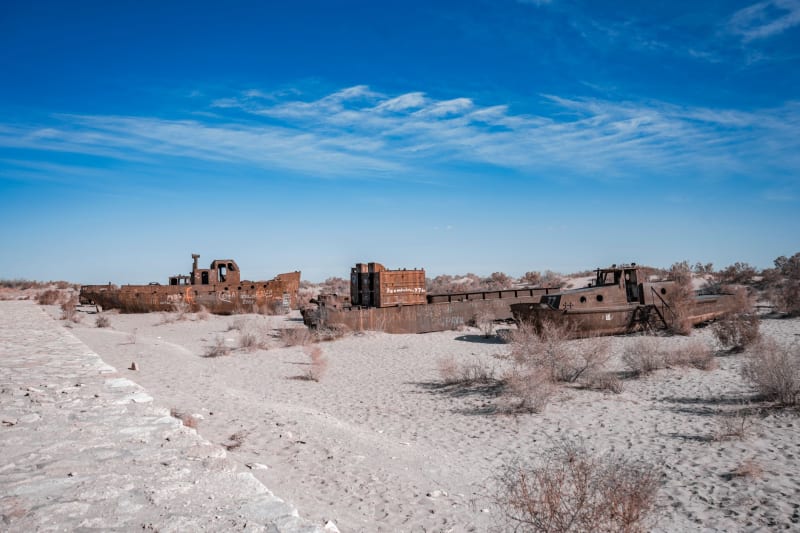
 Aral Sea
The largest environmental catastrophe of the twentieth century made landscape — a salt desert where fishing boats rust in sand dunes and the water ended decades before you arrived.
Explore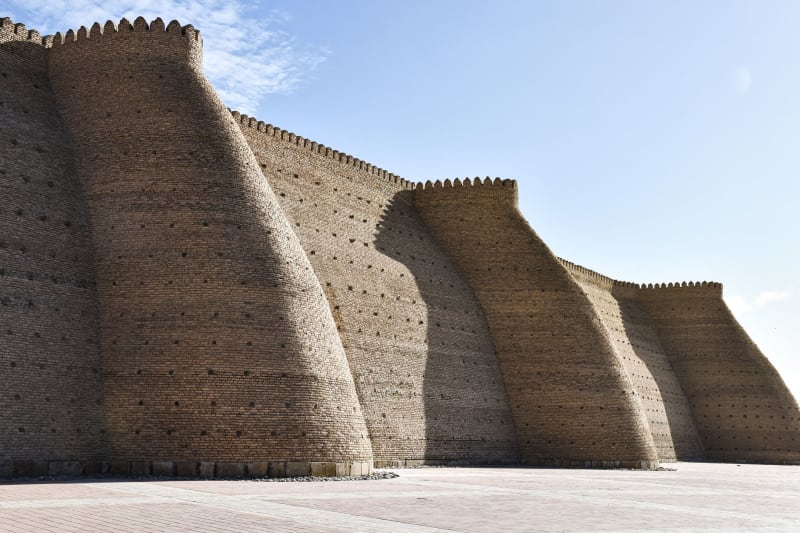 uzbekistan
 Bukhara
A medieval Islamic city so intact it feels less like a preservation effort and more like the twentieth century simply forgot to arrive.
Explore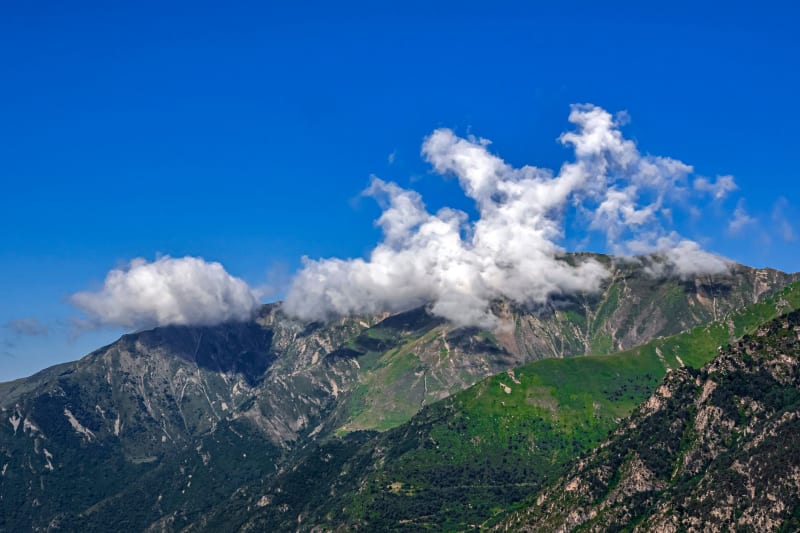 uzbekistan
 Chimgan Mountains
The alpine playground of the western Tian Shan a couple of hours from Tashkent, where Soviet-era chairlifts climb green summer ridges and the turquoise Charvak reservoir spreads out below.
Explore uzbekistan
 Chorvoq
A turquoise reservoir ringed by the Tian Shan foothills, an hour from Tashkent, where locals escape the summer heat by water and mountain air.
Explore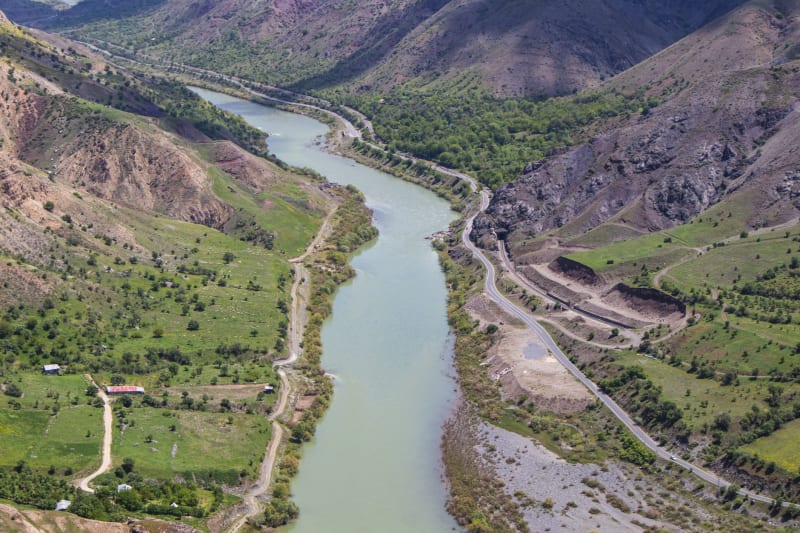 uzbekistan
 Fergana Valley
The lush, mulberry-shaded heartland of Central Asia where silk has been woven for two thousand years and the bazaars still smell of fermented grape and fresh bread.
Explore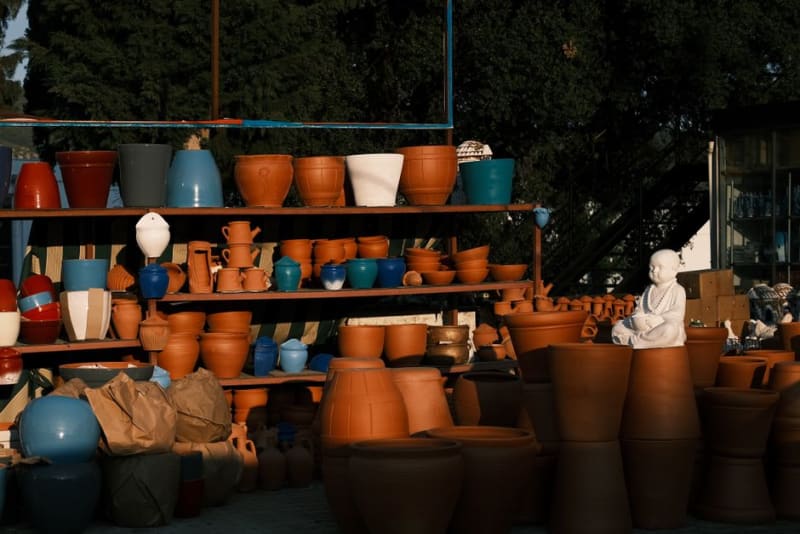 uzbekistan
 Gijduvan
A small pottery town near Bukhara where seven generations of one family still glaze ceramics in a signature blue and terracotta.
Explore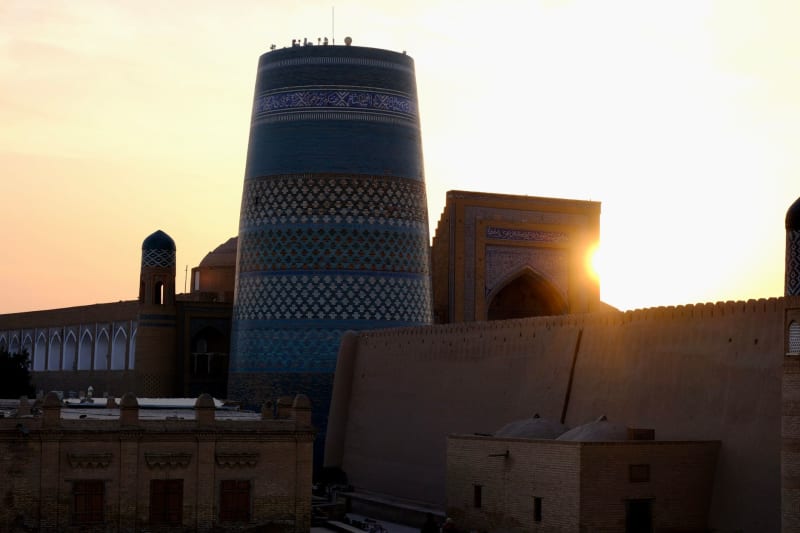 uzbekistan
 Khiva
A walled desert city so completely preserved it reads as either a miracle or an elaborate stage set — and the uncertainty is part of the experience.
Explore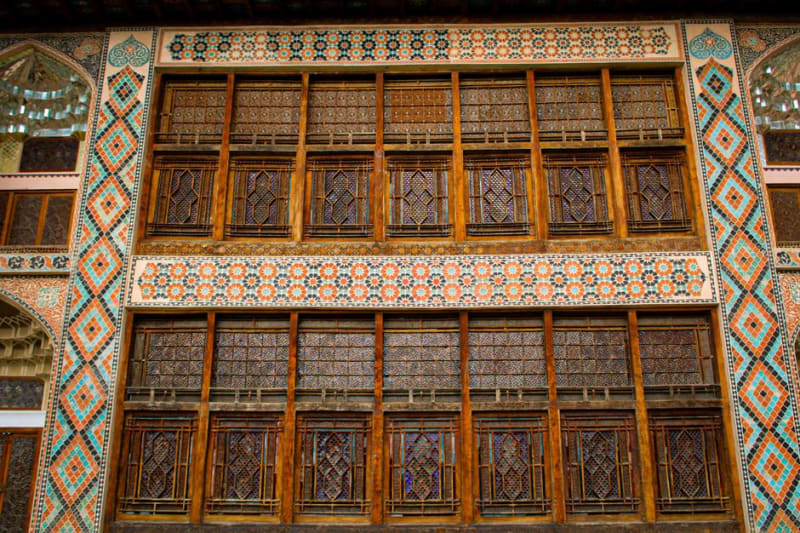 uzbekistan
 Kokand
The ornate former capital of the Kokand Khanate, where the gilded Khudayar Khan Palace still dazzles despite losing most of its original scale.
Explore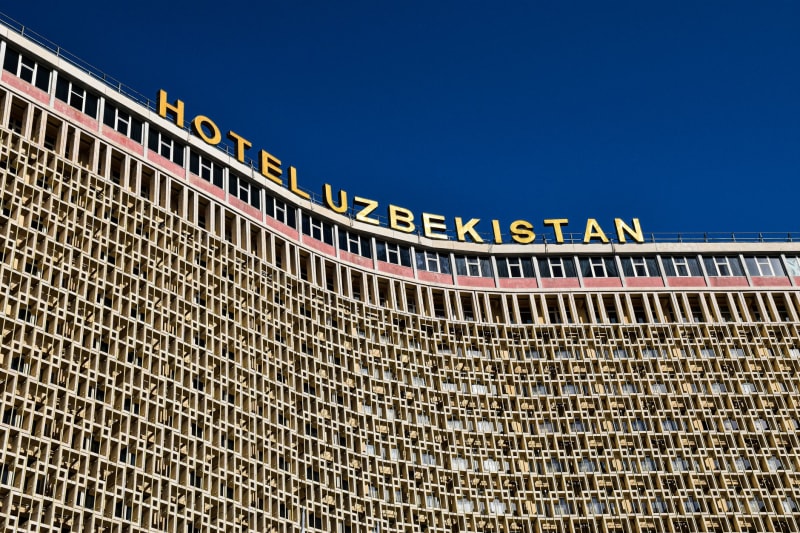 uzbekistan
 Margilan
The silk capital of Central Asia, where master weavers still bind and dye threads by hand to produce ikat fabric of a blurred, watercolor brilliance that has never been replicated by machines.
Explore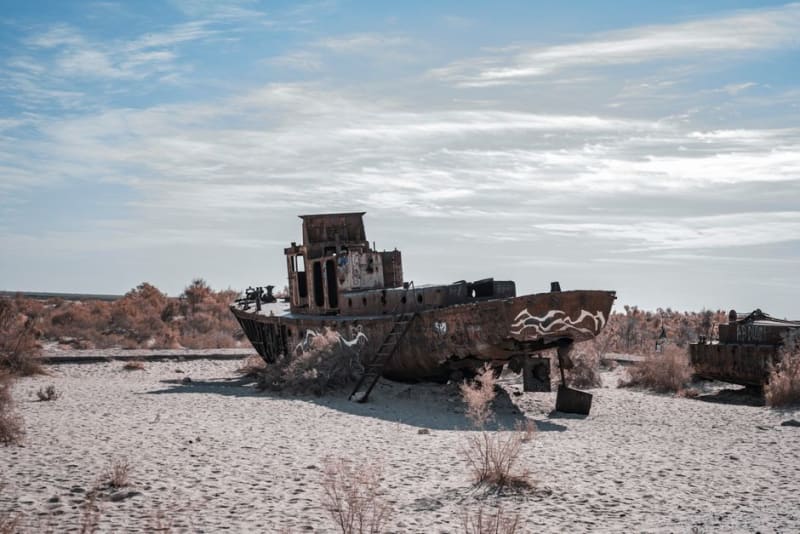 uzbekistan
 Moynaq
A former Aral Sea fishing port stranded in the desert, where rusting ship hulls sit on cracked earth that used to be seabed.
Explore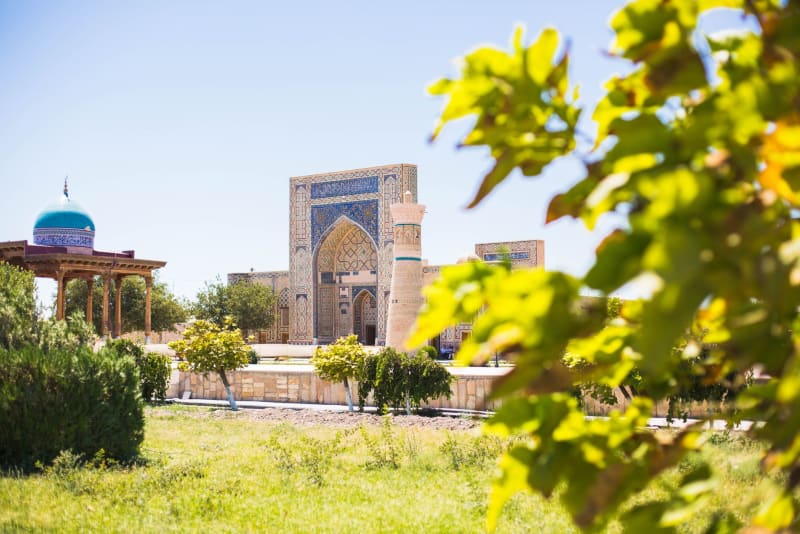 uzbekistan
 Nukus
A remote desert city that shelters what may be the world's most important collection of suppressed Soviet avant-garde art, kept alive by one obsessive curator against the full weight of the USSR.
Explore uzbekistan
 Nurata
A small oasis town at the desert's edge where Alexander the Great built a fortress, holy springs have run uninterrupted for two millennia, and nomadic families still host travelers in yurts on the steppe.
Explore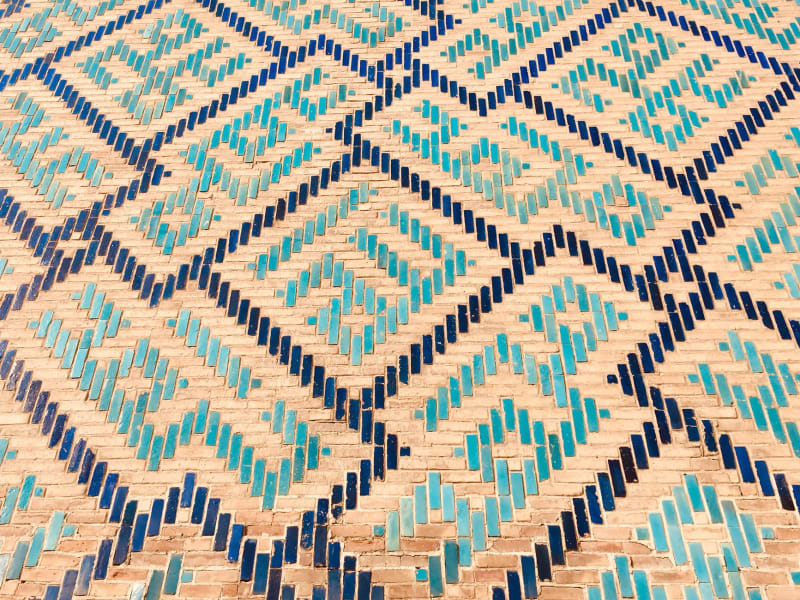 uzbekistan
 Samarkand
The city where Tamerlane's megalomania crystallized into turquoise tile and the most theatrical public square on the Silk Road.
Explore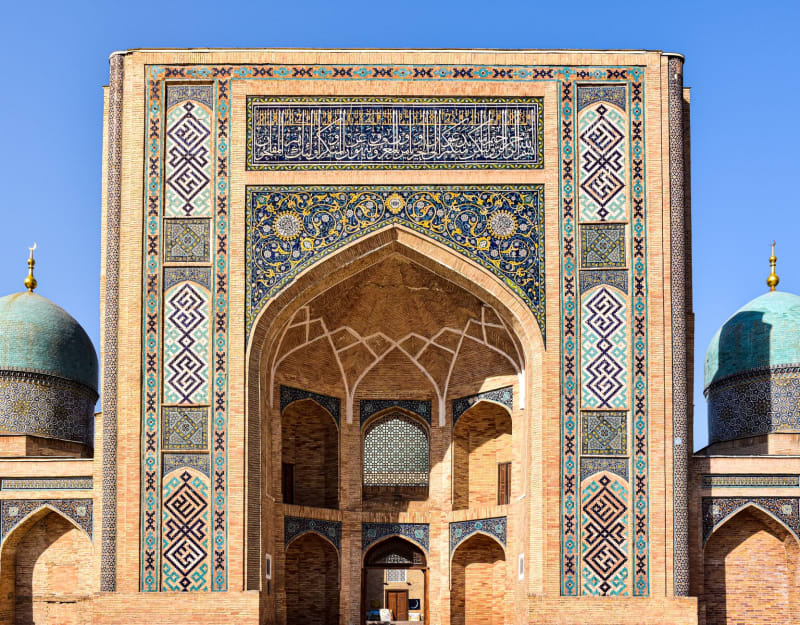 uzbekistan
 Shakhrisabz
Timur's birthplace and his most personal architectural statement — a city of ruined ambition in a green valley below the Hissar Mountains, humbler and stranger than Samarkand.
Explore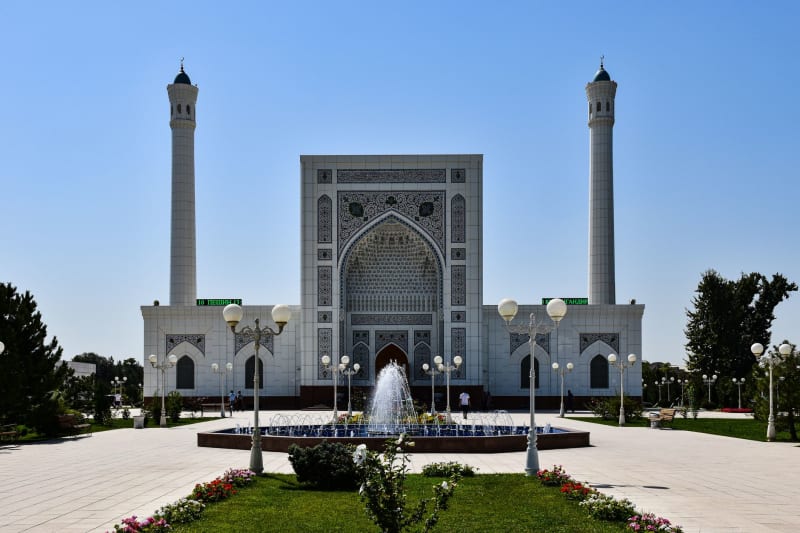 uzbekistan
 Tashkent
Central Asia's largest city, rebuilt by the Soviets after a 1966 earthquake into a grid of marble metros and leafy boulevards that somehow became its own kind of beautiful.
Explore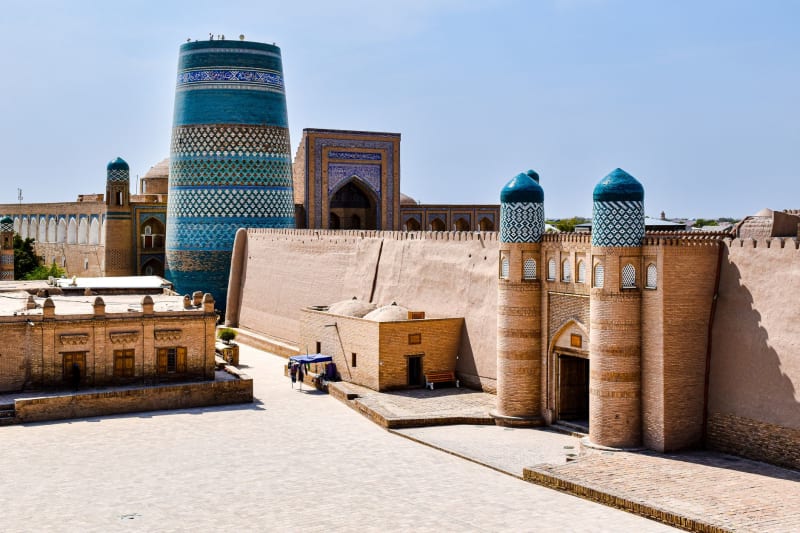 uzbekistan
 Termez
Uzbekistan's southernmost city, where Buddhist monasteries older than Islam sit in desert heat on the Afghan border, and history layers so thickly it becomes difficult to breathe.
Explore