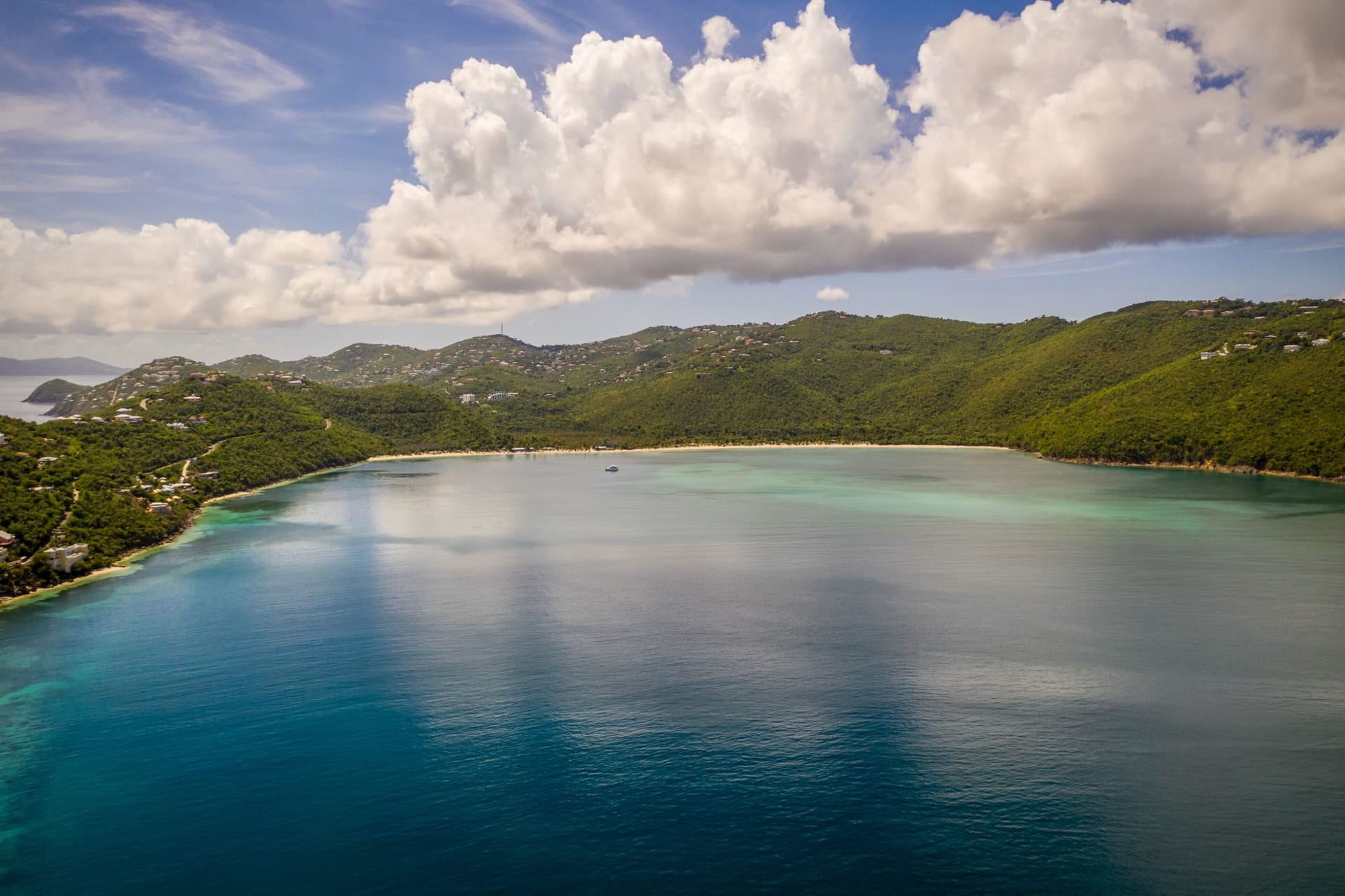
Salt River Bay
"The only place in U.S. territory Columbus is documented to have landed, and it's a quiet mangrove bay nobody told me about."
St. Croix is the big, sleepy, often-overlooked sister of the U.S. Virgin Islands — flatter than St. John, less polished than St. Thomas, and all the more interesting for it. We’d come for the diving, but the place that stuck with me wasn’t a beach or a reef. It was Salt River Bay, on the north shore, a national historical park that manages to fold the entire violent, layered history of the Caribbean into one quiet mangrove inlet.
Where the Worlds Collided
In 1493, on his second voyage, Columbus’s crew came ashore here for fresh water and met the Indigenous Kalinago people. It did not go well — there was a skirmish, arrows and crossbows, and it’s recorded as the first documented armed resistance by Native people against Europeans in the Americas. Standing on the low headland where a Spanish-era earthwork still sits, looking down at the calm green water, I found the contrast almost unbearable: nothing about this peaceful little bay suggests it was a hinge point in the most consequential collision in human history.
The park ranger we spoke to, a Crucian woman who clearly loved the place, walked us through the layers — Kalinago, Spanish, Dutch, English, French, Danish, all of whom claimed or fought over this water at some point. Lia kept saying it didn’t feel like a battlefield. The ranger smiled and said the best places never do.
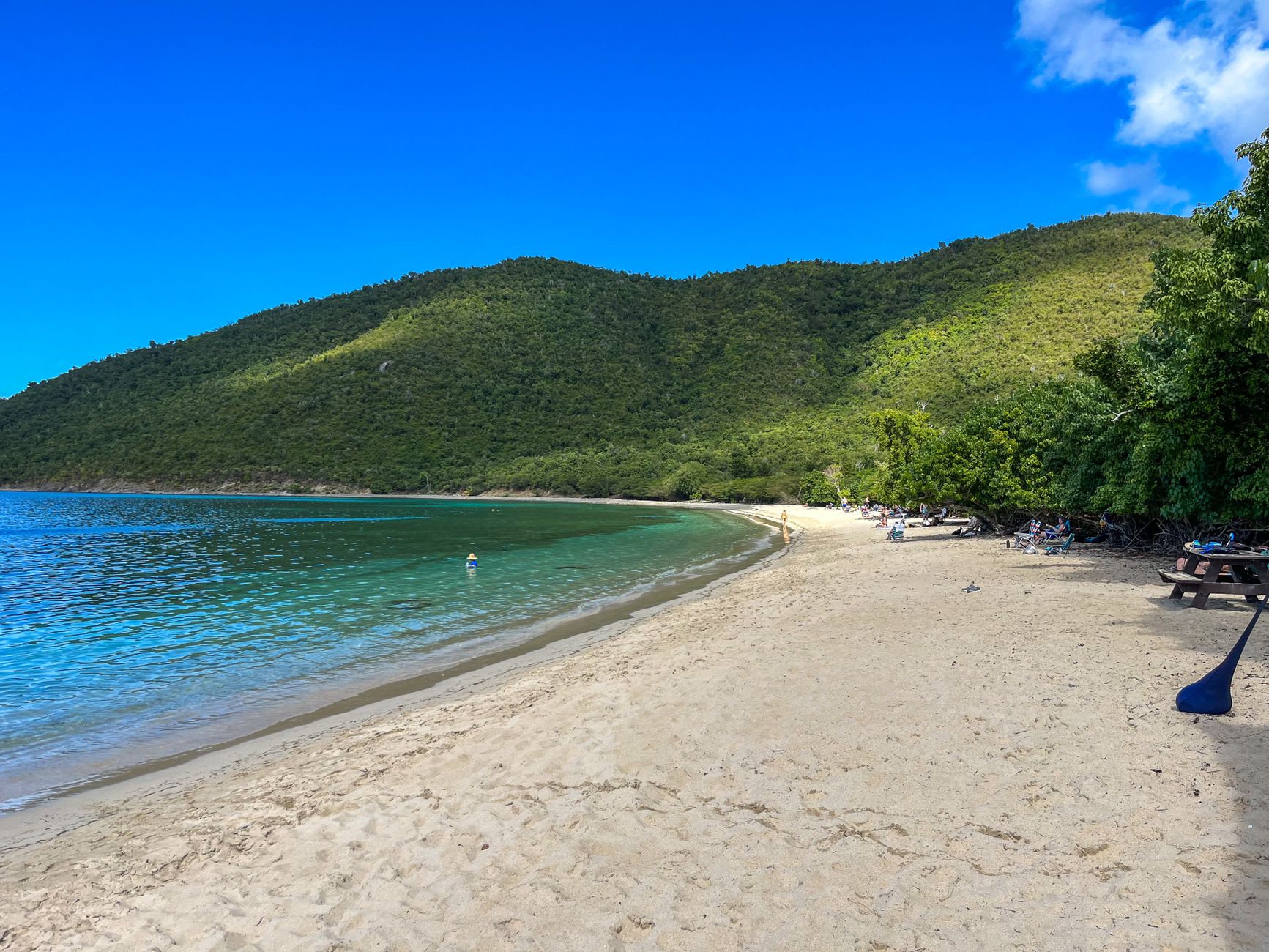
The Lagoon That Lights Up
What actually got us out of bed, though, was the bioluminescence. The inner lagoon at Salt River is one of the few reliably glowing bays left in the Caribbean — the water is full of dinoflagellates that flare blue-green when disturbed. We booked a clear-bottom kayak tour on a moonless night, paddled in under a sky absolutely littered with stars, and watched our paddle blades trail cold fire through the black water.
I am, by temperament, a skeptic about “magical” experiences that come with a booking fee. This one earned it. Lia trailed her hand over the side and the water lit around her fingers like she was conducting something, and for a long minute neither of us said anything at all. Fish shot away beneath the kayak as streaks of light. It was, genuinely, one of the strangest and most beautiful things I’ve seen.
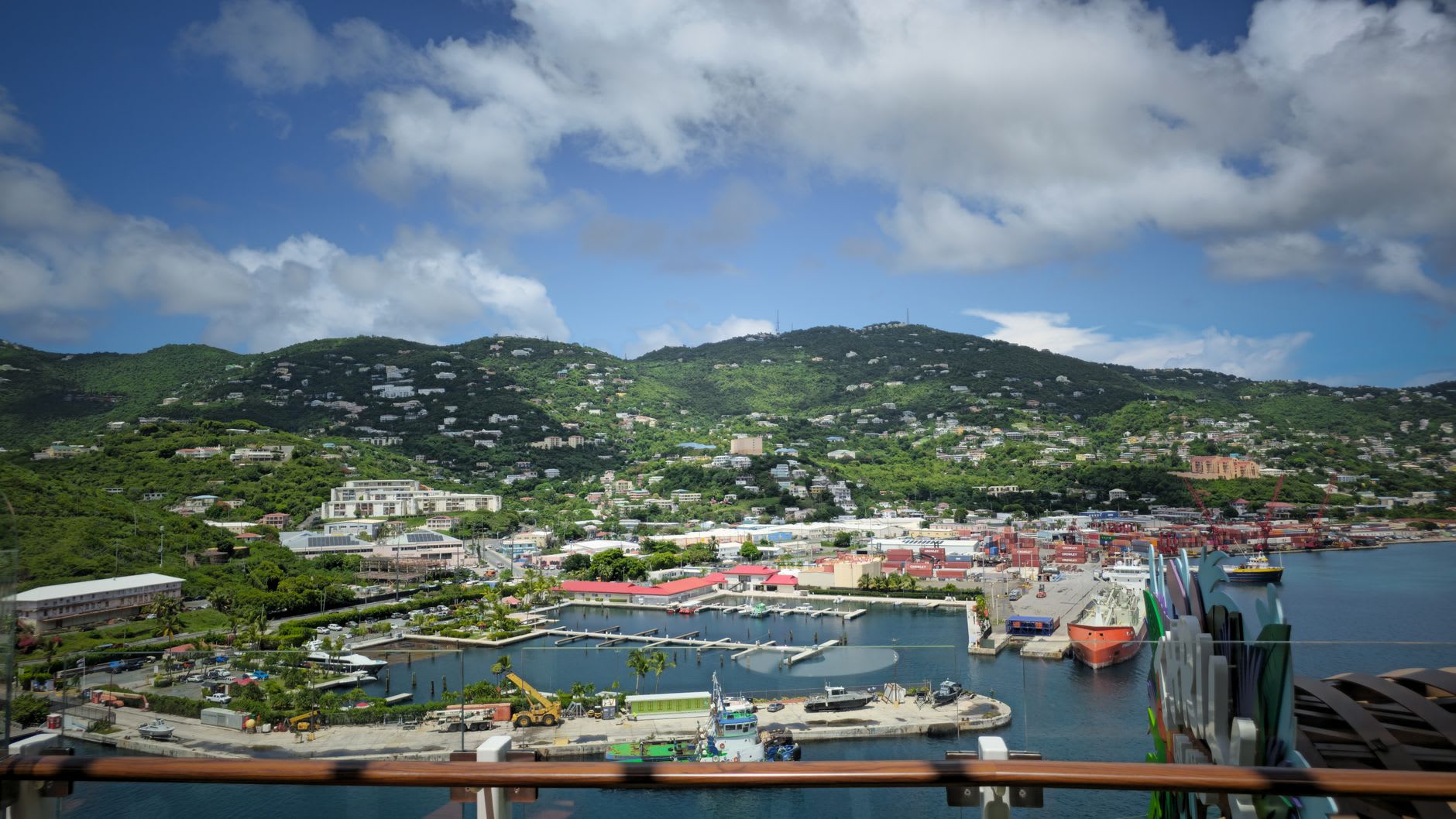
The Reef and the Drop
By day, the bay’s mouth opens onto a submarine canyon — the Salt River wall, a vertical drop that’s some of the best diving on St. Croix. We did one dive along the wall, hanging over a blue void that fell away into nothing, sea fans and sponges clinging to the vertical rock, a turtle drifting past with the supreme indifference turtles have for human excitement. The mangroves above the wall act as a nursery for the whole reef system, which is why everything down there is so absurdly alive.
When to go: December through April is the dry, breezy high season with the calmest water and best diving visibility. For bioluminescence, time your visit around the new moon, when the lagoon glows brightest. Late summer and autumn are quieter and cheaper but fall within hurricane season — watch the forecasts.