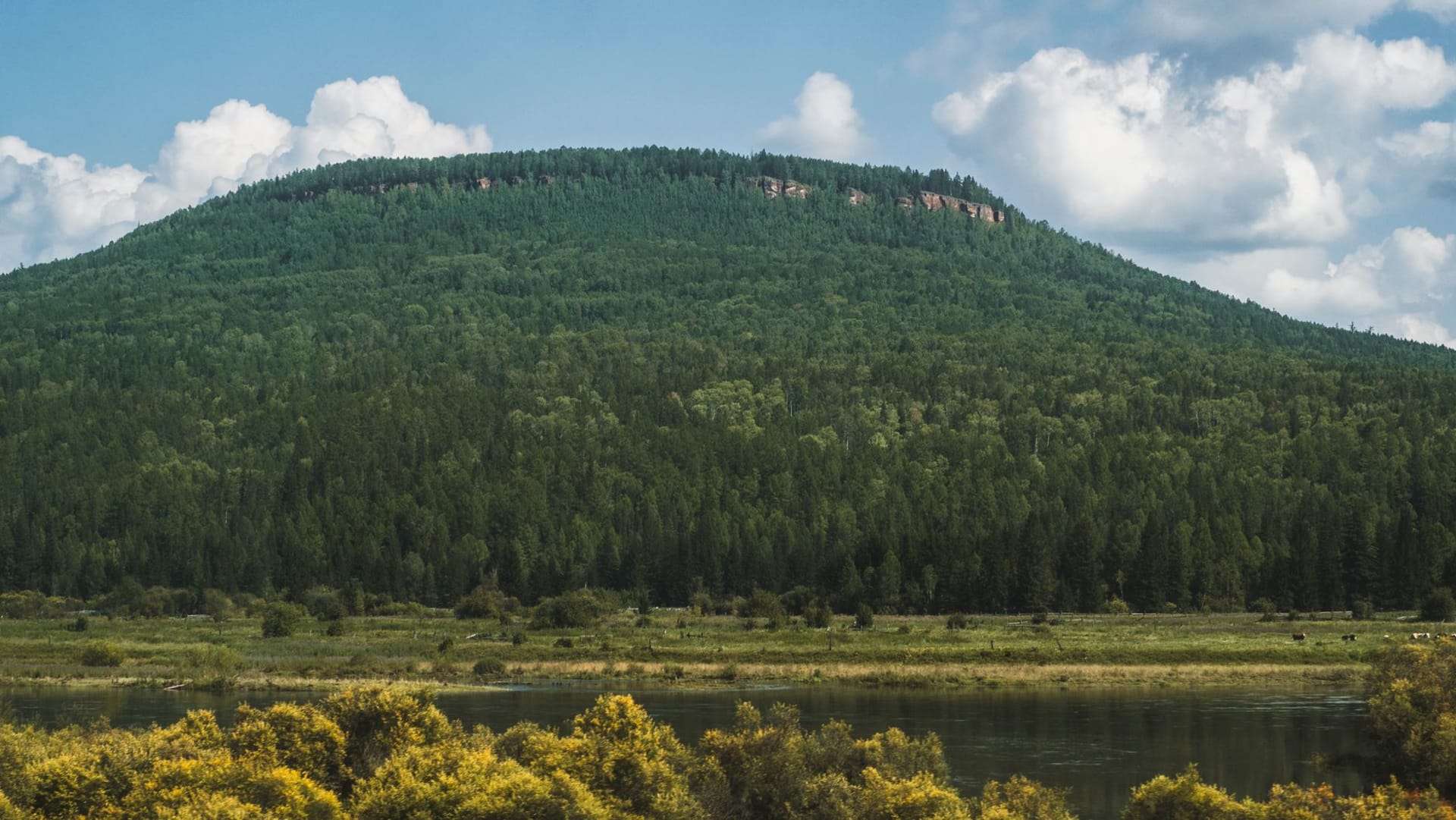
Olenyi Ruchyi
"Someone drew a deer on this cliff thousands of years ago. I came a long way to argue with Lia about which way it was facing."
The Urals don’t announce themselves. There’s no dramatic wall of peaks the way there is in the Alps — the range is old, worn down to forested ridges that roll on for thousands of kilometres, dividing Europe from Asia almost apologetically. So I’d arrived in Yekaterinburg slightly unsure what we’d actually look at. The answer, an hour and a half southwest of the city, turned out to be Olenyi Ruchyi — Deer Streams — where the Serga River has spent the last few million years carving the only kind of drama the old Urals offer: down, not up.
Along the Serga
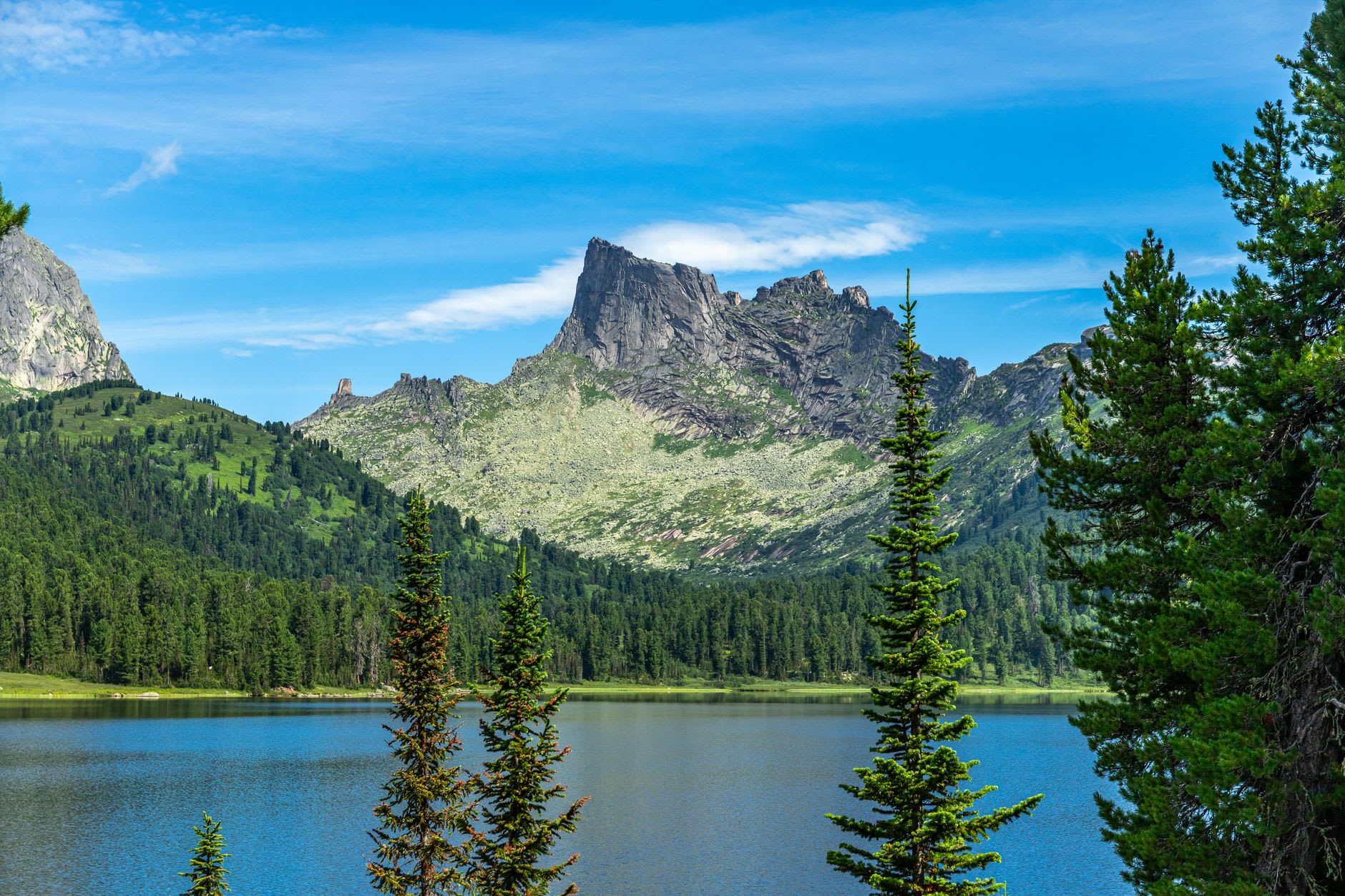
The park’s main trail follows the river through a steep limestone gorge, and it’s genuinely lovely walking — wooden boardwalks and steps where the rock gets serious, then soft pine-needle paths through forest that smells exactly like you’d hope. The Serga is a clear, fast, cold green, and the cliffs above it have names that the Russian hikers around us recited like old friends: the Pillar, the Carp, Druzhba Cave. We scrambled down to a viewpoint called Angel of the Sole Hope, a small modern sculpture bolted to the rock as part of an art project, and stood there in the wind while a group of teenagers took photos and a babushka nearby ate hard-boiled eggs with total composure.
Lia, who had been promised “Russian wilderness,” kept pointing out how managed it all was — the boardwalks, the signs, the steps. She wasn’t wrong. But there’s a particular pleasure in well-organized nature when you’re cold and your boots are good and someone has thought about where to put a handrail.
The Deer on the Rock
The park is named for an ancient image — a small ochre painting of a deer on a riverside cliff, made by people who lived here long before anyone called this Europe or Asia. You can’t get right up to the original, which is the correct decision, but there’s a clear viewing spot, and standing below it I felt that specific vertigo you get from very old human marks: someone stood near here, with a reason, and drew this animal. Lia and I disagreed at some length about which direction the deer was facing, which I think is exactly the kind of conversation the artist would have wanted to provoke, give or take a few thousand years.
We also went into one of the caves — Druzhba, “Friendship,” a cold limestone system you can walk a short way into with a headlamp. The temperature drops, the sound deadens, and the rock sweats. I am not a caver and was happy to come back out, but Lia would have kept going.
The Border That Isn’t There
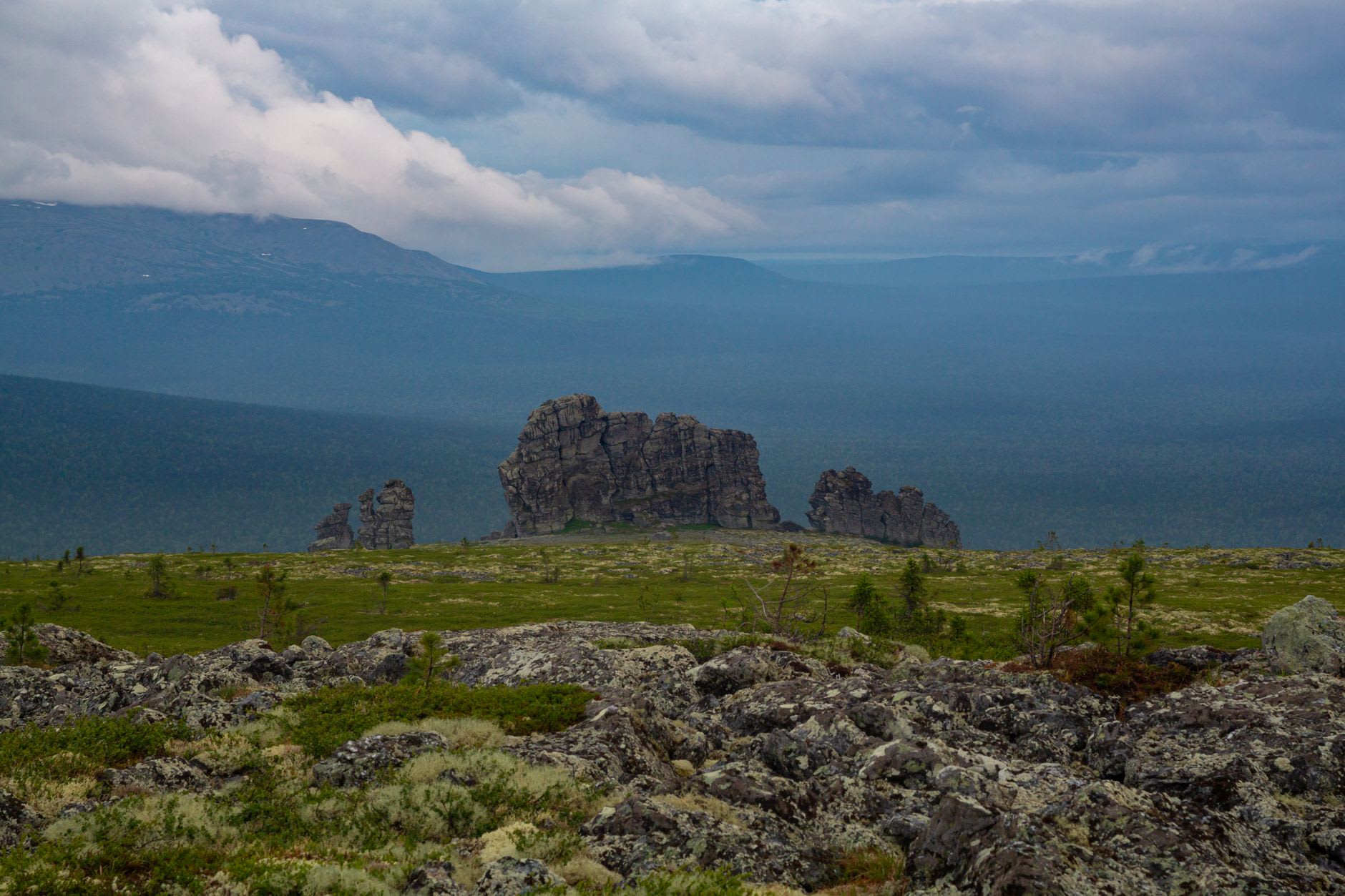
What I keep thinking about is the geography. Somewhere very near here runs the conventional line between Europe and Asia — there are monuments to it on the roads outside Yekaterinburg, and tourists pose with one foot on each continent. But standing in the gorge, with the same pines on both banks and the same cold river running through, the whole idea of a continental border felt like the most human thing imaginable: a line we drew on a place that doesn’t care, the way someone once drew a deer on a cliff.
When to go: Summer (June to August) is easiest, with long days and dry trails, though it draws weekend crowds from Yekaterinburg — go midweek. Autumn turns the birch and pine gold and is spectacular. Winter is genuinely beautiful, with the gorge frozen and quiet, but you’ll want proper cold-weather gear and ideally a guided group.