
Nizhny Tagil
"I stood under a blast furnace that used to melt iron ore twenty-four hours a day, and it felt more like a cathedral than a factory."
An industrial city built on iron and tanks, where a former steelworks has become one of the strangest open-air museums I've ever walked through.

I’ll be honest, Nizhny Tagil was not on my list of places I ever expected to visit. Lia found it while we were mapping out a loop through the Urals from Yekaterinburg, and she said one word that got me: “tanks.” I’m not particularly into military history, but the idea of a city that has been building armored vehicles since the Second World War, and still does, felt like something I needed to see with my own eyes rather than read about.
The centerpiece for me was the Nizhny Tagil Museum-Reserve of Mining Technology and History, which everyone just calls the open-air metallurgy museum. It’s the old Demidov ironworks, shut down in the 1980s and preserved more or less as it was left, machines mid-rust, conveyor belts frozen, furnaces cold but still looming five stories high. You walk through it on marked paths, and there’s no Disneyland gloss on any of it. Paint peeling, pipes exposed, the smell of old metal and cold concrete. I’ve been to plenty of curated industrial-heritage sites in Europe that feel sanitized. This one still feels like the workers just left for lunch.

The tank connection is impossible to avoid once you’re in town. Uralvagonzavod, the factory on the edge of the city, built T-34 tanks during the war after being evacuated here from Kharkiv, and it’s still one of the largest tank manufacturers in the world today. There’s a museum of armored vehicles near the plant with rows of tanks parked outside like some surreal sculpture garden, kids climbing on the older models while their parents take photos. It’s a strange thing to process, standing next to a T-34 in a quiet provincial city, knowing the machine in front of you helped decide the outcome of a war fought a thousand kilometers from here.
What surprised me most, though, was how normal daily life felt around all this heavy history. We ate dumplings at a tiny cafe near the market where the woman running it asked, with real curiosity, why on earth we’d come to Tagil instead of just staying in Yekaterinburg. I didn’t have a great answer beyond “we wanted to see the real Urals, not the postcard version.” She seemed to accept that. The city itself is rough around the edges, Soviet apartment blocks, a haze that sometimes still hangs over the skyline from the working steel plants, but there’s a directness to the place that I found more honest than a lot of the touristed towns we’d passed through.

Before we left, we climbed Lisya Gora, the small hill in the center of town topped with an old fire-watch tower, and looked out over the whole city, factories, church domes, apartment blocks, all mixed together under that same grey haze. It’s not a pretty view in the conventional sense. But it’s an honest one, and after a trip full of curated destinations, I appreciated that.
When to go: Visit between May and September when the weather is mild enough for walking the open-air museum grounds comfortably; winters here are long and genuinely harsh.
Keep exploring
More from Ural Mountains
 ural-mountains
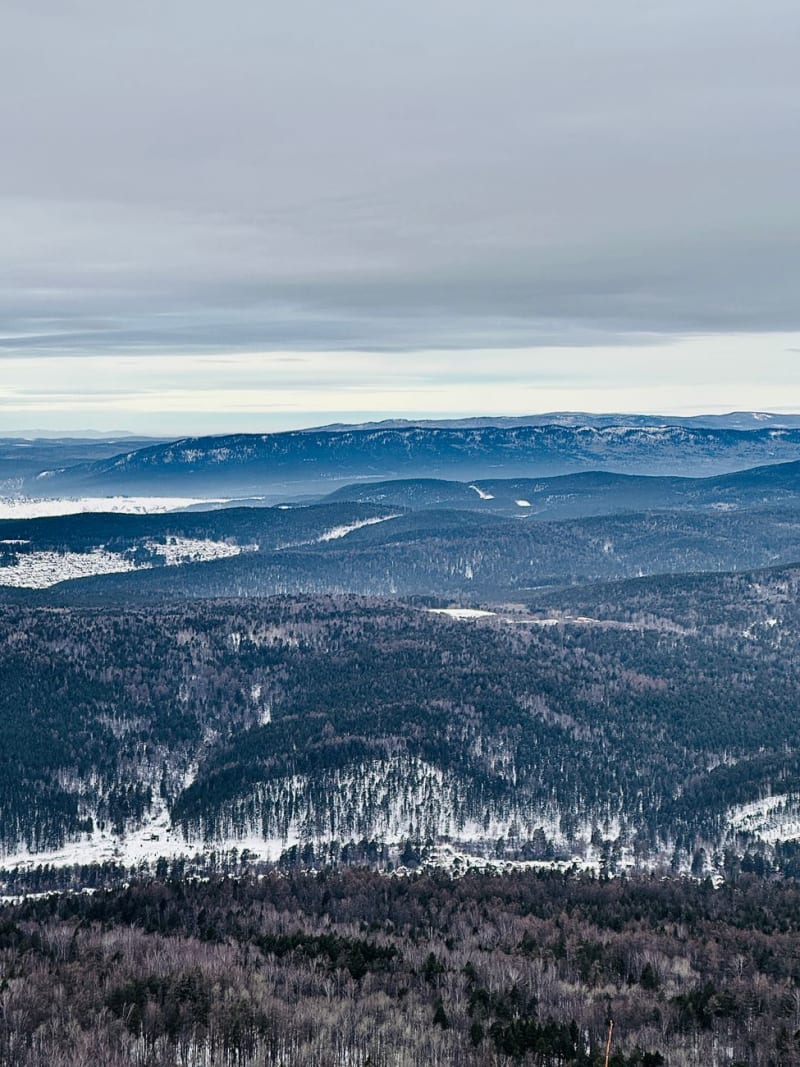
Olenyi Ruchyi
A river-gorge nature park southwest of Yekaterinburg where limestone cliffs, caves, and a famous ancient rock carving line the curling Serga River.
Explore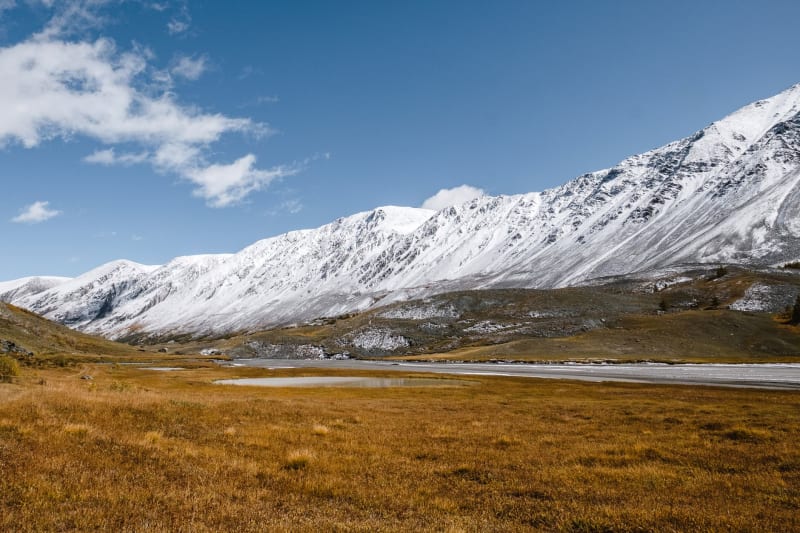 ural-mountains
Perm
A Ural River city that holds one of Russia's most honest confrontations with Soviet history alongside a serious contemporary art scene that caught the world off guard.
Explore ural-mountains
Taganay National Park
A raw slab of southern Ural wilderness where stone rivers, cloud forests, and summit ridges collide within a day's walk of each other.
Explore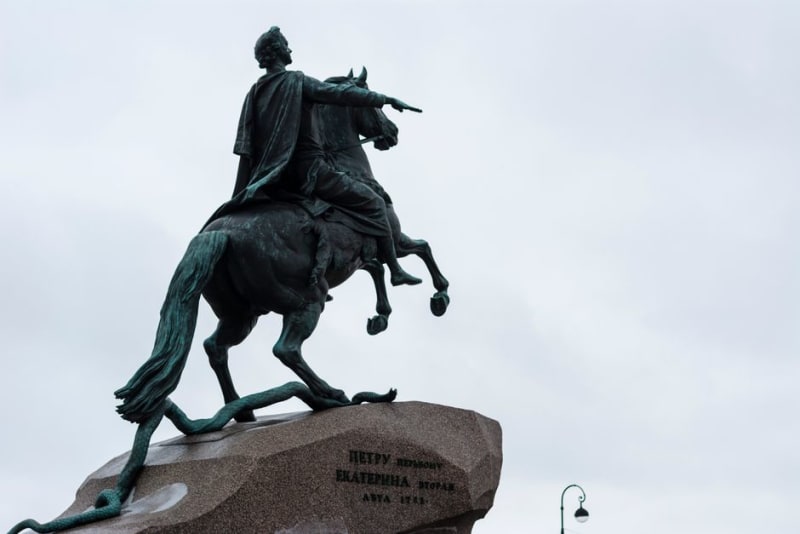 ural-mountains
Ufa
The Bashkir capital where the Urals quietly give way to the steppe, and where I ate more honey in three days than in the rest of my life combined.
Explore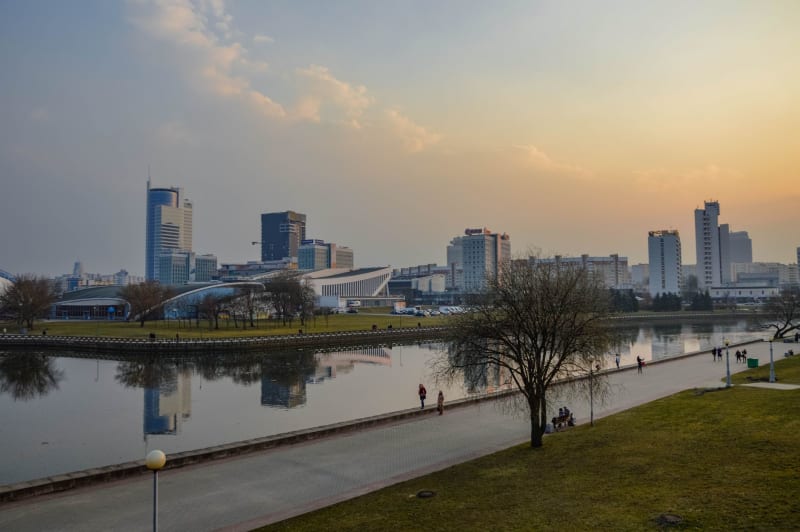 ural-mountains
Yekaterinburg
The Ural gateway city where Romanov history meets Soviet brutalism and a surprisingly alive contemporary arts scene.
Explore ural-mountains
Zlatoust
A metallurgy town in a mountain valley where two centuries of blade-making tradition produced an art form so refined it ended up in the Hermitage.
Explore