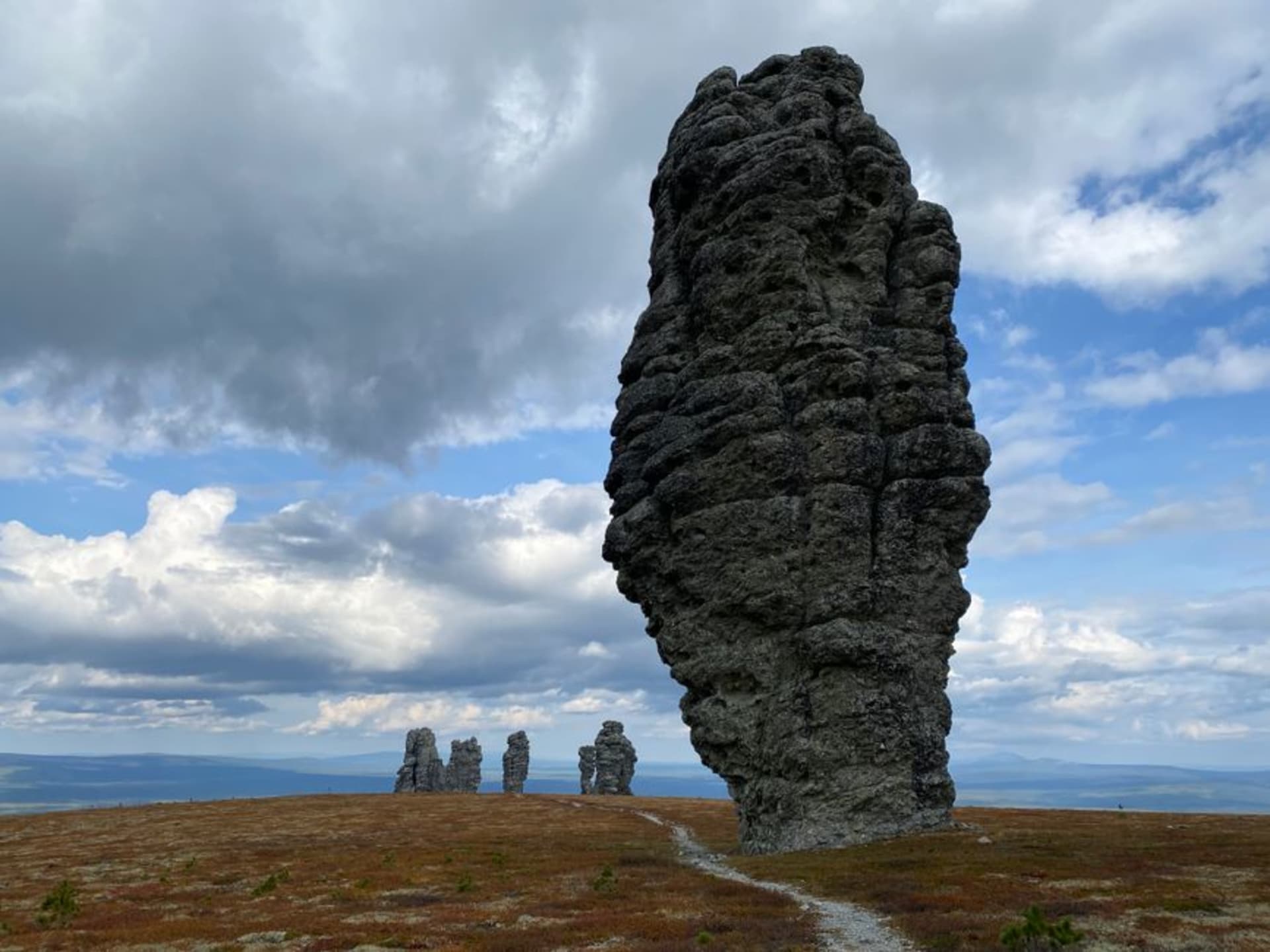
Manpupuner Rock Formations
"Some places make you feel small. Manpupuner made me feel like I'd trespassed into a story."
Seven weathered stone giants on a wind-scoured plateau in the northern Urals, sacred to the Mansi and nearly impossible to reach.
I’d read about the Manpupuner pillars years before I ever seriously considered going, filed away in that mental folder of “places too remote to actually visit.” Then a Russian hiking forum thread convinced me otherwise, and eight months later Lia and I were in a Mi-8 helicopter thumping over the Pechoro-Ilychsky Nature Reserve, watching the taiga give way to bare, rolling tundra. When the pillars finally appeared through the window — seven dark shapes standing impossibly straight on an empty plateau — neither of us said anything for a full minute. It’s not a view you narrate. It’s one you just watch.
Up close, the scale is disorienting. Some of these pillars top 30 meters, and knowing they’re just the stubborn cores of a mountain range that wind and water have been sanding down for millions of years doesn’t make them feel any less deliberate. Our Komi guide, a quiet man named Yevgeny who’d been out to the site more times than he could count, told us the Mansi people call them the Seven Strong Men — giants turned to stone mid-journey, punished or protected depending on which version of the legend you hear. Standing there with the wind flattening the grass around our boots, I believed every version at once.
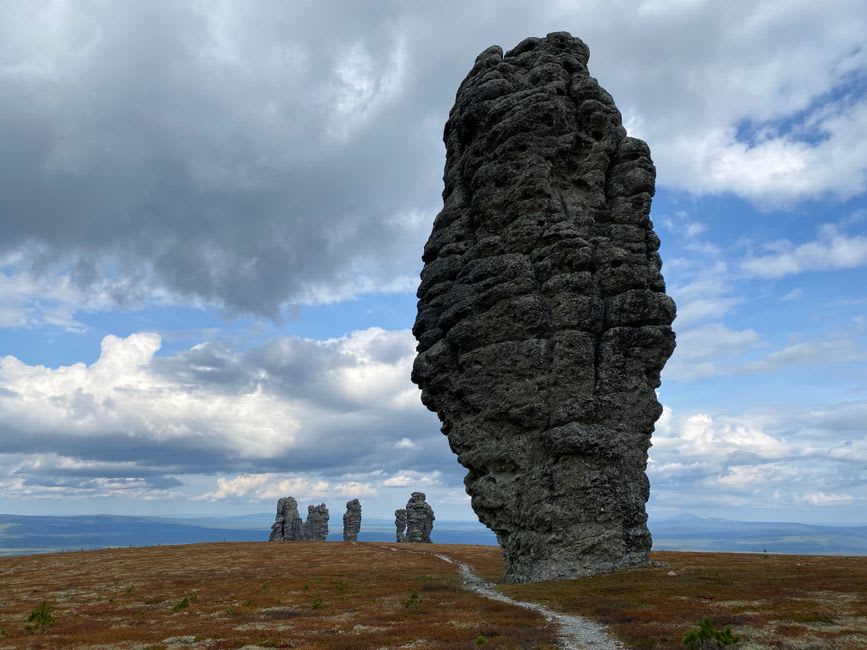
We’d chosen a summer trek, which meant days of walking in from the nearest access point before we ever saw the plateau, sleeping in a tent that never got properly dark this far north in July. Lia kept saying it felt less like a hike and more like a pilgrimage, and by the third day I understood what she meant — the effort becomes part of the meaning. When we reached the reserve’s small ranger hut near the site, the warden mentioned that in the entire month, we’d been maybe the twentieth group to sign the logbook. Voted one of the Seven Wonders of Russia back in 2008, and still this hard to reach. That contradiction is basically the whole appeal.
What stayed with me longest wasn’t even the pillars themselves but the silence around them — no crowds, no fences, no gift shop, just weather working on stone the way it has for longer than any human story attached to the place. I ate cold buckwheat and canned fish out of a battered pot that night, watching the light do strange things over the plateau, and thought about how few landscapes left on earth still ask this much of you before they’ll let you look at them.
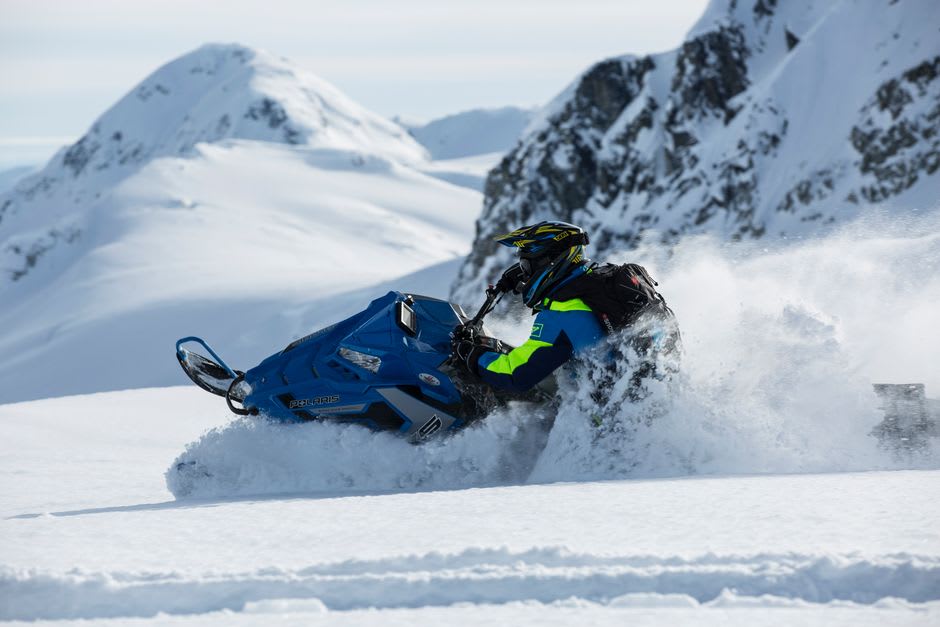
When to go: July and August give you trekking access and the long northern daylight, while February through March brings stable snow for a snowmobile or ski expedition — either way, build in extra days, because the reserve and the weather rarely cooperate on anyone’s schedule but their own.
Keep exploring
More from Ural Mountains
 ural-mountains
 Mount Narodnaya
The Urals' highest point at 1895 meters — not a technical climb but a true wilderness summit requiring a full expedition into one of Russia's most remote mountain regions.
Explore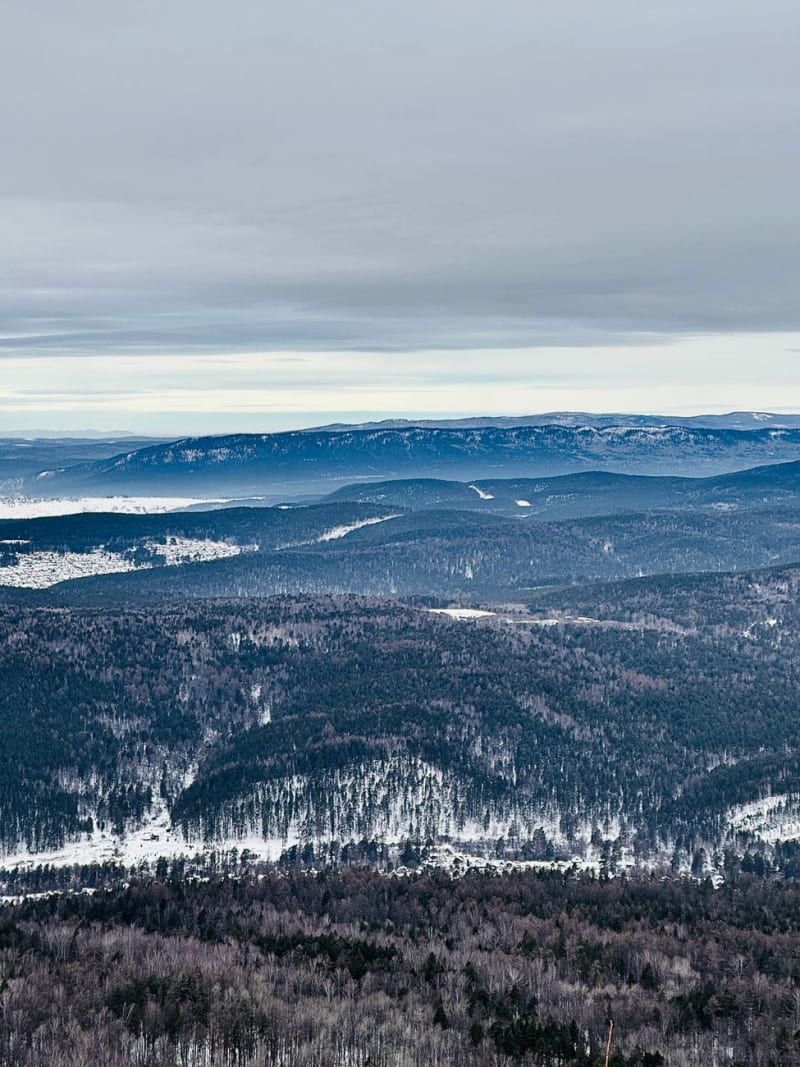 ural-mountains
 Olenyi Ruchyi
A river-gorge nature park southwest of Yekaterinburg where limestone cliffs, caves, and a famous ancient rock carving line the curling Serga River.
Explore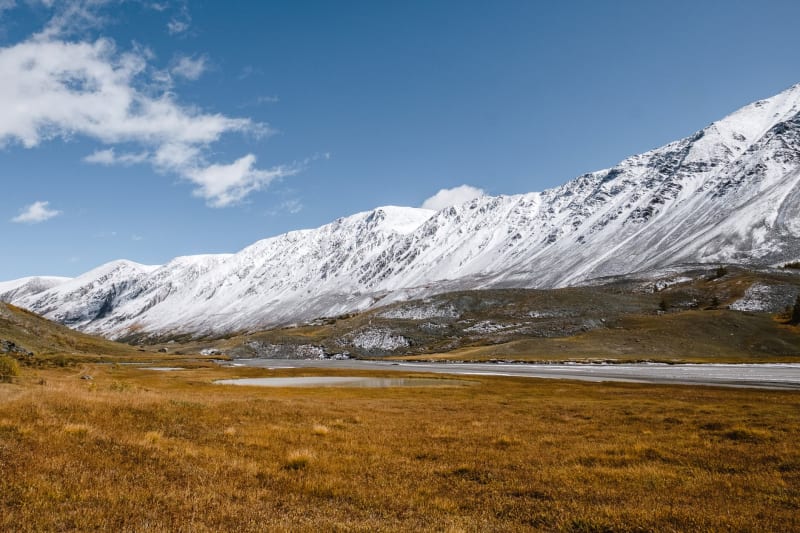 ural-mountains
 Perm
A Ural River city that holds one of Russia's most honest confrontations with Soviet history alongside a serious contemporary art scene that caught the world off guard.
Explore ural-mountains
 Taganay National Park
A raw slab of southern Ural wilderness where stone rivers, cloud forests, and summit ridges collide within a day's walk of each other.
Explore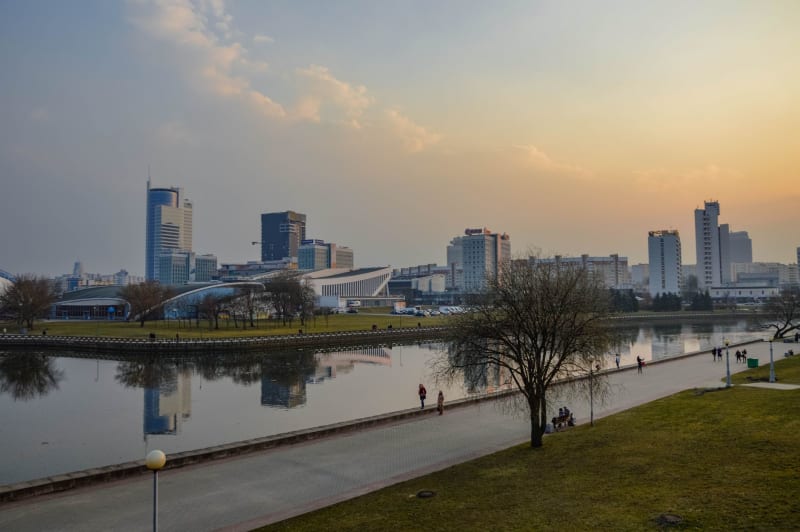 ural-mountains
 Yekaterinburg
The Ural gateway city where Romanov history meets Soviet brutalism and a surprisingly alive contemporary arts scene.
Explore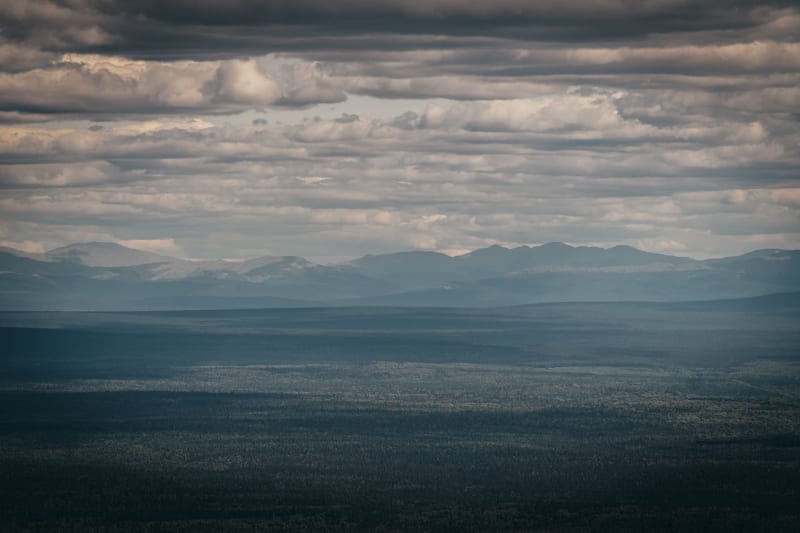 ural-mountains
 Zlatoust
A metallurgy town in a mountain valley where two centuries of blade-making tradition produced an art form so refined it ended up in the Hermitage.
Explore