
Magnitogorsk
"Someone told me the city exists because a mountain of iron happened to be sitting there, and honestly, once you see the plant, that explanation makes total sense."
A steel city built literally on top of an iron mountain, where the border between Europe and Asia runs down the middle of the river.

I have a small obsession with cities that exist for one specific, almost absurd reason, and Magnitogorsk might be the purest example I’ve come across. The whole place was built in the 1930s around Magnaya Gora, “Magnetic Mountain,” a deposit of iron ore so rich it reportedly threw off compass readings. Stalin wanted a steel city to rival Pittsburgh, and within a few years, out of nearly nothing, this was it. Walking around, you can still feel that origin story in the bones of the place.
The Magnitogorsk Iron and Steel Works, MMK, is one of the largest steel plants on the planet, and it dominates the western side of the city both visually and, some days, in the air you breathe. We didn’t get an official plant tour, those require advance arrangement through the company, but you don’t really need one. Just standing on one of the bridges over the Ural River at dusk, watching the plumes of steam and smoke lit orange by the furnace glow, tells you everything about what this city is built to do. It’s not subtle, and it’s not meant to be.

The detail that actually got me was the river itself. The Ural River splits Magnitogorsk almost exactly in half, and it happens to be one of the conventional boundaries between Europe and Asia. There’s a modest monument on one of the bridges marking the continental divide, and Lia and I did the slightly silly thing of walking back and forth over it a few times just to say we’d crossed continents on foot in under a minute. It’s a small moment, but it stuck with me more than most of the plant’s industrial scale did.

We stayed two nights, which is honestly enough. The center has a decent theater, a pleasant riverside promenade, and a metallurgy museum that explains the whole founding myth in more detail than I expected to want, but ended up enjoying. What stayed with me longer than any single sight, though, was the rhythm of the place, shift changes at the plant gate, the constant low hum of industry in the background of every conversation. It’s not a beautiful city. But it’s an honest one, and there’s something compelling about a place that never pretends to be anything other than what built it.
When to go: Visit in late spring or early autumn, when temperatures are manageable and the riverside walks along the Europe-Asia border are at their most pleasant.
Keep exploring
More from Ural Mountains
 ural-mountains
Manpupuner Rock Formations
Seven weathered stone giants on a wind-scoured plateau in the northern Urals, sacred to the Mansi and nearly impossible to reach.
Explore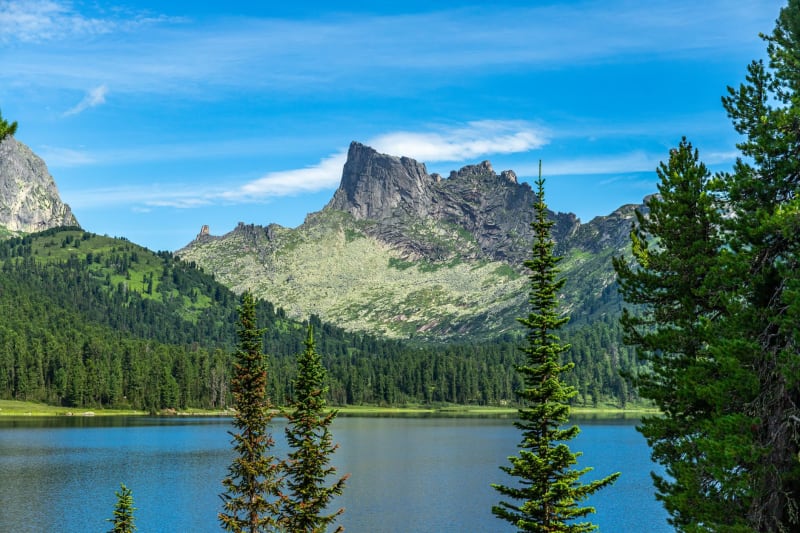 ural-mountains
Mount Narodnaya
The Urals' highest point at 1895 meters — not a technical climb but a true wilderness summit requiring a full expedition into one of Russia's most remote mountain regions.
Explore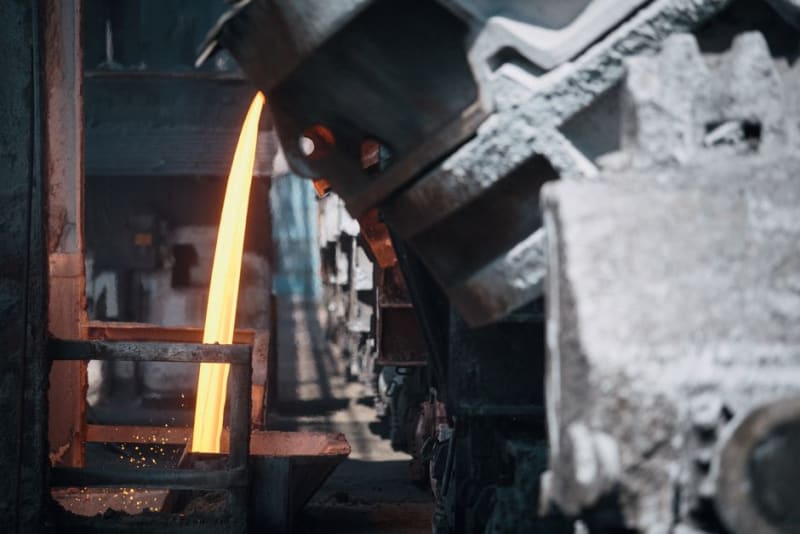 ural-mountains
Nizhny Tagil
An industrial city built on iron and tanks, where a former steelworks has become one of the strangest open-air museums I've ever walked through.
Explore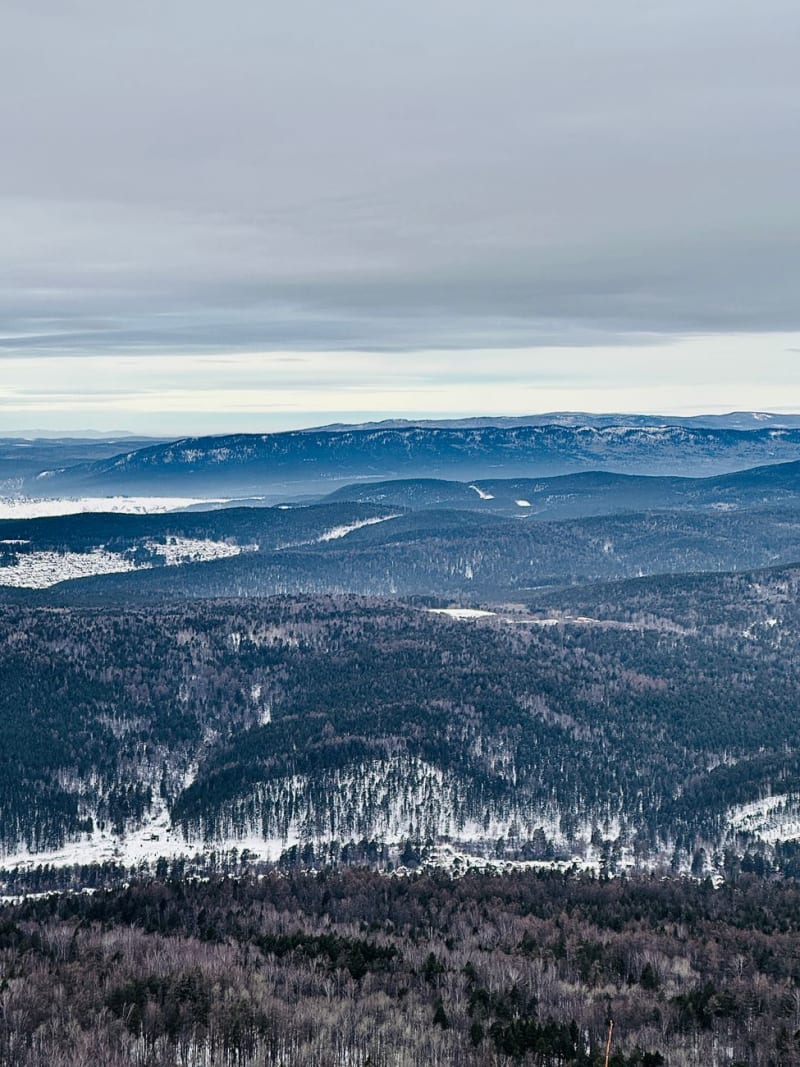 ural-mountains
Olenyi Ruchyi
A river-gorge nature park southwest of Yekaterinburg where limestone cliffs, caves, and a famous ancient rock carving line the curling Serga River.
Explore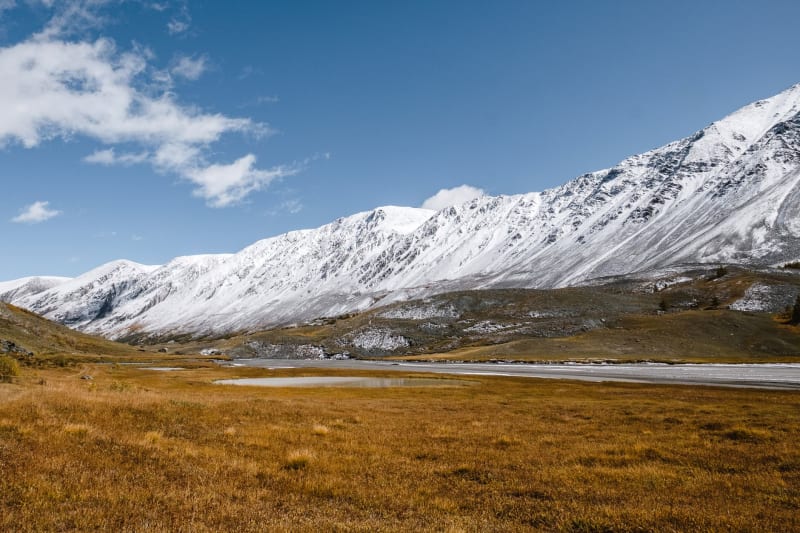 ural-mountains
Perm
A Ural River city that holds one of Russia's most honest confrontations with Soviet history alongside a serious contemporary art scene that caught the world off guard.
Explore ural-mountains
Taganay National Park
A raw slab of southern Ural wilderness where stone rivers, cloud forests, and summit ridges collide within a day's walk of each other.
Explore