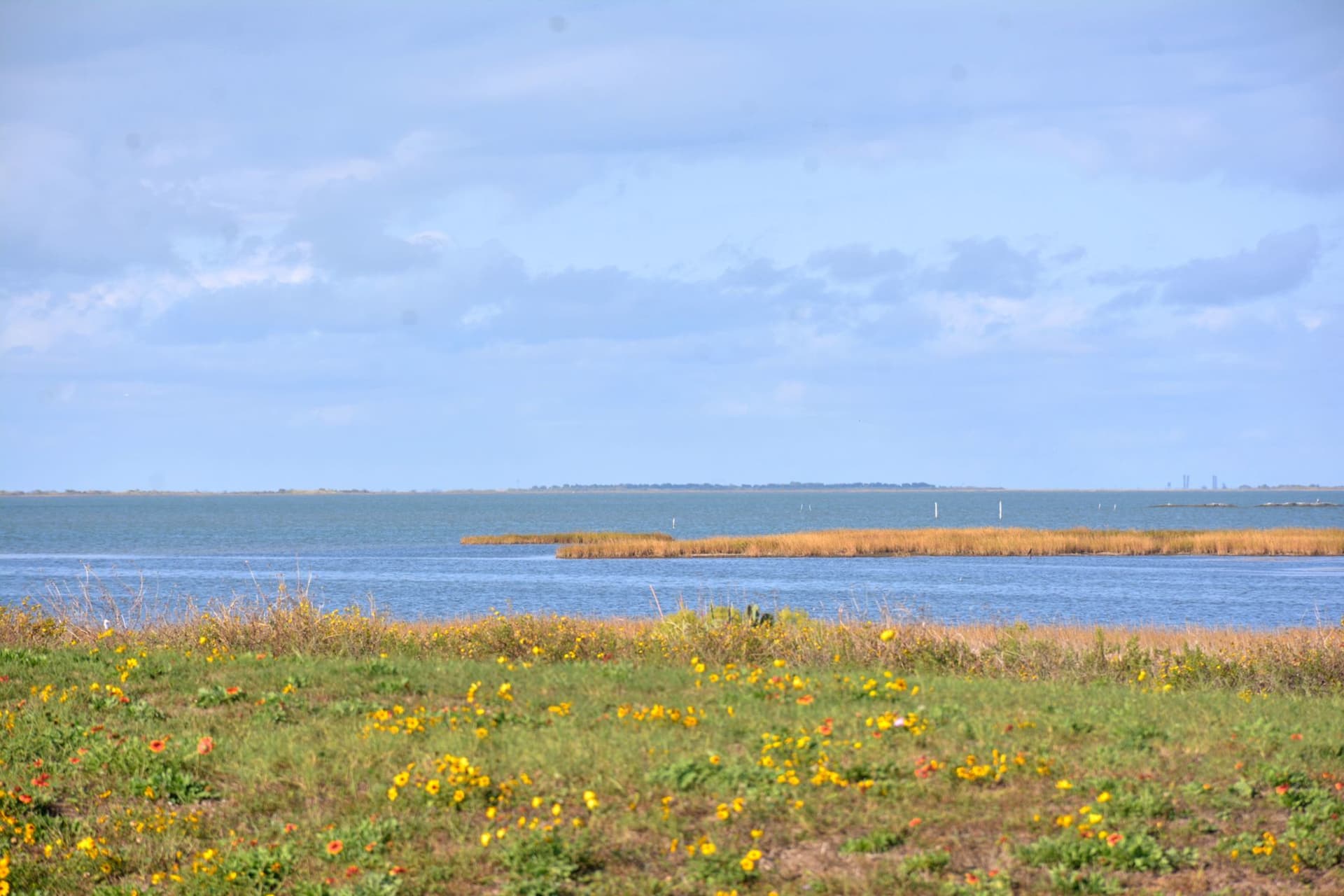
Galveston
"Galveston survived the storm that erased it, and everything here since has been rebuilt with that memory close to the surface."
A weathered Gulf Coast island city of Victorian mansions and salt air, forever shaped by the 1900 hurricane that remains America's deadliest natural disaster. Lia and I walked the Strand at dusk and felt the particular melancholy of a boomtown that never quite got its swagger back — and is better for it.

Before the 1900 hurricane, Galveston was poised to become the great port city of Texas, richer and busier than the young town of Houston up the bayou. The storm killed an estimated six thousand people in a single night, and the city’s response — raising the entire grade of the island by several feet and building a seventeen-foot seawall — remains one of the most audacious engineering feats in American history. Lia and I learned all this on our first evening, wandering the Strand Historic District’s cast-iron Victorian storefronts, and the knowledge changed how we saw everything after: not as simple charm, but as survival dressed up in ornament.
The Strand and downtown
The Strand itself, once nicknamed the “Wall Street of the South,” is now a stretch of restored 1800s commercial buildings housing galleries, oyster bars, and the sort of gift shops that sell hurricane-themed postcards without irony. We spent a morning at the Bishop’s Palace a few blocks away, a turreted 1892 Romanesque mansion that somehow survived the storm relatively intact, its stained glass and hand-carved staircases untouched while much of the surrounding neighborhood was leveled. Nearby, the Broadway Historic District’s row of restored mansions — the “Broadway Beauties” — gave us a sense of just how wealthy this island once was, and how much of that wealth simply left after 1900 and never fully returned.

The seawall and the beach
Galveston’s ten-mile seawall runs along the Gulf-facing side of the island, and we rented bikes to ride its length one warm afternoon, the water a murky green-brown typical of this stretch of Gulf coast, nothing like the turquoise postcards of Florida but somehow more honest for it. Below the seawall, Stewart Beach and the pier at Pleasure Pier draw families with amusement rides jutting out over the water, while further west the beaches thin out into quieter, dune-backed stretches near San Luis Pass. We ended one evening watching the sun drop into the Gulf from a bar stool at a restaurant built out over the water, plates of fried shrimp between us, the seawall’s floodlights just beginning to flicker on behind us.

Getting There
Galveston has no major commercial airport; most visitors fly into Houston, either William P. Hobby Airport (about fifty minutes away) or George Bush Intercontinental (closer to an hour and fifteen minutes), then drive south on I-45, which runs directly onto the island. The drive itself is unremarkable — flat coastal plain and refinery skylines — but the payoff at the causeway, when the Gulf opens up ahead, makes the trip feel worthwhile. A car is essential for reaching the seawall’s quieter western stretches, though downtown and the Strand are easily walkable once you’ve parked.
Keep exploring
More of Texas
Keep exploring
More from Texas
 united-states
Houston
A sprawling, gloriously diverse Texas metropolis where astronauts trained, oil built glass towers, and half the planet seems to have opened a restaurant. Houston has no shape you can hold in your head, but it feeds you like nowhere else in America. We came for the space program and stayed for the food.
Explore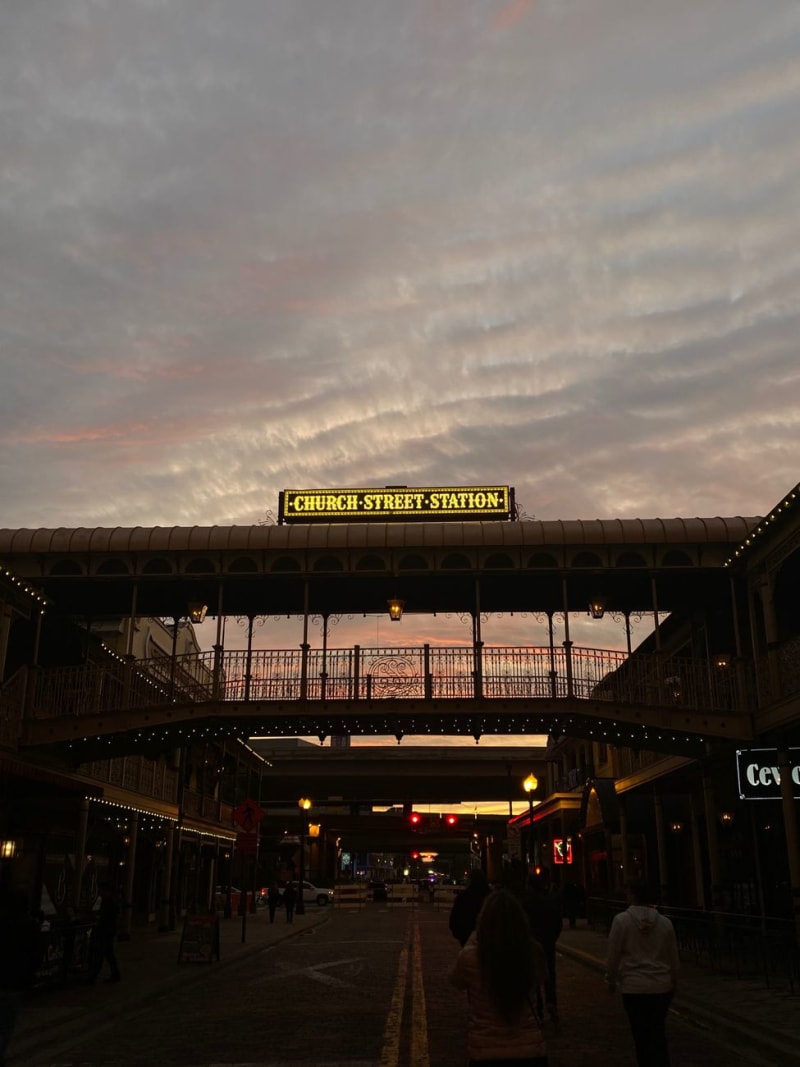 united-states
College Station
A city built almost entirely around Texas A&M University, where Aggie traditions run deeper than in perhaps any other American college town. Lia and I showed up on a Saturday in maroon we didn't own and left understanding why 90,000 people pack a stadium here every fall.
Explore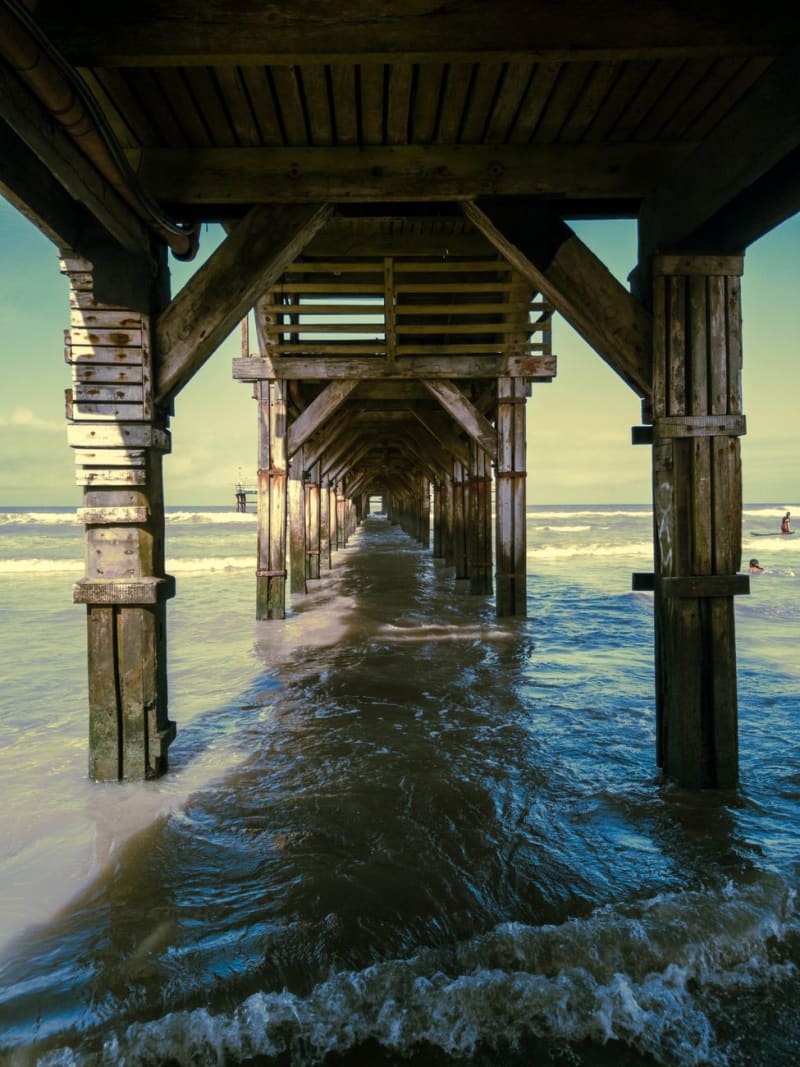 united-states
Port Aransas
A barrier-island fishing town on Mustang Island, reachable only by ferry or a long causeway, where dune grass rattles in the Gulf wind and pelicans outnumber people at dawn. Lia and I caught the free ferry across the ship channel and felt, almost instantly, like we'd left Texas behind for something looser.
Explore united-states
Austin
Live music, breakfast tacos, and a tech-meets-weird-Texas energy that no other American city can replicate.
Explore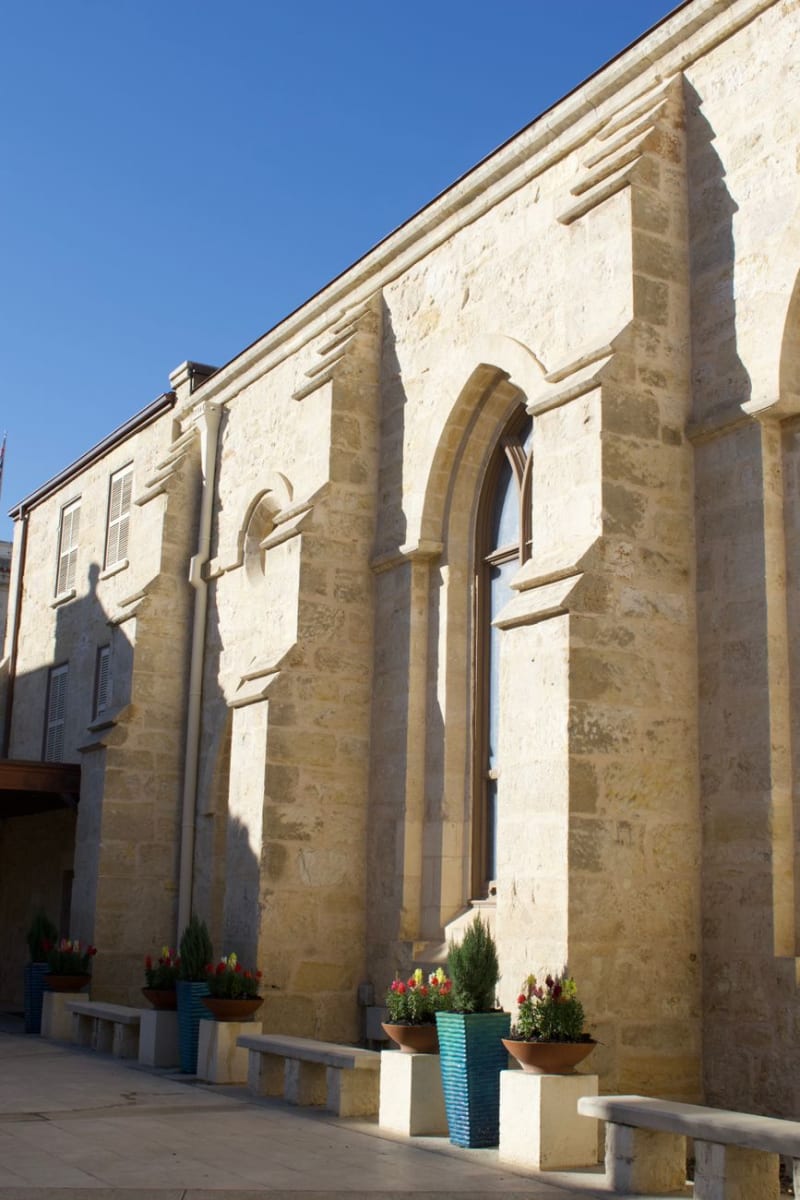 united-states
San Marcos
A Hill Country college town built around one of the clearest spring-fed rivers in Texas, where tubers drift lazily past century-old cypress trees. Lia and I meant to stop for an hour on our way to Austin and stayed the whole afternoon, wet-haired and sunburned, refusing to get back in the car.
Explore united-states
Waco
A once-overlooked Central Texas city reborn as a pilgrimage site for home renovation fans, its riverside downtown now humming beneath the shadow of Baylor's green campus. Lia and I came half-joking about the Fixer Upper effect and left won over by the Brazos River and the barbecue.
Explore