Elko
"Elko keeps two unlikely inheritances alive at once — cowboy poetry and Basque sheep camps — and somehow both feel completely at home here."
A high-desert mining and ranching town where Basque sheepherders left behind a food culture found nowhere else in America, and the Ruby Mountains rise so sharply from the valley floor they're nicknamed Nevada's Alps. Lia and I ate a family-style Basque dinner until we couldn't move, then hiked a glacial canyon the next morning to walk it off.

Elko sits in a broad northeastern Nevada valley that most people only see from I-80 at seventy miles an hour, but Lia and I got off the highway on the recommendation of a stranger in a Salt Lake City diner who told us, flatly, “you have to eat Basque there.” She was right in a way that reshaped the whole trip.
A Basque dinner, family style
Basque immigrants came to this stretch of Nevada in the late 1800s to herd sheep across the open range, and their boardinghouses evolved into the Basque restaurants that still define Elko’s food scene today. We sat down at a long communal table at one of the town’s oldest, and the meal arrived in waves without much choice involved: a pitcher of Picon punch, a tureen of soup, a platter of lamb stew, and a whole roast chicken, all meant to be shared down the table with whoever else happened to be seated there that night — in our case, a rancher’s family celebrating a birthday. It’s a tradition that started as feeding hungry sheepherders cheaply and became, somehow, one of the great regional cuisines of the American West.

Lamoille Canyon and the Ruby Mountains
The next morning we drove twenty minutes southeast to Lamoille Canyon, a glacially carved gorge cutting deep into the Ruby Mountains, a range so improbably jagged and snow-capped rising out of the sagebrush that early cartographers assumed the peaks held actual rubies (it was garnet). We hiked a few miles up the canyon floor past waterfalls and aspen groves, the granite walls closing in on either side, and understood immediately why backcountry skiers fly in from across the country for the Rubies’ famous heli-skiing terrain in winter.

Cowboy culture and the Western Folklife Center
Back in town, Elko’s other great cultural export is cowboy poetry — the Western Folklife Center hosts the National Cowboy Poetry Gathering every January, drawing working ranch hands from across the West to recite verse about cattle drives and open range in a tradition that’s kept oral cowboy culture alive since 1985. We weren’t there in gathering season, but the center’s small museum and archive of recorded poetry and music gave us a real feel for a culture that still quietly runs this part of Nevada, ranch trucks and all, outside the mining and casino economy most travelers associate with the state.

Getting There
Elko Regional Airport has direct flights from Salt Lake City, making it an easy connection for a quick visit. By road, Elko sits directly on I-80, about four hours east of Reno and three and a half hours west of Salt Lake City, a drive across open range and high desert that makes the sudden rise of the Ruby Mountains all the more dramatic. A car is necessary for reaching Lamoille Canyon, though downtown Elko and its Basque restaurants are easily walkable.
Keep exploring
More of Nevada
Keep exploring
More from Nevada
 united-states
Ely
A remote copper-mining town in the Great Basin, stranded along America's self-proclaimed loneliest road, where a vintage steam railroad still climbs into the pines. Lia and I arrived after hours without seeing another car and found neon casinos glowing improbably against the empty desert dark.
Explore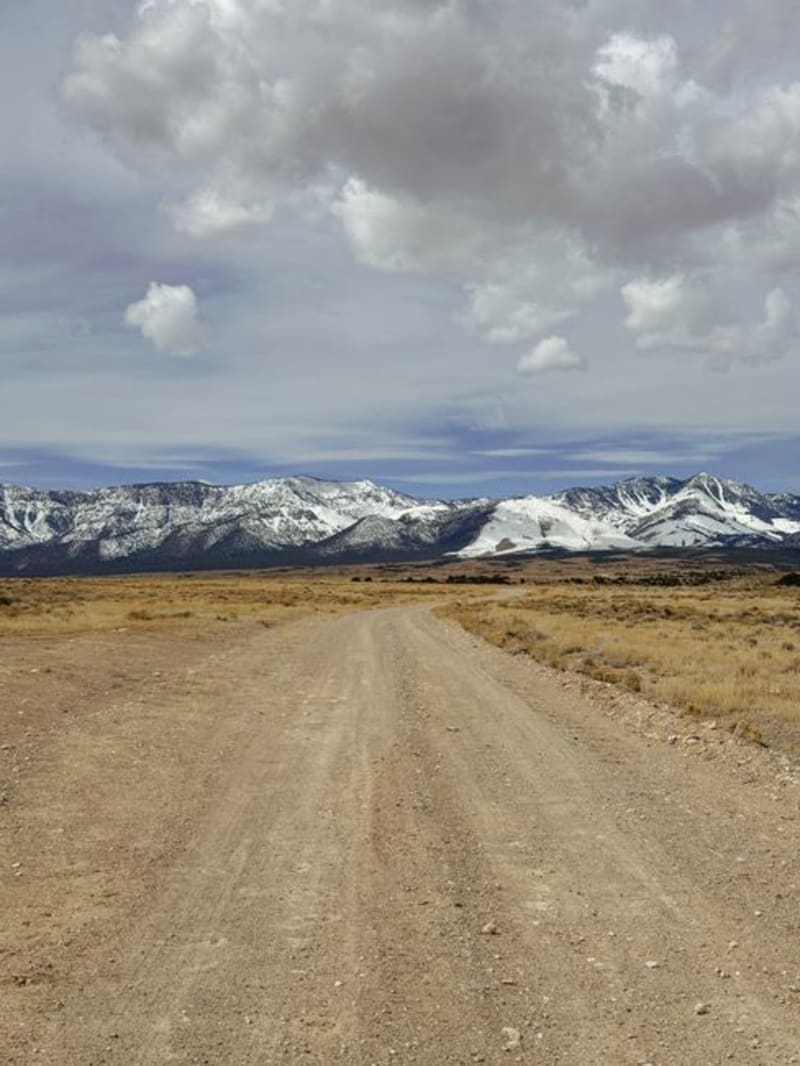 united-states
Great Basin
A remote Nevada range where the desert floor gives way to glacier-cut peaks, groves of the oldest trees on earth, and a marble cave hidden beneath a mountain. Few people make the drive, and that is exactly the point. Here the night sky does something you forget it can do.
Explore united-states
Winnemucca
A ranching and mining crossroads on the Humboldt River where Basque sheepherders left behind a food culture that still outshines anything else on I-80. Lia and I pulled off for gas and stayed for a family-style Basque dinner that turned into three hours and a bottle of Rioja we hadn't planned on.
Explore united-states
Pioche
A silver-boom ghost town clinging to a hillside in eastern Nevada, so violent in its heyday that locals say seventy-five men were buried before anyone died of natural causes. Lia and I climbed its crooked staircases past abandoned aerial tramways and felt like we'd wandered onto a movie set nobody had struck.
Explore united-states
Rachel
A population-of-fifty outpost on the Extraterrestrial Highway, built around a bar plastered with alien memorabilia and a nervous fascination with the secretive base just over the hills. Lia and I ordered the Alien Burger, laughed at the tin-foil decor, then drove out into the dark and genuinely couldn't explain a light we both saw moving wrong.
Explore united-states
Tonopah
A silver-boom ghost of a town halfway down Nevada's loneliest highway, where headframes still lean over abandoned mine shafts and the night sky is rated among the darkest in North America. Lia and I checked into a hotel the staff swore was haunted and spent the night unsure whether we believed them.
Explore