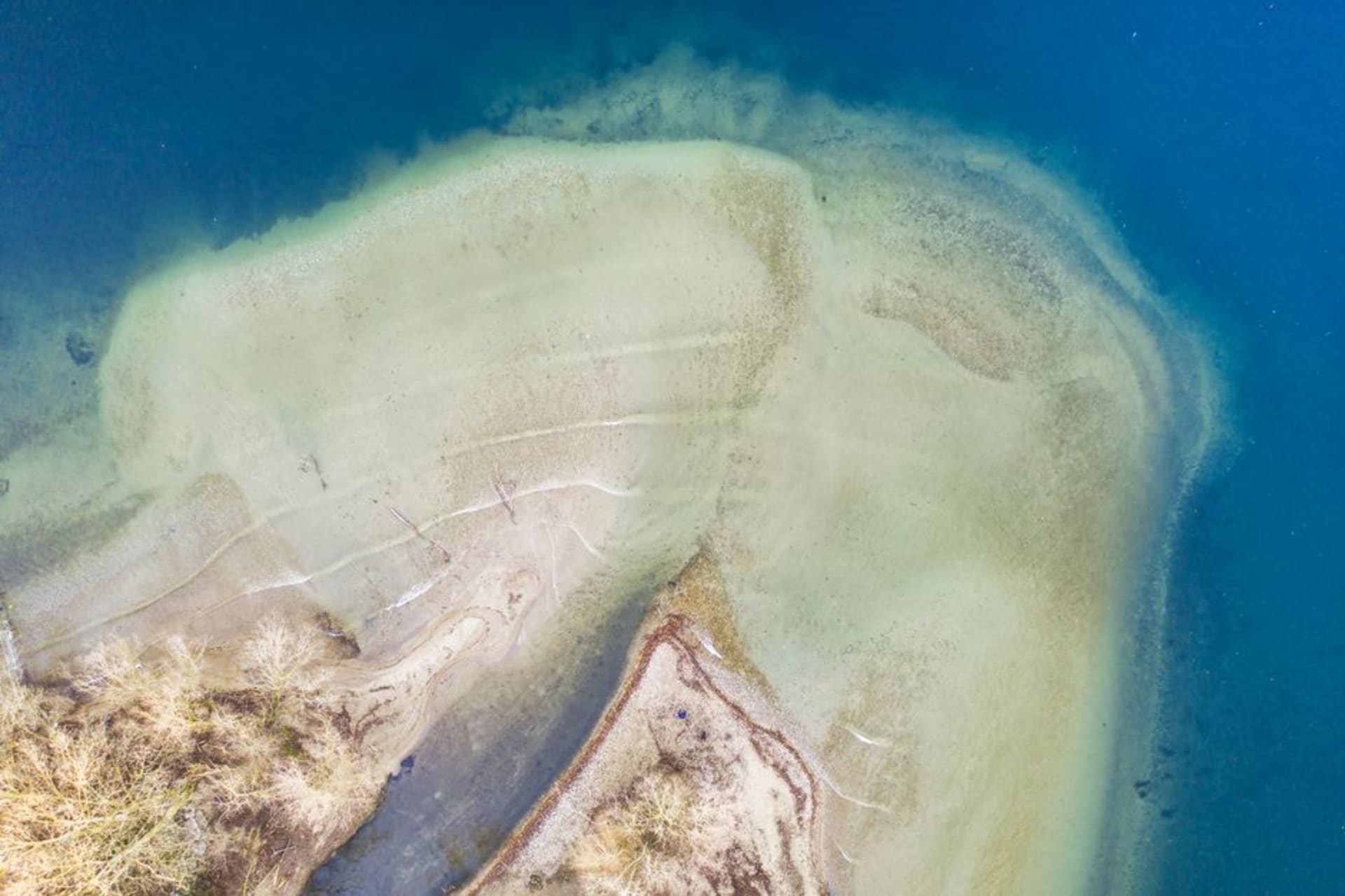
Ogallala
"Nobody warns you that there's a beach in western Nebraska, and that might be the state's best-kept secret."
A former cattle-drive boomtown on the South Platte that once earned the nickname 'Gomorrah of the Plains,' now a quiet gateway to Lake McConaughy's beaches. Lia and I swam in a Nebraska lake that looked, improbably, like the Caribbean.

Ogallala was, for about two decades after the Civil War, one of the wildest towns on the map — the end point of the Texas Trail, where cowboys drove herds of longhorns hundreds of miles north to load them onto Union Pacific cattle cars, then spent their pay in saloons rowdy enough to earn the town its “Gomorrah of the Plains” nickname. Front Street, a reconstructed stretch of that boomtown era, still runs through downtown with false-front buildings and a staged shootout in summer that made Lia laugh at how earnestly the local teenagers played their parts.
Lake McConaughy’s beaches
What actually pulled us here, though, was Lake McConaughy, Nebraska’s largest reservoir, a few miles north of town, ringed by genuine sand beaches that stretch for miles along the shoreline — a strange, disorienting sight in the middle of the sandhills. We rented a spot near the north shore, and the water was clear enough that Lia kept insisting we’d accidentally driven to a coast. Locals call it Big Mac, and on a summer weekend the beaches fill with boats and families, but we found an empty stretch on a Tuesday morning and had what felt like our own private lake for two hours.

Front Street and the Boot Hill cemetery
Back in town, we walked Front Street’s wooden boardwalks past a recreated saloon and general store, then found Boot Hill, a small hillside cemetery where several cowboys who died in gunfights or brawls during the trail-driving years are buried under simple markers, some with only a first name. It’s a strange, small monument to how violent and short those boomtown years actually were, tucked quietly a few blocks from where families now grill burgers in their backyards.

Getting There
Ogallala sits just off I-80 in western Nebraska, about three and a half hours from Denver International Airport (DEN) or four hours west of Lincoln. A car is essential — Lake McConaughy’s shoreline and access points are spread out well beyond walking distance from downtown, and there’s no public transit in the area.
Keep exploring
More of Nebraska
Keep exploring
More from Nebraska
 united-states
North Platte
A railroad town on the Nebraska plains where Buffalo Bill Cody once ran his ranch and the world's largest rail yard still sorts freight around the clock beneath a viewing tower. Lia and I watched trains being built car by car from eight stories up, humbled by how much of the country moves through here unnoticed.
Explore united-states
Alliance
A remote panhandle railroad town famous for Carhenge, a full-scale replica of Stonehenge built from painted junk cars in a wheat field. Lia thought I was joking about it right up until we saw it rising out of the plains.
Explore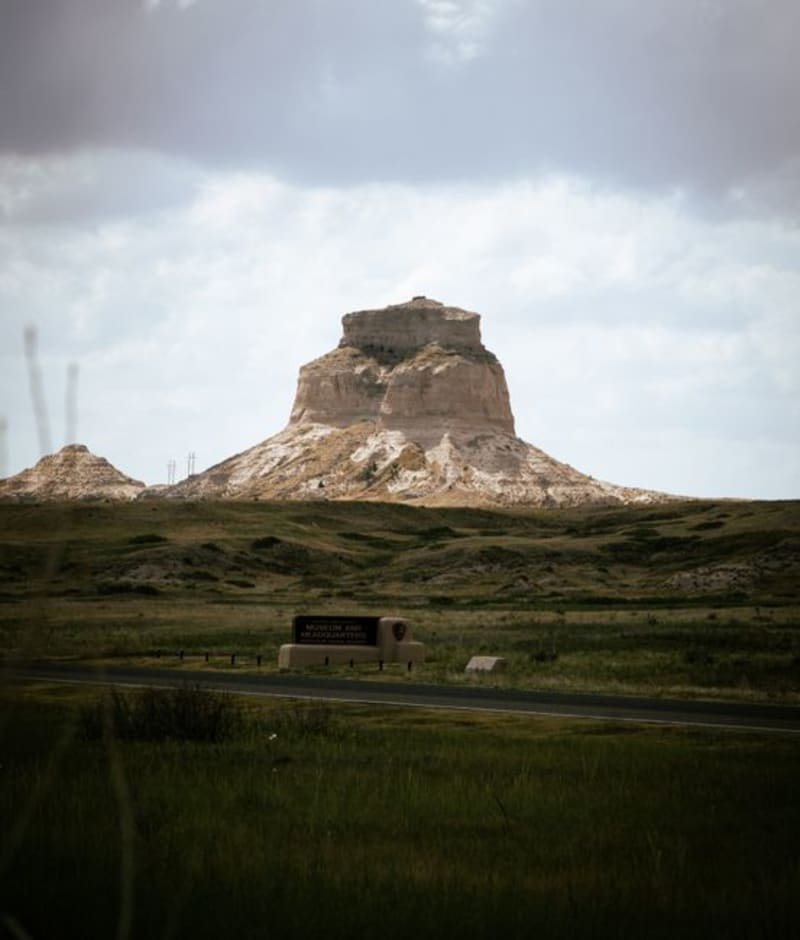 united-states
Gering
The town tucked right against Scotts Bluff National Monument, where 800-foot bluffs rise straight out of the North Platte valley and Oregon Trail wagon ruts are still visible in the stone. Lia and I hiked to the summit and could see three states.
Explore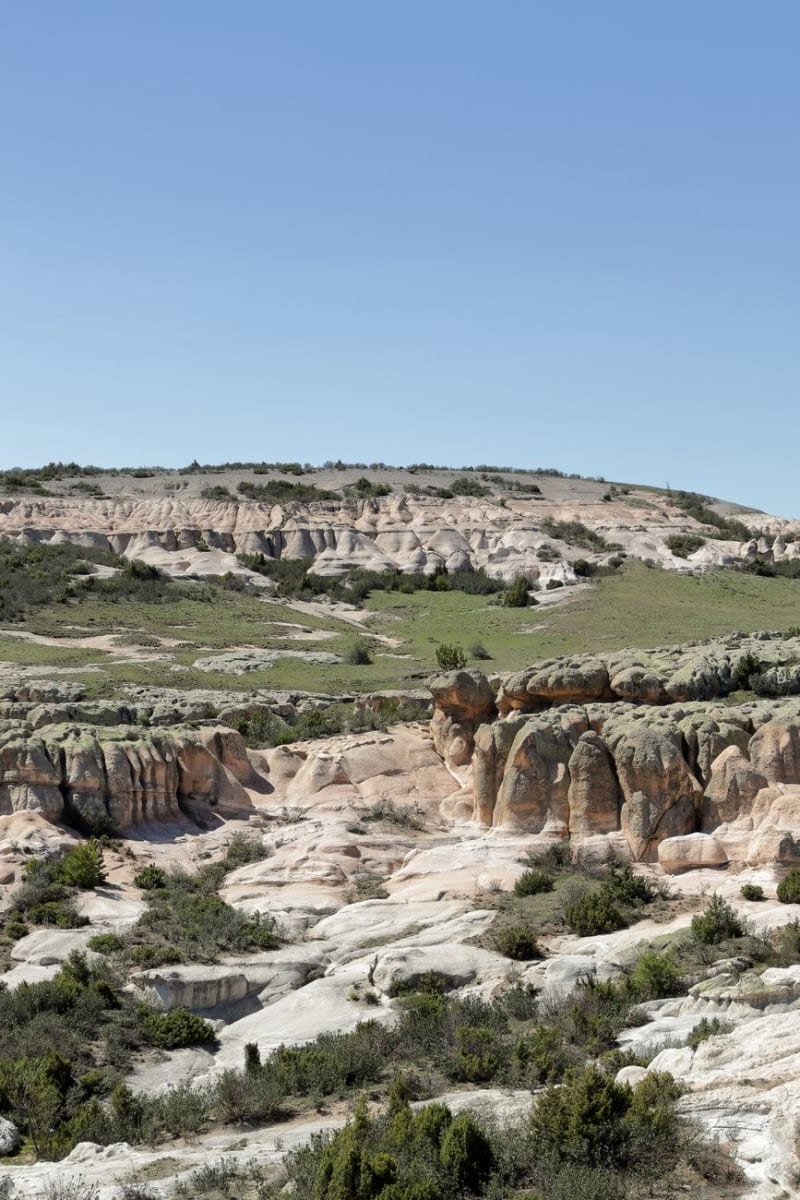 united-states
Scottsbluff
A prairie crossroads town beneath a great sandstone monolith that once guided wagon trains west along the North Platte River. Lia and I climbed the bluff at sunset and understood, in one long look down the valley, exactly why pioneers wrote about this landmark in their diaries.
Explore united-states
Valentine
A cattle-country town on the edge of the Sandhills, where a wild river cuts through grass-covered dunes and the post office still stamps thousands of Valentine's Day cards every February. Lia and I came for a float down the Niobrara and stayed up late counting stars with no city glow to dim them.
Explore united-states
Chadron
A small pine-ridge town in Nebraska's far northwest corner, where prairie gives way abruptly to buttes, ponderosa forest, and frontier history. Lia and I came expecting flat farmland and found ourselves instead among fossil beds and canyon trails under an enormous, empty sky.
Explore