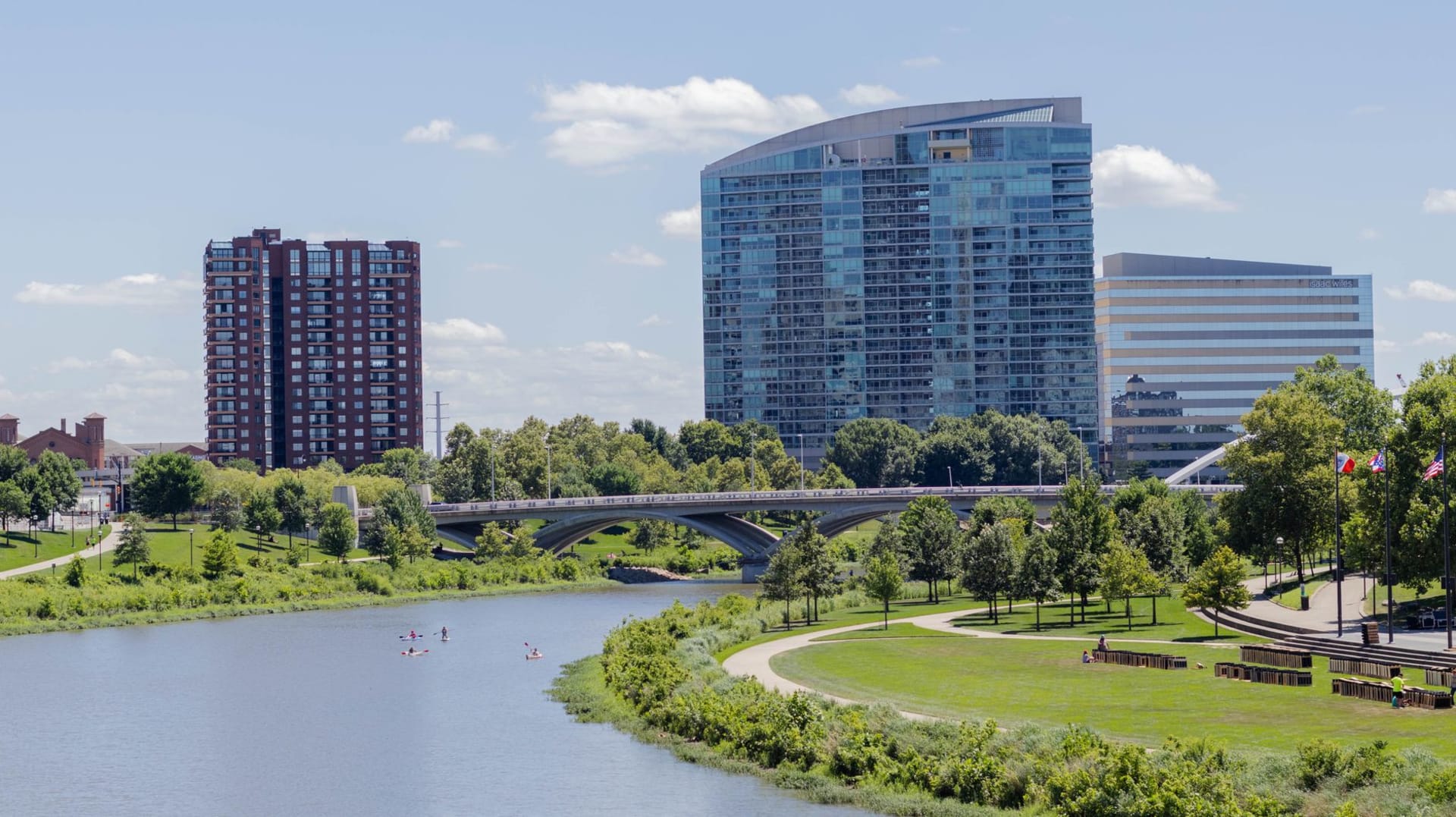
Springfield
"Every mile of Route 66 supposedly started here, which felt like a good enough reason to start our own trip the same way."
The self-declared birthplace of Route 66, where a historic town square anchors a city of outdoor outfitters, craft breweries, and the sprawling wilderness of Bass Pro Shops' flagship store. Lia and I found more genuine Ozark character here than we expected from a city best known as a highway footnote.

Springfield calls itself the birthplace of Route 66 — the name was reportedly coined here in a downtown hotel room in 1926 — and the city leans into that claim with a string of murals, neon-lit motor court signs, and a downtown square built for exactly this kind of pilgrimage. Lia and I arrived planning a quick overnight before continuing south into the Ozarks and ended up staying two full days, pulled in by a livelier, more layered city than the highway-trivia reputation suggests.
Historic square and Route 66
Park Central Square anchors downtown, its Beaux-Arts buildings and central fountain surrounded by the kind of independent bars and restaurants that have moved back into a once-quiet downtown over the last decade. We walked a stretch of the old Route 66 alignment through town, spotting restored neon signage on former motels and diners, then found the small plaque marking the spot where the highway’s name was allegedly settled on over a 1926 meeting. It’s a modest monument for a road so mythologized, but standing there, at what’s claimed as mile zero, gave our own drive south a nice sense of ceremony.

Bass Pro Shops and the outdoor city
No visit to Springfield skips Bass Pro Shops’ original flagship store, a genuinely astonishing complex with indoor waterfalls, aquariums stocked with alligators and giant catfish, a bowling alley, and a taxidermy collection so extensive it functions as an accidental natural history museum. Lia, no hunter or angler, still spent two hours wandering it, more amused than she expected to be. The store’s presence says something true about Springfield’s identity as an outfitting hub for the Ozarks beyond it — this is where lake-and-woods weekenders from across the region stock up before heading into Table Rock or the Mark Twain National Forest.

Breweries and the Ozarks edge
Springfield has quietly built a solid brewery scene, and we spent an evening hopping between taprooms in the Rountree and Galloway neighborhoods, one housed in a converted ice factory with exposed brick and a beer garden strung with lights. We ate cashew chicken, a dish Springfield claims to have invented decades ago and still serves at Chinese restaurants across town with genuine local pride, alongside barbecue that leans smokier and vinegar-forward than its Kansas City cousin two hours north. By our second evening, wandering the square after dinner, the city felt less like a highway waypoint and more like a small, self-assured regional capital with its own particular tastes.
Getting There
Springfield-Branson National Airport sits about ten minutes southwest of downtown, with direct flights from several major hubs, making it a convenient gateway for trips into the southern Ozarks. St. Louis is roughly three hours northeast via I-44, and Kansas City about the same distance northwest via Highway 13 and I-49. Downtown and the square are walkable, though a car is useful for reaching Bass Pro Shops and the outer neighborhoods.
Keep exploring
More of Missouri
Keep exploring
More from Missouri
 united-states
Fulton
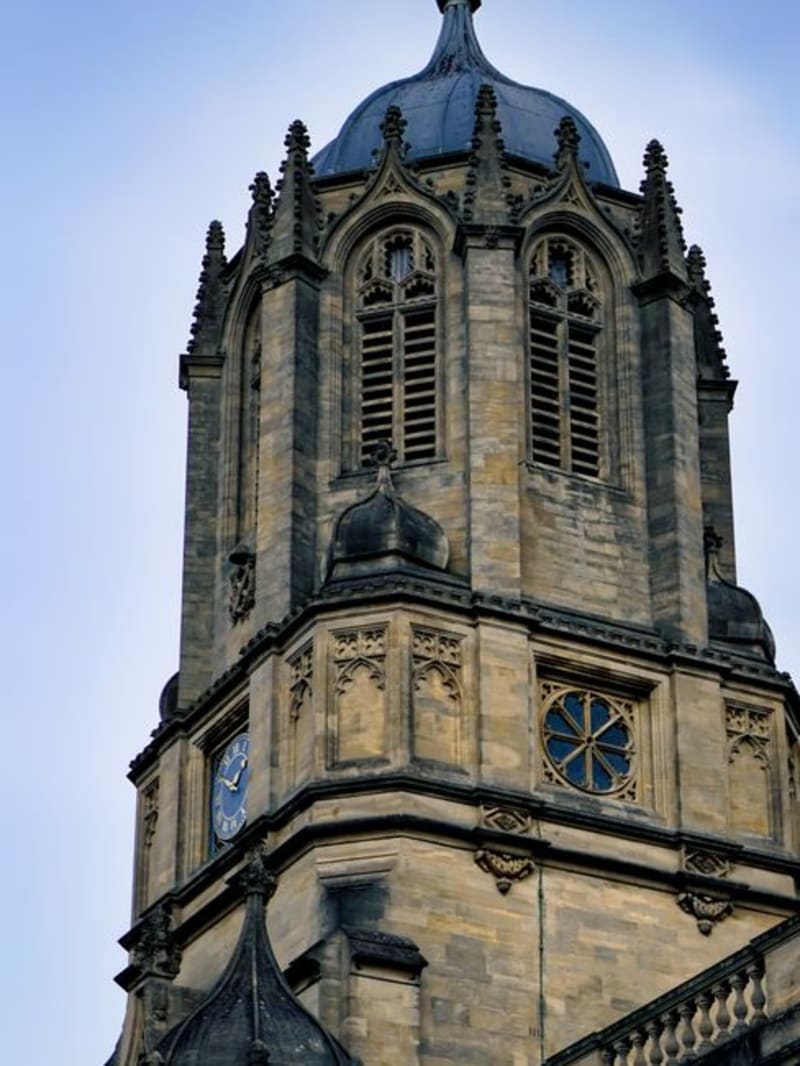
The small Missouri town where Winston Churchill coined 'Iron Curtain' — and where a bombed London church was later rebuilt stone by stone as a memorial. Lia and I stood inside that transplanted church and found the whole idea almost too strange to process.
Explore united-states
St Louis
A Missouri river city crowned by the soaring stainless-steel Gateway Arch, with grand old brick neighbourhoods, free museums, and a slow Mississippi rolling past. Lia and I found a place quietly proud of its history and generous with what it offers travelers.
Explore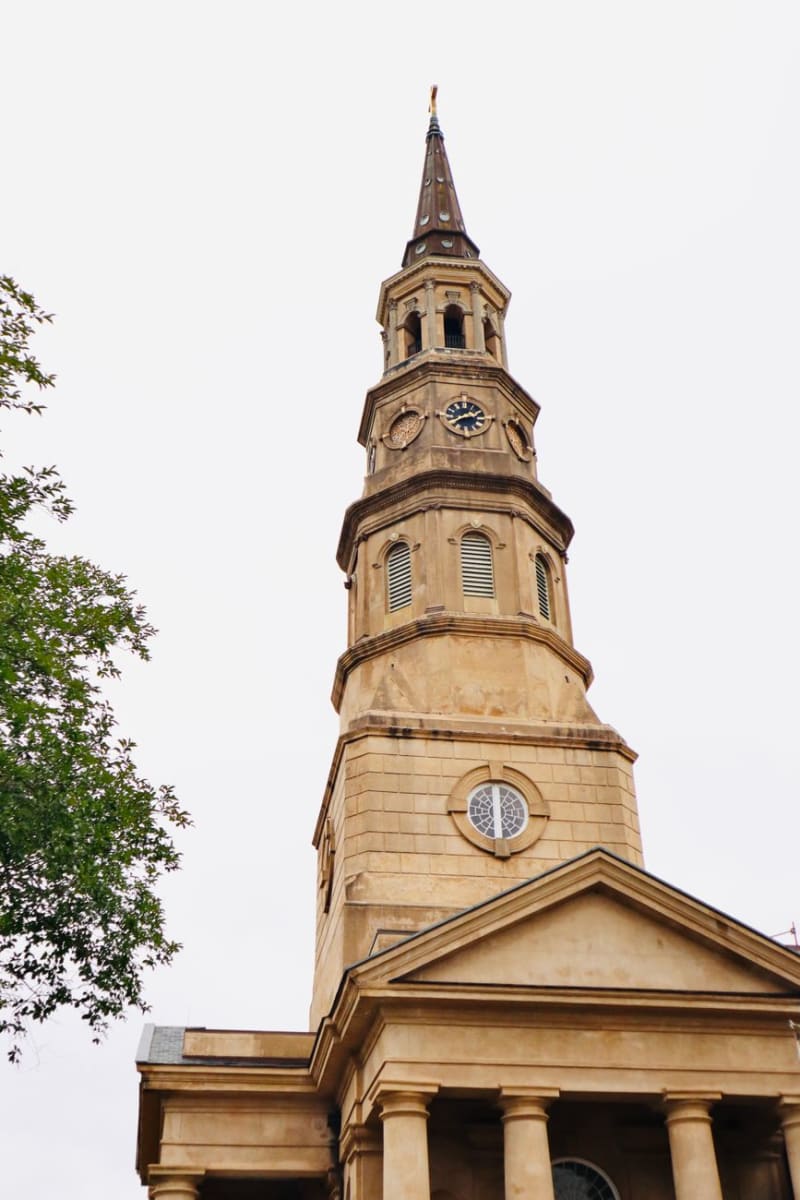 united-states
St. Charles
A cobblestoned Missouri River town where Lewis and Clark launched their expedition west, its historic Main Street lined with brick storefronts and the state's first capitol building. Lia and I wandered in at dusk when the gas lamps flickered on, and the whole street felt suspended a century out of time.
Explore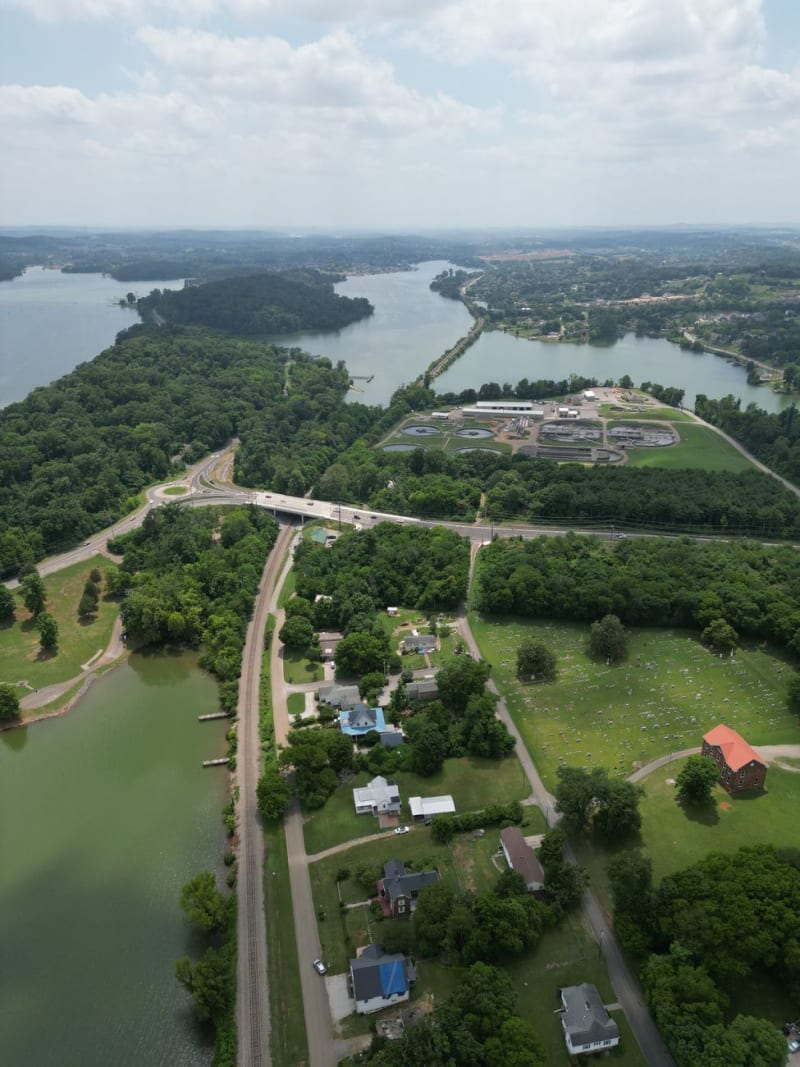 united-states
Hannibal
The Mississippi River town Mark Twain turned into Tom Sawyer's St. Petersburg, its whitewashed fences and limestone caves still performing the boyhood he wrote about. Lia and I climbed Cardiff Hill at dusk, watched a towboat push barges downriver, and understood why Twain never really left this place, even in fiction.
Explore united-states
Ste. Genevieve
The oldest permanent European settlement west of the Mississippi, a French colonial river town of vertical-log houses and steep-roofed cottages that feel closer to Normandy than the Midwest. Lia and I stood in front of one impossibly old home a long while, doing the math on just how many winters it had survived.
Explore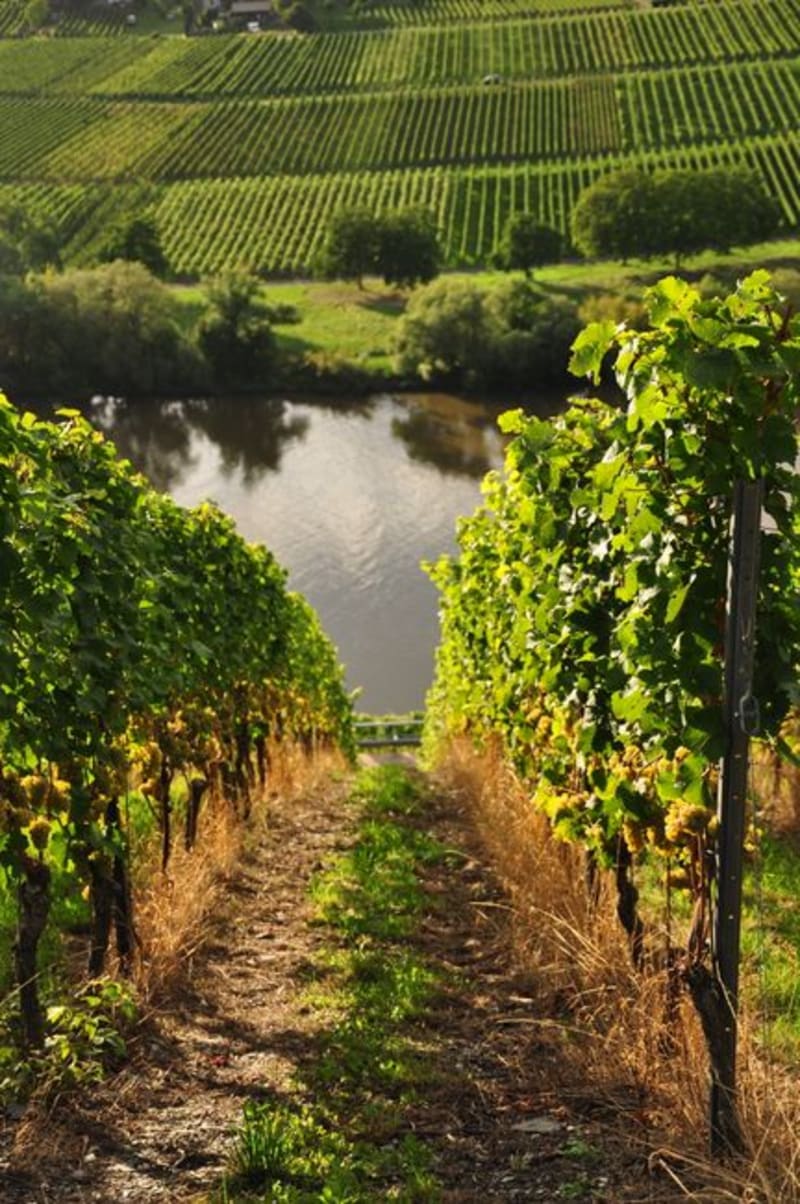 united-states
Hermann
A German-settled river town of stone wine cellars and steep vineyard hills that could pass for the Rhine if you squint past the cornfields. Lia, who grew up near Alsace, said it was the closest she's felt to home anywhere in the Midwest.
Explore