Pikeville
"This town once moved a mountain to keep from drowning, and never made much fuss about it."
A coal-country town in the Appalachian mountains of eastern Kentucky, famous for the Hatfield-McCoy feud and for literally moving a mountain and a river to save itself from flooding. Lia and I came for feud history and left marveling at an engineering project most Americans have never heard of.

Lia and I arrived in Pikeville through a narrow gap sliced clean through solid rock, and it took us a moment to realize the gap itself was the attraction. This is the Pikeville Cut-Through, a mid-20th-century engineering project that rerouted the Levisa Fork River, relocated a rail line and highway, and removed eighteen million cubic yards of mountain — at the time, one of the largest earth-moving projects in the Western Hemisphere outside the Panama Canal — all to stop the town from flooding every spring. Pikeville sits in the heart of Appalachian coal country, and its willingness to reshape the landscape rather than abandon the valley says a great deal about the place.
Hatfield-McCoy country
Pike County was ground zero for the Hatfield-McCoy feud, the decades-long 19th-century family conflict that became American folklore, and Pikeville leans into that history without flinching from its violence. Lia and I visited the small feud-focused exhibits downtown and drove out along back roads to the McCoy family cemetery, tombstones weathered and half-swallowed by rhododendron, feeling the particular quiet of a place where a real tragedy calcified into legend. Locals we talked to, some of them still bearing the surnames, discussed the feud with the wry, matter-of-fact distance of people whose family history became a tourist attraction generations ago.

Bluegrass, coal, and the mountains
Downtown Pikeville, rebuilt on the land reclaimed by the Cut-Through, has a small but earnest arts scene — a performing arts center hosts bluegrass and gospel shows, and the coal-mining history that built the town is honored rather than hidden, with murals and a heritage museum tracing the industry’s rise and painful decline. We climbed to an overlook above the Cut-Through at sunset, the whole engineered gap glowing amber below us, ridgelines stacking blue into the distance in every direction — classic central Appalachian country, equal parts hard-used and beautiful.

Getting There
Pikeville’s small regional airport has no commercial service, so most visitors drive — the town sits about ninety minutes southeast of Lexington via the Mountain Parkway, or roughly two and a half hours from Charleston, West Virginia, through winding mountain roads. The drive itself, climbing through steep hollows and coal-truck traffic, is a fair introduction to the terrain that shaped everything about this town.
Keep exploring
More of Kentucky
Keep exploring
More from Kentucky
 united-states
Middlesboro
A coal town built, locals insist, inside the rim of a giant meteor crater, sitting a few miles from the Cumberland Gap where Daniel Boone's Wilderness Road once funneled thousands of settlers into Kentucky. Lia and I hiked to the Pinnacle overlook and could see three states from a single bench.
Explore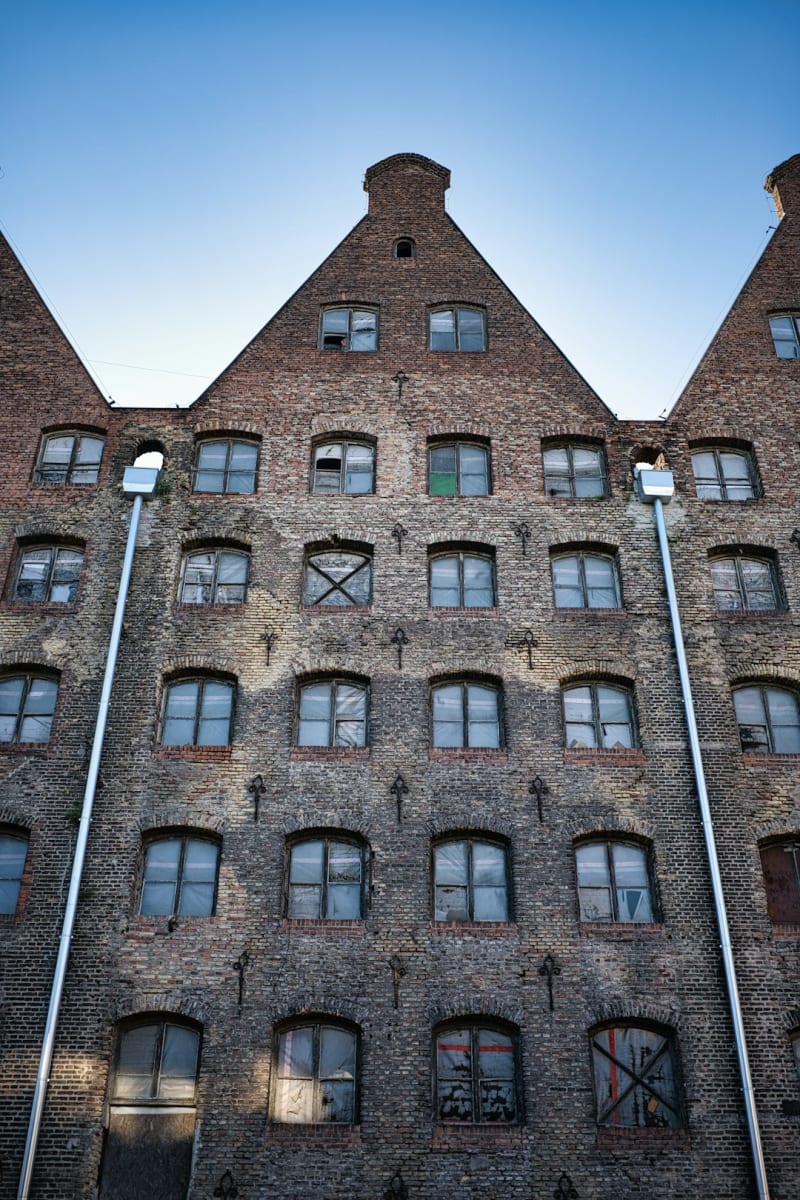 united-states
Maysville
An Ohio River town of brick storefronts and old tobacco warehouses that once outranked Cincinnati as a river port, and still carries the singer Rosemary Clooney's name on a theater marquee downtown. Lia and I wandered the floodwall murals until the light went and the whole riverfront turned the color of the water.
Explore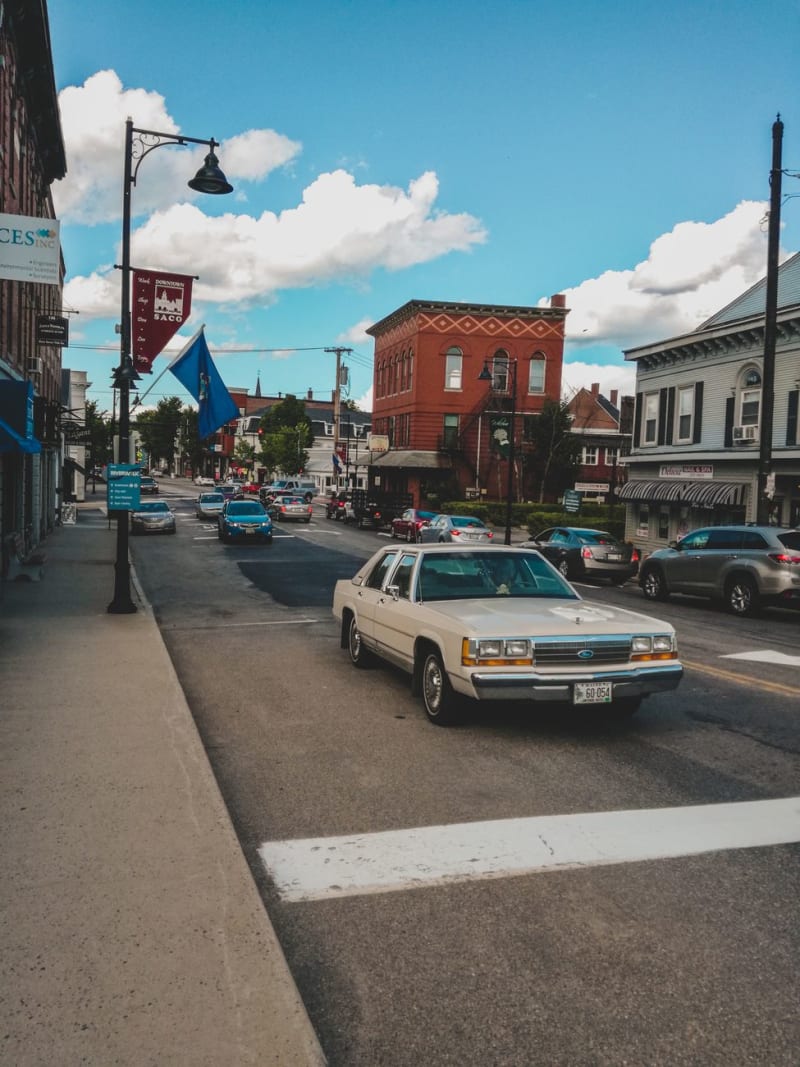 united-states
Lexington
The heart of Kentucky's Bluegrass horse country, where white plank fences trace mile after mile of thoroughbred pasture beneath a skyline of grazing barns. Lia and I watched a morning workout at Keeneland in silence, both of us surprised by how much a horse at full gallop can feel like poetry.
Explore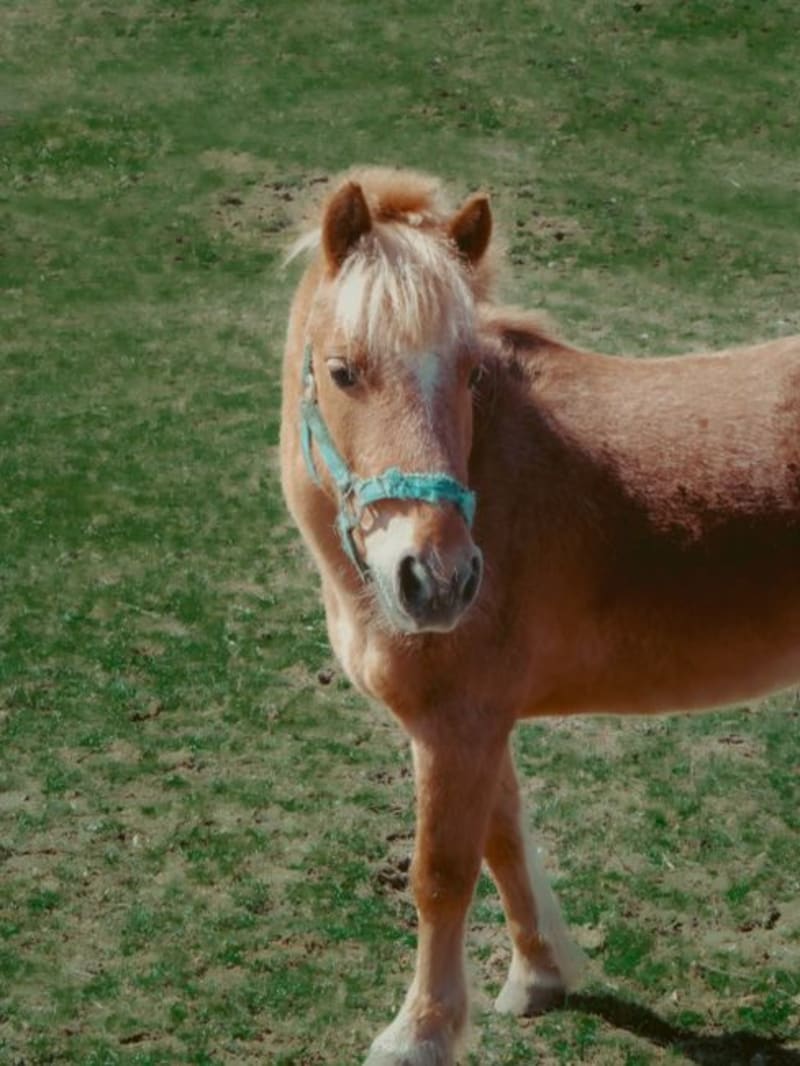 united-states
Versailles
A Woodford County horse town, pronounced ver-SALES by everyone who lives there, surrounded by some of the most photographed thoroughbred farms in the world. Lia and I got lost on purpose along its plank-fenced back roads and didn't mind one bit.
Explore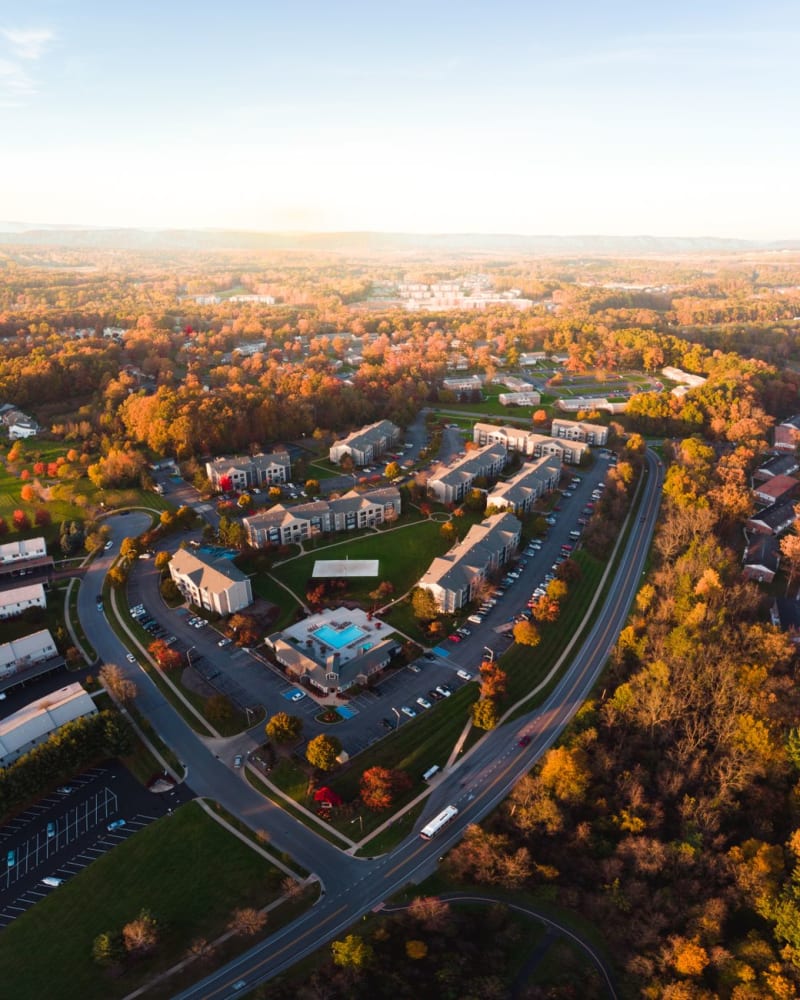 united-states
Harrodsburg
Kentucky's oldest permanent settlement, where a reconstructed pioneer fort and a hilltop Shaker village sit minutes apart across rolling bluegrass farmland. Lia and I came for the log cabins and left humming Shaker hymns, struck by how two utterly different visions of American community took root in the same quiet valley.
Explore united-states
Frankfort
Kentucky's small, hilly capital, where the state government shares the Kentucky River bluffs with a bourbon distillery and Daniel Boone's grave. Lia and I climbed to the old cemetery at dusk and watched the capitol dome light up below us, the whole town suddenly feeling much bigger than its population.
Explore