Council Grove
"Every wagon on the Santa Fe Trail stopped in Council Grove — some of the ruts never filled back in."
A Santa Fe Trail town where wagon ruts are still visible in the grass and a single oak tree once sealed a treaty that let the whole trail exist. Lia and I stood under what's left of it and felt oddly moved by a dead stump.

Council Grove sits at almost the exact spot where the Santa Fe Trail crossed the Neosho River, and for decades in the 1800s it was the last real chance for wagon trains heading west to repair equipment, buy supplies, and — this is the detail that got Lia — negotiate safe passage under a single massive oak tree that gave the town its name. That Council Oak is gone now, felled by a storm decades ago, but a section of its trunk is preserved downtown, and standing next to it, knowing an actual 1825 treaty was signed under its branches, gave both of us a small, unexpected chill.
Main Street’s trail-era buildings
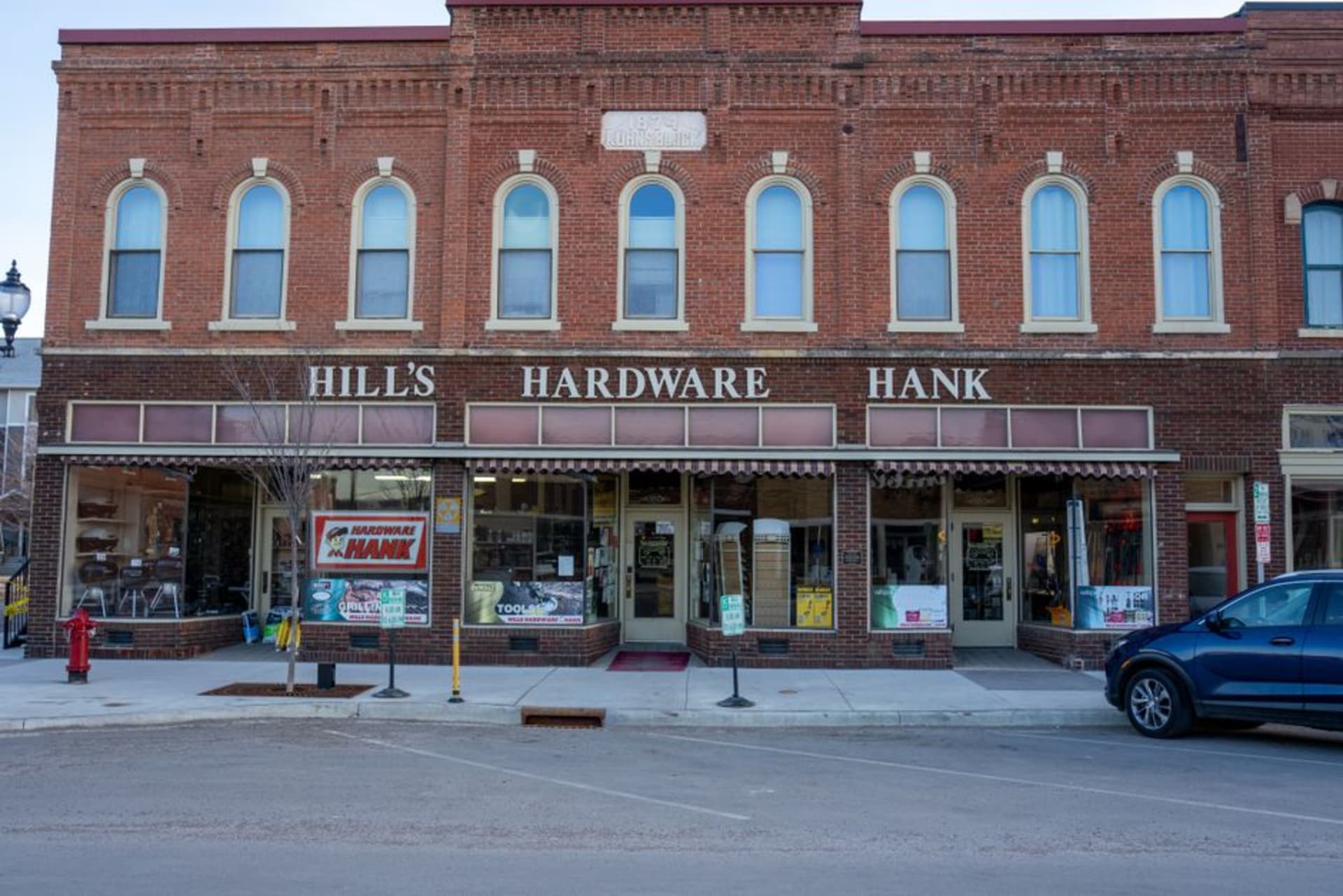
Council Grove’s downtown still has an unusual number of buildings that predate 1900, several with historical markers explaining their role in outfitting trail travelers — a general store that once sold the last flour and gunpowder before the long stretch to Santa Fe, a blacksmith shop, the Hays House restaurant, which claims to be the oldest continuously operating restaurant west of the Mississippi, dating to 1857. We ate there on our first night, fried chicken in a dining room with exposed beams, and it wasn’t hard to imagine trail-worn travelers doing more or less the same thing 150 years earlier.

Following the ruts out of town
Just east of Council Grove, we found a stretch of preserved trail ruts on public land, faint parallel depressions in the prairie grass that don’t look like much until you crouch down and really look — and then you realize you’re staring at physical evidence of tens of thousands of wagons that passed this exact spot. Lia, who’s used to European ruins measured in millennia, seemed almost more affected by these shallow grass tracks than by some cathedrals we’ve visited, maybe because the scale of ordinary human effort behind them was so easy to picture.
Getting There
Council Grove is about an hour southwest of Topeka and roughly 90 minutes from Wichita’s regional airport (ICT), the closest reasonable air connection. From Kansas City, plan on about two and a half hours west via I-35 and US-56. A car is essential — this is open Flint Hills country with no public transit — and it doubles as a good stop if you’re already tracing the Santa Fe Trail corridor across the state.
Keep exploring
More of Kansas
Keep exploring
More from Kansas
 united-states
Cottonwood Falls
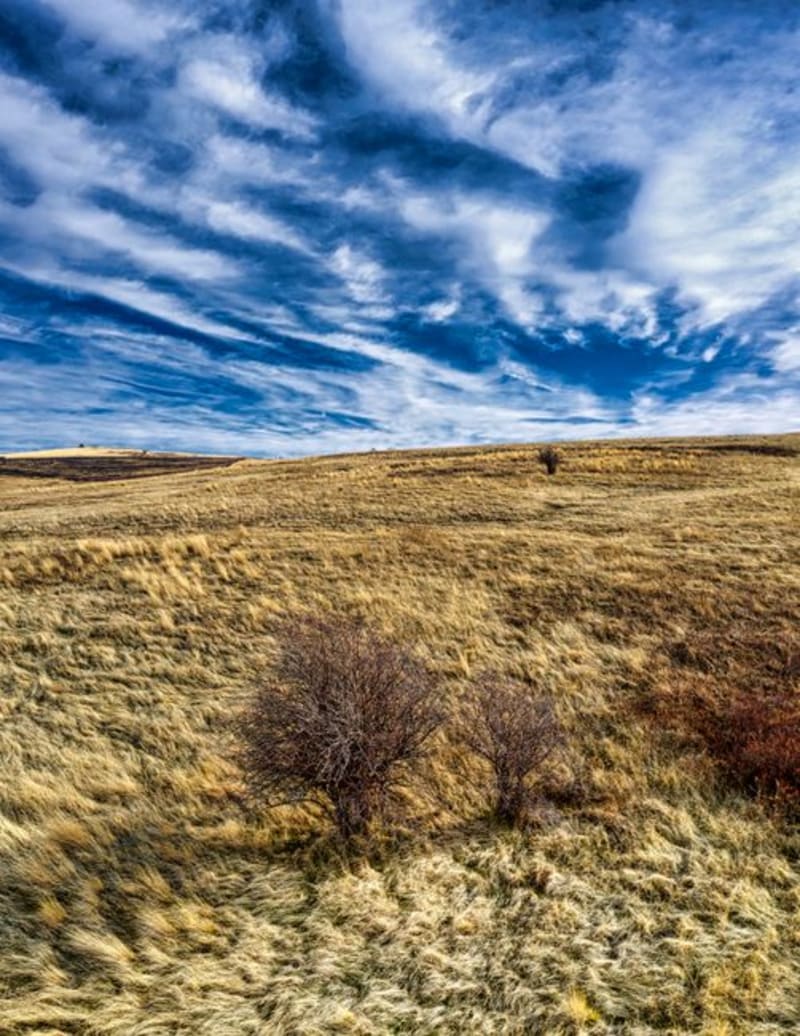
A town of under a thousand people with a French Renaissance courthouse rising absurdly out of the tallgrass prairie around it. Lia and I hiked into the Flint Hills at sunset and didn't see another car for two hours.
Explore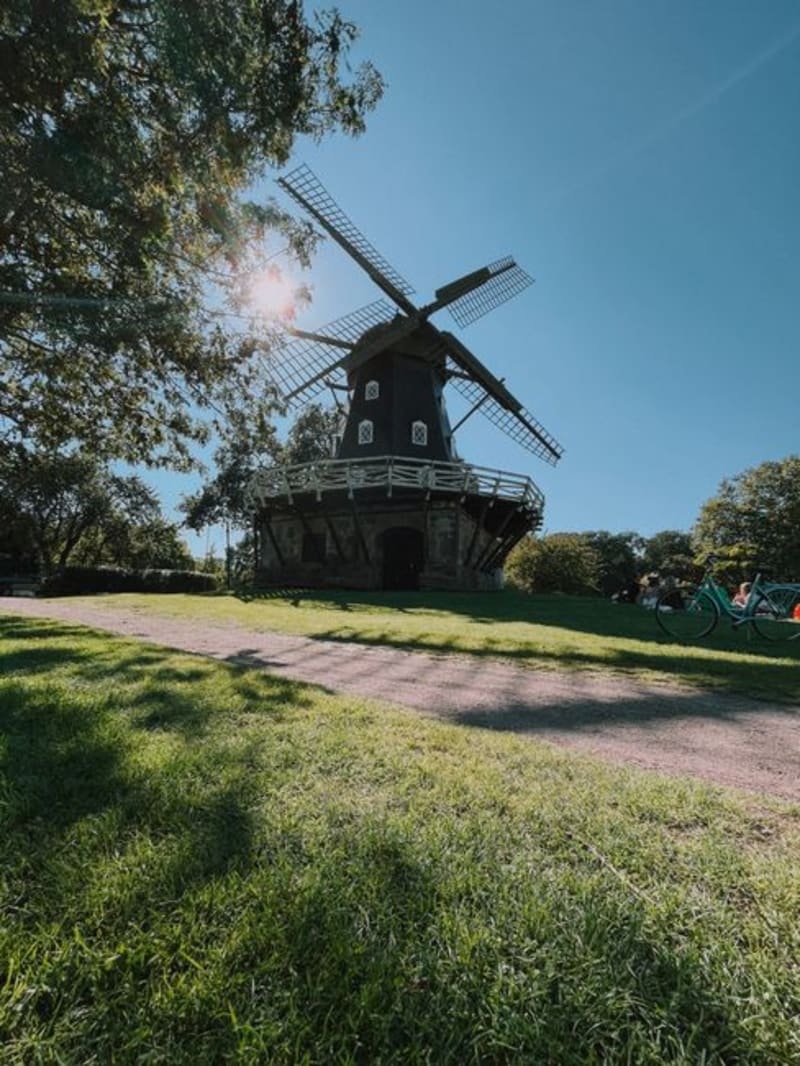 united-states
Wamego
A small Kansas River town that decided its most marketable asset was Dorothy, and built an entire museum around a tornado that never actually touched down here. Lia found the sincerity of it more charming than the kitsch.
Explore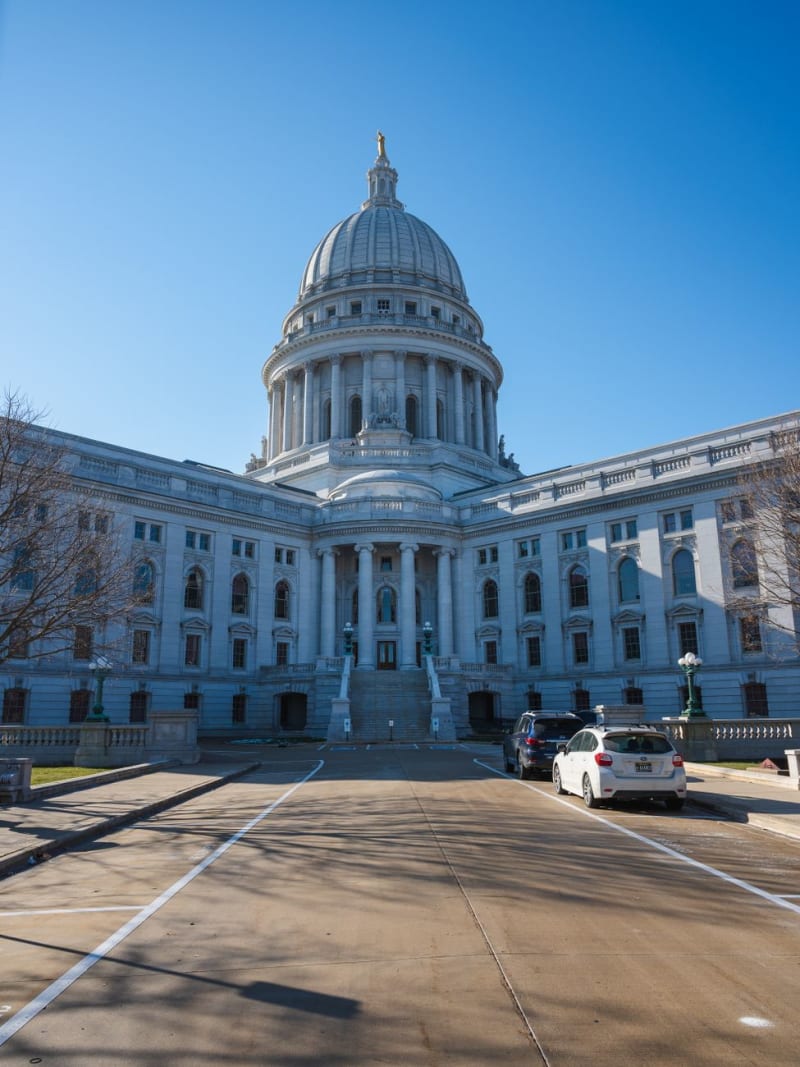 united-states
Topeka
Kansas's capital carries the weight of Brown v. Board of Education inside a working prairie city of copper-domed government buildings and quiet residential streets. Lia and I came for the history and left thinking about how much of the country's civil rights story runs through one modest Topeka schoolhouse.
Explore united-states
Lindsborg
A prairie town so thoroughly Swedish that even the fire hydrants are painted like little Dala horses. Lia, who has actual Swedish relatives, spent the whole visit half-delighted, half-baffled by how far Kansas took the theme.
Explore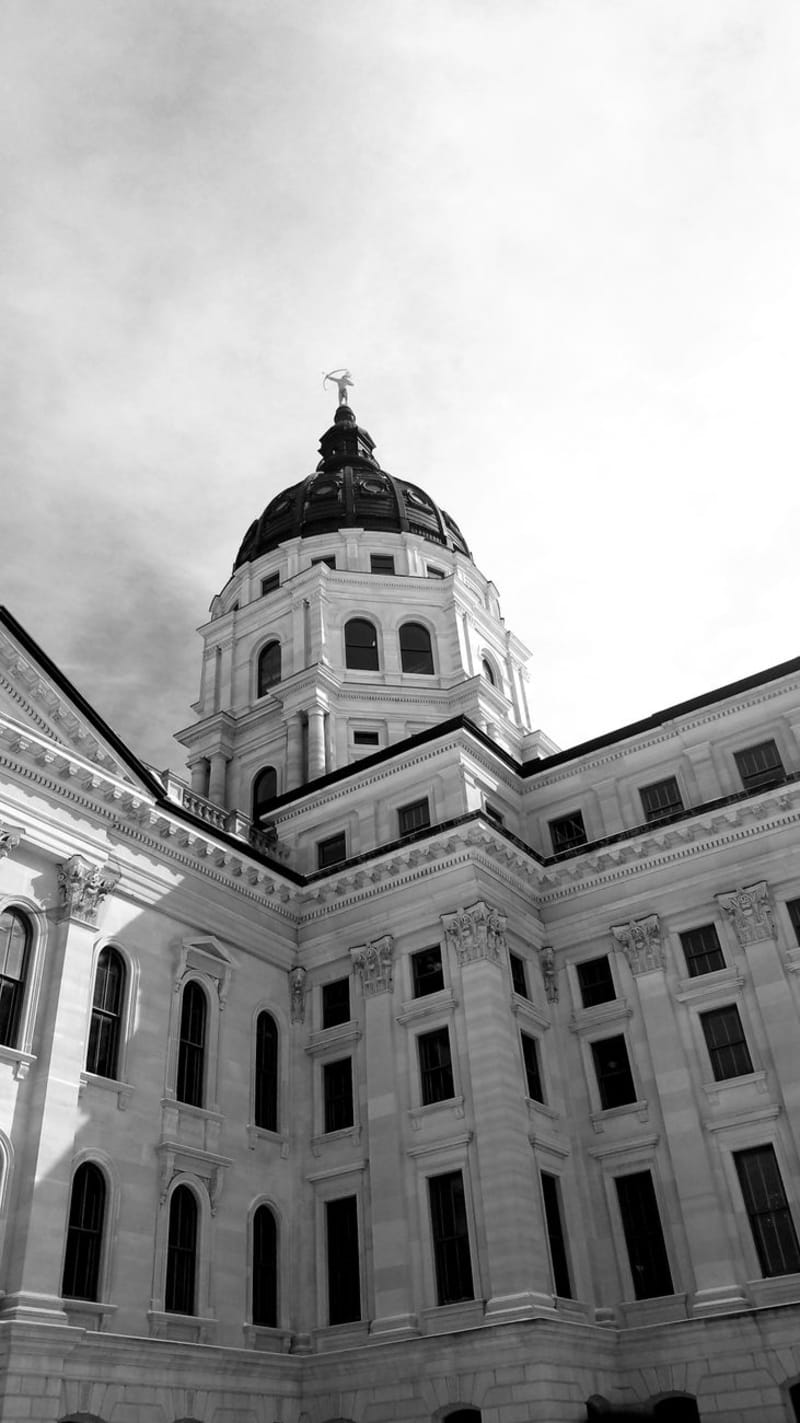 united-states
Wichita
A plains city built where the Arkansas and Little Arkansas rivers meet, marked by a soaring bronze sculpture and a century of aviation manufacturing. Lia and I stood beneath the Keeper of the Plains at dusk as the river fire pits lit up, and felt the two rivers' quiet confluence become something almost ceremonial.
Explore united-states
Lawrence
A fiercely independent college town on the Kansas River, born from abolitionist settlers and still carrying that founding stubbornness into its record shops and murals. Lia and I climbed Mount Oread at sunset and watched the whole town glow amber beneath the University of Kansas's bell tower.
Explore