Elkader
"Elkader is proof that a town's name can carry a whole world you'd never expect to find in the Midwest."
A tiny river town in the Driftless bluffs named after an Algerian resistance leader nobody ever expected to hear of again in northeast Iowa. Lia and I still bring it up as the strangest naming story we found on the whole trip.

We stopped in Elkader mostly because of its name, which sounded too improbable for rural Iowa to ignore, and it turns out the story behind it is exactly as strange as it sounds. The town’s three founders in 1846 admired Abd El-Kader, the Algerian emir then leading resistance against French colonial forces in North Africa, and named their new Turkey River settlement after him — making this, as far as anyone can tell, the only town in the United States named for an Algerian. A delegation from Algeria has actually visited over the years, and a small park downtown commemorates the connection with a monument gifted by the Algerian government.
The Keystone Bridge over the Turkey River
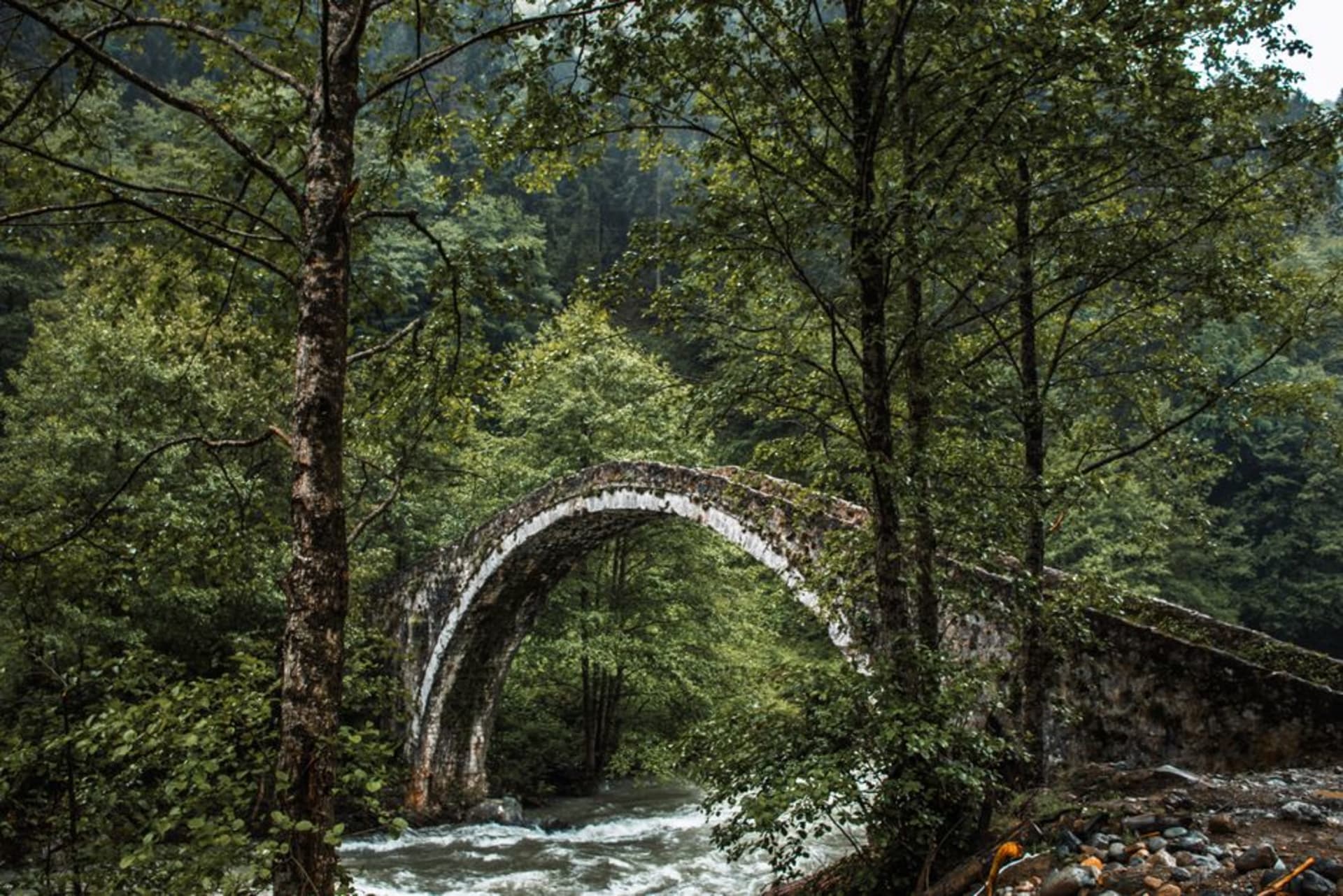
Elkader’s other claim to fame is more purely architectural: the Keystone Bridge, a limestone arch structure built in 1889, is reportedly the largest closed-spandrel stone arch bridge west of the Mississippi still open to traffic. We walked out onto it at dusk, the Turkey River running low and clear beneath, limestone bluffs rising on both banks, and it was easy to see why the town has fought hard over the decades to keep the bridge standing rather than replace it with something modern and forgettable.

Main Street and the Opera House
Downtown, Elkader’s Main Street runs along the river with a row of nineteenth-century brick storefronts, several housing antique shops that Lia picked through for a solid hour while I sat on a bench by the water. The Elkader Opera House, restored after decades of disuse, still hosts touring musicians and community theater in a hall that seats a few hundred, a scale of ambition that felt almost touching for a town of under fifteen hundred people. We caught the tail end of a rehearsal through an open door, a fiddle tuning up in an empty room, and it summed up the town’s quiet, stubborn cultural pride.

Getting There
The closest regional airport is Dubuque Regional (DBQ), about fifty minutes southeast via Highway 52 and Route 13. From the Twin Cities, it’s roughly two and a half hours south on Highway 52. A car is essential — Elkader sits deep in Iowa’s Driftless bluff country, and the scenic river roads connecting it to nearby towns like Guttenberg have no public transit.
Keep exploring
More of Iowa
Keep exploring
More from Iowa
 united-states
Guttenberg
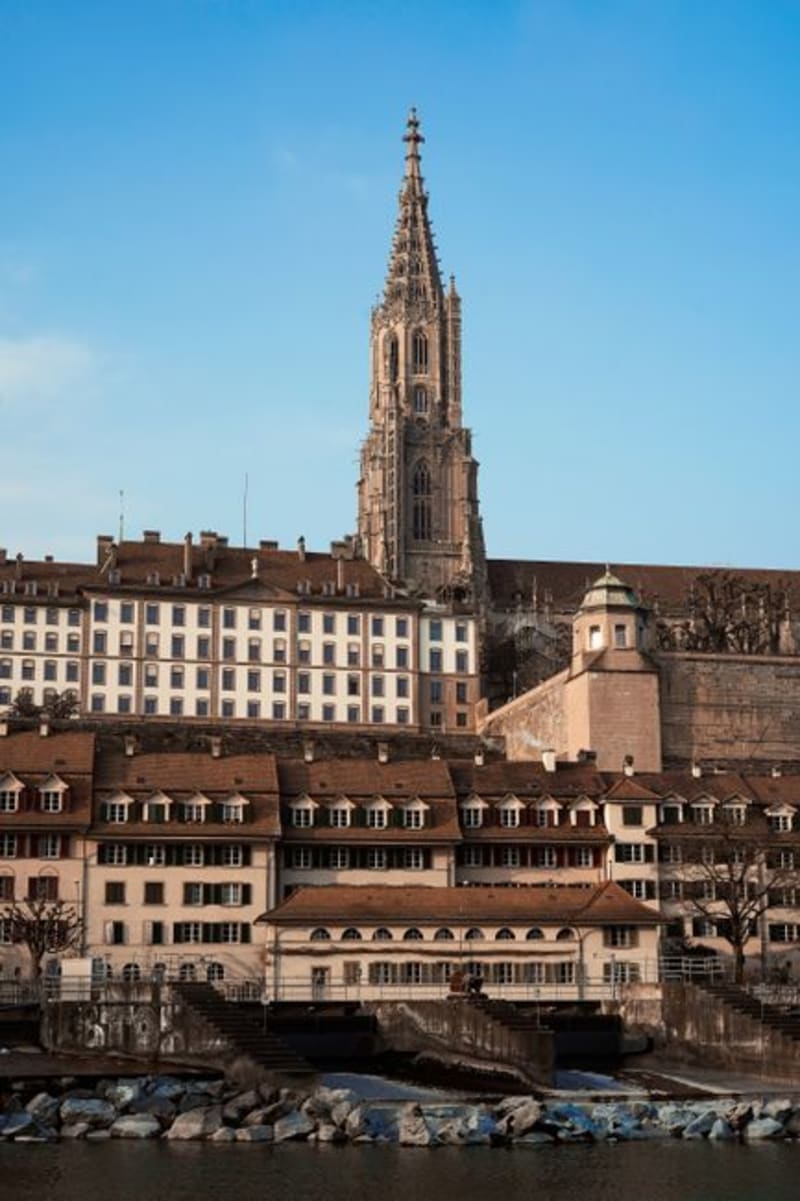
A German-settled river town of limestone storefronts facing the Mississippi, where a working fish hatchery still stocks the pools its founders dug by hand. Lia and I ate riverside schnitzel and felt briefly, improbably, back in Europe.
Explore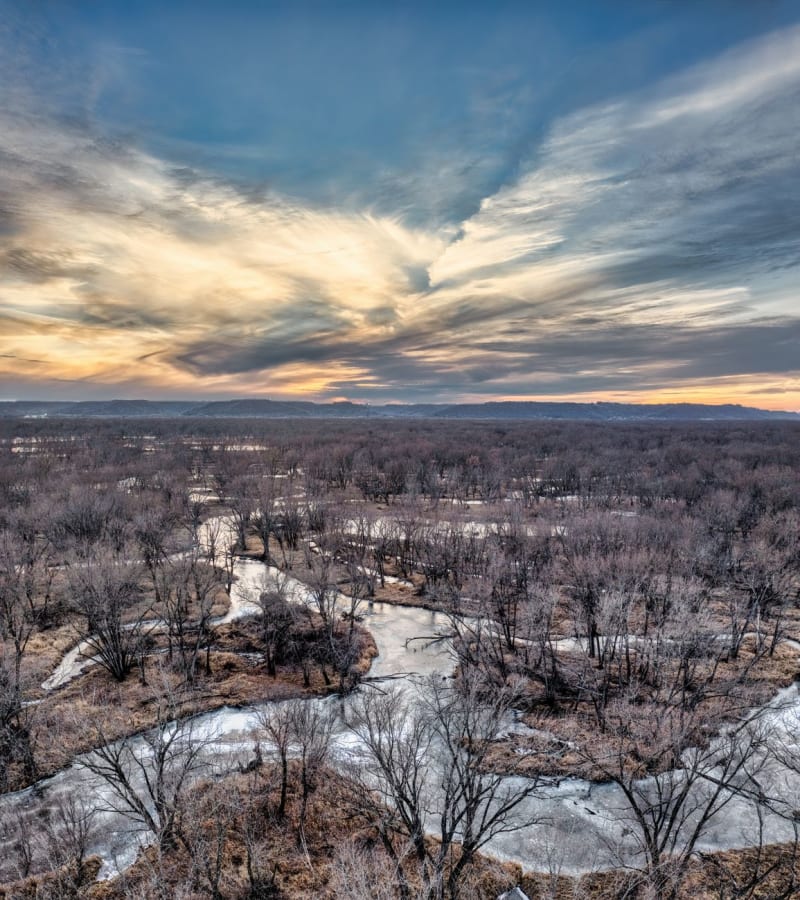 united-states
Decorah
Tucked into the bluffs and trout streams of Iowa's unglaciated northeast corner, Decorah feels lifted from the Norwegian fjords its founders once left behind. Lia and I came expecting flat cornfields and found limestone cliffs and cold spring water instead, a small college town that quietly rewrote our idea of Iowa.
Explore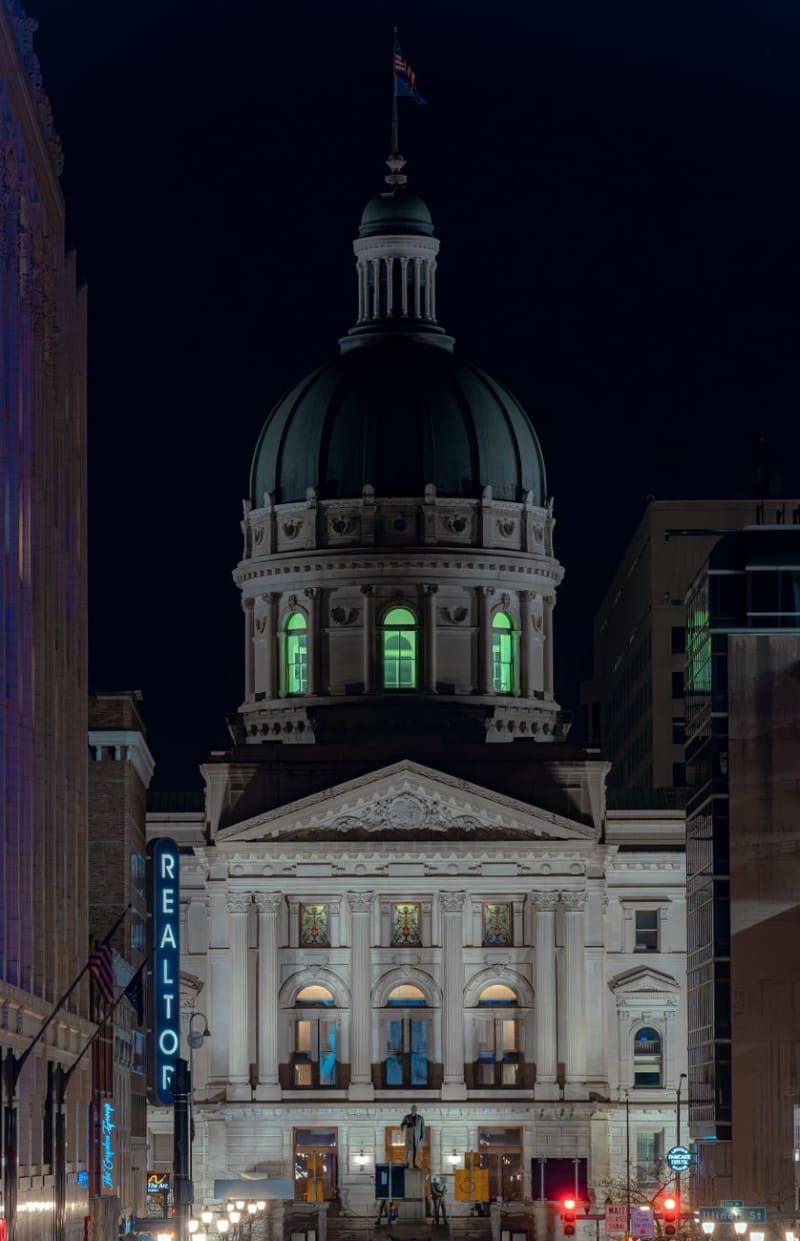 united-states
Dubuque
A river town stacked up limestone bluffs above the Mississippi, riding the world's steepest, shortest scenic railway between its lower streets and its bluff-top houses. Lia and I rode the funicular twice just to feel the city tilt beneath us, then walked the old Main District until our legs forgave us.
Explore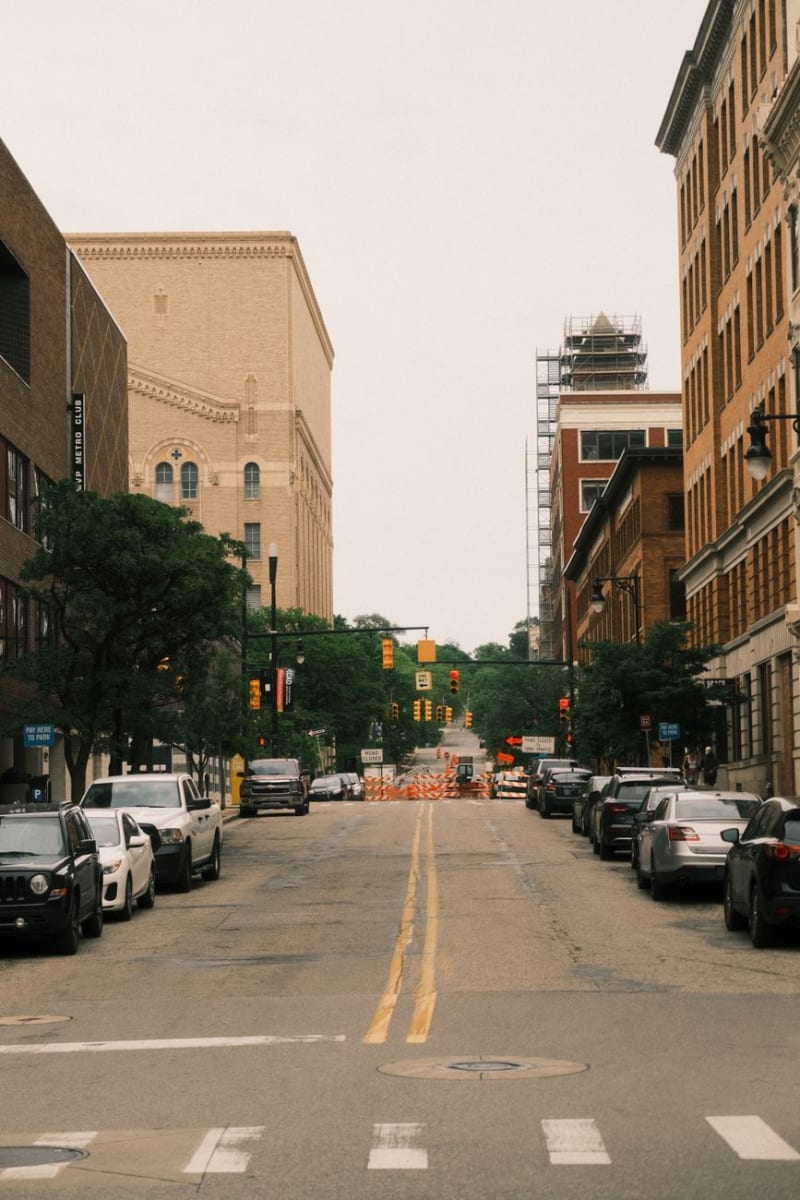 united-states
Cedar Rapids
Iowa's second city sits astride the Cedar River, its skyline anchored by a Czech quarter of painted storefronts and a limestone cathedral that would not look out of place in Prague. Lia and I came for the murals and stayed for the kolaches, surprised by how much old-world texture hides inside a Midwestern grain town.
Explore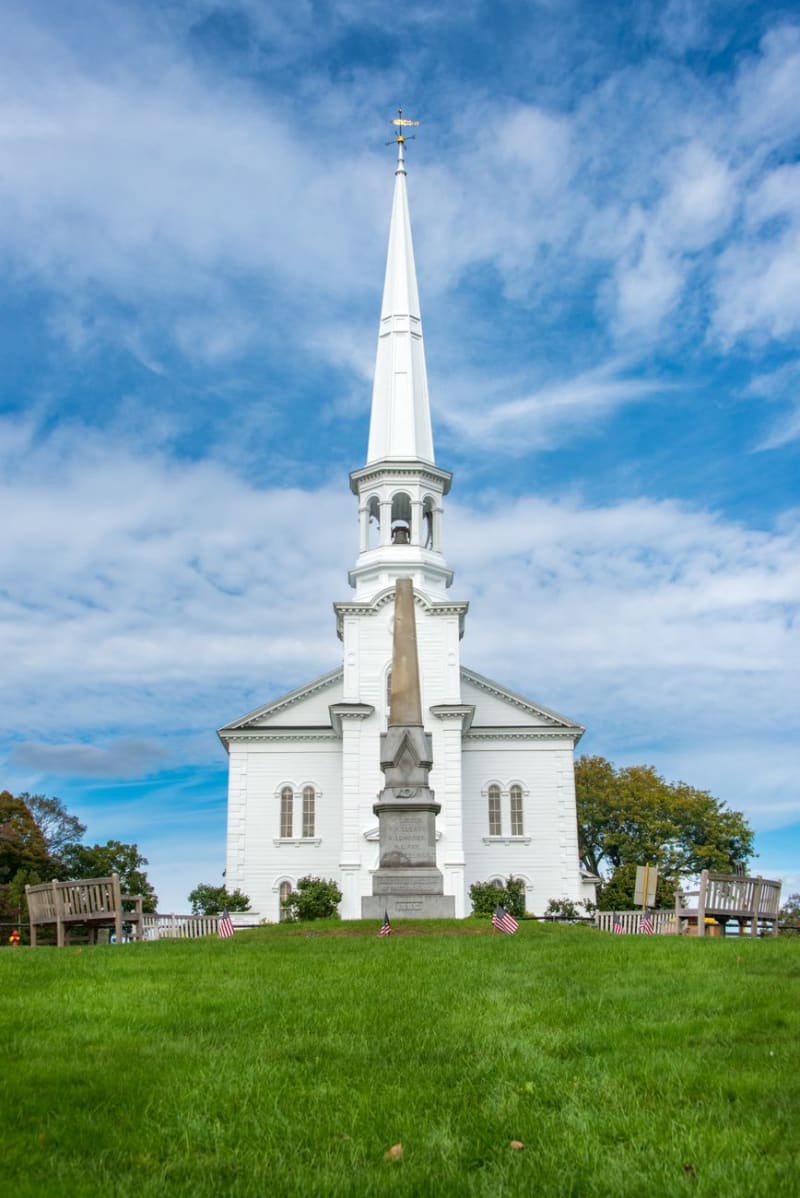 united-states
Amana Colonies
Seven villages of brick and clapboard scattered across the Iowa River valley, founded by German communal pietists who lived and worked collectively for nearly a century. Lia and I came for smoked meat and woolen mills and left having eaten more sauerkraut and rhubarb pie than we could reasonably justify.
Explore united-states
West Branch
A small Quaker farm town that produced a president, preserved as a national historic site down to the two-room cottage he was born in. Lia and I left with more sympathy for Herbert Hoover than either of us expected to feel.
Explore