Bevagna
"Bevagna is the town Umbria forgot to modernize, and I mean that as the highest compliment I own."
A walled Umbrian town on the old Roman road to the Adriatic, where mosaic fish still swim under glass and medieval guilds come alive every June.
Lia and I nearly drove past Bevagna. We were headed to Montefalco for the wine and the map showed this little walled town as barely a dot, the kind of place you circle on impulse and then can’t quite leave. We parked outside the walls, walked in through one of the old gates, and within five minutes I understood we’d budgeted the wrong amount of time. Bevagna sits on the ancient Via Flaminia, the road the Romans built to connect the capital to the Adriatic coast, and you can feel that history under your feet before anyone tells you about it.
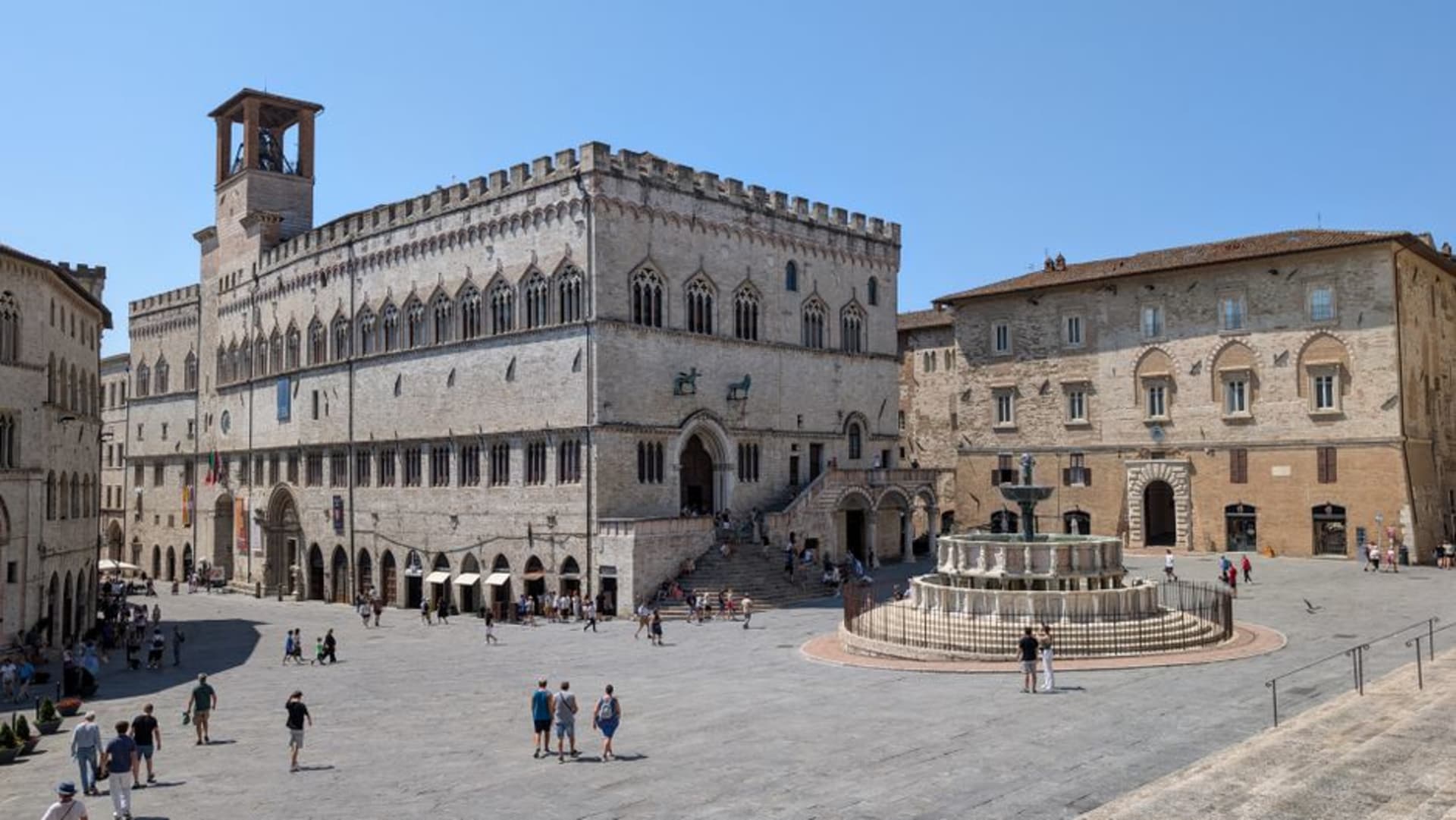
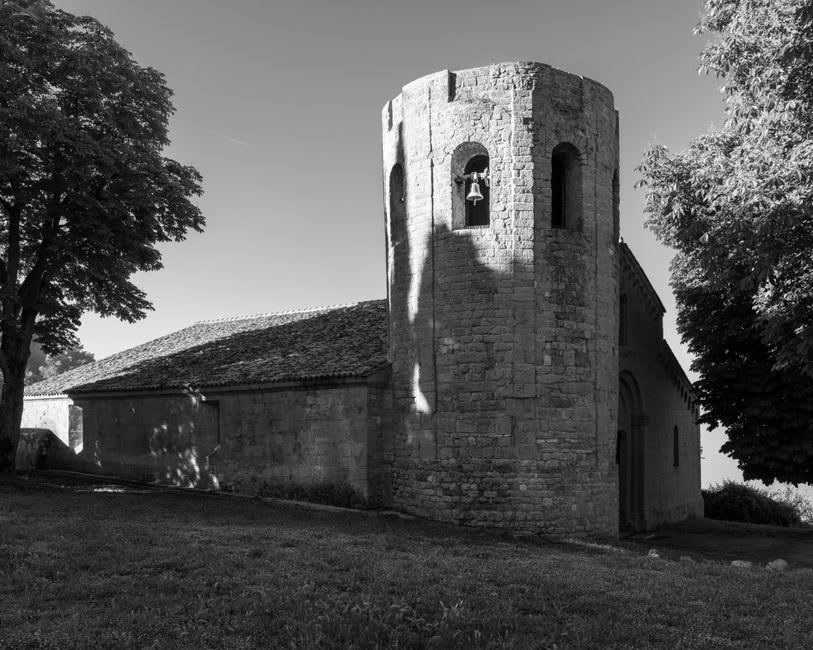
The Piazza Silvestri did it for me. It’s a small square, but it hits with the density of somewhere far bigger, flanked by two Romanesque churches, San Silvestro and San Michele Arcangelo, both raised in the late twelfth century by a medieval architect named Binello. We sat on the church steps with gelato that had already started melting in the June heat and just looked at the facades for a while, the kind of unhurried looking that only happens when a place isn’t trying to sell you anything.
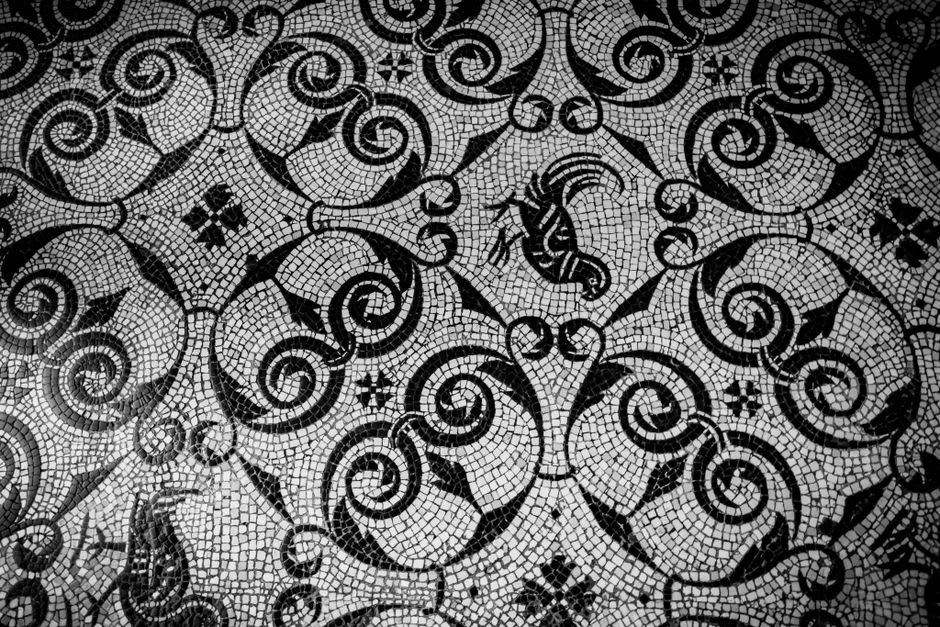
What I didn’t expect was the mosaic. Down a quiet side street, almost apologetically signposted, is the Mosaico di Bevagna, a Roman bath complex from the 2nd century with a floor of sea creatures still intact under a modern glass walkway — octopuses, dolphins, a whole underwater world someone laid tile by tile two thousand years ago for people taking their baths. There’s a ruined Roman theatre nearby too, half-swallowed by later buildings, which somehow made it more moving than a pristine ruin would have. Lia crouched by the glass for a long time tracing the outline of one fish with her eyes, saying nothing, which for her is a real review.
We came back later that summer for the Mercato delle Gaite, and it rearranged everything I thought I knew about the town. For ten days each June, Bevagna’s four medieval quarters compete to out-recreate each other’s crafts, cuisine, and dress from the 13th to 15th centuries — blacksmiths hammering in open workshops, paper being made by hand, wine poured from jugs by people in full medieval costume who stay in character with a straight face. It’s theatrical, sure, but it never once felt like a show put on for tourists. It felt like the town remembering itself out loud.
When to go: Come in June for the Mercato delle Gaite if you want the town at its most alive, or aim for September and October when the Sagrantino harvest along the nearby Strada del Sagrantino gives you a quieter, wine-soaked version of the same magic.