Europe
Umbria
"Umbria is what Italy looks like when no one is performing for you."
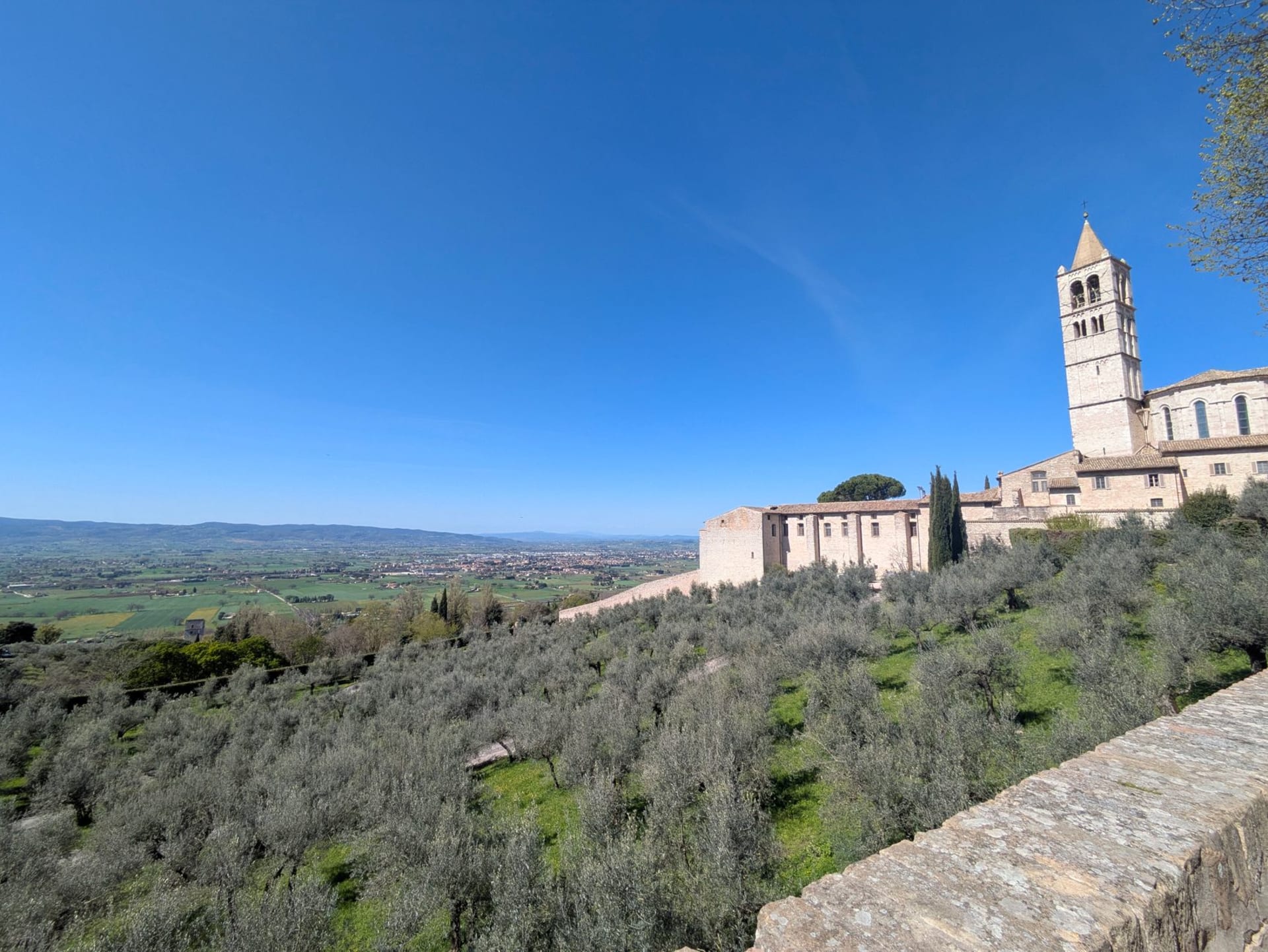
I came to Umbria on the train from Rome, expecting little — a day trip to Assisi, a few churches, back before dark. I ended up staying four days. The thing that stopped me was not the Basilica di San Francesco, which is extraordinary, but the olive grove behind the town walls just after sunrise, when the light hits the silver-green leaves at an angle that makes you understand why people have been painting this exact scene for six centuries. Umbria doesn’t need to try. The hills are arranged so well it looks composed.
Perugia is the capital and the most underestimated city in central Italy. It has a medieval center perched on a ridge that took me twenty minutes to figure out how to ascend — escalators built into the hillside, leading through a medieval aqueduct, into a square with a Gothic fountain that has been spraying water since 1278. There’s a chocolate festival every October and a jazz festival every July, but more useful than both of those facts is that Perugia has a proper working university town underneath the tourist calendar, which means there are decent cheap restaurants and bars that stay open past ten. Spoleto is two train stops south, tighter and more dramatic, built into a gorge with a Roman amphitheater still used for concerts. In Norcia, they make the best black truffle in Europe, sold in small jars at a price that looks reasonable until you’ve bought three of them. I have bought three every time I’ve gone.
The food here follows the season with an intensity that feels almost aggressive. Spring means asparagus and lamb. Summer brings lentils from Castelluccio, a tiny village at 1,400 meters surrounded by flowering plains that look like something staged. Autumn is truffle season — shaved over egg pasta, stirred into butter, pressed onto bruschetta with no ceremony. The wines are Sagrantino and Orvieto: one dark and tannic and made for meat, the other pale and mineral and made for a terrace at dusk. Neither will be on any list you’ve already read.
When to go: Late September through November is the peak of what actually matters here — truffle season, harvest, cooler temperatures, and the fewest tourists Italy gets to offer. May is also excellent. Avoid August: the hill towns bake and the locals leave.
What most guides get wrong: They treat Umbria as a two-day extension of a Tuscany trip, which means they cover Assisi and Orvieto and nothing else. But the region rewards slow travel: take the local train between small towns, stop in Bevagna and Montefalco and Spello, eat lunch somewhere without a menu in English. The Umbria worth remembering is the one between the famous places, not the famous places themselves.