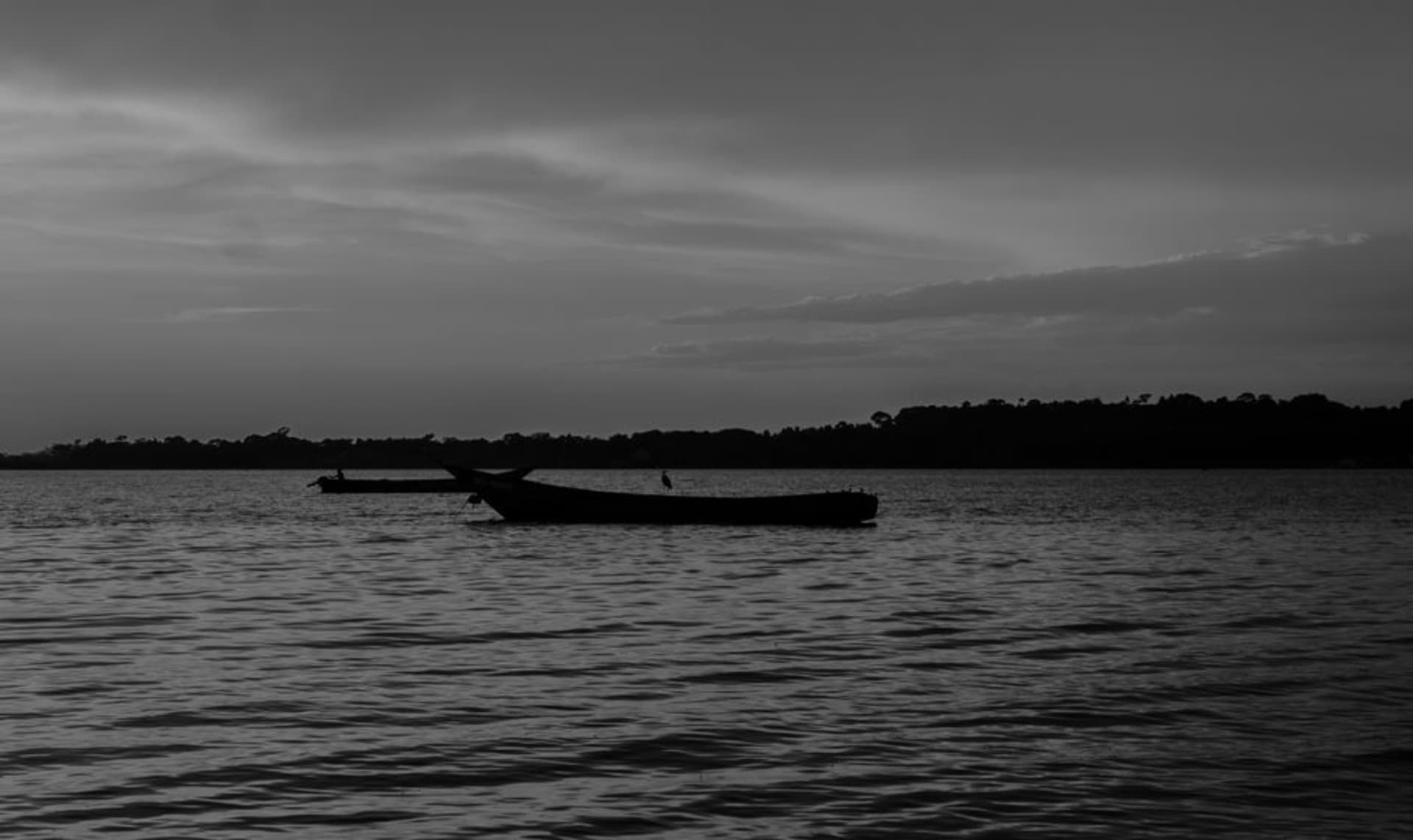
An archipelago of 84 islands scattered across Lake Victoria, where palm-lined beaches meet forest trails and centuries of quiet history.
We took the ferry out of Entebbe on a morning so still that Lake Victoria looked more like glass than water, and by the time Bugala Island rose out of the haze three hours later, Lia had already fallen asleep against my shoulder twice. I remember thinking, somewhere around the second hour, that this didn’t feel like crossing to an island so much as crossing to somewhere the mainland had simply forgotten about. Eighty-four islands make up the Ssese archipelago, though only a handful are inhabited, and Bugala is the one that carries nearly all of it — the lodges, the fishing villages, the red dirt roads that disappear into forest within a few hundred meters of the shore.
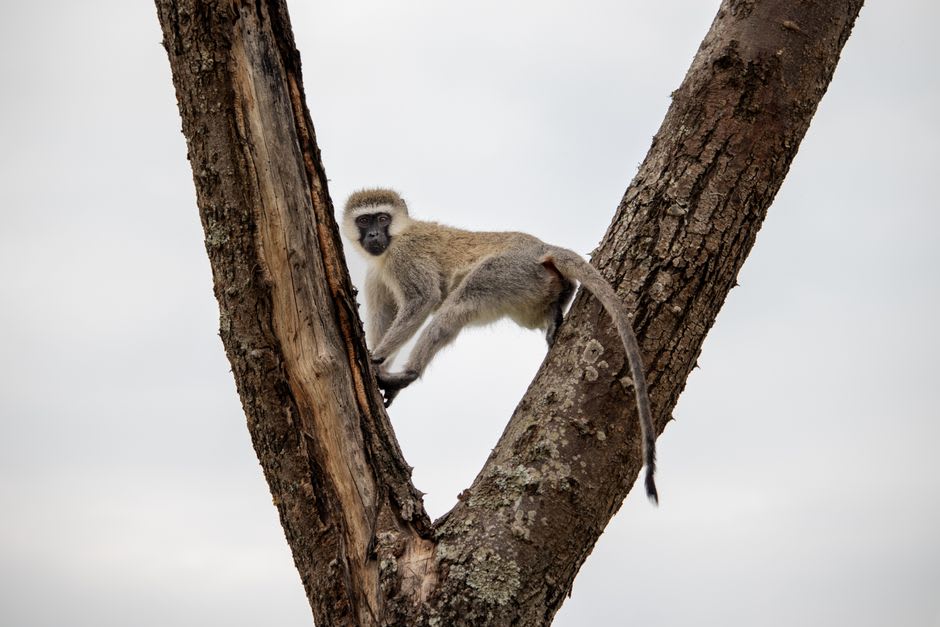
Lutoboka beach was where we ended up staying, in a small thatched banda a short walk from the water, and it’s the kind of place that rewires your sense of time. Mornings we’d walk the shoreline while fishermen hauled in nets from dugout canoes, the same wooden boats their fathers probably used, and in the afternoons we’d retreat into the shade because the equatorial sun here does not negotiate. What struck me most, though, was learning that these islands weren’t always this peaceful — for the Ganda kingdom they were a spiritual center, home to Lubaale shrines where offerings were once made, and later the colonial administration used them for something far darker, first as a leper colony and then as a prison settlement. Walking those same forest paths now, past vervet monkeys crashing through the canopy, it’s hard to square the tranquility with that weight of history, but I think that tension is part of what makes the islands feel so alive.
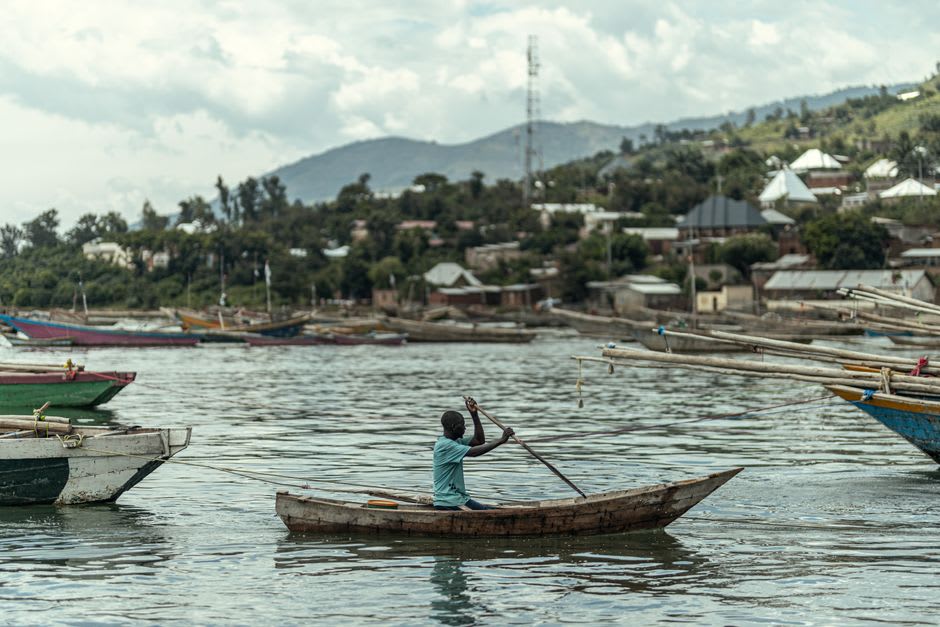
One afternoon we hired a local guide, a young guy named Moses who’d grown up on Bugala, to take us on a forest walk inland. He pointed out birds faster than I could ever hope to identify them myself — fish eagles circling over the water, weaver birds building those hanging nests I’d never seen before — and at one point stopped us cold to watch a troop of vervet monkeys move through the trees overhead, utterly unbothered by us. He also warned us, matter-of-factly, not to swim in certain shallow, reedy parts of the lake because of bilharzia, a parasite that lives in freshwater snails there. It wasn’t the kind of warning that scared us off the water entirely, but it did make me grateful for his knowledge of exactly which coves were safe for a swim and which weren’t.
What I keep coming back to, months later, is how the Ssese Islands never tried to sell themselves to us. There were no polished resorts competing for attention, just fishing communities going about their days and a lake that occasionally reminded you, with a sudden chop on the crossing, that it deserves respect. Lia still talks about the smell of woodsmoke drifting from the village kitchens in the evening, and I still think about that first glassy crossing more than almost anything else from our time in Uganda.
When to go: Aim for the drier stretches — June to August or December to February — when the lake crossing from Entebbe or Bukakata is calmer and far less likely to turn your ferry ride into an ordeal.