Africa
Uganda
"Africa without the performance — just the forest, the mist, and things older than you."
I arrived in Entebbe at two in the morning, which is not when any country shows its best face. But Uganda surprised me even then — the air through the taxi window was heavy and warm and smelled of wet soil and something floral I couldn’t name, and when dawn broke over Lake Victoria it turned the water a shade of copper I’d only seen in paintings. The country starts working on you before you’re ready.
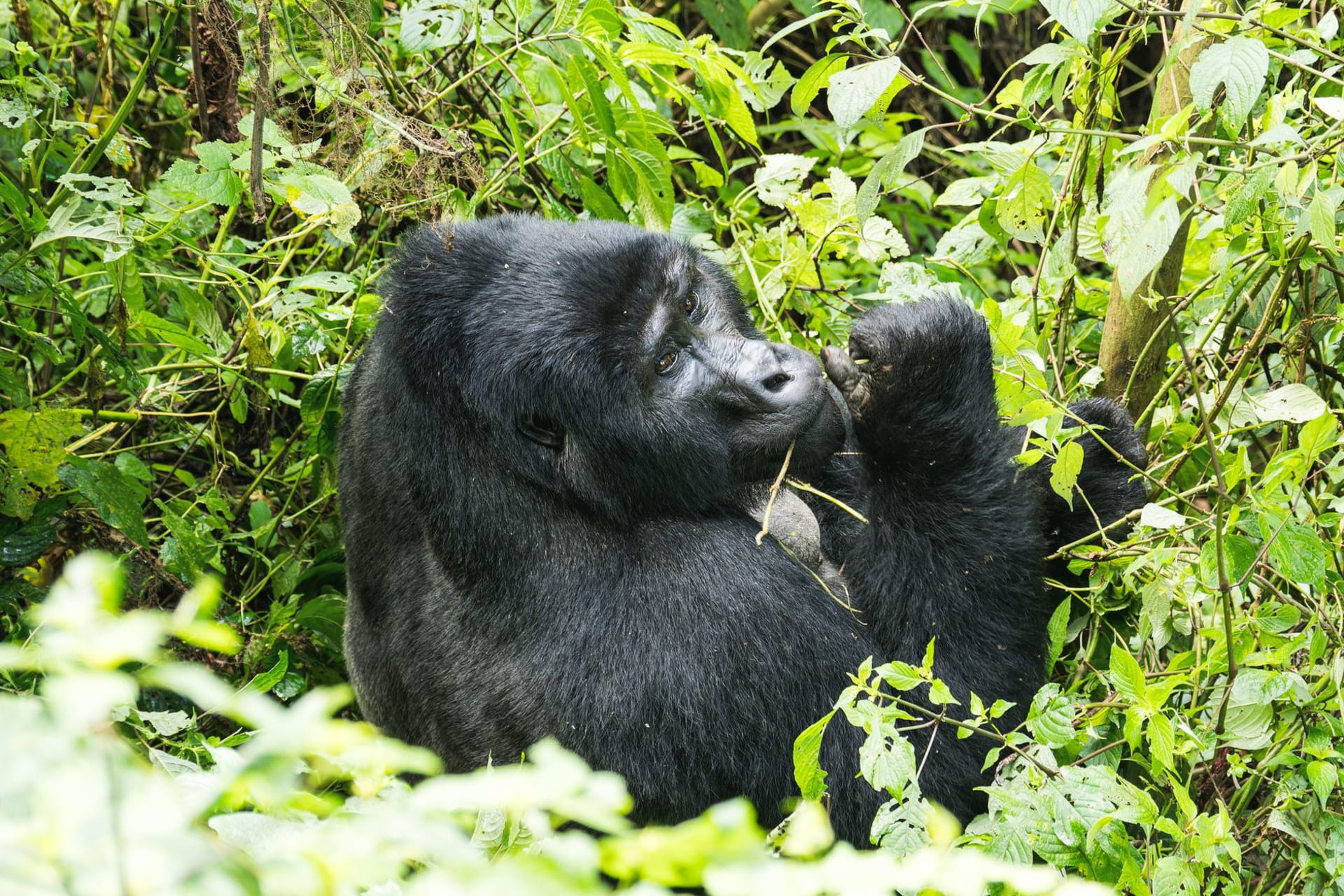
Bwindi Impenetrable Forest lives up to its name. The trekking permit costs a lot, guides will tell you it’s worth it, and they are right, which is annoying because I usually distrust things that are exactly as advertised. We pushed through undergrowth for three hours, soaked through by ten in the morning, elevation and humidity conspiring against whatever dignity I’d packed. Then the guide stopped, held up a hand, and there they were — a silverback and two females moving through the ferns maybe four meters ahead, unhurried, indifferent. No fence. No glass. No theatrical soundtrack. Just the sound of leaves and something breathing. I didn’t move for what felt like a very long time. Seventeen minutes, apparently. It felt like five and also like an hour.
What surprises most first-time visitors is how much Uganda offers beyond the gorillas. Murchison Falls thunders through a six-meter gap with a force that you feel in your chest from fifty meters away. The chimp tracking in Kibale Forest is chaotic and hilarious — chimps don’t share gorillas’ indifference to humans; they are curious, loud, and opinionated. The Rwenzori Mountains along the DRC border reward the serious hiker with glaciers that most people don’t know exist this close to the equator. And Kampala, underrated and underestimated, has a food scene built on rolex (eggs and vegetables rolled in a chapati, eaten on the street, perfect) and a nightlife energy that outlasts most European cities I’ve been to.
When to go: June to August and December to February are the driest months and the best for gorilla trekking — Bwindi’s trails are difficult enough in dry conditions, and treacherous when saturated. The long rains run March to May, short rains October to November. Permits sell out months in advance regardless of season; book early or you won’t go at all.
What most guides get wrong: They frame Uganda entirely as a gorilla destination with a before-and-after checklist. That framing does the country a disservice. The gorillas are extraordinary, but Uganda is also one of the best places in Africa for birds — over a thousand species, including the prehistoric-looking shoebill stork in the papyrus swamps outside Kampala. The country has a human density and a cultural complexity that gets ignored in favor of wildlife-only itineraries. Spend a day with no agenda in a market in Jinja or Fort Portal and you’ll understand that the animals, remarkable as they are, are not the whole story.