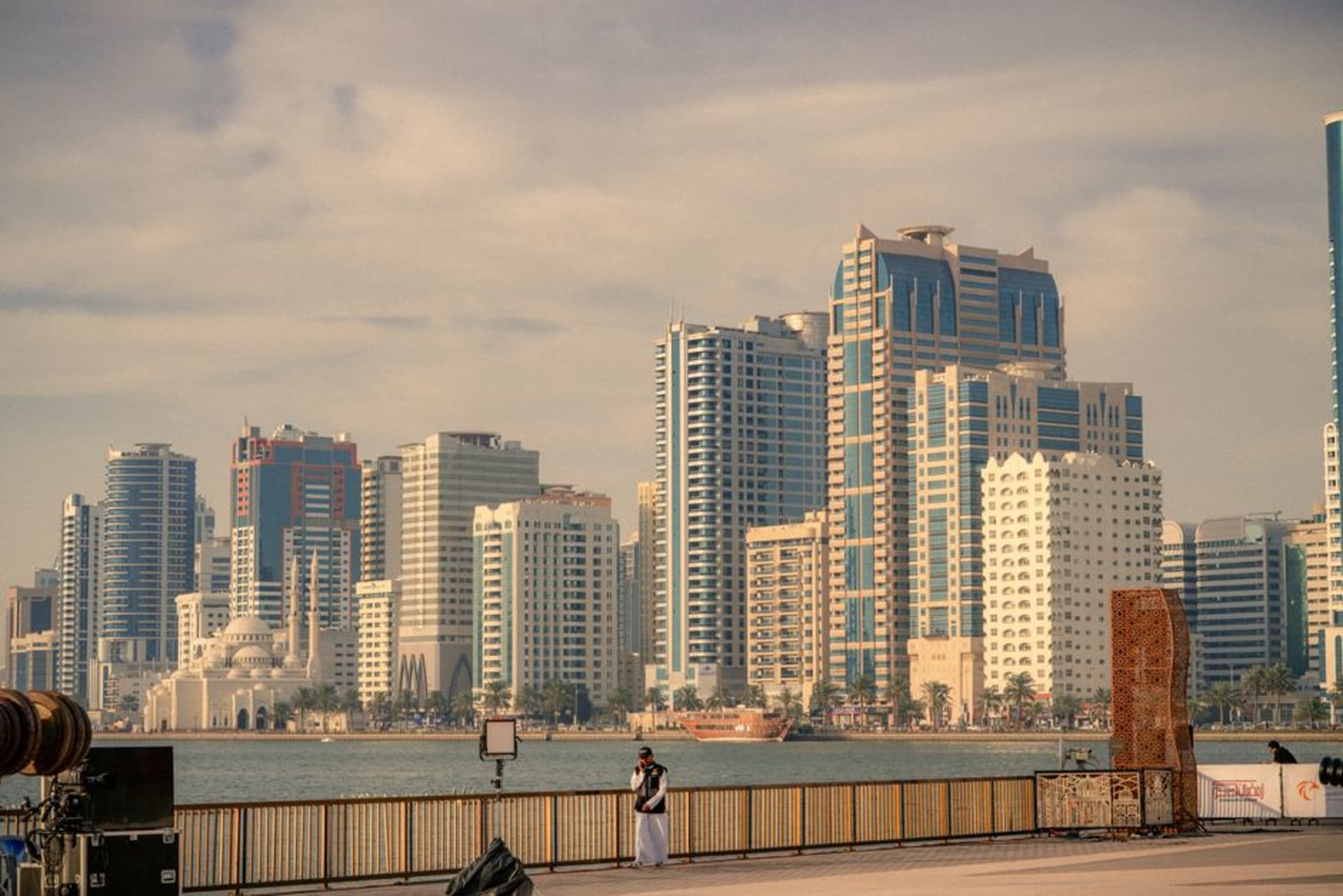
A meticulously restored coral-stone quarter where Sharjah has rebuilt its pre-oil identity block by block, choosing memory over the modernist reflex next door.
I came back to the Heart of Sharjah twice within a week of my first visit, which almost never happens to me with a heritage district — usually one careful walk is enough and I move on. But something about the particular quality of restoration here kept pulling me back, and on the second visit, in the very last hour of daylight, I understood why. The wind towers, the coral-stone walls, the narrow shaded alleys between courtyard houses — it wasn’t a museum piece pretending to be a neighborhood. It felt like Sharjah had decided its own past was worth rebuilding at full scale rather than shrinking it into a diorama.
Restoration as a form of argument
The project is one of the most ambitious heritage undertakings in the Gulf: a multi-decade effort to restore the old quarter around the creek to something close to its pre-oil form, using traditional building techniques — coral stone quarried locally, gypsum plaster, palm-frond ceilings, and the barjeel wind towers that cooled homes here for centuries before air conditioning existed. Walking through it late in the afternoon, when the light goes soft and amber against the pale stone, you can see exactly what the effort is arguing against. A few kilometers south, Dubai demolished almost everything of comparable age decades ago in favor of glass and steel. Sharjah, consciously, chose the opposite path.
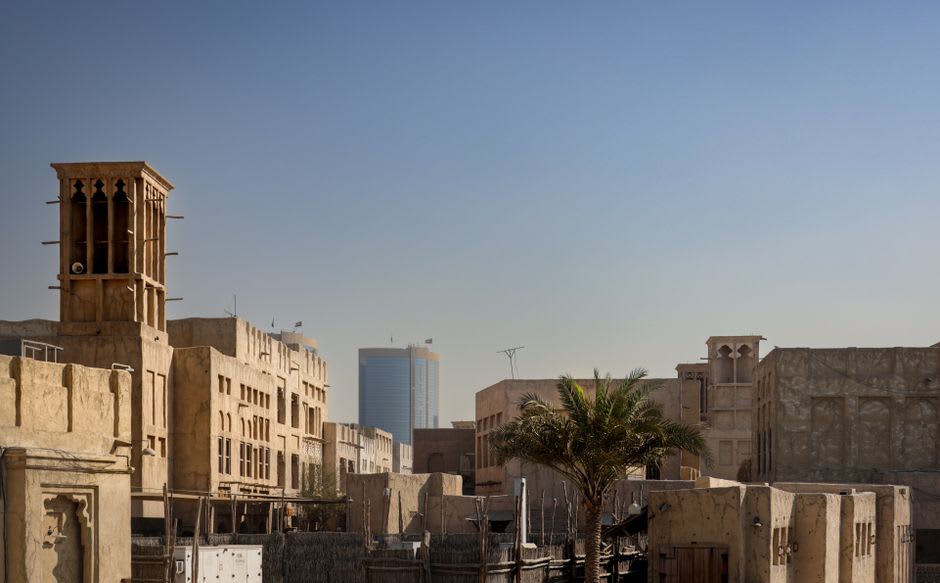
I ducked into one of the restored courtyard houses that now functions as a small gallery, and the caretaker, an older Emirati man who’d grown up two streets from here before the restoration began, told me which buildings were original walls and which had been rebuilt from photographs and oral histories after they’d already collapsed. He said it without sentimentality, more like a craftsman describing a repair. “We lost some of it before we realized what we were losing,” he said. That honesty — admitting the restoration is partly reconstruction, not pure preservation — made the place feel more trustworthy, not less.
A quarter still finding its use
The Heart of Sharjah isn’t fully a living neighborhood again — many of the restored buildings now house small museums, calligraphy schools, and craft workshops rather than actual residents — but it isn’t inert either. In the early evening I watched a group of art students sketching the facades, a family taking wedding photos in front of one of the taller wind towers, and a coffee vendor pouring gahwa from a long-spouted dallah for a small queue of locals who clearly stop here on their way home rather than as tourists. The old souk section nearby still sells spices and textiles to people who are actually buying, not just browsing.
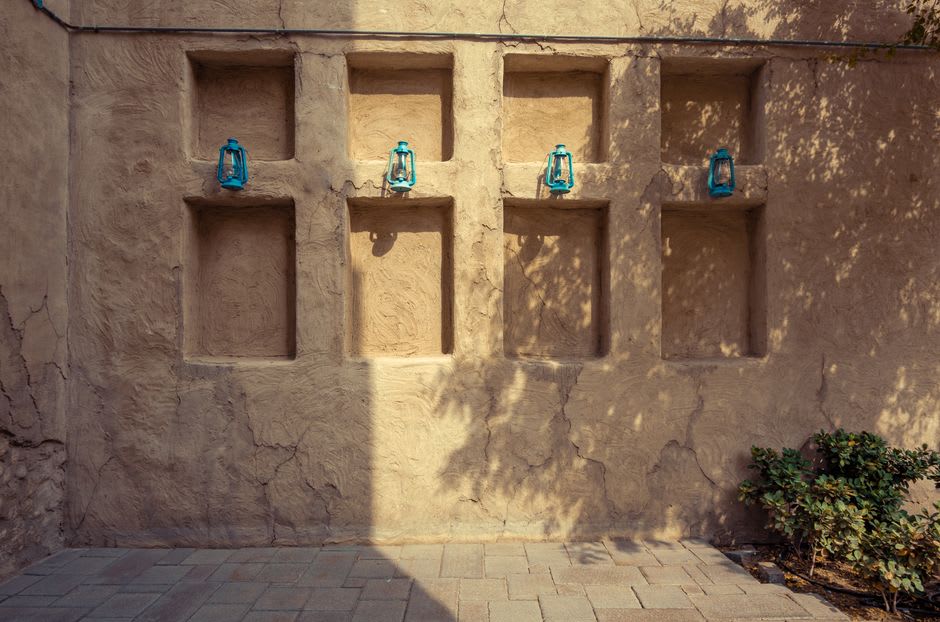
When to go: November through March, in the last two hours before sunset, when the coral stone catches the light and the alleys are finally cool enough to linger in without rushing.