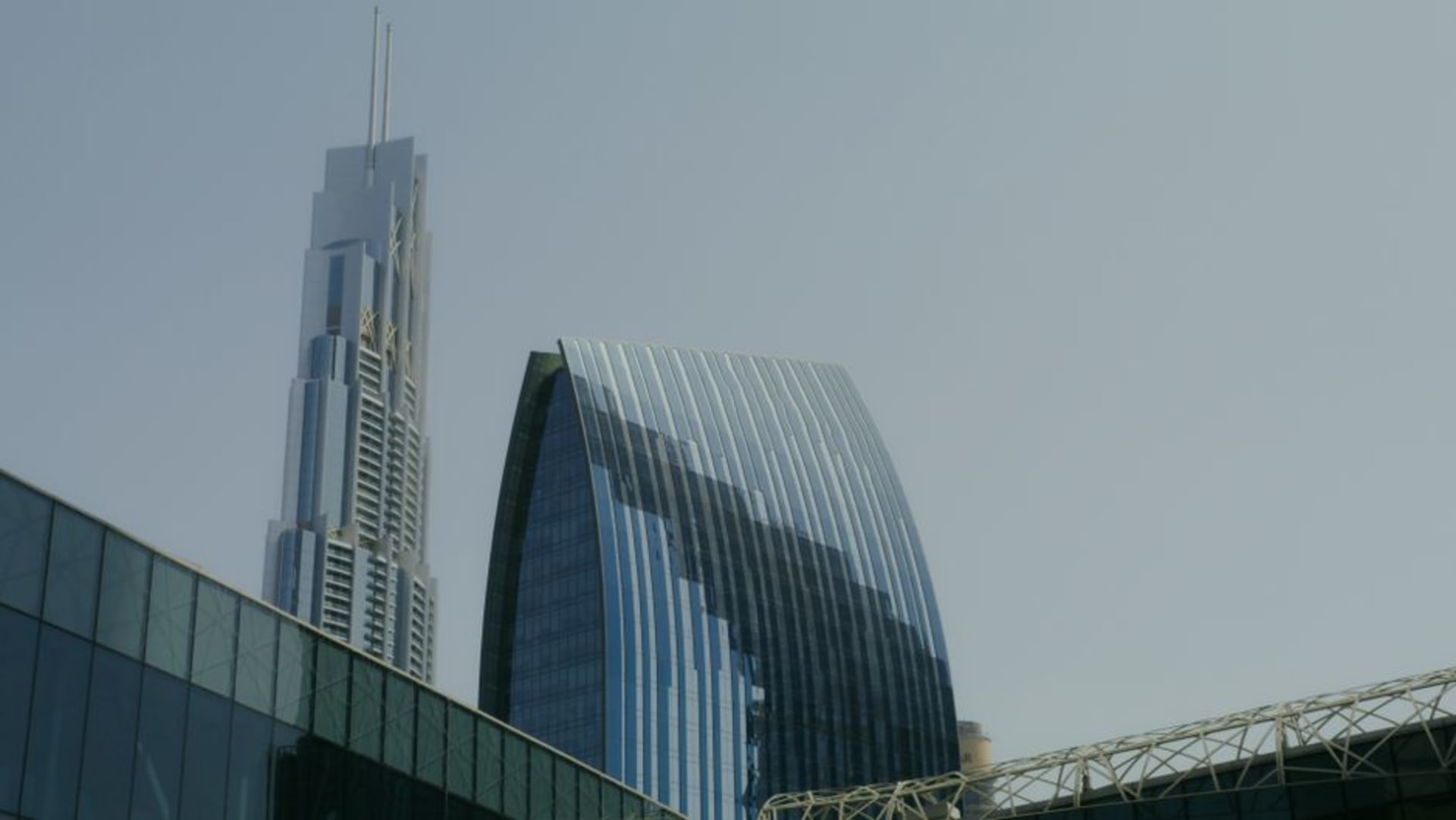
Dubai Design District
"The one part of Dubai that feels designed by people who actually make things, not just sell them."
A converted industrial-chic quarter near Downtown where fashion ateliers and design studios have quietly built the most interesting creative scene in the city.
I went to d3, as everyone here calls it, during Dubai Design Week, following a tip from a Lebanese architect who kept telling me it was the only neighborhood in the city where she felt like she belonged. I’d expected another mall-adjacent development with a design theme slapped on for marketing. What I found instead was a genuinely walkable cluster of low, angular buildings in raw concrete and exposed steel, deliberately unfinished-looking in a way that felt like a rebuke to the gold-and-marble aesthetic a few kilometers away in Downtown.
Industrial-chic on purpose
The district’s architecture is the whole argument. Where most of new Dubai reaches for polish — mirrored glass, veined marble, gilt trim — d3’s buildings expose their concrete, their ductwork, their steel joints, painted in muted greys and warm terracottas. It’s a look borrowed from converted warehouse districts in Berlin or Brooklyn, and it works precisely because it’s rare here. I spent a morning wandering between the fashion ateliers and independent studios that occupy the ground floors, watching a pattern-cutter through a glass storefront pin fabric to a mannequin, stopping at a concept store selling ceramics from a young Emirati designer who’d trained in London and come home to open her first shop here rather than in a mall.
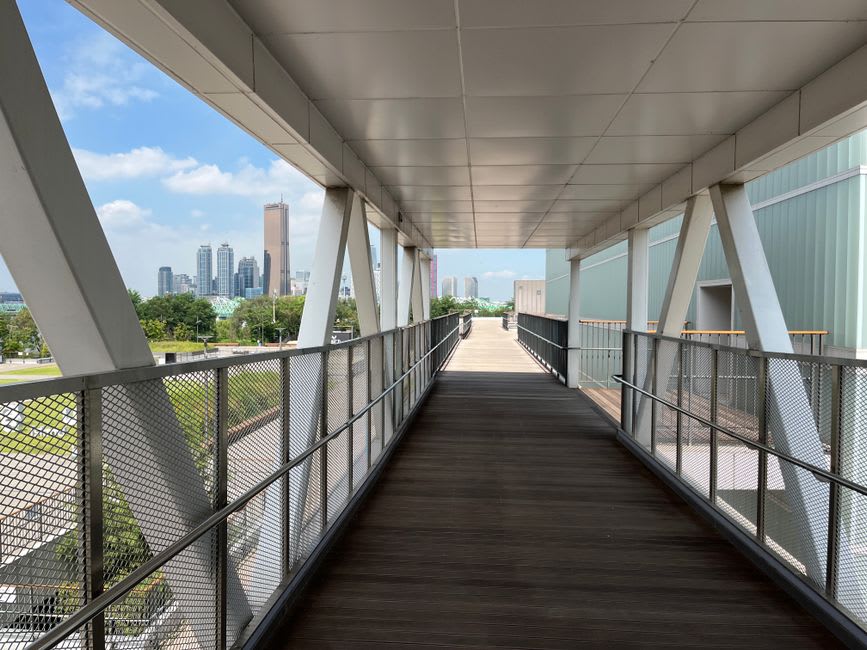
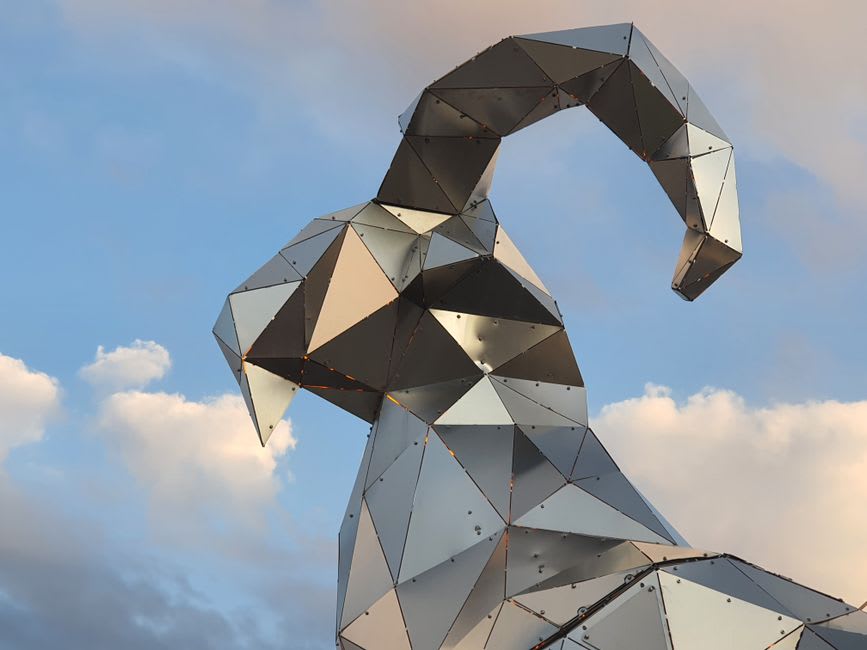
During Design Week the whole quarter turns into an open-air exhibition. Installations spill out onto the plazas between buildings — a pavilion made from woven date-palm fronds by a Saudi collective, an interactive light sculpture by a Dutch studio, student work from local design schools set up on trestle tables. I talked for twenty minutes with an Emirati product designer showing a series of stools made from recycled fishing nets, and she made the point that stuck with me: d3 exists specifically so that the UAE’s creative graduates have somewhere to build a career without leaving the country, which didn’t used to be true.
A different pace than Downtown
What surprised me most was how quiet it was outside the festival week. On an ordinary Tuesday afternoon, d3 feels almost sleepy — a handful of people at outdoor café tables, cyclists on the internal roads, the low hum of studios working rather than performing. It’s a fifteen-minute drive from the Burj Khalifa but feels like a different city, one built at human scale, where buildings top out at four or five stories and the streets are designed for walking rather than driving past.
I ended the day at a rooftop café with a view back toward the Downtown towers, close enough to see them clearly but far enough that they looked like scenery rather than the point. That distance, I think, is exactly what d3 is for.
When to go: November for Dubai Design Week, when the district is at its most alive with installations and events; visit on a weekday afternoon otherwise for a calmer look at the studios and cafés without the crowds.