Dubai Creek
"Everything Dubai became started at this stretch of water, and it's still the cheapest boat ride in the city."
The natural saltwater inlet that made Dubai a pearling and trading port long before the skyline existed, still crossed today by wooden abras and lined with working dhows.
It’s easy to forget, standing under the Burj Khalifa, that Dubai’s entire existence traces back to a modest saltwater inlet a few kilometres north — a natural creek that gave fishermen and pearl divers a sheltered harbor centuries before anyone thought to build a tower to the clouds. I made a point of starting my second trip to Dubai at the Creek rather than Downtown, on the theory that you should see where a place came from before you see what it turned into. It changed how the rest of the city read to me.
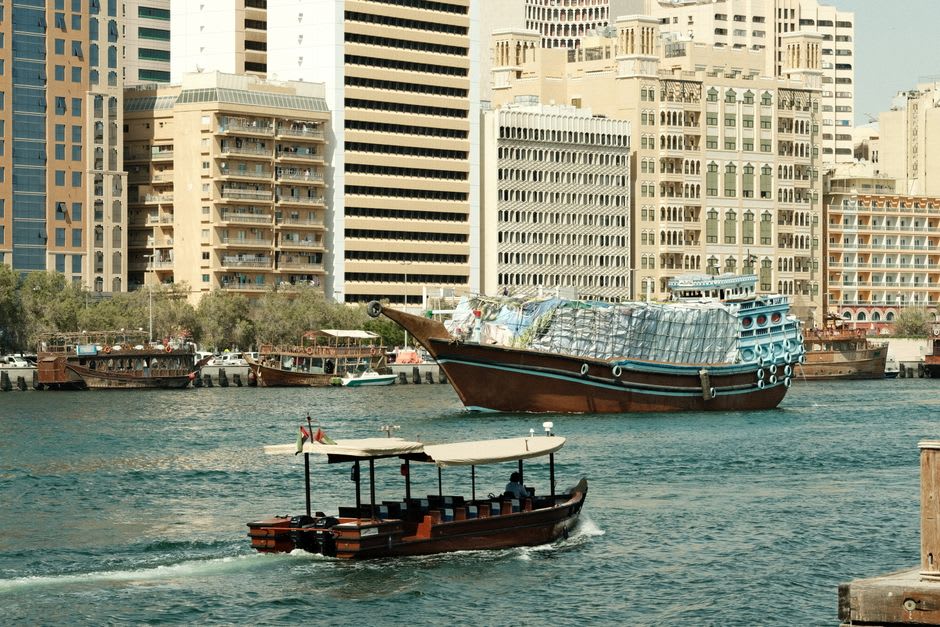
The Creek splits Dubai into its two historic halves — Deira on the north bank, Bur Dubai on the south — and the abra crossing between them is the oldest continuously operating form of public transport in the emirate. These wooden boats, open-sided and powered by small diesel engines, have carried passengers back and forth for generations, and the fare has stayed almost comically low: one dirham, paid in cash to a driver who’s usually done this crossing thousands of times and steers with one hand while collecting fares with the other.
A working waterway, not a museum piece
What struck me most is that the Creek isn’t preserved as a heritage attraction — it’s still an active working waterway. Dhows, the traditional wooden cargo boats that have plied Gulf trade routes for centuries, line the banks stacked with goods bound for Iran, India, and East Africa. I watched one crew spend the better part of a morning loading a boat with everything from bottled water to bicycle frames, the whole operation running on hand signals and shouted instructions rather than any visible logistics software.
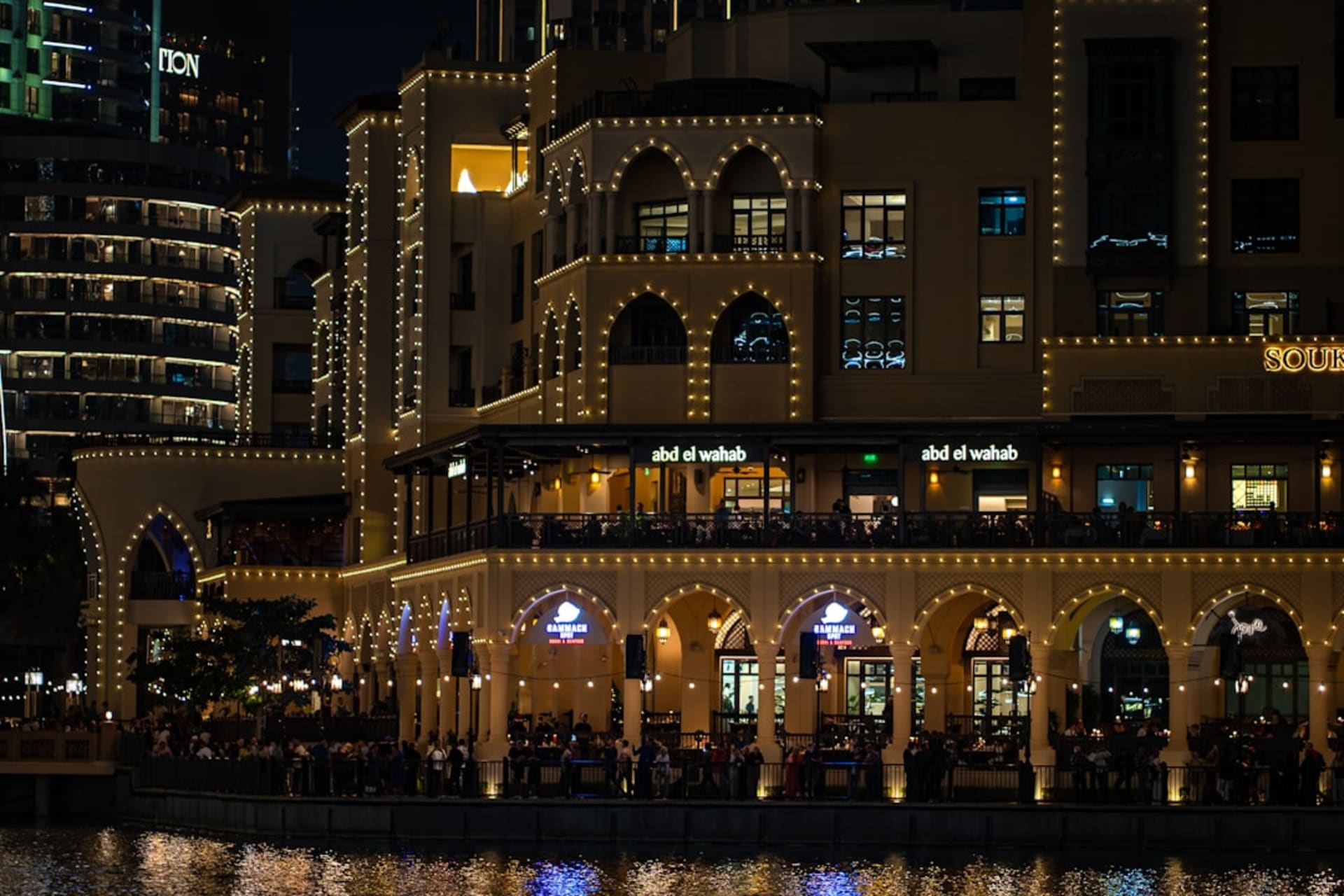
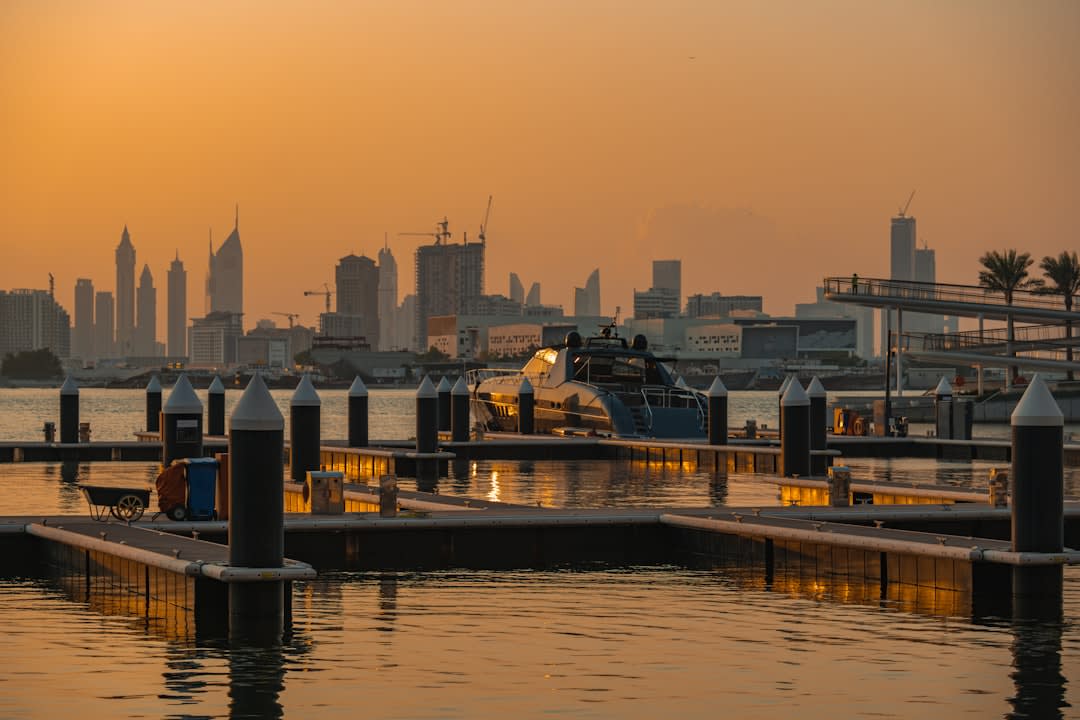
In the evening the Creek changes character entirely. Dinner cruise boats, strung with lights, glide slowly past the older buildings on both banks while the call to prayer drifts out from a nearby mosque and mixes with the diesel hum of the abras still running their last crossings of the day. I took an evening abra ride just to watch the light change on the water — the modern towers of Downtown are visible in the far distance from certain points on the Creek, a strange visual bridge between the two eras of the same city.
Talking to one of the abra drivers, a man who said he’d been making this same crossing for over twenty years, I asked if he minded the repetition. He laughed and said the water was never the same twice — different tides, different light, different cargo on the dhows each week. Small thing to notice, but it stuck with me.
When to go: Late afternoon into early evening, when the heat eases and the light turns gold on the water; the dinner cruises run year-round but are far more pleasant outside the summer humidity.