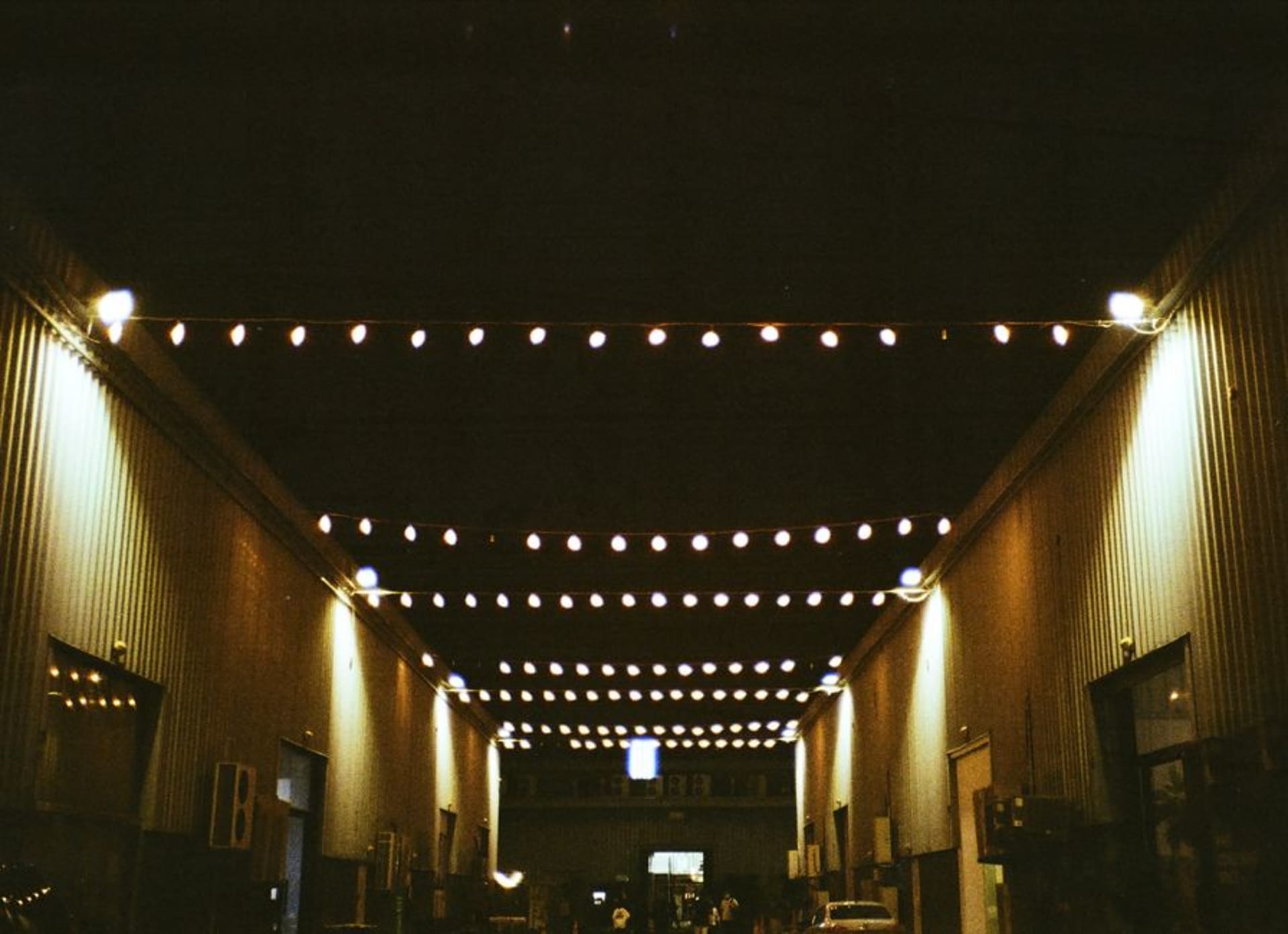
Alserkal Avenue
"I found Dubai's actual art scene wedged between a tire shop and a car wash, and it made more sense than any mall."
A converted warehouse district in Al Quoz where Dubai's contemporary art scene actually lives, galleries and studios tucked between auto-repair shops and loading docks.
Nobody sends you to Al Quoz. It shows up on the map as an industrial zone — warehouses, auto-repair yards, a scattering of forklifts parked at odd angles — and if you didn’t know better you’d drive straight through it looking for the real Dubai. I only found Alserkal Avenue because a gallerist I met in Mexico City, of all places, told me it was the one part of the city that felt unbossed by spectacle. She was right. It is a cluster of converted warehouses, maybe fifteen of them, holding some of the most serious contemporary art programming in the Gulf, and it exists almost defiantly next to the machine shops that gave the neighborhood its zoning in the first place.
I walked in expecting polish and found something closer to grit with intention. The concrete floors still have oil stains nobody bothered to seal over. The loading-dock doors roll up instead of swinging open. And inside, the shows were genuinely uncompromising — a video installation about migrant labor camps in one space, a survey of Iranian modernism two doors down, a project space showing work by an Emirati photographer who’d spent a decade documenting the disappearing date-palm farms of Al Ain. Nothing about it was trying to sell me a lifestyle.
Counter-programming, on purpose
What struck me most was how deliberately Alserkal Avenue positions itself against the rest of Dubai’s image. This is a city that markets itself through superlatives — tallest, biggest, most expensive — and the avenue’s whole ethos runs the other direction. It’s modest architecture, unpolished by design, and the galleries that occupy it have used that rawness as a curatorial statement rather than a compromise. I got talking to a studio assistant restretching a canvas in one of the project spaces, and he put it plainly: artists here don’t want white-cube perfection, they want walls that still remember being a warehouse.
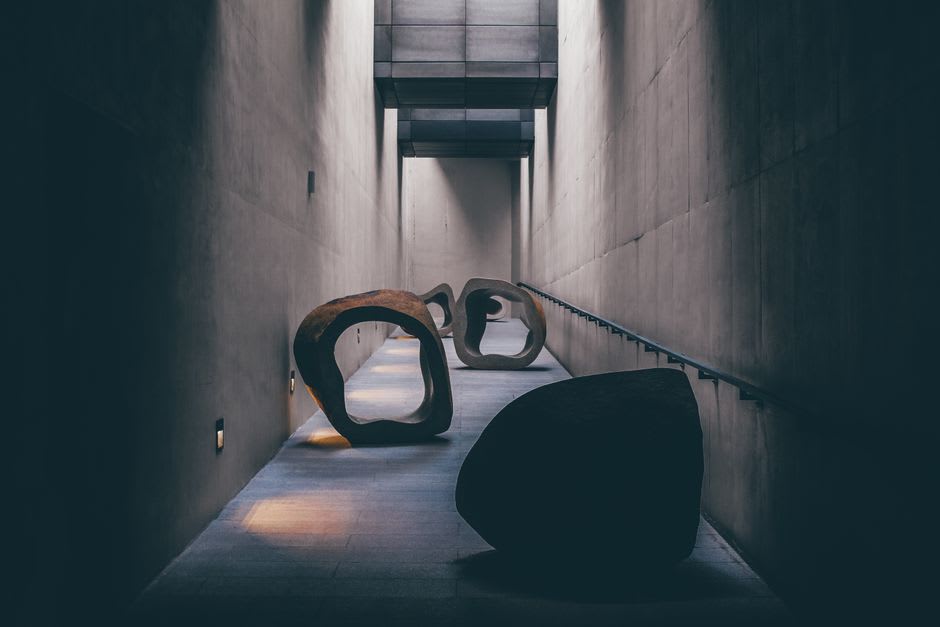
The programming changes constantly, but the anchor institutions — Ayyam Gallery, Green Art Gallery, the nonprofit spaces that run talks and residencies — have built something that functions less like a shopping district and more like an actual scene, with the friction and disagreement that implies. I sat in on a panel discussion one evening about censorship in regional curating, and the room argued with each other in a way that felt refreshingly unresolved, nothing packaged for a brochure.
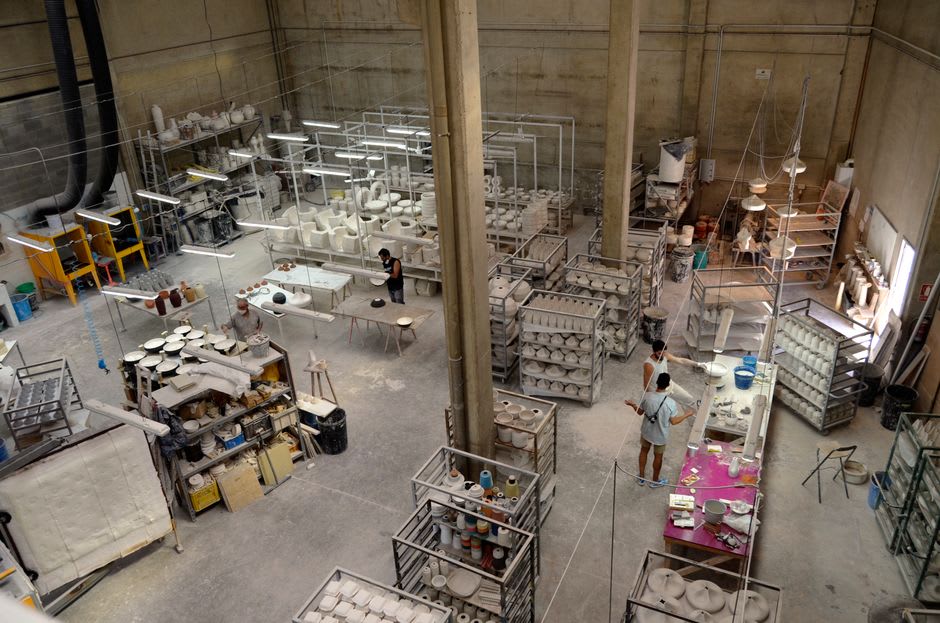
Between gallery visits, the avenue’s cafes and concept bookshops give you somewhere to sit with what you just saw rather than rushing to the next spectacle. I ended my afternoon at a secondhand bookshop specializing in art criticism, flipping through a catalog from a 1970s Baghdad biennial that I’m still thinking about.
When to go: Thursday and Friday evenings, when gallery openings cluster and the avenue’s cafes stay busy past sunset. Visit November through March for a pleasant walk between spaces — summer heat makes the outdoor courtyards unbearable by midday.