Vaiaku
"We landed on the only strip of tarmac in the country, and by evening it belonged to the kids playing football on it."
A village where the runway becomes a football pitch at dusk and the whole country's capital fits around one lagoon-facing hotel.
Lia and I knew Tuvalu would be small, but nothing prepares you for actually walking through Vaiaku. This is the capital district of an entire nation, and it took us about fifteen minutes to see the government building, the airport terminal, and the only hotel on the islet, the Vaiaku Lagi Hotel, all without breaking a sweat. We’d booked a room there mostly because there was no other option, and I remember sitting on the little terrace that first evening with a lukewarm beer, watching the lagoon go from turquoise to violet, thinking that I’d never stayed somewhere that so completely was the whole point of the trip.
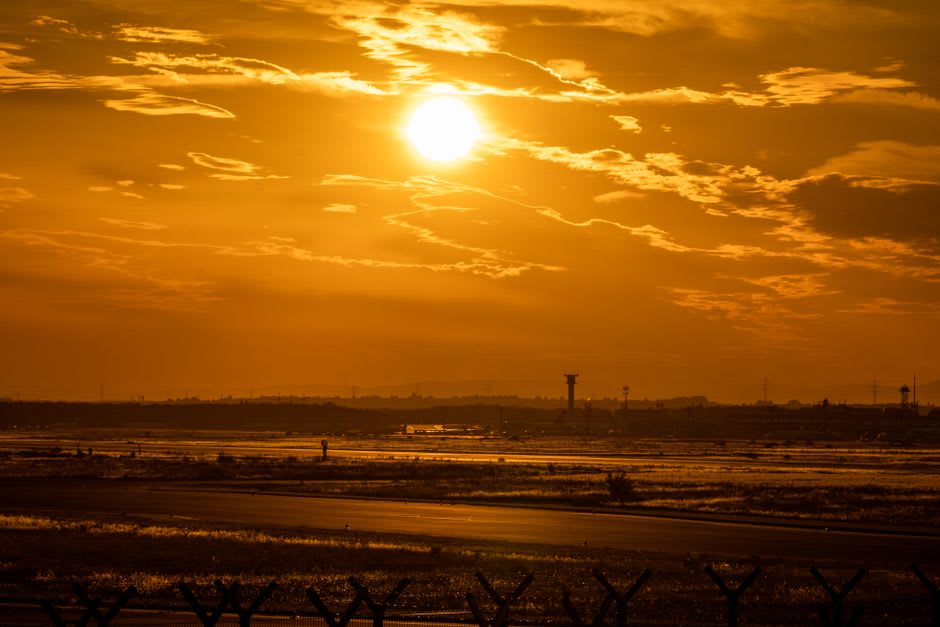
What struck me most was the runway. Funafuti International Airport cuts right through the middle of Vaiaku, and since flights only land a couple of times a week, for the rest of the time it just reverts to being the village’s shared backyard. Around five in the afternoon, once the heat had let go a little, we walked over and found half of Vaiaku already out there — teenagers playing volleyball with a net strung across the tarmac, a football match happening at the other end, older couples just walking laps for the exercise. Nobody looked twice at us. Lia grabbed a spot on the sideline of the volleyball game and within ten minutes was being waved in to play a rotation.
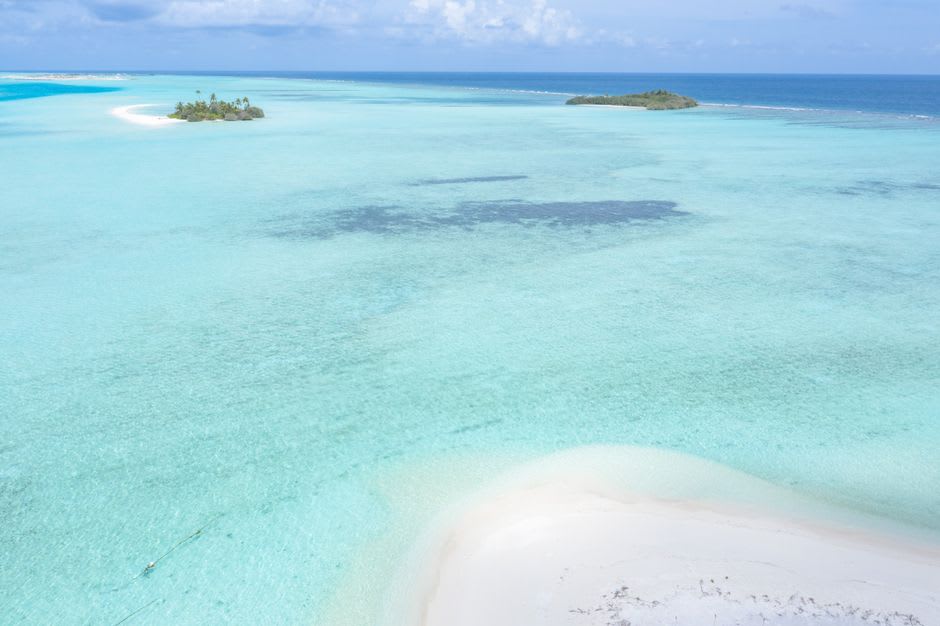
We spent our days easing into a rhythm that had almost nothing to do with sightseeing in the usual sense. There’s no checklist of attractions in Vaiaku — you swim in the lagoon, you watch a game of kilikiti, the local version of cricket that somehow manages to be louder and more theatrical than anything I’ve seen played with a bat, and if a fisherman is heading out to one of the nearby islets, you ask if there’s room in the boat. One afternoon a man named Sione took us out to a sandbar barely bigger than his boat, where we ate the fish he’d caught that morning grilled over driftwood. I’ve eaten in a lot of places by now, and that lunch, with nothing around us but water in every direction, is one I still think about.
Tuvalu gets only a few thousand visitors a year, and standing in Vaiaku you feel that scarcity in a good way — it’s probably one of the least-visited national capitals on the planet, and yet it never felt empty or staged for us. It felt lived-in, ordinary, generous. When to go: aim for the drier stretch between May and October; we’d skip the November-to-April window entirely, since that’s cyclone season and Tuvalu’s low-lying islets are not the place to be caught out by one.
Keep exploring
More from Tuvalu
 tuvalu
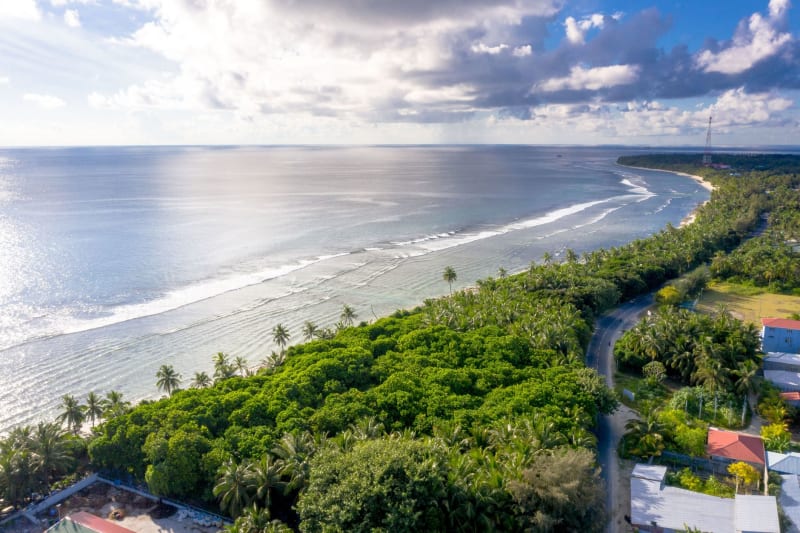
 Vaitupu
Tuvalu's largest island by land area holds a secondary school that draws students from across the archipelago — making it, unexpectedly, the country's most cosmopolitan place after the capital.
Explore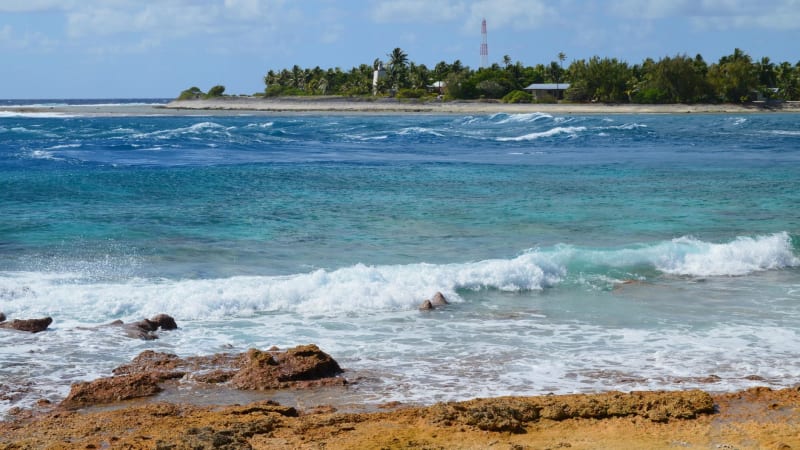 tuvalu
 Fongafale
The narrow islet that holds Tuvalu's capital is a study in how a nation fits itself onto a strip of land twenty meters wide — government offices, markets, embassies, and the airport runway all sharing the same few hundred meters of coral.
Explore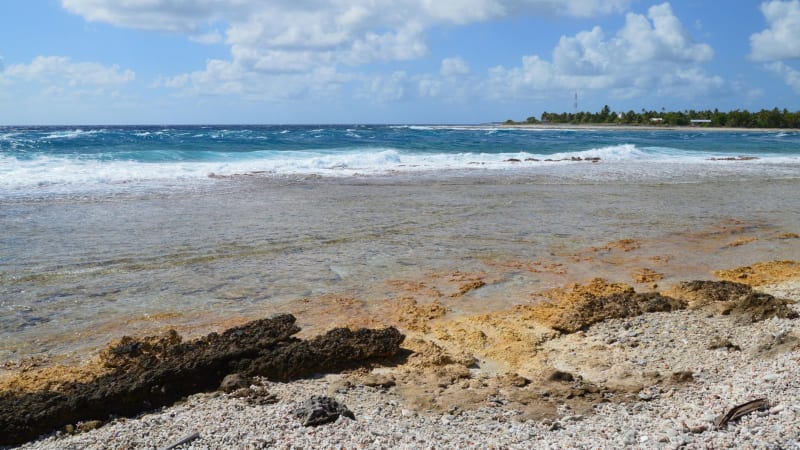 tuvalu
 Funafuti
The world's least-visited capital sits on a thread of coral so narrow you can hear both oceans at once.
Explore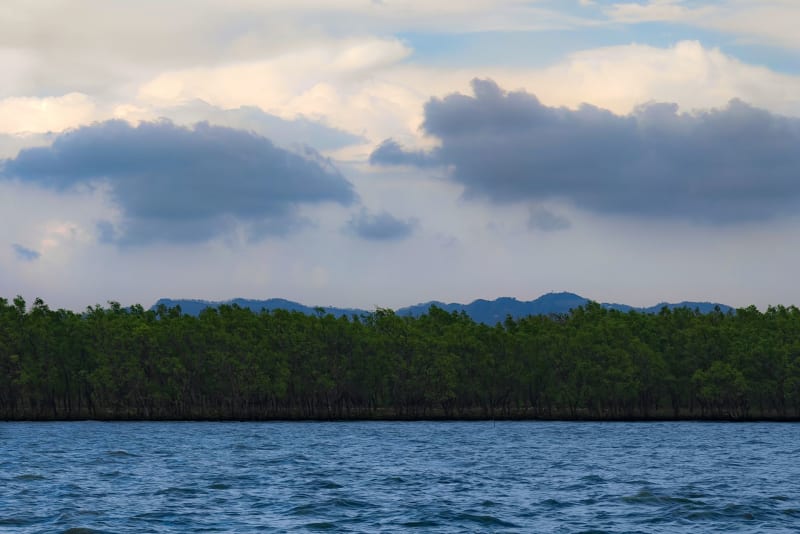 tuvalu
 Funafuti Conservation Area
A protected arc of uninhabited motu enclosing some of the Pacific's most intact reef, accessible only by boat and entirely worth the effort.
Explore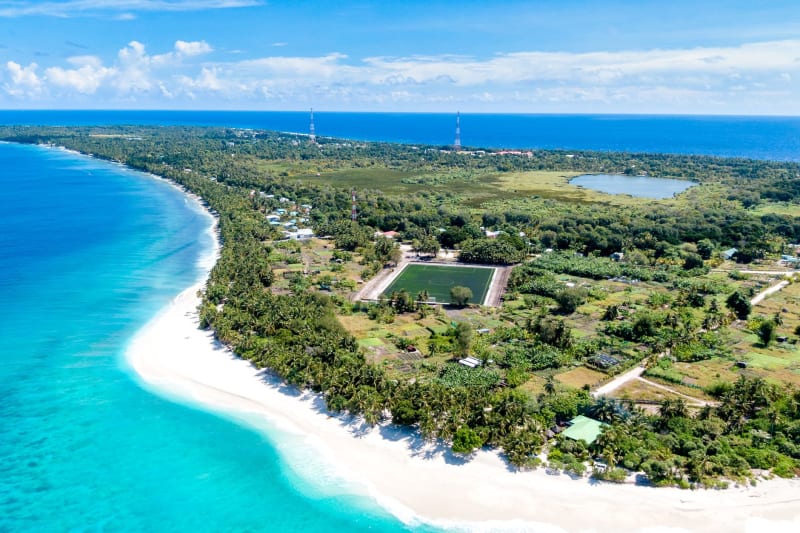 tuvalu
 Nanumanga
A raised atoll with no lagoon — just one solid island of coral limestone surrounded by open sea — which makes it structurally unlike anything else in Tuvalu and about thirty percent more vertigo-inducing.
Explore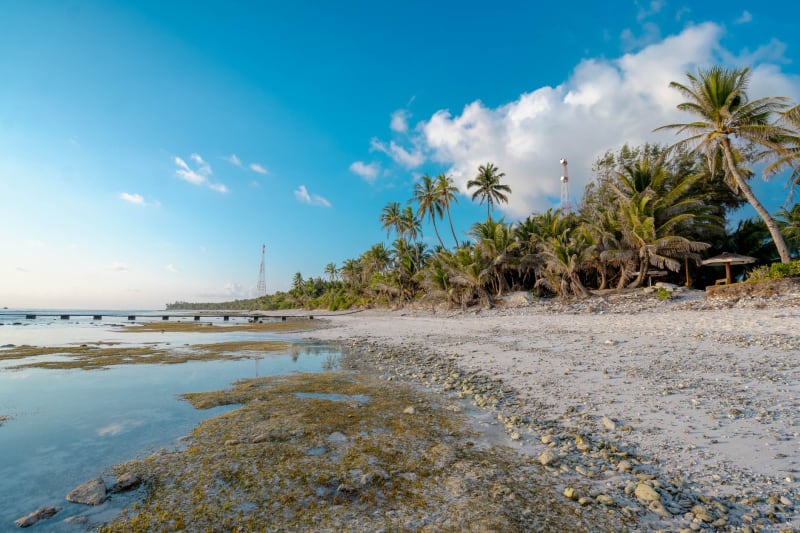 tuvalu
 Nanumea
The northernmost atoll in Tuvalu guards a lagoon the color of hammered copper at dusk and a community that receives fewer visitors per year than most towns see in an hour.
Explore