Tepuka Islet
"No dock, no shade structure, no wifi bar — just Lia, a cooler bag, and the most transparent water I've ever put my face in."
An uninhabited sand cay of coconut palms and coral inside Funafuti's lagoon, reachable only by open boat and pure quiet.
We left Vaiaku a little after nine, the boatman cutting the engine every so often so we could look down through the hull-clear water at coral heads passing beneath us like rooftops seen from a plane. Tepuka sat low on the horizon the whole way, barely a smudge of green above the lagoon, and it wasn’t until we were maybe two hundred meters out that I understood how small it actually is — you could walk its length in the time it takes to finish a coffee. That smallness is exactly what makes it feel so different from Fongafale. There’s no main road humming behind you, no water tank trucks, no fences. Just sand, palms leaning at improbable angles, and the sound of the reef doing its work on the far side.
We’d packed a lunch and two liters of water each, because Tepuka has nobody living there and nothing to buy — a fact our guide repeated twice before we left, in the tone of someone who’s had to motor back for a forgotten water bottle before. I liked that about it. It forces you to actually plan for a day instead of assuming a fridge or a shaded café will be waiting. We ate rice and tinned mackerel under a palm around noon, Lia complaining cheerfully about sand in the rice, and it was probably the best meal I’ve had in Tuvalu precisely because there was nowhere else to be.
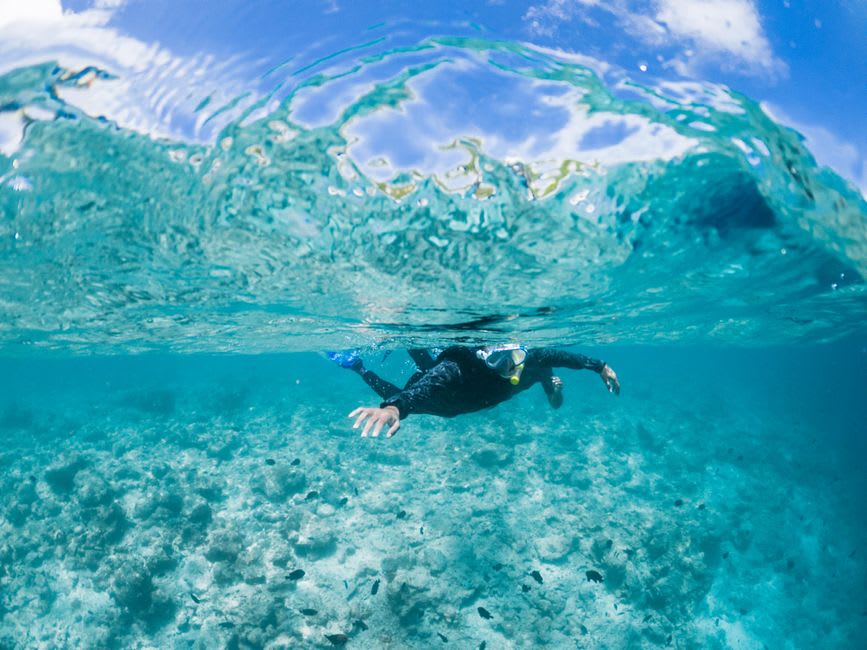
The snorkeling is the real reason people make the crossing, and it earned every bit of its reputation. Compared with the reef right off Fongafale’s shoreline, which felt a little tired near the causeway, the coral off Tepuka was dense and alive — parrotfish grazing in packs, a reef shark that cruised past without any interest in us, staghorn formations stacked in a way that made me want to just float there for an hour, which I more or less did. Lia found a small blue-spotted ray resting in the sand near the drop-off and came up sputtering with excitement through her snorkel, which is a very specific and very funny sound.
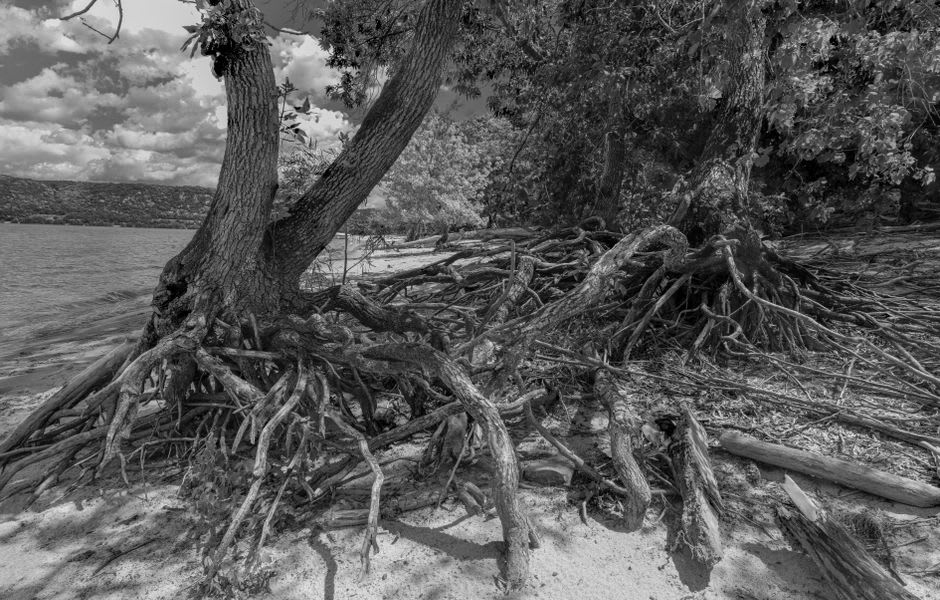
What stayed with me longer than the snorkeling, though, was walking the shoreline afterward and noticing how thin the margin is here — exposed roots where sand has pulled back, a few toppled palms at the waterline that our guide said weren’t there a few years ago. This is one of the islets researchers keep coming back to when they talk about what rising seas actually look like on the ground, not as a projection but as a slow erosion you can point to with your finger. It didn’t feel like a lecture standing there; it felt like being shown something quietly and honestly, which somehow landed harder.
When to go: Aim for May to October, Tuvalu’s drier and calmer stretch of the year, when the lagoon crossing is gentler and the water stays clear enough to make the snorkeling worth the trip out.
Keep exploring
More from Tuvalu
 tuvalu
 Vaiaku
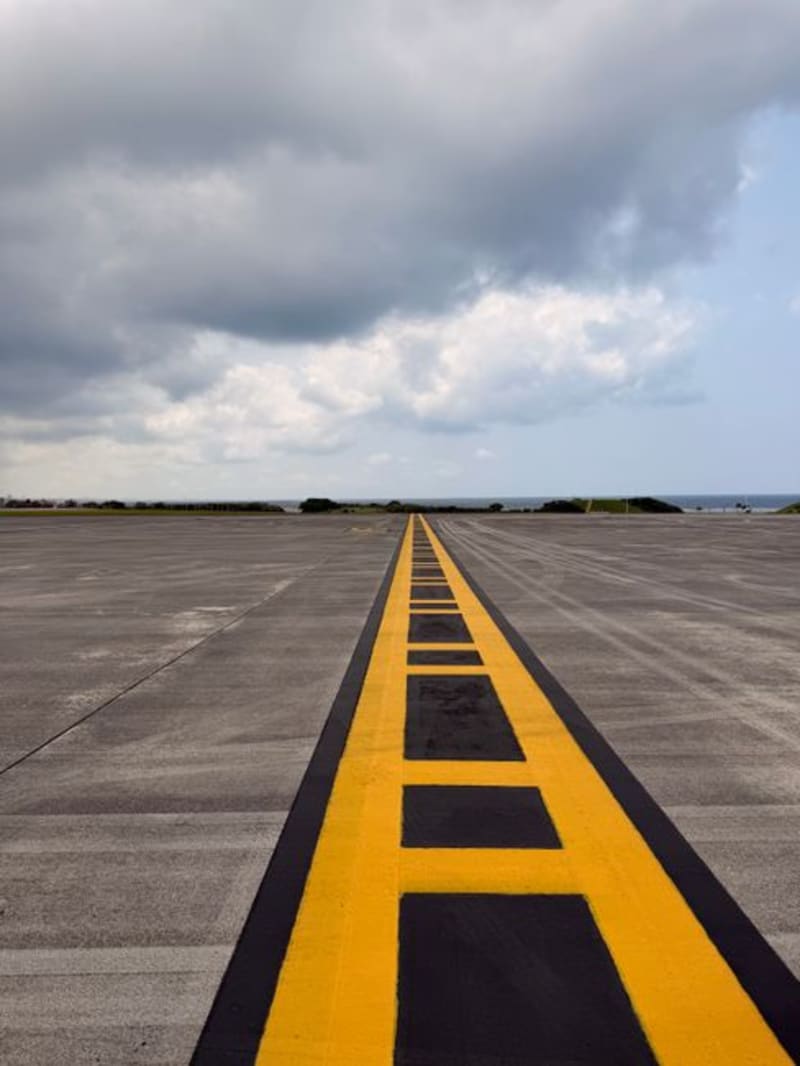
A village where the runway becomes a football pitch at dusk and the whole country's capital fits around one lagoon-facing hotel.
Explore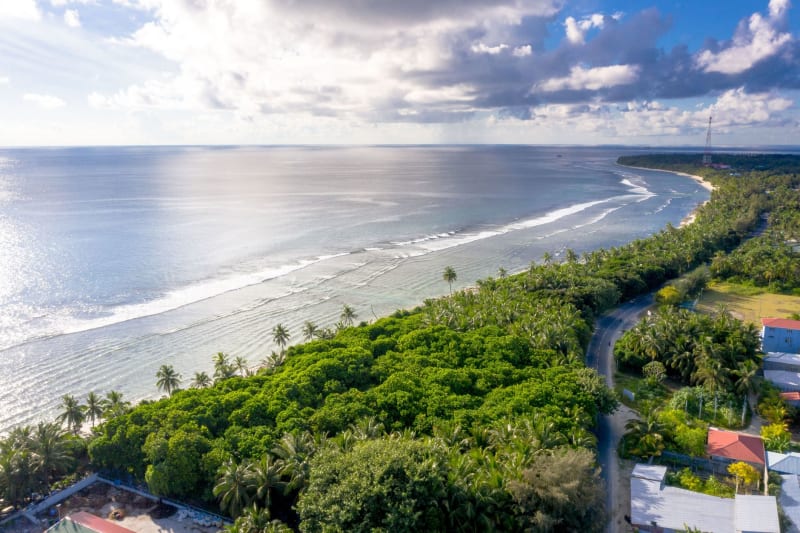 tuvalu
 Vaitupu
Tuvalu's largest island by land area holds a secondary school that draws students from across the archipelago — making it, unexpectedly, the country's most cosmopolitan place after the capital.
Explore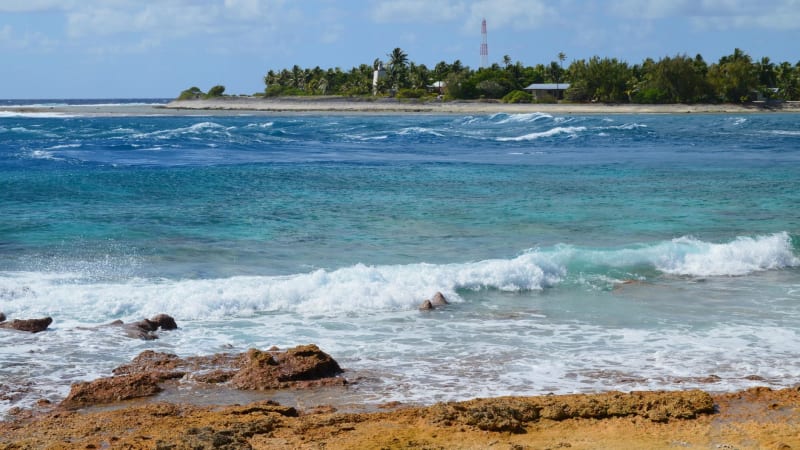 tuvalu
 Fongafale
The narrow islet that holds Tuvalu's capital is a study in how a nation fits itself onto a strip of land twenty meters wide — government offices, markets, embassies, and the airport runway all sharing the same few hundred meters of coral.
Explore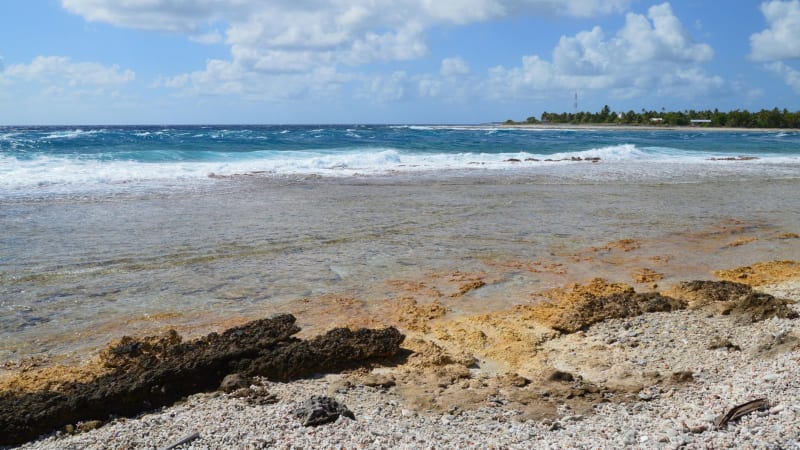 tuvalu
 Funafuti
The world's least-visited capital sits on a thread of coral so narrow you can hear both oceans at once.
Explore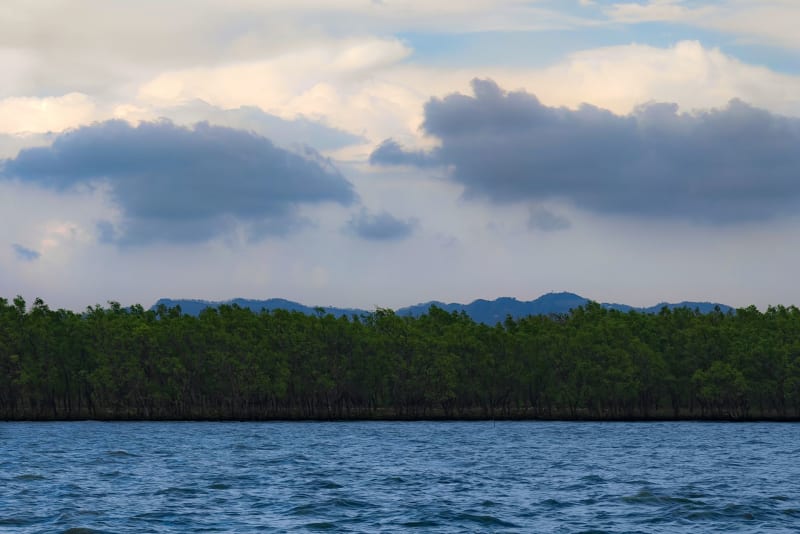 tuvalu
 Funafuti Conservation Area
A protected arc of uninhabited motu enclosing some of the Pacific's most intact reef, accessible only by boat and entirely worth the effort.
Explore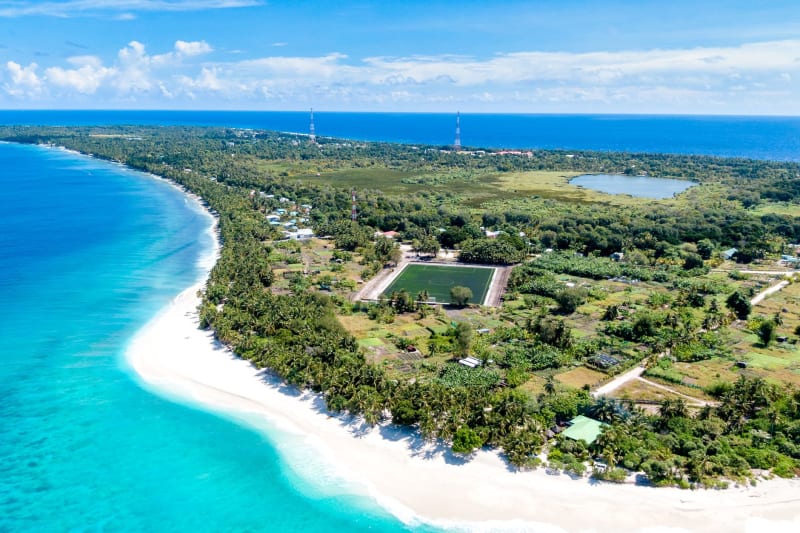 tuvalu
 Nanumanga
A raised atoll with no lagoon — just one solid island of coral limestone surrounded by open sea — which makes it structurally unlike anything else in Tuvalu and about thirty percent more vertigo-inducing.
Explore