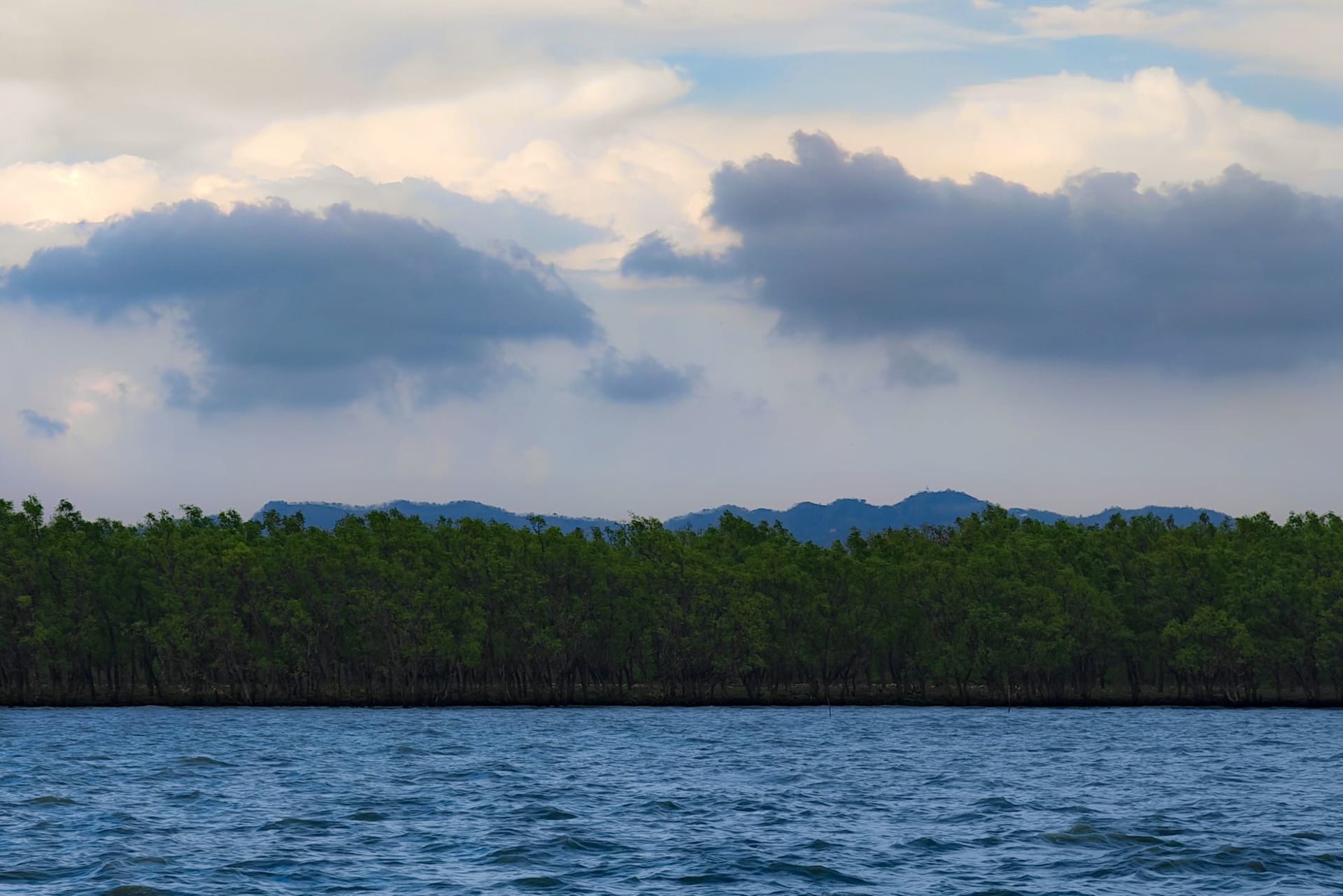
Funafuti Conservation Area
"The coral head was the size of a small car and older than anything I'd ever swum beside."
The Funafuti Conservation Area was established in 1999, covering thirty-three square kilometers of ocean, reef, and uninhabited islets along the western rim of the atoll. Getting there requires a boat — forty-five minutes minimum from Fongafale, longer depending on where you’re headed — and the absence of any permanent human settlement. Those two facts have done more for the marine life here than any management plan could.
The Motu Circuit
The conservation area protects six uninhabited motu strung along the atoll’s western rim like beads on a loose string: Tepuka, Fuafatu, Vasafua, Fualopa, Fuakea, and Tefala. Each has its own character. Tepuka is the largest, shaded by mature breadfruit and coconut palms whose roots probe the coral rubble. Vasafua is little more than a sandbar at high tide, brilliant white and impermanent-looking. Tefala, farthest south, sits at the outer edge of the reef and catches the full force of the southeast trade wind.
I made the circuit across two days on a borrowed boat with a local guide named Sione, who knew the shallows the way some people know their own houses — without thinking about it, adjusting course instinctively. We stopped where the reef color changed, which is where the fish were.
Underwater Architecture
The snorkeling here is, without exaggeration, some of the best I have encountered anywhere in the Pacific. The inner lagoon side offers calm water and extraordinary visibility — thirty meters on a good day — over a reef shelf where giant clams the size of bass drums mark their territory with vivid purple and electric blue mantles. I counted eleven species of butterflyfish in a single afternoon without trying.
The outer reef drop-off is different: a wall that plunges into cobalt darkness while above it surge channels move water back and forth with the swells. Grey reef sharks hold position in the current here, effortlessly perpendicular to the flow. One large Napoleon wrasse shadowed me for ten minutes, curious in the way only very old fish seem to be.
What struck me most was the coral structure itself — complex, three-dimensional, largely unbroken. No anchor scars. No bleaching corridors. The kind of reef that takes generations to build and an afternoon to destroy, and which survives here because almost nobody comes.
The Birds You Don’t Expect
The motu hold significant seabird colonies. On Vasafua, a narrow sandspit hosts nesting brown noddies and white terns whose eggs lie directly on sand without any pretense of a nest. White terns, especially, have an unsettling habit of hovering at eye level, close enough to count individual feathers, regarding you with one orange eye at a time.
Frigatebirds wheel overhead at midday, riding thermals without a wingbeat, their forked tails adjusting direction with micro-movements that look like steering. I watched a male inflate his red throat pouch for twenty minutes trying to attract a female who was not paying attention. Travel teaches you patience.
Practical Notes on Getting There
No commercial tours operate here at any scale. You need to arrange a boat through guesthouses in Funafuti — most can connect you with a reliable driver who knows the area. Bring everything: water, food, sun protection, snorkel gear. There is nothing on any of the motu. That absence is precisely the point.
When to go: The conservation area is best visited May through September when southeast trade winds keep the lagoon surface calm and visibility peaks. Avoid January and February when westerly swells can make the outer reef dangerous and afternoon thunderstorms roll through with little warning.