Sivas
"Sivas doesn't announce itself, but it quietly holds more history per square meter than towns three times its size."
A Seljuk architectural powerhouse and the town where modern Turkey quietly began, its congress hall as important as its carved stone portals.
I’ll admit I came to Sivas mostly because it sat conveniently between two other stops, and I left feeling a little embarrassed that I’d almost skipped it. The central square alone has three or four Seljuk-era buildings clustered close enough together that you can stand in one spot and turn in a slow circle taking them all in — a density of thirteenth-century stonework that rivals cities with far bigger reputations.
A Cluster of Seljuk Masterpieces
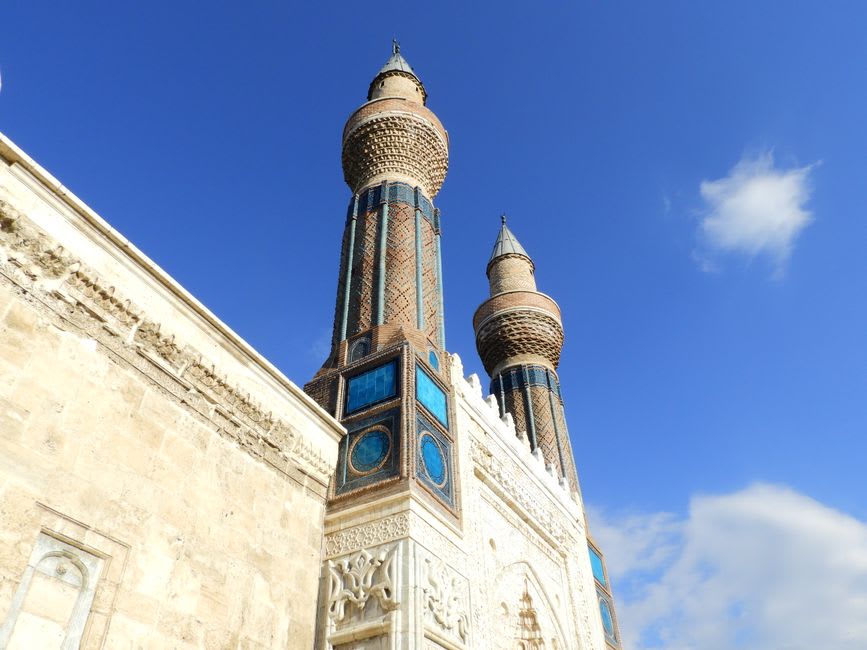
The Cifte Minareli Medrese here (a different one from Erzurum’s, and Sivas has its own quiet rivalry about which is finer) faces off against the Gok Medrese, whose turquoise-tiled minaret and deeply carved portal are almost too intricate to take in properly on a first pass — geometric knotwork and calligraphy layered so densely that I found myself tracing individual panels with my eyes just to register the pattern. The Sifaiye Medrese, meanwhile, was built as a hospital and psychiatric treatment center in the early thirteenth century, using music and the sound of running water as therapy — an idea that felt startlingly progressive standing in a courtyard eight hundred years old. A short drive out of town, though I didn’t have time to make it myself, is Divrigi, whose Great Mosque and hospital complex is UNESCO-listed for stone carving so singular that art historians still debate exactly what school of masons produced it.
The Congress That Changed a Country
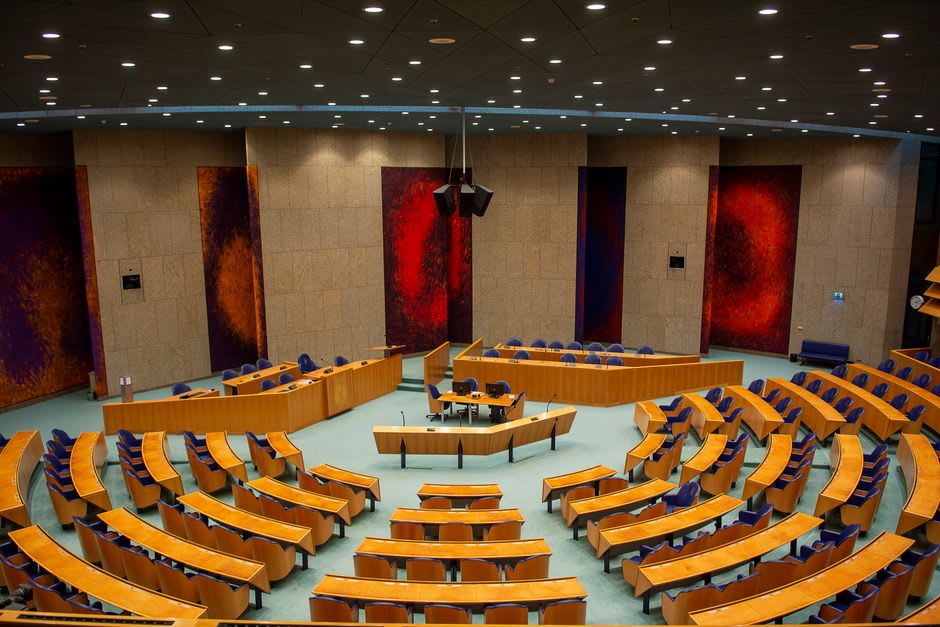
What surprised me more than the architecture, though, was the Sivas Congress Museum, housed in the very building where Mustafa Kemal Ataturk convened delegates in September 1919 to organize resistance against the partition of Anatolia after the First World War — a meeting historians treat as one of the founding moments of the Turkish independence movement, the point at which a scattered resistance began to look like a national project. Walking through the preserved meeting hall, its long table and rows of chairs still arranged as if the delegates had just stepped out, I felt the specific weight of standing in a room where a decision was made that reshaped a country’s entire trajectory. It’s a different kind of monument than a carved portal, but no less important to understanding modern Turkey.
A young history student I got talking to over tea near the square told me Sivas people feel a quiet pride about this — not the loud pride of a capital, but the pride of a town that did something that mattered and then went back to its ordinary life.
When to go: May through September for the mildest weather and clear light on the medreses; the city gets seriously cold in winter, well below what most travelers expect from central Turkey.
Keep exploring
More from Turkey
 turkey
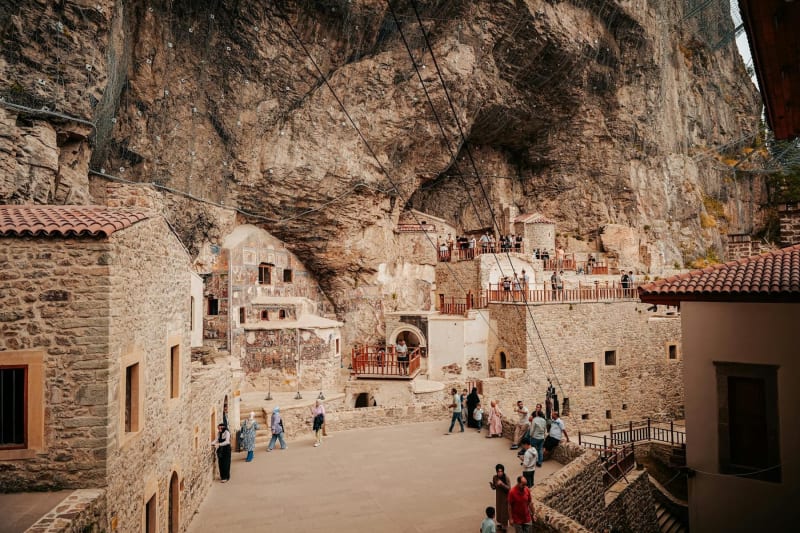
 Sumela Monastery
A 4th-century Byzantine monastery clings to a sheer cliff face in the Black Sea Mountains, vivid with frescoes.
Explore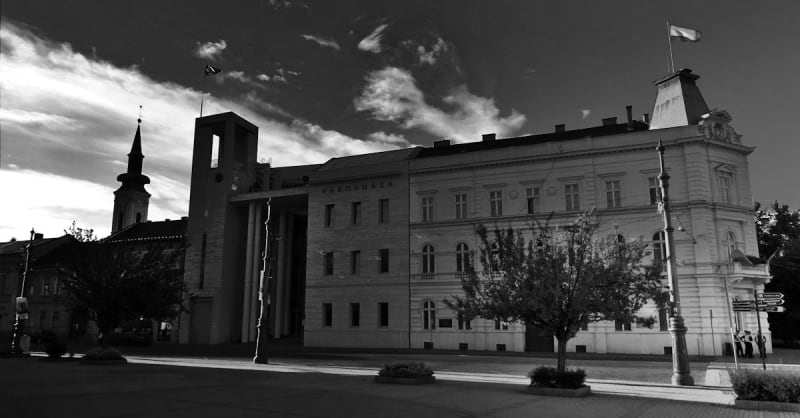 turkey
 Trabzon
A Black Sea port city where misty green mountains hide cliff-face monasteries and the cuisine is unlike anywhere else in Turkey.
Explore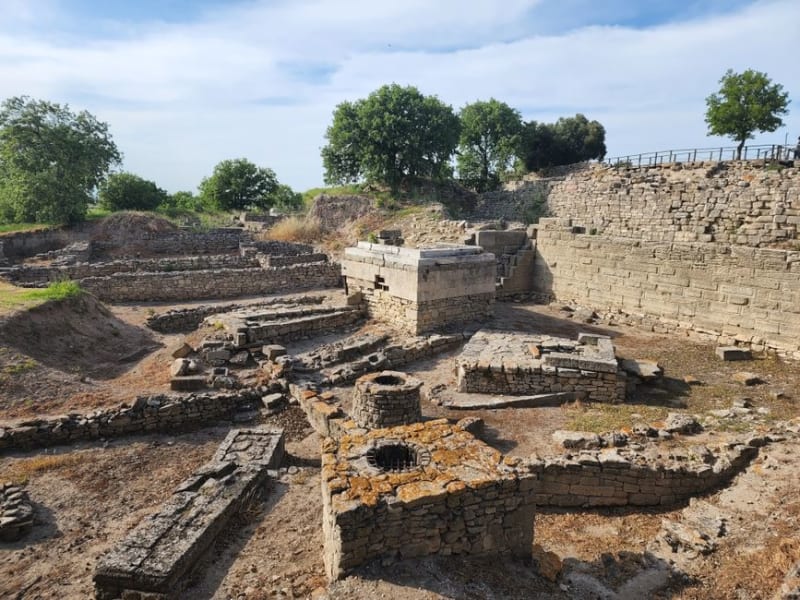 turkey
 Troy
The legendary city of Homer's epic, its excavated layers spanning four thousand years beneath a modern replica of the wooden horse.
Explore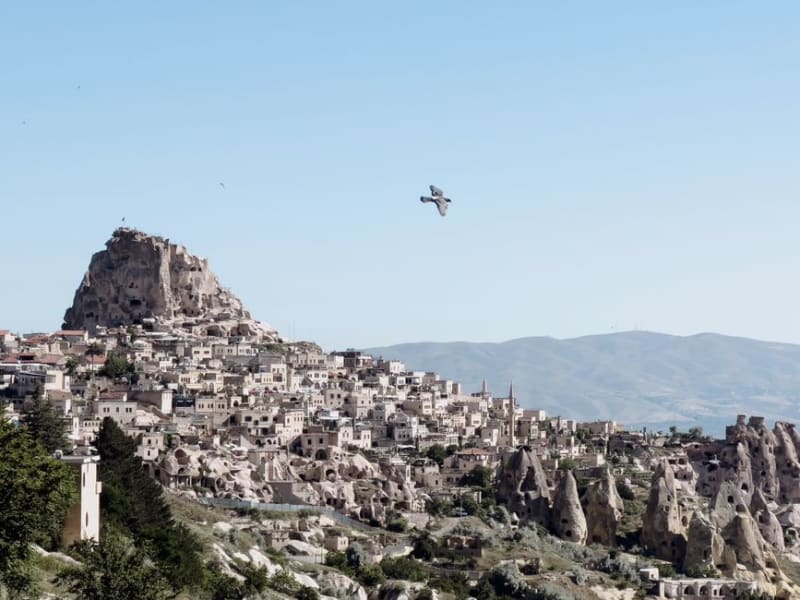 turkey
 Uchisar
The highest point in Cappadocia, a rock citadel riddled with carved chambers and a 360-degree view that puts the whole valley system in perspective.
Explore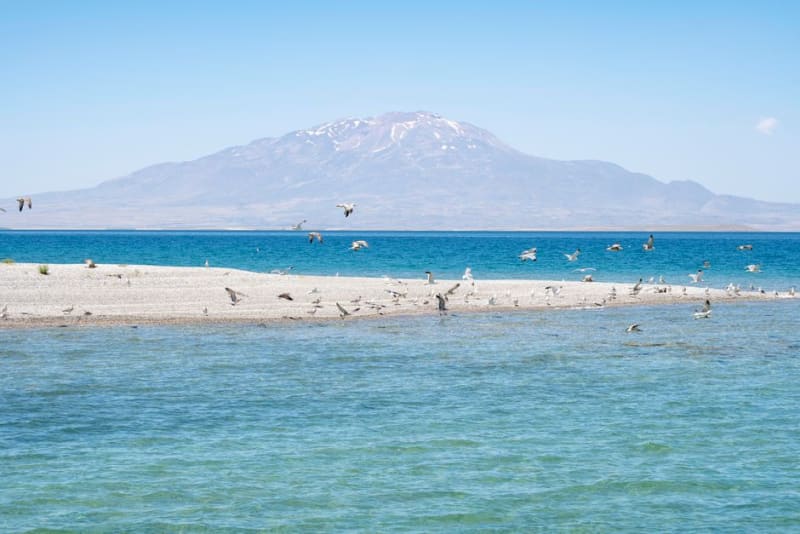 turkey
 Van
Turkey's easternmost major city sits on the shore of its largest lake, home to mismatched-eyed cats and an Armenian church stranded on its own island.
Explore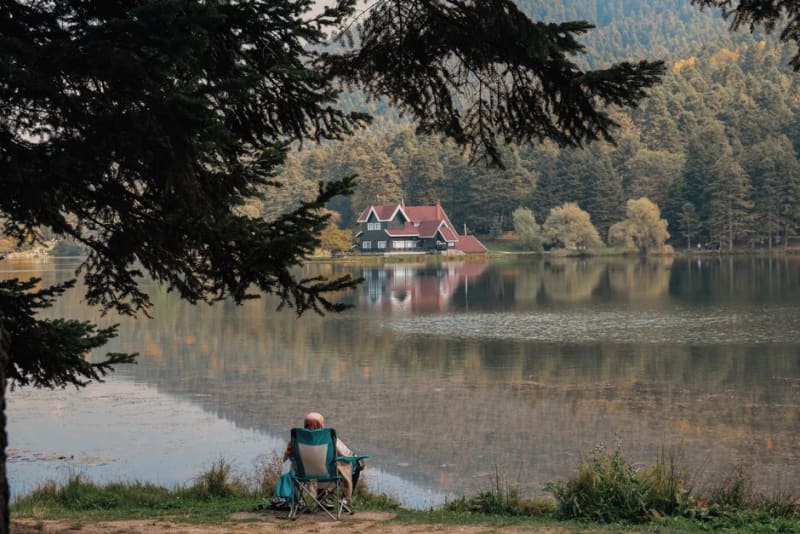 turkey
 Abant Lake
A still crater lake ringed by forest in a protected nature reserve, the favorite weekend escape for both Istanbul and Ankara.
Explore