
The Bosphorus — Where Two Continents Share a Cup of Tea
Istanbul's famous strait is not just a waterway between Europe and Asia — it is the city's bloodstream, its daily meditation, and the best argument I know for the ferry as a form of philosophy.

Europe
"Turkey is where East meets West and both decide to stay for breakfast."
Where continents collide on a single plate — Ottoman grandeur, Aegean light, and a food culture that humbles the Mediterranean.

Istanbul is the great city that sits on two continents, and it feels like it. Crossing the Bosphorus by ferry at dusk, watching the minarets of Sultanahmet catch the last light while the Asian shore glows amber — this is one of those rare travel moments that genuinely earns the word transcendent. But Istanbul’s power lies not just in its grand monuments. It lives in the back-street lokantası where lunch is a dozen vegetable dishes cooked that morning, in the tea gardens overlooking the Golden Horn, in the crumbling Ottoman neighborhoods of Balat and Fener where paint peels from wooden houses that have survived centuries of empire and republic alike.
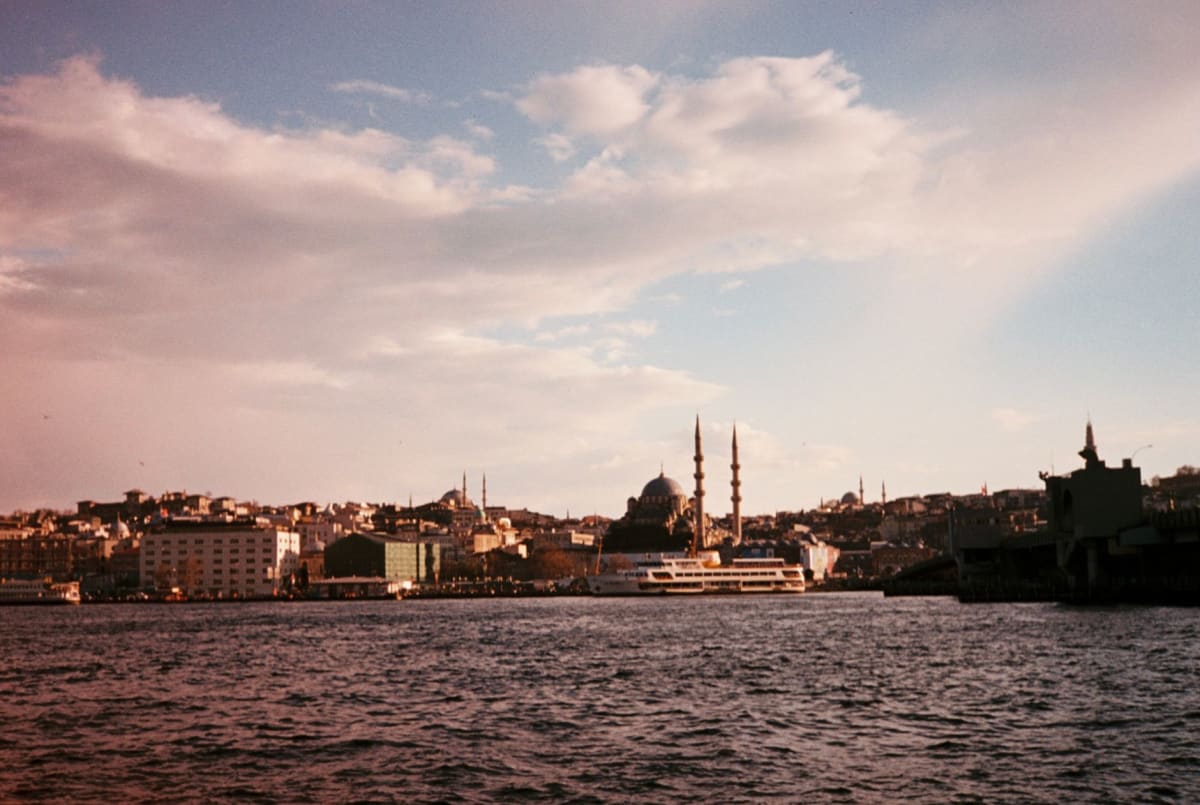
Istanbul deserves more days than any itinerary gives it. Take the public ferries rather than a tour boat, eat standing up at a fish-sandwich stall on the water, and keep the big monuments for early morning. From there the northwest is full of Ottoman history: Edirne holds the Selimiye Mosque, the masterpiece of the architect Sinan, and Bursa, the first Ottoman capital, sits below a mountain with a green-tiled mosque and its own famous kebab. Ankara, the capital, has the mausoleum of Atatürk and a very good museum of Anatolian civilizations.
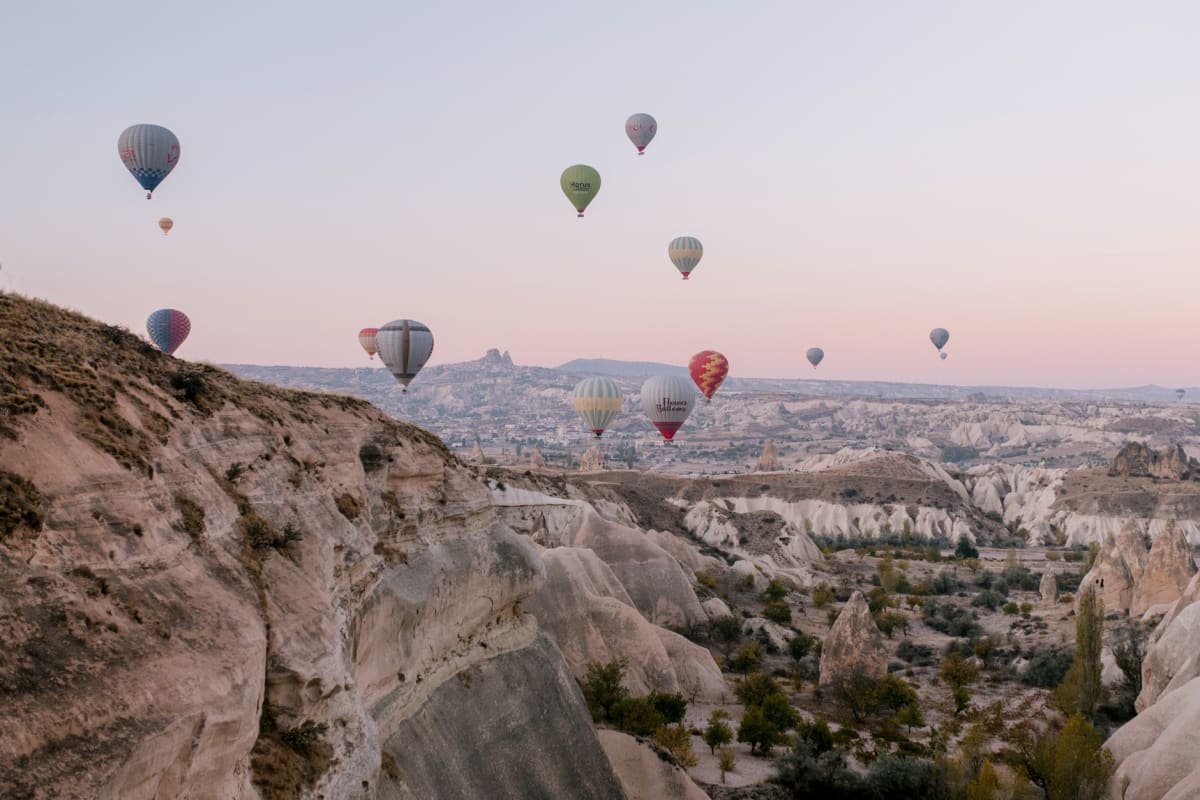
Beyond the city, Turkey unfolds into landscapes that seem designed to test the limits of credulity. Cappadocia’s fairy chimneys — volcanic formations carved into churches, hotels, and entire underground cities — look like the set of a science fiction film, yet people have lived among them for millennia. The Cappadocia Fairy Chimneys are best seen from the air at sunrise, when dozens of hot-air balloons lift off together, or from the ground on one of the valley walks, and the Ihlara Valley is a green gorge lined with rock-cut churches.
Konya is the home of the whirling dervishes and of the poet Rumi, whose tomb is a pilgrimage for Muslims and visitors alike.
The Aegean coast from Bodrum to Kaş holds turquoise coves, Lycian rock tombs, and Greek-inflected fishing villages where the seafood arrives on your plate within hours of leaving the water. In the north, Troy is a UNESCO World Heritage site where nine cities were built one on top of another, Çanakkale is the gateway to the Gallipoli battlefields of the First World War, and Assos and Bozcaada are two sleepy places for a stone-house stay and a glass of local wine.
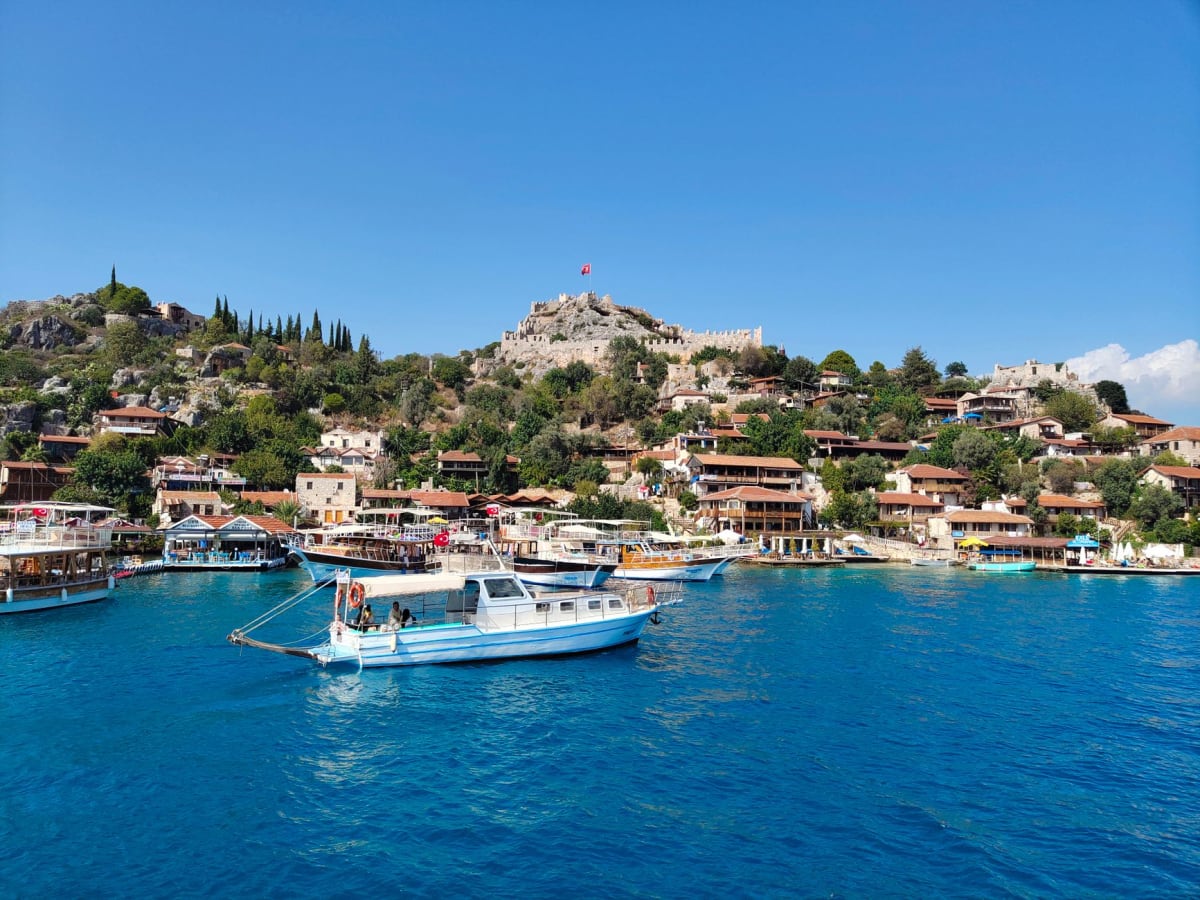
Further south are the great ancient cities of the old Ionian coast: Priene, Miletus and Didyma are near enough to each other to see in a day, and Aphrodisias inland has a stadium and a carved-marble museum that makes most visitors fall silent. On the coast, Çeşme and Alaçatı are stone-house resort towns with a strong windsurfing scene, Datça is a long quiet peninsula, Marmaris is a busy harbor town, and Dalyan has rock tombs carved into a cliff above a river delta where turtles nest. Ölüdeniz is the classic blue lagoon, Patara has a very long empty beach beside a Roman city, and Kekova is a sheltered bay with a sunken city you can see from a boat. East of there, Aspendos has one of the best-preserved Roman theatres anywhere, and Alanya is a beach resort under a hilltop castle.
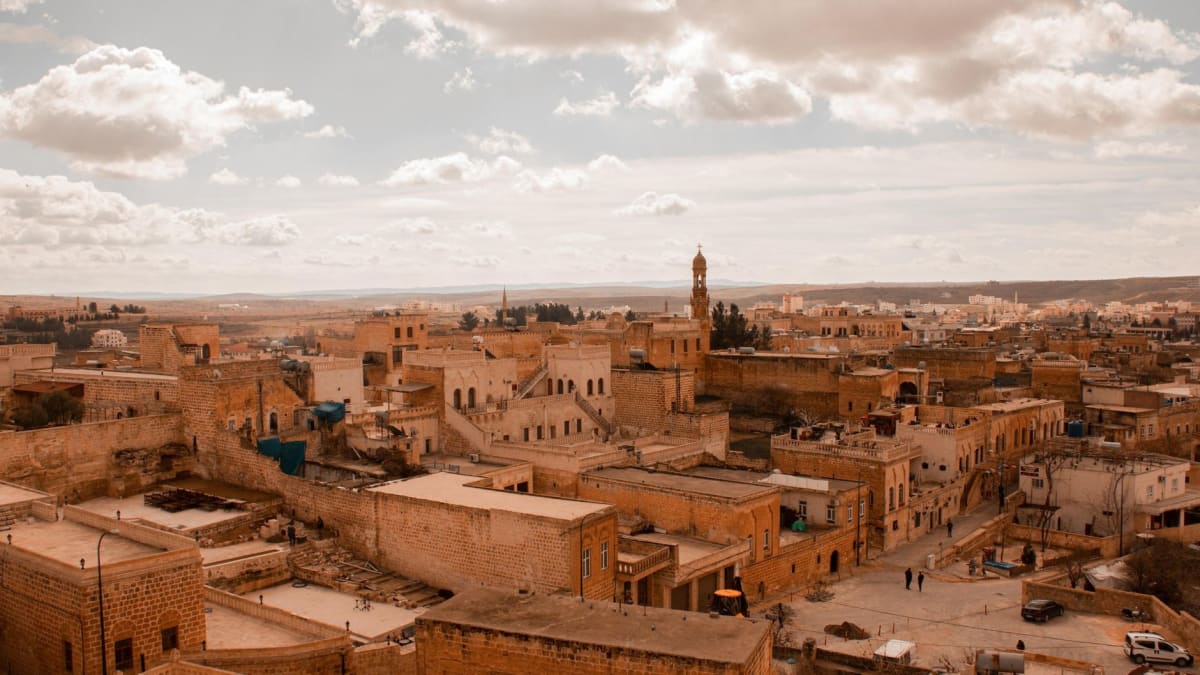
The southeast — Mardin, Gaziantep, Şanlıurfa — is Turkey’s culinary heartland, where the food reaches a complexity and intensity that the tourist coast barely hints at. Mardin is a stone city stacked up a hillside above the Mesopotamian plain, with honey-colored houses and old churches, and Gaziantep has been named a UNESCO City of Gastronomy, with pistachio baklava that you will measure all future baklava against. Şanlıurfa is a pilgrimage city built around a pool of sacred carp, and just outside it Göbekli Tepe is a hilltop of carved stone pillars about eleven thousand years old, older than the pyramids by thousands of years and one of the most important archaeological sites in the world.
Halfeti is a half-drowned village on the Euphrates, Diyarbakır is a city inside a ring of black basalt walls, and Antakya was one of the oldest and most layered cities in the region before the earthquakes of February 2023 devastated it; visitors should check current conditions and support the rebuilding rather than treating it as a sight. Not far away, Mount Nemrut is a mountaintop where a first-century king built a tomb and lined it with colossal stone heads of the gods, best seen at sunrise.
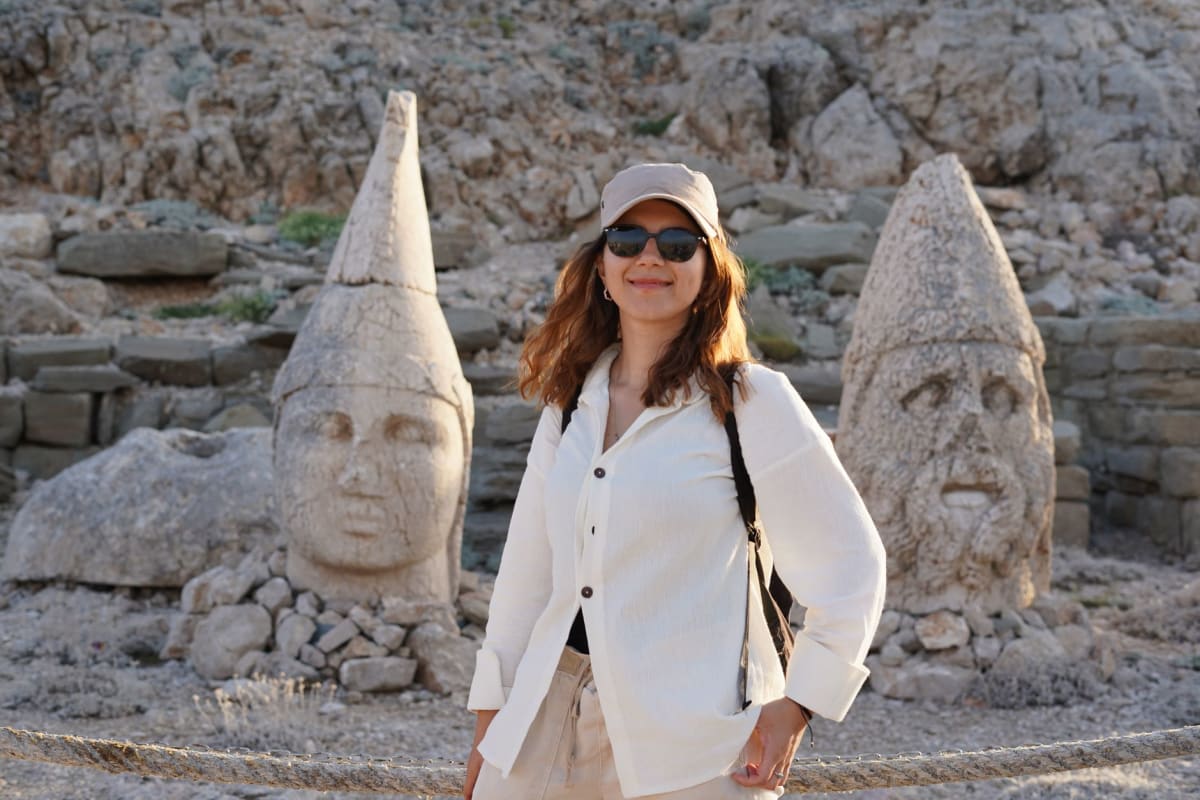
The far east is rarely on a first itinerary, and that is its charm. Lake Van is a vast blue soda lake ringed by mountains, Mount Ararat is Turkey’s highest peak and a sight from many roads, and Kars is a Russian-era town of grand stone buildings, from which a day trip leads to the ruins of Ani, the abandoned medieval capital of an Armenian kingdom. Erzurum is a high plateau city with a ski resort and a great Seljuk heritage, and the cliff-hung Sumela Monastery on the Black Sea side is one of the country’s most dramatic buildings. On the northern coast, Safranbolu has hundreds of preserved Ottoman houses and Amasra and Sinop are quiet harbor towns.
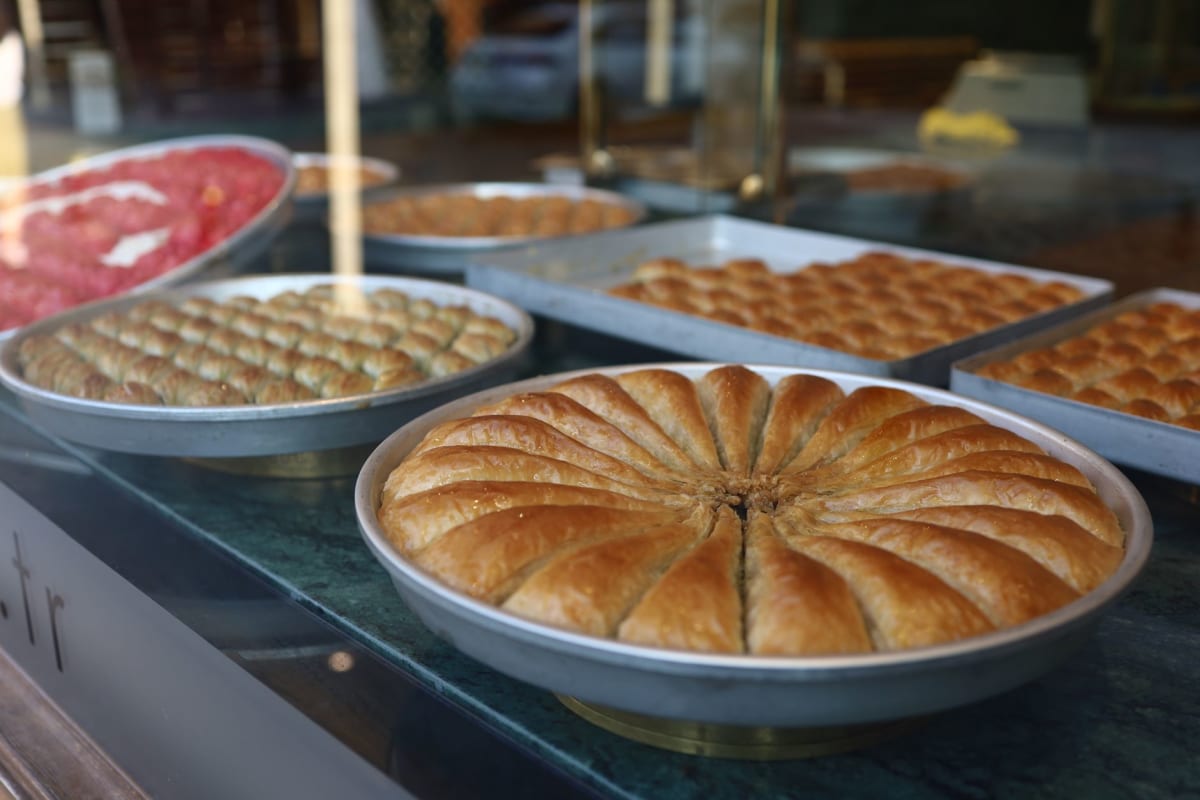
When to go: April to June or September to November. Spring brings wildflowers to Cappadocia and pleasant temperatures on the coast. Autumn is ideal for the southeast and Istanbul. Avoid the coast in July and August — the heat is oppressive and domestic tourism peaks.
What most guides get wrong: They underestimate Turkish food. This is not a supporting act to the monuments — it is the main event. Gaziantep alone has a cuisine so rich and varied it could sustain a two-week trip. Order the dishes you cannot identify. Accept the tea. Say yes to the second course. Turkish hospitality is not a performance; it is a deeply held cultural value, and it will feed you better than almost anywhere on earth.
Photography: Pexels contributors.
Explore
 turkey
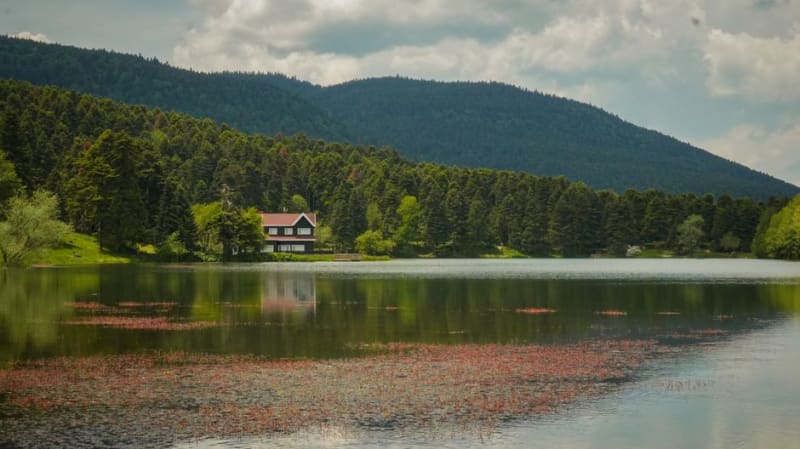
A still crater lake ringed by forest in a protected nature reserve, the favorite weekend escape for both Istanbul and Ankara.
Explore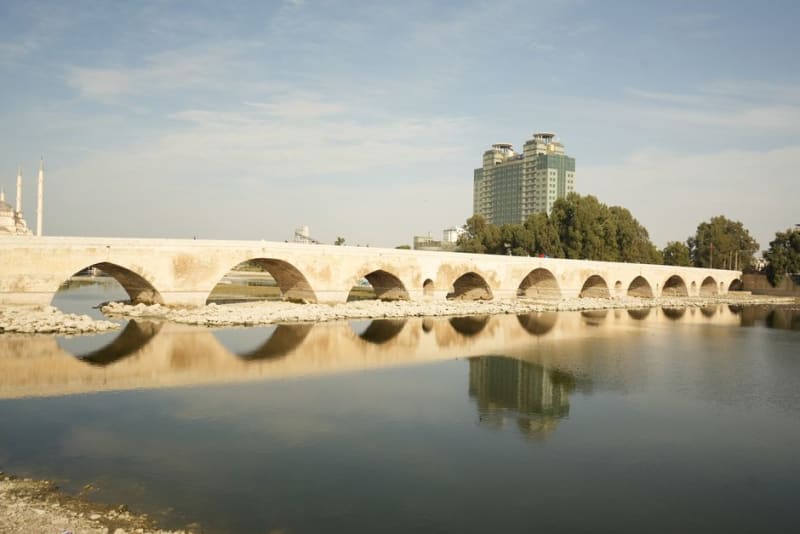 turkey
Turkey's spicy-kebab capital on the scorching Çukurova plain, home to the namesake Adana kebab and a Roman stone bridge still carrying traffic two thousand years on.
Explore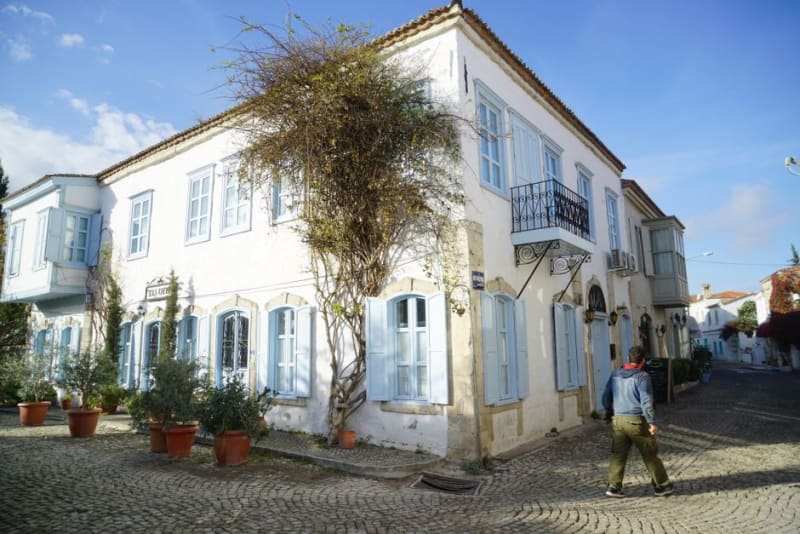 turkey
A restored Ottoman-Greek stone village turned chic windsurfing capital, its cobbled lanes lined with boutique hotels and artichoke fields running down to the sea.
Explore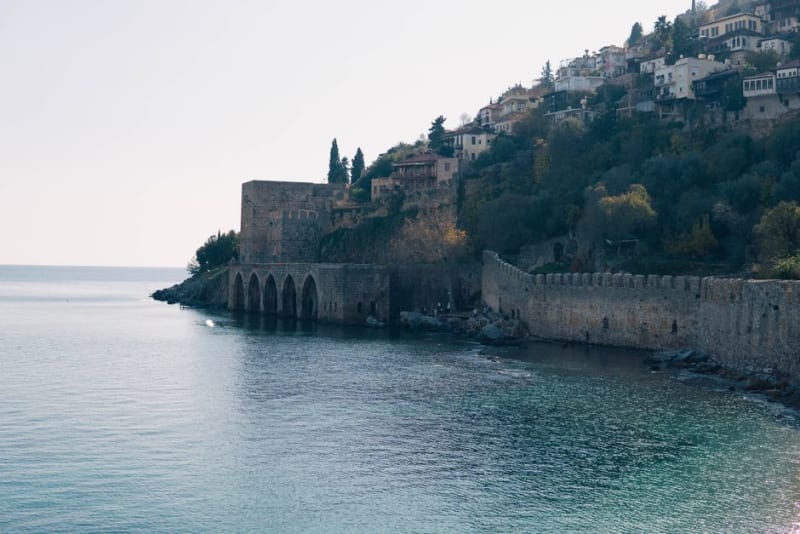 turkey
A Seljuk fortress plunges straight into the Mediterranean above a resort city ringed by banana greenhouses and one impossibly famous beach.
Explore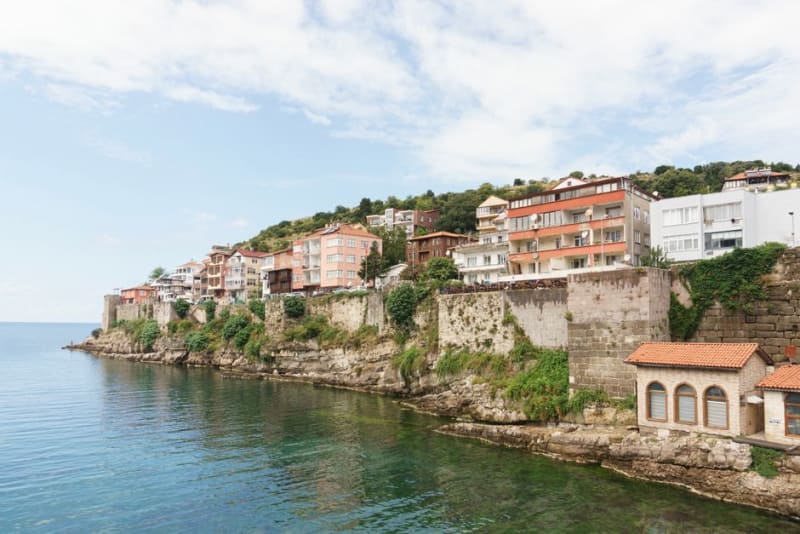 turkey
A twin-harbored Black Sea peninsula town wrapped in Byzantine and Genoese walls, where fishing boats still outnumber tourists by a wide margin.
Explore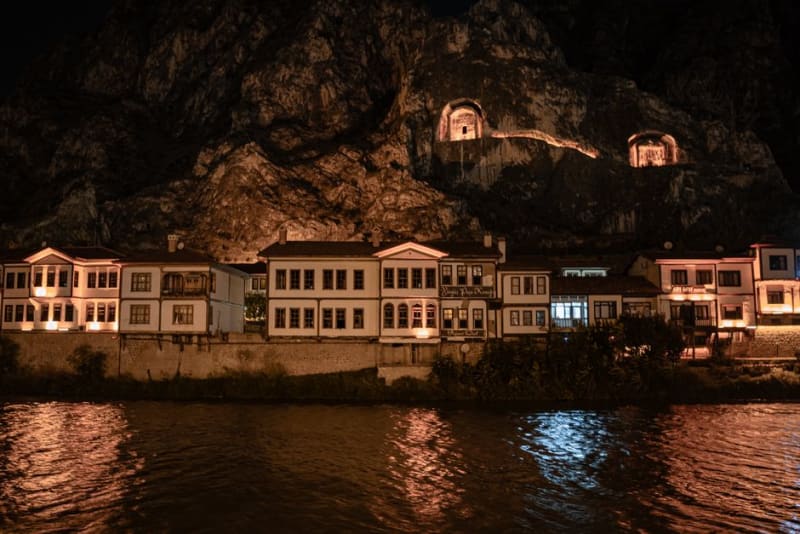 turkey
Ottoman timber houses lean over a river gorge while Pontic kings' tombs watch from cliffs above, and apple orchards perfume the whole valley.
Explore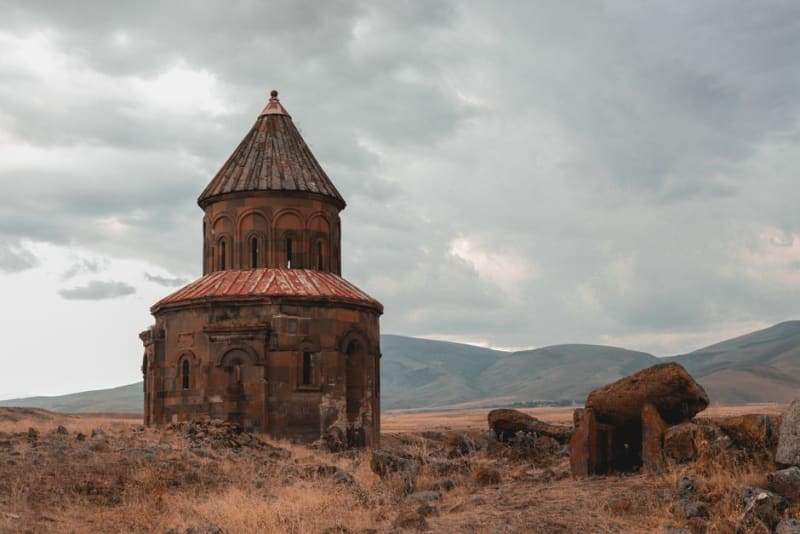 turkey
The abandoned medieval Armenian capital known as the City of 1001 Churches, a ghost city of empty grassland and crumbling stone on the closed border with Armenia.
Explore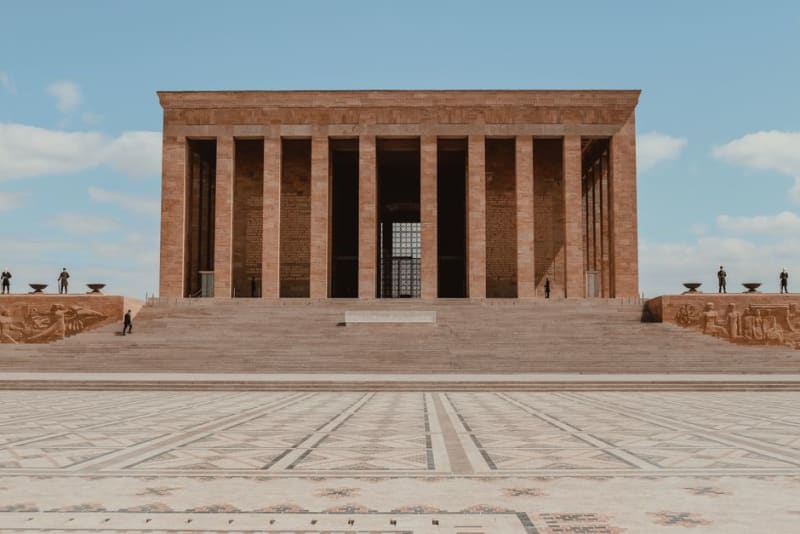 turkey
Turkey's purpose-built capital trades Istanbul's theater for something quieter and more sincere — a working city built around the memory of one man.
Explore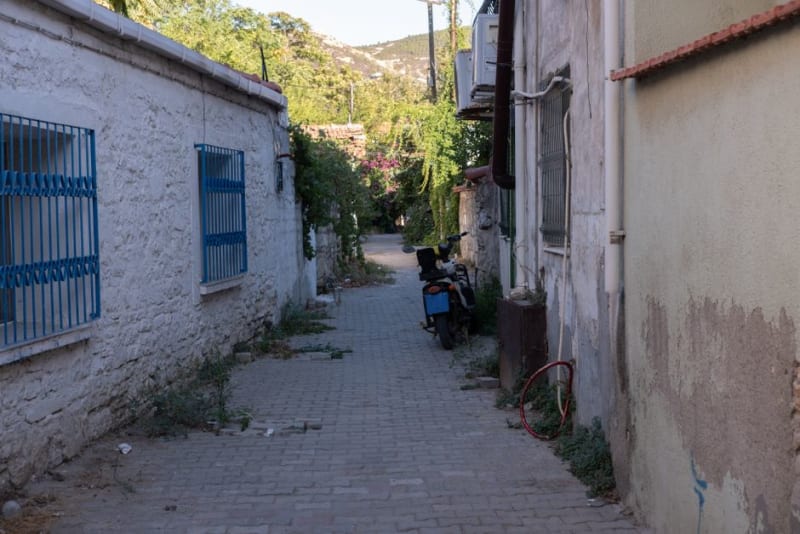 turkey
Ancient Antioch, Turkey's most religiously and culturally layered city near the Syrian border, rebuilding after the devastating 2023 earthquake with its distinctive cuisine intact.
Explore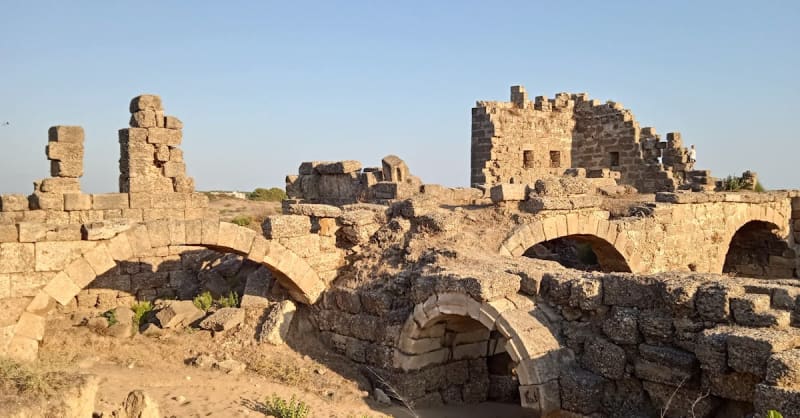 turkey
A turquoise coast city where Roman ruins overlook the Mediterranean and the mountains plunge straight into the sea.
Explore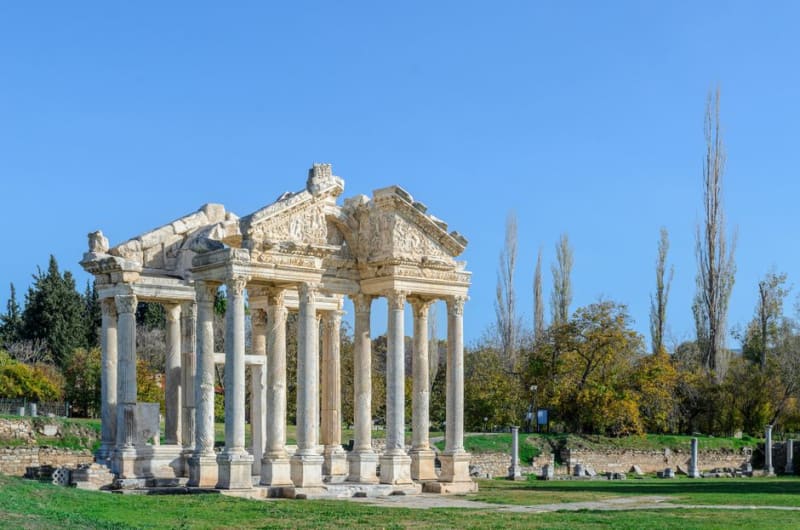 turkey
A Roman city devoted to the goddess of love, where a marble-sculpture school shaped an empire's art and a stadium survives almost intact.
Explore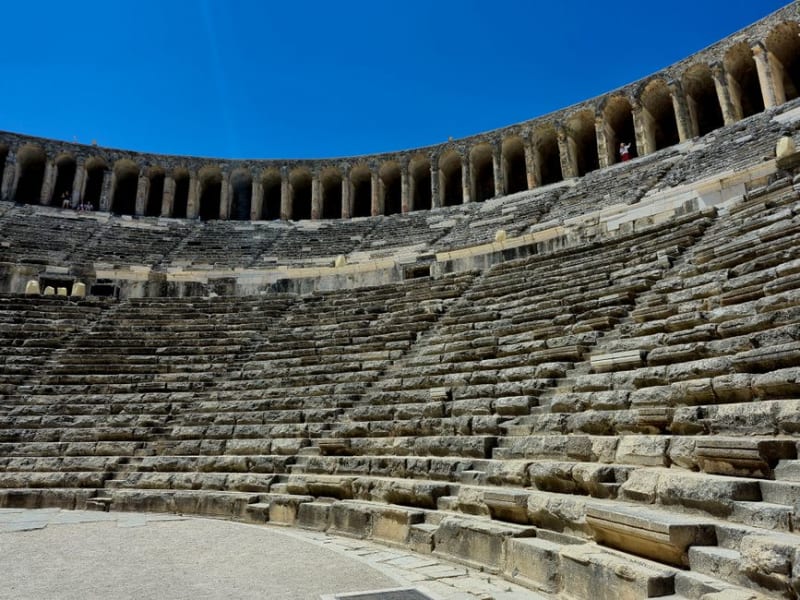 turkey
The best-preserved Roman theater on earth, engineered so precisely that a whisper on stage still reaches the back row two thousand years later.
Explore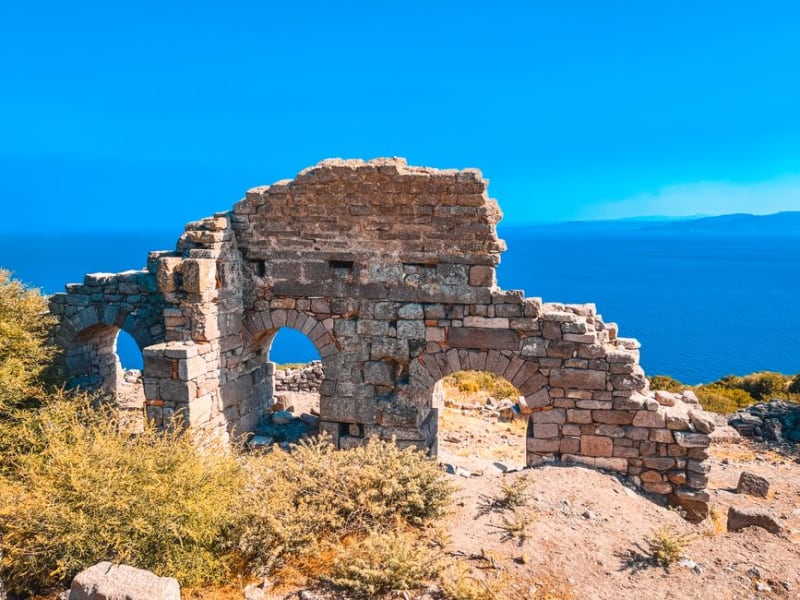 turkey
A clifftop ancient city where Aristotle once taught philosophy, its temple staring out across the Aegean toward the Greek island of Lesbos.
Explore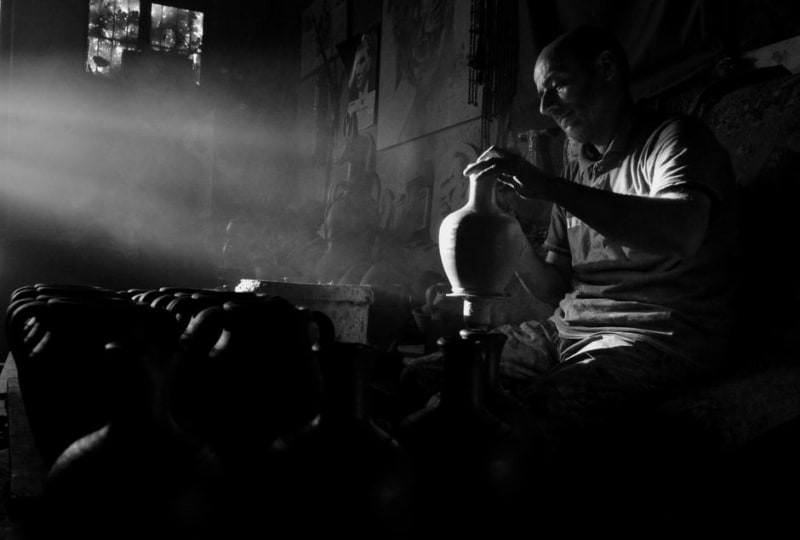 turkey
A red-clay pottery town on the banks of the Kizilirmak, where potters still work foot-powered wheels using techniques traced to the Hittites.
Explore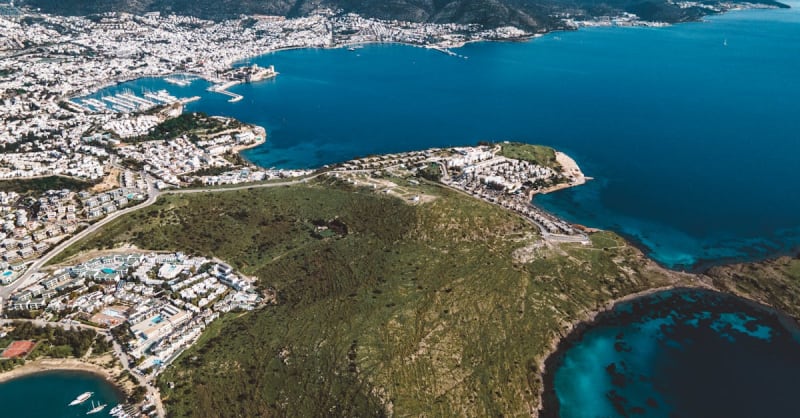 turkey
A whitewashed Aegean port town built around a crusader castle, where Turkish elegance meets barefoot coastal living.
Explore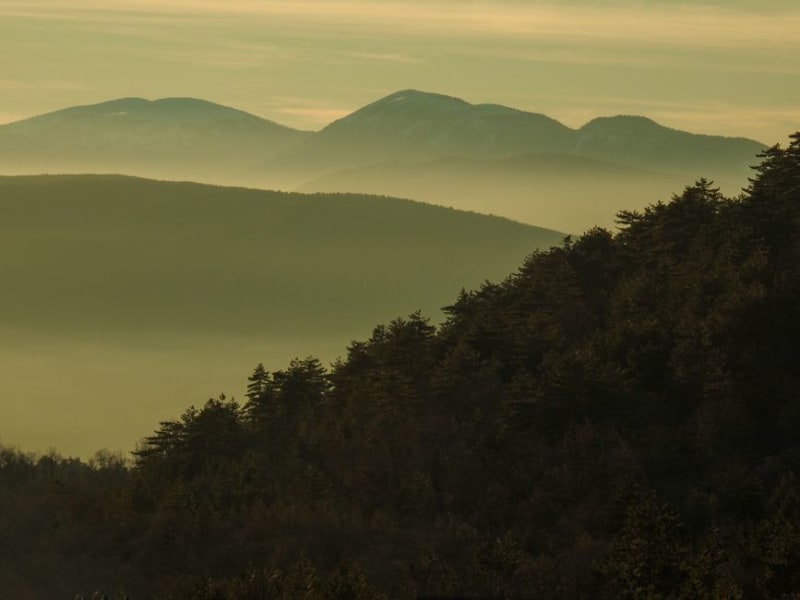 turkey
A forested mountain town between Istanbul and Ankara, famous in Turkish folklore for its chefs and prized as the gateway to Abant Lake.
ExploreFree download
A curated PDF itinerary with honest picks, real restaurants, and the details that matter — the kind you'd actually print and bring.
Download the guide